 Preview
 Send
Send Share
Share
 Details

 Download
 Similars
 X-Ray
X-Ray Diaporama
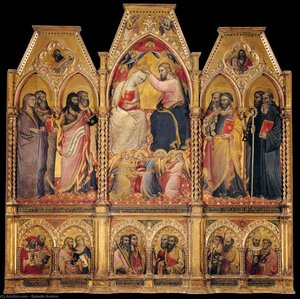
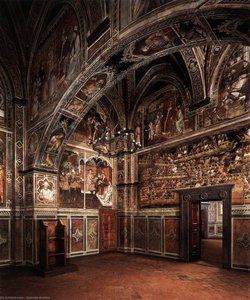
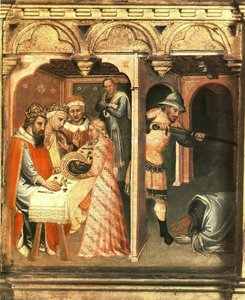
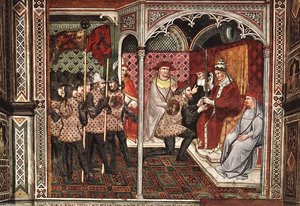
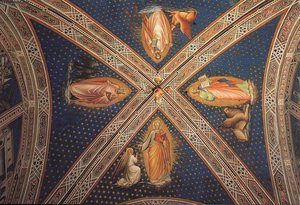
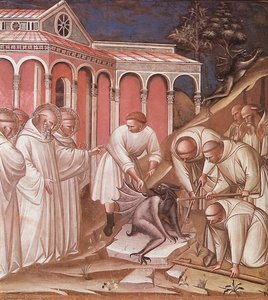
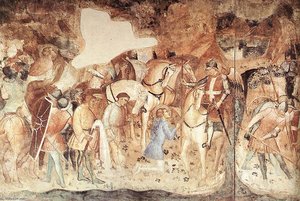
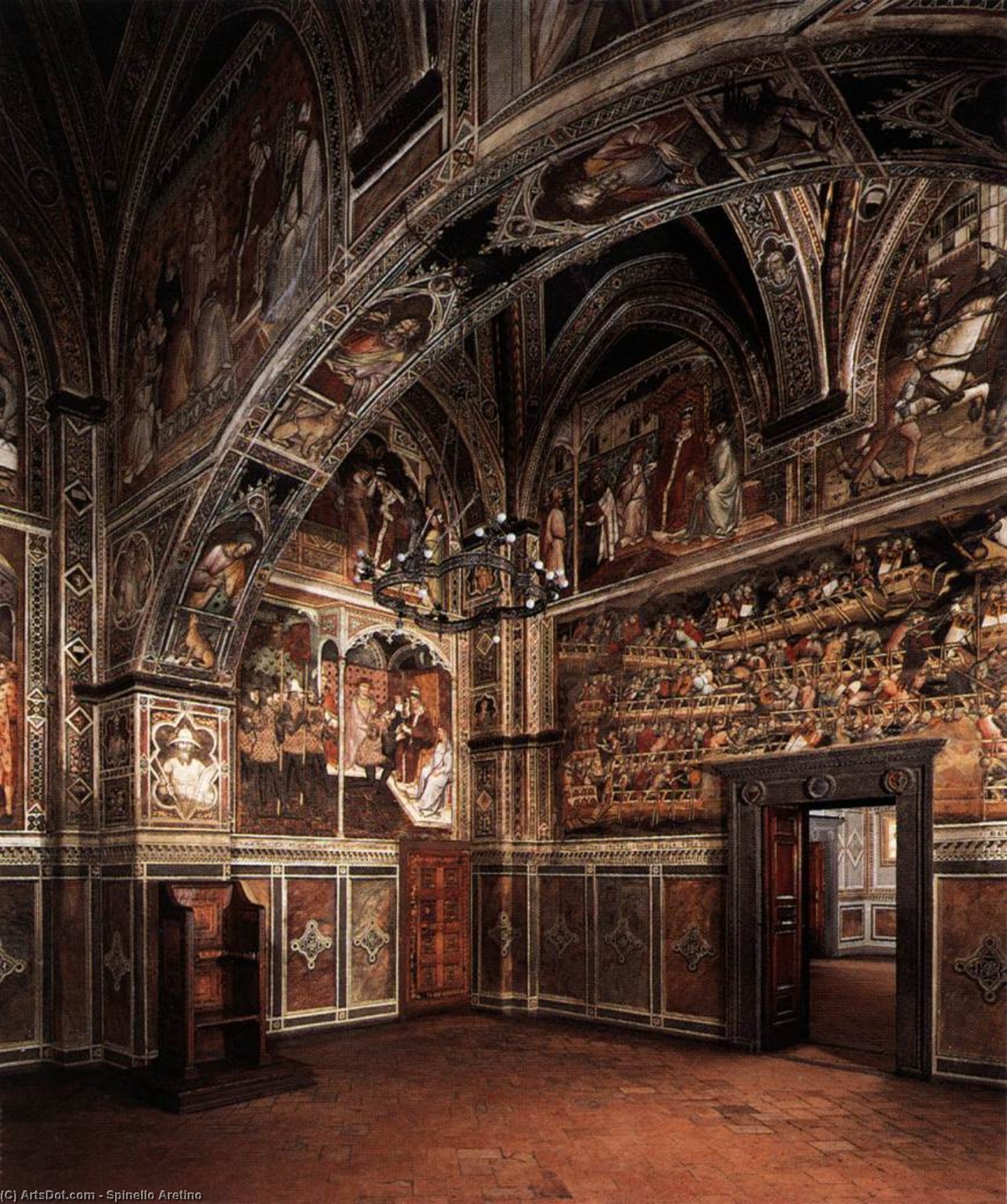
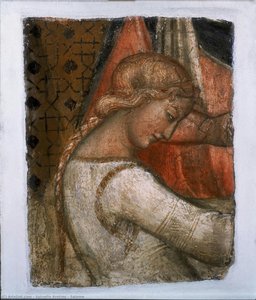
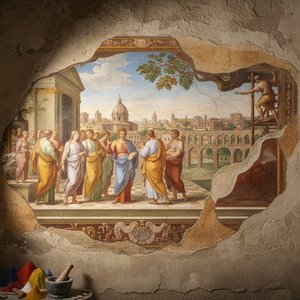
Scenes from the Life of Alexander III


 Read More
Hand Made Oil Reproduction
Hand-painted oil on canvas in your size and frame, made to order by our artists. ( Buy Print Buy Image)




P118B $10

P118H $10

P118W $10

P438Z $10

P508JH $12

P508YH $12

P805H $10

P805Z $10

P919BZ $10

P919G $10

P919XJ $10

P959ZH $10

P968JZ $12

W106C $8

W218G $10

W218JH $8

W218Y $10

W307PJ $10

W316G $10

W316PJ $8

W316Y $10

W398PJ $8

W4111J $10

W500HY $15

W500JH $15

W692G $12

W849H $8

W940BG $15

W953PJ $8




Pick from our preset sizes that match the artwork's original proportions.

You may enter your own dimensions to fit a specific frame or space. If your selected size does not match the original image's proportions, we will either crop the artwork or extend the painting with additional hand-painted elements. A digital mockup will be sent for your approval before production begins.
Please note that the on-screen preview does not reflect the actual cropping or extension. Only the mockup will accurately show the final composition.
While custom sizes are available, we recommend selecting a dimension from the predefined list to preserve the original proportions.
After order, ArtsDot.com team will email client for instructions and provide a mockup preview
Worldwide Delivery () in 3/4 weeks instead of standard 5 weeks. (29 August). No compromise on quality.

Free Worldwide Express Shipping

High-Quality Linen Canvas

Full Shipping Insurance

Customs Tax Refund Guarantee

True Color Matching Guarantee

60-Day Return Policy (Defects Only)

100% Money-Back Guarantee

Bulk Discount Offer
 Glass option is only available in size under 110 CM

Scenes from the Life of Alexander III
Reproduction Medium
Reproduction Size
-


Total Price
$ 263
A Window into Florentine Patronage: Spinello Aretino’s ‘Scenes from the Life of Alexander III’
Lorenzo di Bicci, a Florentine Master of the Late Fourteenth Century, stands as a testament to the understated brilliance that often characterizes artistic achievement. While contemporaries like Piero della Francesca commanded grand canvases and flamboyant gestures, Lorenzo’s legacy resides in his meticulous craftsmanship and profound understanding of color—qualities that cemented him as one of Florence's foremost painters during an era defined by burgeoning wealth and ambitious civic pride. His oeuvre offers a valuable glimpse into the evolving artistic sensibilities of Tuscany amidst transformative social currents. The fresco adorning the Palazzo Pubblico’s Sala dei Cinquecenti, commissioned in 1407 by the Priors of Florence, exemplifies Lorenzo’s distinctive style. This monumental artwork depicts scenes from the life of Alexander III, Holy Roman Emperor—a subject chosen to bolster civic prestige and commemorate papal authority. Spinello Aretino skillfully captured a vibrant tableau of aristocratic society, portraying figures engaged in formal gatherings and ceremonial processions. The composition is characterized by balanced symmetry and careful attention to detail, reflecting the humanist ideals prevalent at the time. Lorenzo’s masterful use of tempera paint on plaster ensures remarkable luminosity and textural richness—a technique favored for its ability to reproduce subtle gradations of color with exceptional accuracy.- Style: Florentine Gothic
- Technique: Tempera Fresco
- Historical Context: Renaissance Patronage; Papal Authority
Further Exploration
For a deeper understanding of Spinello Aretino’s artistic vision, consider researching similar frescoes from the period—particularly those commissioned by influential families in Siena and Urbino. Examining comparative stylistic approaches will illuminate the broader trends shaping Florentine painting during Lorenzo di Bicci's era. You can find more information about Lorenzo di Bicci and his contemporaries at Pietro Longhi’s Venetian Scenes: A Study of Rococo Society & Domestic Life.Reproductions Available
ArtsDot offers exceptional high-resolution reproductions of Spinello Aretino's ‘Scenes from the Life of Alexander III’, allowing you to bring this masterpiece into your home or office. Explore our curated collection and discover stunning prints suitable for any interior design aesthetic. Browse Reproductions HereRelated Artworks



Artist Biography
Lorenzo di Bicci: A Florentine Master of the Late Fourteenth Century
The mid-fourteenth century in Florence witnessed a blossoming of artistic innovation, and within this vibrant scene emerged Lorenzo di Bicci (c. 1350 – 1427), an artist whose influence quietly shaped the course of Florentine painting for decades. Often overshadowed by his more flamboyant contemporaries, Lorenzo’s contribution lies not in dramatic displays of virtuosity but rather in a refined elegance and a masterful understanding of color and composition that established him as one of the most important painters of his time. His work offers a glimpse into the evolving artistic landscape of Florence during a period of profound social and economic transformation.
Lorenzo’s early life remains shrouded in some mystery, largely due to the scant documentation available about his father, Jacopo (also known as Jacopo di Cione), who likely served as Lorenzo's initial mentor. It is believed that Lorenzo apprenticed under this unknown master, absorbing fundamental painting techniques and developing a distinctive style characterized by a balanced approach – avoiding excessive complexity while maintaining a remarkable level of detail and precision. Unlike many artists of the era who primarily catered to wealthy patrons, Lorenzo’s commissions largely stemmed from the country clergy and the lower-middle class Florentine guilds, reflecting a shift in patronage dynamics during this period. This focus on serving a broader segment of society distinguished him from some of his more established rivals.
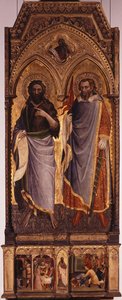
Lorenzo's artistic development was profoundly influenced by several key figures. The work of Andrea di Cione, a contemporary painter known for his elegant and refined style, clearly resonated with Lorenzo’s aesthetic sensibilities. The influence of Jacopo di Cione is also evident in early works like “St. Martin Enthroned,” a panel painting commissioned by the Arte dei Vinattieri (the wine-merchants' guild) around 1380. This piece, now housed in the Depositi Galleria d’Arte Moderna in Florence, showcases Lorenzo’s burgeoning talent – employing bright colors and a balanced composition to depict the biblical scene of St. Martin distributing his cloak to a beggar. The predella, which accompanies the main panel, further demonstrates Lorenzo's skill in narrative painting, presenting a carefully orchestrated sequence of figures and gestures.
The Influence of Giotto and the Florentine School
Lorenzo di Bicci’s artistic trajectory is inextricably linked to the legacy of Giotto di Bondone, the revolutionary painter who had dramatically altered the course of Italian art in the late thirteenth century. Giotto's emphasis on naturalism, emotional expression, and a sense of three-dimensionality profoundly impacted subsequent generations of Florentine artists. Lorenzo, like his contemporaries Jacopo di Cione and Niccolò di Pietro Gerini, absorbed Giotto’s innovations, adapting them to his own unique style. However, unlike Giotto's often dynamic and emotionally charged compositions, Lorenzo favored a more restrained and balanced approach, prioritizing clarity of form and harmonious color relationships.
The Florentine School during this period was characterized by a remarkable diversity of styles and influences. Artists were constantly experimenting with new techniques and approaches, drawing inspiration from both classical antiquity and the latest developments in European painting. Lorenzo’s work reflects this dynamic environment, incorporating elements of Gothic elegance while simultaneously embracing a more naturalistic style. His meticulous attention to detail—particularly his skill in rendering drapery and facial features—demonstrates a commitment to realism that was becoming increasingly prevalent in Florentine art.
Key Works and Artistic Characteristics
Lorenzo’s artistic output, though relatively modest compared to some of his contemporaries, reveals a consistent stylistic approach. His paintings are notable for their use of bright colors – particularly reds, blues, and yellows – which create a sense of vibrancy and luminosity. He avoided overly complex compositions, opting instead for balanced arrangements that prioritize clarity and readability. The figures in his works often possess round faces and relatively expressionless features, reflecting a deliberate effort to convey serenity and dignity rather than intense emotion.
Among Lorenzo’s most significant works are the “St. Martin Enthroned” panel (1380), which exemplifies his early style; several altarpieces commissioned by churches in the surrounding countryside; and a series of devotional panels depicting scenes from the life of the Virgin Mary. His meticulous drawing skills, honed during his apprenticeship, are evident in every detail of these paintings—from the folds of drapery to the subtle nuances of facial expression. Lorenzo’s work stands as a testament to his exceptional technical ability and his unwavering commitment to artistic excellence.
Legacy and Historical Significance
Lorenzo di Bicci's influence extended beyond his own lifetime, shaping the development of Florentine painting for decades after his death in 1427. His successors, Bicci di Lorenzo and Neri di Bicci, continued to serve the same clientele – the country clergy and lower-middle class guilds – further solidifying his legacy as a key figure in the Florentine School. While he may not have achieved the widespread fame of some of his contemporaries, Lorenzo’s refined style and unwavering commitment to craftsmanship ensured that his work would be appreciated for its elegance, balance, and technical mastery.
Lorenzo di Bicci represents a crucial link between the late Gothic traditions of Giotto and the early Renaissance. His paintings offer a valuable insight into the artistic dynamics of Florence during a period of profound social and cultural change—a time when artists were grappling with new ideas and techniques while simultaneously upholding the values of tradition and craftsmanship. His quiet yet enduring influence continues to resonate within the rich tapestry of Florentine art history.
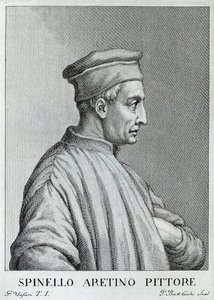
spinello aretino
1350 - 1410 , Italy
Quick Facts
- Artistic Movement Or Style: Florentine School
- Artists Or Movements Influenced By This Artist:
- Bicci di Lorenzo
- Neri di Bicci
- Artists Who Influenced This Artist: ['Andrea di Cione']
- Date Of Birth: c. 1350
- Date Of Death: 1427
- Full Name: Lorenzo di Bicci
- Nationality: Italian
- Notable Artworks: ['St. Martin Enthroned']
- Place Of Birth: Florence, Italy
Related Articles

The Fresco as Family Legacy: Preserving Heritage Through Wall Art
Explore the rich history & enduring legacy of fresco painting. Discover how to preserve family heritage through stunning wall art. Expert insights & restoration guidance.

The Enduring Legacy of Fresco Painting: Techniques, History & Contemporary Relevance
Explore the rich history & enduring artistry of fresco painting – from Giotto to Michelangelo! Discover techniques, conservation efforts, & modern applications. Learn how ArtsDot brings this timeless art form to your home.

The Enduring Legacy of Fresco: Technique, History & Artistic Expression Across Cultures
Explore the rich history & enduring legacy of fresco painting! Discover ancient techniques, Giotto's masterpieces, and modern applications. Expert insights for art lovers & professionals.

Art That Lives With You: The Emotional Power of a Custom Interior Fresco
Discover the emotional power & timeless beauty of custom interior frescoes. Explore history, design tips & expert guidance from – creating lasting legacies.
The Enduring Legacy of Fresco: Technique, History & Artistic Expression
Explore the rich history & enduring artistry of fresco painting. Discover techniques from Giotto to Michelangelo, conservation efforts, & modern applications. Learn how ArtsDot brings this timeless art form to your home.