

 Preview
 Send
Send Share
Share
 Details

 Download
 Similars
 X-Ray
X-Ray Diaporama
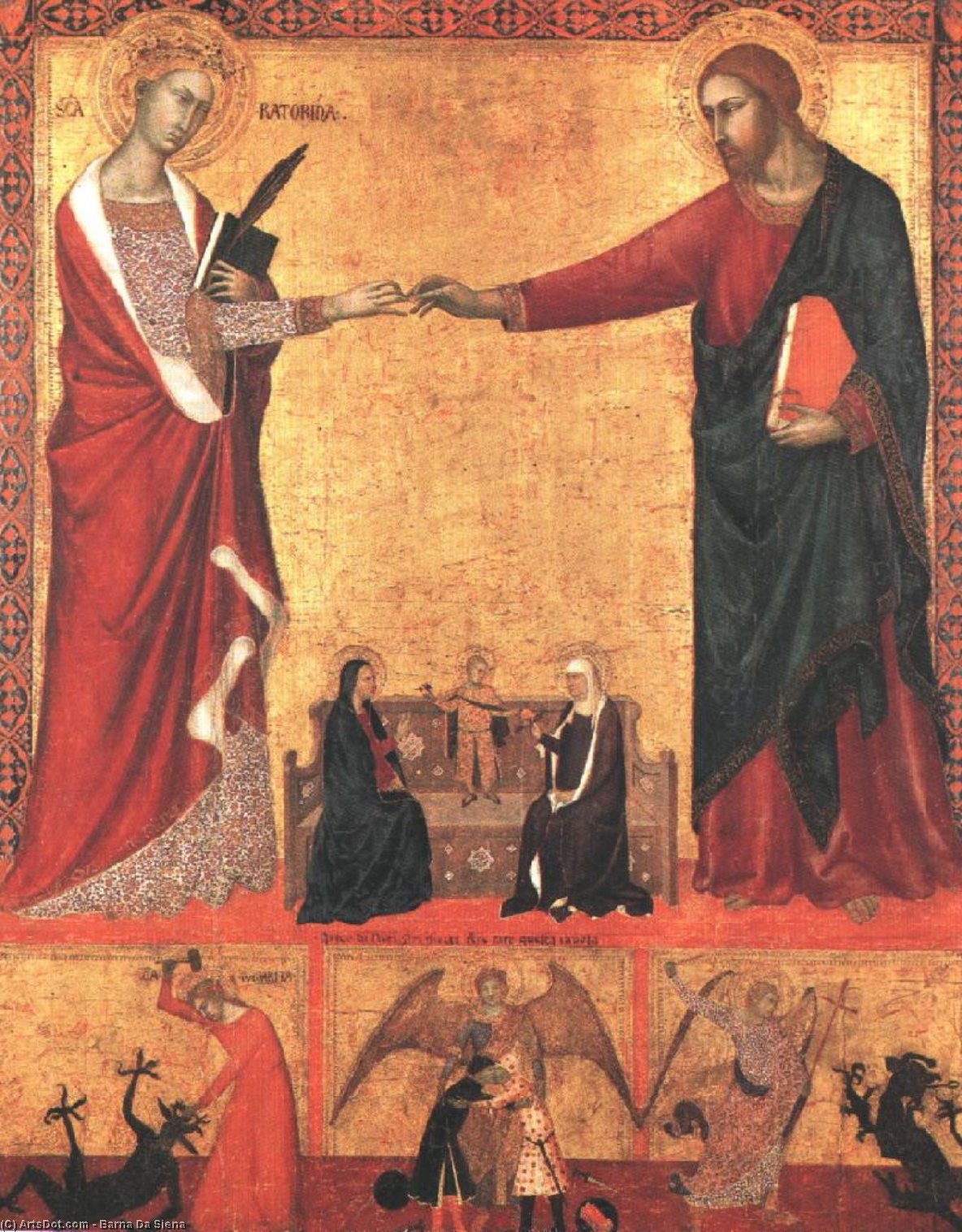
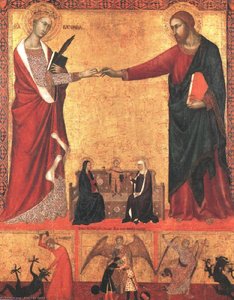
The Mystical Marriage of Saint Catherine


 Read More
Purchase a high-resolution, enhanced digital image, far superior to the online preview.
Each file is meticulously prepared by our in-house specialists using advanced tools and expert manual retouching. We ensure every image has exceptional clarity, precise color accuracy, and fine detail.
The final file is delivered via email within 72 hours, optimized for immediate use in professional, editorial, and print environments. This is the same quality trusted by top-tier design studios, publishers, and galleries.
Digital Image
Download a high-resolution file for personal display, printing, and creative projects. ( Buy Print Buy Hand Made Painting)
Included in Every Digital Image Order
Expert Digital Delivery, Guaranteed
When you choose ArtsDot.com, you're not just getting an image - you're receiving a professionally enhanced digital artwork, crafted with precision and backed by a satisfaction guarantee. Here's everything that comes with your order, automatically:

Fast Email Delivery
Your high-resolution digital image file will be emailed to you within 72 hours of ordering - ready for immediate use.

AI-Enhanced Digital File
Your artwork is professionally optimized using advanced AI tools and manual editing, ensuring maximum detail, clarity, and color accuracy.

Free Lifetime Re-Delivery
Accidentally deleted or lost your file? No worries - we'll resend it to you anytime, free of charge.

No Import Fees - Ever
Enjoy your artwork instantly with zero customs, duties, or delivery fees - digital downloads are always tax-free.

Color Accuracy Guarantee
We ensure your digital image reflects the original colors as closely as possible using professional tools and color management.

60-Day Satisfaction Guarantee
If you're not satisfied with your digital image, we'll revise it or refund 100% within 60 days - no questions asked.

100% Money-Back Guarantee
Not satisfied? Get a full refund within 60 days of receiving your digital file - no questions asked.

Bulk Order Discounts
Buy 3 images, save 10% - Buy 5, save 15% - Buy 10+, save 20%. Great for creative projects, galleries, and agencies.
Related Artworks
Artist Biography
The Enigmatic Shadow of Sienese Mastery
To traverse the hallowed halls of the Collegiata di San Gimignano is to encounter a ghost of the Trecento, an artist whose name, Barna da Siena, lingers in the air like incense in a medieval chapel. Known also as Berna di Siena, this figure remains one of the most tantalizing enigmas in the history of Italian art. While the chronicles of Lorenzo Ghiberti and Giorgio Vasari attempt to pin him to a specific timeline and identity, modern scholarship suggests we may not be looking at a single man, but rather a spectral collective—a workshop of masters operating under a singular, legendary mantle. Whether an individual or a shared pseudonym for a group of skilled hands, the legacy attributed to Barna represents a pivotal moment where the delicate grace of the Sienese School met the burgeoning dramatic intensity of Florentine innovation.
The historical traces of Barna begin to emerge in the mid-14th century, a period of profound transition in Tuscan art. Ghiberti’s I Commentarii first whispers of a Sienese painter who graced the landscapes of Tuscany with his biblical narratives. Later, Vasari would expand this portrait, attributing the monumental frescoes of the Old Testament in San Gimignano to this very "Berna." However, the tapestry of Barna's life is woven with contradictions; while Vasari attempted to date certain New Testament scenes to the twilight of the artist's life in 1381, stylistic evidence points toward a much earlier period, likely between 1330 and 1350. This discrepancy has led many contemporary historians to believe that "Barna" might be a historical fiction—a convenient name used to unify the diverse hands of a highly productive workshop.
A Symphony of Fresco and Narrative
The true essence of Barna’s contribution lies not in biographical certainty, but in the breathtaking visual storytelling found within his surviving works. The frescoes in San Gimignano serve as a profound testament to a style that balances emotional depth with meticulous detail. In these sacred walls, one finds a dramatic tension that transcends mere illustration. The figures possess an expressive vitality, characterized by gestures of profound pathos and poses that seem to vibrate with the weight of their divine struggles. This was not merely art for decoration; it was a visceral medium designed to transport the faithful into the heart of biblical history.
The technical brilliance of these works suggests an artist—or group of artists—deeply attuned to the evolving aesthetics of the era. The influence of the great Simone Martini is unmistakable, visible in the refined elegance and the lyrical flow of certain compositions. Yet, there is a burgeoning sense of weight and volume that hints at a dialogue with Florentine masters. This intersection of styles created a unique visual language:
- Narrative Complexity: The ability to weave intricate biblical stories into cohesive, large-scale fresco cycles that guide the viewer through time and scripture.
- Emotional Resonance: A mastery of facial expressions and bodily movement that captures the human element within divine events.
- Stylistic Synthesis: The seamless blending of Sienese decorative grace with a more robust, proto-Renaissance approach to form and space.
Legacy Amidst the Mystery
The historical significance of Barna da Siena extends far beyond the walls of a single Tuscan town. Even if the name represents a workshop rather than a solitary genius, the "Barna" identity became a vessel for a specific movement in 14th-century art—a movement that bridged the gap between the stylized Gothic tradition and the more naturalistic explorations of the early Renaissance. The debate over his authorship only serves to deepen our appreciation for the collaborative nature of medieval art production, where the pursuit of a unified aesthetic vision often superseded the cult of individual personality.
Today, the works attributed to Barna continue to haunt and inspire. They stand as enduring monuments to a period of intense creativity in Tuscany, reminding us that art is often at its most powerful when it exists in the space between the known and the unknown. Through the dramatic shadows of his frescoes and the haunting beauty of his Madonna with Child, Barna da Siena remains an eternal presence in the canon of Italian masters, a name that continues to echo through the corridors of art history, inviting us to rediscover the soul of the Middle Ages.
barna da siena
1330 - 1380
Quick Facts
- Artistic Movement Or Style: Gothic Art
- Artists Or Movements Influenced By This Artist: ['Florence']
- Artists Who Influenced This Artist:
- Simone Martini
- Lippo Memmi
- Date Of Death: 1380
- Full Name: Bernardo Bertini
- Nationality: Italian
- Notable Artworks: ['Frescoes in Collegiata di San Gimignano']
- Place Of Birth: Siena

