

 Preview
 Send
Send Share
Share
 Details

 Download
 Similars
 X-Ray
X-Ray Diaporama
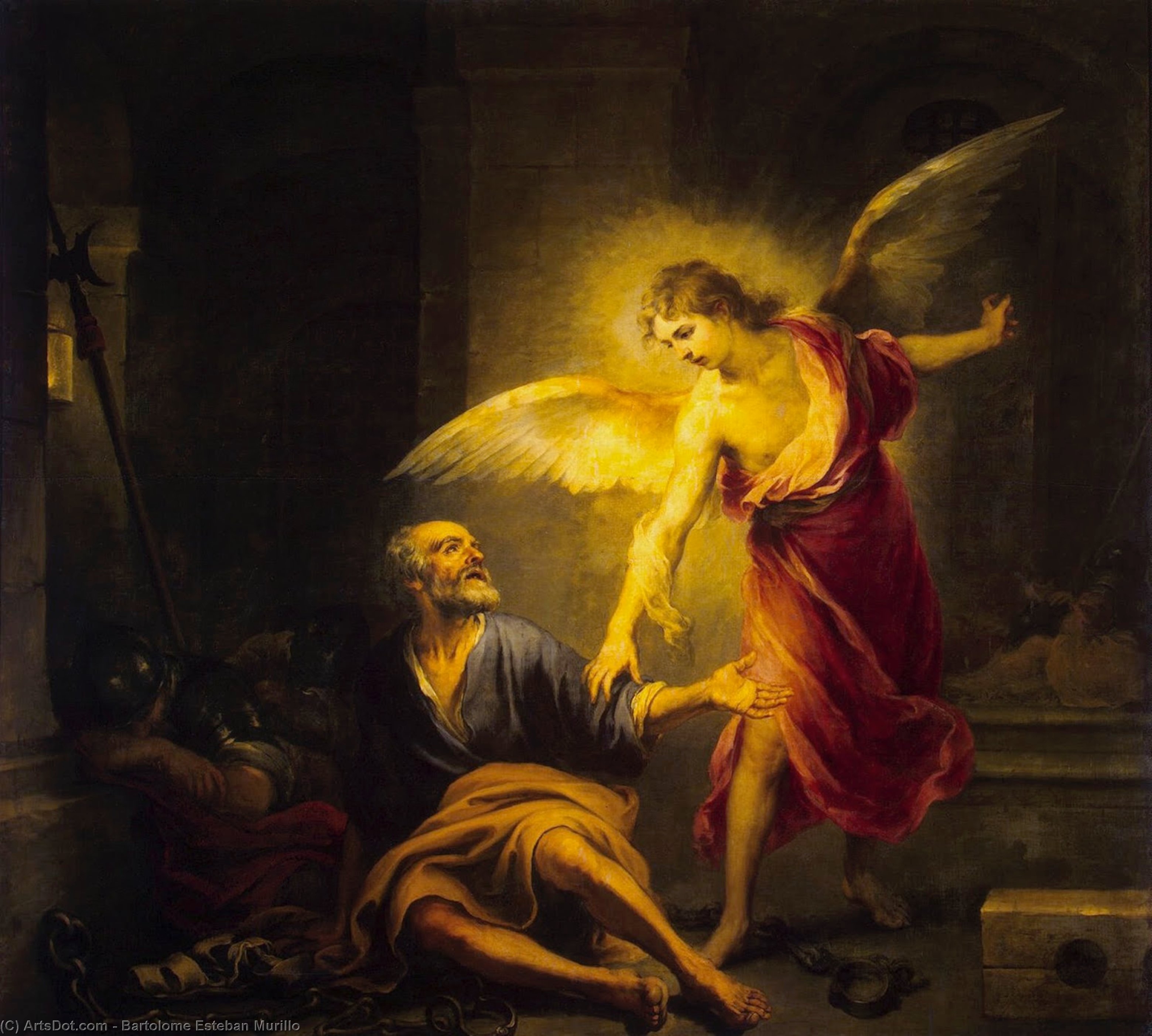
Liberation of St. Peter
 Oil On Canvas
- WallArt
- Baroque
 1667
1667- Early Modern
 238.0 x 260.0 cm
 Read More
Purchase a high-resolution, enhanced digital image, far superior to the online preview.
Each file is meticulously prepared by our in-house specialists using advanced tools and expert manual retouching. We ensure every image has exceptional clarity, precise color accuracy, and fine detail.
The final file is delivered via email within 72 hours, optimized for immediate use in professional, editorial, and print environments. This is the same quality trusted by top-tier design studios, publishers, and galleries.
Digital Image
Download a high-resolution file for personal display, printing, and creative projects. ( Buy Print Buy Hand Made Painting)
Included in Every Digital Image Order
Expert Digital Delivery, Guaranteed
When you choose ArtsDot.com, you're not just getting an image - you're receiving a professionally enhanced digital artwork, crafted with precision and backed by a satisfaction guarantee. Here's everything that comes with your order, automatically:

Fast Email Delivery
Your high-resolution digital image file will be emailed to you within 72 hours of ordering - ready for immediate use.

AI-Enhanced Digital File
Your artwork is professionally optimized using advanced AI tools and manual editing, ensuring maximum detail, clarity, and color accuracy.

Free Lifetime Re-Delivery
Accidentally deleted or lost your file? No worries - we'll resend it to you anytime, free of charge.

No Import Fees - Ever
Enjoy your artwork instantly with zero customs, duties, or delivery fees - digital downloads are always tax-free.

Color Accuracy Guarantee
We ensure your digital image reflects the original colors as closely as possible using professional tools and color management.

60-Day Satisfaction Guarantee
If you're not satisfied with your digital image, we'll revise it or refund 100% within 60 days - no questions asked.

100% Money-Back Guarantee
Not satisfied? Get a full refund within 60 days of receiving your digital file - no questions asked.

Bulk Order Discounts
Buy 3 images, save 10% - Buy 5, save 15% - Buy 10+, save 20%. Great for creative projects, galleries, and agencies.
Collectible Description
Liberation of St. Peter: A Baroque Masterpiece by Murillo
Bartolomé Esteban Murillo's "Liberation of St. Peter" is a captivating oil on canvas painting created in 1667, exemplifying the grandeur and drama of the Spanish Baroque period. Measuring 238 x 260 cm, this artwork resides within the esteemed Galleria Corsini in Rome, Italy, and stands as a testament to Murillo's exceptional skill and his significant contribution to religious art.
Subject Matter and Narrative
The painting vividly depicts a pivotal scene from the New Testament – the liberation of Saint Peter from prison. Inspired by Acts 12:3-19, it portrays the moment an angel miraculously appears to Peter while he sleeps in confinement. The angel gently awakens him, his chains fall away, and they swiftly exit the prison, leaving behind bewildered guards. This narrative embodies themes of divine intervention, faith, and miraculous deliverance, central tenets within Christian theology.
Artistic Style and Technique
Murillo's artistic style is firmly rooted in the Baroque tradition, characterized by its dynamic composition, intense emotional expression, and masterful use of light and shadow. The painting showcases a pyramidal structure, with Peter kneeling in supplication forming the base and the ascending angel creating a visual apex. Murillo skillfully employs chiaroscuro – the dramatic contrast between light and dark – to heighten the scene's emotional impact. The luminous glow surrounding the angel emphasizes his divine nature while plunging parts of the room into deep shadow, intensifying the sense of mystery and wonder. His brushwork is evident, contributing a textured surface that enhances the realism of fabrics and skin tones. The color palette features rich reds, golds, and browns, further amplifying the painting's opulence and spiritual significance.
Symbolism and Interpretation
Beyond its narrative depiction, "Liberation of St. Peter" is laden with symbolic meaning. The angel represents divine grace and God’s intervention in human affairs, while Peter’s posture signifies humility and acceptance of this miraculous deliverance. The setting itself – a simple chamber within the prison – underscores the intimacy of this spiritual encounter. The discarded chains symbolize freedom from earthly constraints and the triumph of faith over adversity. Murillo's work invites viewers to contemplate themes of redemption, divine power, and the unwavering strength of belief.
Historical Context and Influence
Created during a period of intense religious fervor in Spain, "Liberation of St. Peter" reflects the Counter-Reformation’s emphasis on emotional engagement with faith. Murillo's style was influenced by earlier masters such as Diego Velázquez and José de Ribera, incorporating their techniques while developing his own distinctive approach to portraying religious subjects. His ability to blend realism with idealized beauty made him one of the most sought-after artists in Spain, and his works continue to inspire awe and reverence today.
Related Artworks
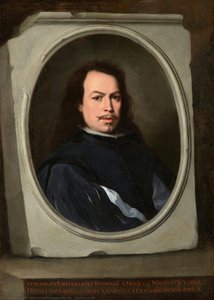
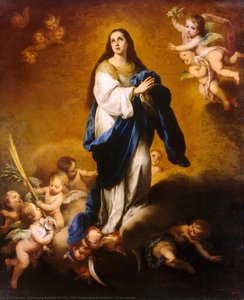
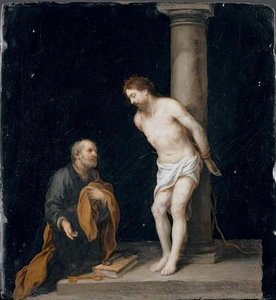
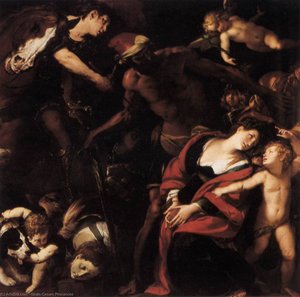
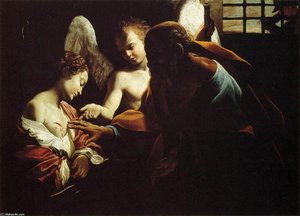
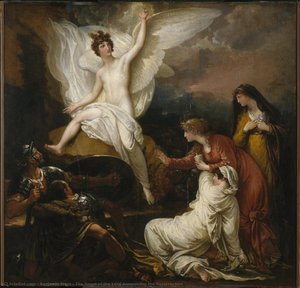
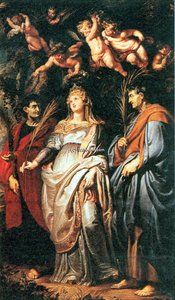
Artist Biography
A Life Bathed in Andalusian Light
Bartolomé Esteban Murillo, a name synonymous with the golden age of Spanish Baroque painting, emerged from the vibrant heart of Seville in 1618. His life, though marked by personal tragedy and societal shifts, blossomed into an artistic career that captured the spirit of his time—a period of religious fervor, social change, and burgeoning artistic innovation. Born to Gaspar Esteban, a barber-surgeon, and María Pérez Murillo, within a large family of fourteen children, young Bartolomé experienced early loss with the passing of both parents in quick succession during his childhood. This hardship led him into the guardianship of his sister’s husband, Juan Agustín Lagares, a pivotal figure who would indirectly guide his artistic path. Murillo's initial training began under Juan del Castillo, a local artist and relative through his mother, laying the foundation for a style that would eventually become uniquely his own. The early years were steeped in the realist traditions prevalent in Seville, absorbing influences from masters like Zurbarán, Ribera, and Cano—artists who prioritized stark realism and dramatic intensity. However, Murillo’s genius lay not in mere imitation but in transforming these foundations into something softer, more luminous, and profoundly human.From Realism to Radiant Grace
Murillo's artistic journey wasn’t a sudden leap to fame but rather an evolution marked by distinct phases. His early works, heavily influenced by the austere realism of his contemporaries, showcased a meticulous attention to detail and a somber palette. Young Man with a Basket of Fruit (Personification of Summer), created around 1640-50, exemplifies this period—a grounded depiction of everyday life rendered with remarkable precision. Yet, even in these early pieces, hints of the tenderness and emotional depth that would define his mature style began to emerge. The Young Beggar, painted circa 1645, demonstrates a growing sensitivity towards human suffering, echoing the influence of Velázquez’s masterful portrayals of everyday people. As Murillo matured, his style underwent a remarkable transformation. He moved away from the stark realism of his predecessors, embracing a more polished and refined aesthetic that resonated with the tastes of Seville's burgeoning bourgeois and aristocratic classes. This shift was particularly evident in his religious works, where he infused traditional iconography with an unprecedented sense of warmth, grace, and emotional accessibility. St. Jerome, painted between 1650-52, stands as a testament to this mature style—a softly luminous depiction that radiates serenity and devotion.A Master of Religious Sentiment and Genre Scenes
Murillo’s artistic output was remarkably diverse, encompassing religious paintings, genre scenes, portraits, and mythological subjects. However, he is most celebrated for his depictions of the Immaculate Conception—a subject that captivated him throughout his career and resulted in numerous variations, each imbued with a unique sense of ethereal beauty. These works, characterized by their delicate brushwork, luminous colors, and graceful compositions, became immensely popular and established Murillo as the preeminent painter of religious imagery in Spain. Beyond his sacred subjects, Murillo also excelled at capturing the everyday lives of ordinary people. His genre scenes—depictions of flower girls, street urchins, and beggars—offer a poignant glimpse into the social realities of 17th-century Seville. These paintings are not merely observational studies; they are imbued with a deep sense of empathy and compassion, elevating the humble subjects to a level of dignity and grace. He possessed an extraordinary ability to capture the innocence of childhood, portraying young children with remarkable realism and tenderness.Legacy and Enduring Influence
Bartolomé Esteban Murillo’s impact on the course of Spanish art—and indeed, European painting—is undeniable. He established a distinctive style that blended religious devotion with humanistic sentiment, creating works that resonated deeply with audiences across social strata. His influence extended far beyond his native Spain, inspiring generations of artists throughout Europe. Gainsborough and Greuze, among others, acknowledged their debt to Murillo’s luminous style and sensitive portrayals of human emotion. He trained numerous pupils in his Seville workshop, ensuring the continuation of his artistic legacy. His paintings can be found in prestigious museums worldwide, including the Museo del Prado in Madrid, the Hermitage Museum in Saint Petersburg, the Wallace Collection in London, and the Timken Museum of Art in San Diego—testaments to his enduring appeal and historical significance. Murillo’s art continues to captivate viewers with its beauty, grace, and profound humanity, solidifying his place as one of the most beloved and influential painters of the Spanish Baroque period. His ability to infuse religious imagery with emotional depth and portray everyday life with empathy ensures that his work remains relevant and inspiring centuries after his death in 1682.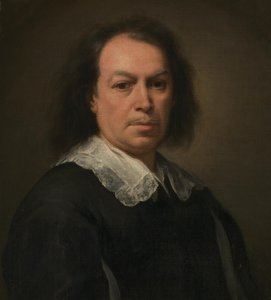
Bartolomé Esteban Murillo
1618 - 1682 , Spain
Quick Facts
- Artistic Movement Or Style: Baroque painting
- Artists Or Movements Influenced By This Artist:
- Gainsborough
- Greuze
- Artists Who Influenced This Artist:
- Zurbarán
- Jusepe de Ribera
- Date Of Birth: January 1, 1618
- Date Of Death: April 3, 1682
- Full Name: Bartolomé Esteban Murillo
- Nationality: Spanish
- Notable Artworks:
- The Immaculate Conception
- Young Beggar
- St. Jerome
- Place Of Birth: Seville, Spain

