

 Preview
 Send
Send Share
Share
 Details

 Download
 Similars
 X-Ray
X-Ray Diaporama
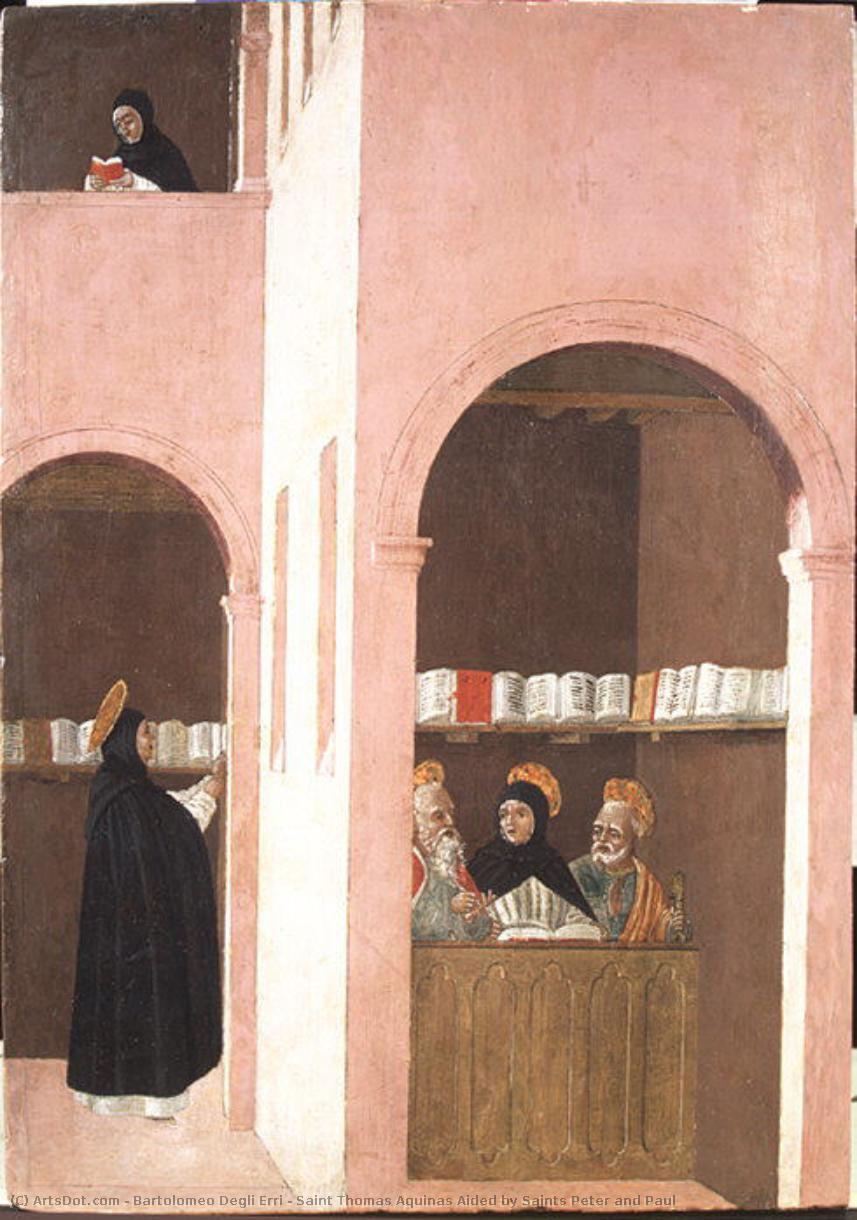
Saint Thomas Aquinas Aided by Saints Peter and Paul
 43.0 x 31.0 cm
 Read More
Purchase a high-resolution, enhanced digital image, far superior to the online preview.
Each file is meticulously prepared by our in-house specialists using advanced tools and expert manual retouching. We ensure every image has exceptional clarity, precise color accuracy, and fine detail.
The final file is delivered via email within 72 hours, optimized for immediate use in professional, editorial, and print environments. This is the same quality trusted by top-tier design studios, publishers, and galleries.
Digital Image
Download a high-resolution file for personal display, printing, and creative projects. ( Buy Print Buy Hand Made Painting)
Included in Every Digital Image Order
Expert Digital Delivery, Guaranteed
When you choose ArtsDot.com, you're not just getting an image - you're receiving a professionally enhanced digital artwork, crafted with precision and backed by a satisfaction guarantee. Here's everything that comes with your order, automatically:

Fast Email Delivery
Your high-resolution digital image file will be emailed to you within 72 hours of ordering - ready for immediate use.

AI-Enhanced Digital File
Your artwork is professionally optimized using advanced AI tools and manual editing, ensuring maximum detail, clarity, and color accuracy.

Free Lifetime Re-Delivery
Accidentally deleted or lost your file? No worries - we'll resend it to you anytime, free of charge.

No Import Fees - Ever
Enjoy your artwork instantly with zero customs, duties, or delivery fees - digital downloads are always tax-free.

Color Accuracy Guarantee
We ensure your digital image reflects the original colors as closely as possible using professional tools and color management.

60-Day Satisfaction Guarantee
If you're not satisfied with your digital image, we'll revise it or refund 100% within 60 days - no questions asked.

100% Money-Back Guarantee
Not satisfied? Get a full refund within 60 days of receiving your digital file - no questions asked.

Bulk Order Discounts
Buy 3 images, save 10% - Buy 5, save 15% - Buy 10+, save 20%. Great for creative projects, galleries, and agencies.
Collectible Description
Related Artworks








Artist Biography
A Life Forged in the Shadow of the Masters
Bartolomeo degli Erri, a name perhaps less familiar than those of his contemporaries like Botticelli or Leonardo da Vinci, nevertheless stands as a pivotal figure in the vibrant artistic landscape of 15th-century Modena. Born around 1447 and tragically deceased at the young age of thirty-five, Bartolomeo’s life was inextricably linked to the flourishing art scene of the Emilia region – a period marked by intense rivalry between competing workshops and a remarkable concentration of talent. He wasn't born into privilege; his family, the Erri, were skilled artisans, likely involved in metalworking or perhaps even tapestry production, providing him with an early grounding in visual craftsmanship. His artistic journey began not within the hallowed halls of a grand ducal court, but rather amidst the bustling workshops and competitive spirit of Modena’s burgeoning art world.
Crucially, Bartolomeo's career unfolded alongside that of his brothers, Agnolo and Bartholomew. This familial collaboration is key to understanding his artistic development. They formed a powerful workshop, contributing significantly to the decoration of San Domenico in Modena – a project that served as a crucible for innovation and stylistic experimentation during this era. The influence of the early Renaissance masters, particularly the Florentine painters who were shaping the visual language of Europe at the time, is undeniable. However, Bartolomeo’s work demonstrates a distinctly regional sensibility, incorporating elements of Gothic tradition alongside emerging humanist ideals. He wasn't simply imitating; he was synthesizing, forging a unique artistic voice rooted in his local context.
The Palette and Technique: A Style Defined by Detail
Bartolomeo’s paintings are characterized by an extraordinary level of detail and meticulous execution. He employed the tempera technique, favored for its luminosity and durability – qualities that allowed him to achieve a remarkable richness of color and texture. His figures possess a palpable sense of volume and weight, rendered with careful attention to drapery and anatomical accuracy. Unlike some of his contemporaries who embraced looser brushwork and expressive gestures, Bartolomeo’s style is remarkably controlled and refined. This precision reflects not only technical skill but also a deep understanding of perspective and spatial relationships – hallmarks of the developing Renaissance aesthetic.
A particularly noteworthy aspect of his technique is his use of gold leaf. He frequently incorporated shimmering gold into his compositions, adding an element of opulence and spiritual significance to his works. This practice was common in Italian painting during this period, but Bartolomeo’s application of gold is particularly masterful, creating a dazzling effect that draws the viewer's eye and enhances the overall impact of the paintings. His work often features intricate patterns and decorative elements, reflecting the rich artistic traditions of the region.
Scenes from Faith: Altarpieces and Devotional Narratives
Bartolomeo’s most significant contributions to the art world are undoubtedly his altarpieces – monumental panels designed for church decoration. These works typically depicted scenes from the Bible, the lives of saints, or episodes from Christian legend. The “Coronation of the Virgin” triptych, housed in the Galleria Estense in Modena, is a prime example of his skill and artistry. Within this complex composition, Bartolomeo skillfully balances narrative clarity with decorative elegance, creating a visually arresting experience for the viewer.
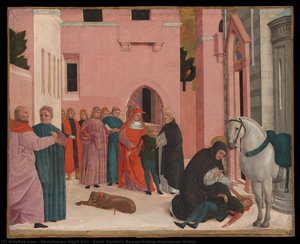
Among his most celebrated works are depictions of Saint Dominic Resuscitating Napoleone Orsini, Saint Thomas Aquinas Aided by Saints Peter and Paul, and various scenes from the lives of saints. These paintings demonstrate Bartolomeo’s ability to convey complex theological narratives with a remarkable degree of emotional depth and dramatic intensity. His figures are not merely static representations; they are imbued with life and movement, engaging the viewer in a profound dialogue about faith, morality, and the mysteries of salvation.
Legacy and Historical Significance
Despite his tragically short career, Bartolomeo degli Erri left an indelible mark on the artistic landscape of Modena. His work exemplifies the dynamism and innovation of the Quattrocento movement – a period marked by experimentation, rivalry, and a relentless pursuit of beauty and truth. His paintings are valued for their technical mastery, their expressive power, and their unique regional character. Today, his works can be found in prestigious museums around the world, including the Metropolitan Museum of Art, the Kunsthistorisches Museum, and the California Palace of the Legion of Honor, ensuring that this talented artist’s legacy continues to inspire and captivate audiences.
Bartolomeo's influence extends beyond his individual creations. He was part of a larger artistic community – a network of workshops and artists who shared ideas, techniques, and stylistic influences. His work stands as a testament to the vibrant cultural exchange that characterized Renaissance Italy, demonstrating how art could simultaneously reflect local traditions and engage with broader European trends.
bartolomeo degli erri
1430 - 1482
Quick Facts
- Artistic Movement Or Style: Gothic & Renaissance
- Artists Or Movements Influenced By This Artist:
- Quattrocento Modena
- Renaissance Italy
- Artists Who Influenced This Artist:
- Agnolo degli Erri
- Bartolomeo Bonascia
- Date Of Birth: 1447
- Date Of Death: 1482
- Full Name: Bartolomeo degli Erri
- Nationality: Italian
- Notable Artworks:
- Saint Dominic Resuscitating
- Vision of Saint Paulino
- Place Of Birth: Modena, Italy

