 Preview
 Send
Send Share
Share
 Details

 Download
 Similars
 X-Ray
X-Ray Diaporama
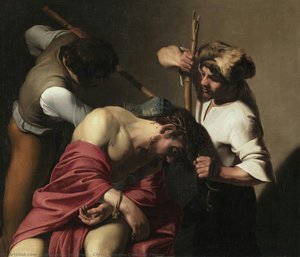
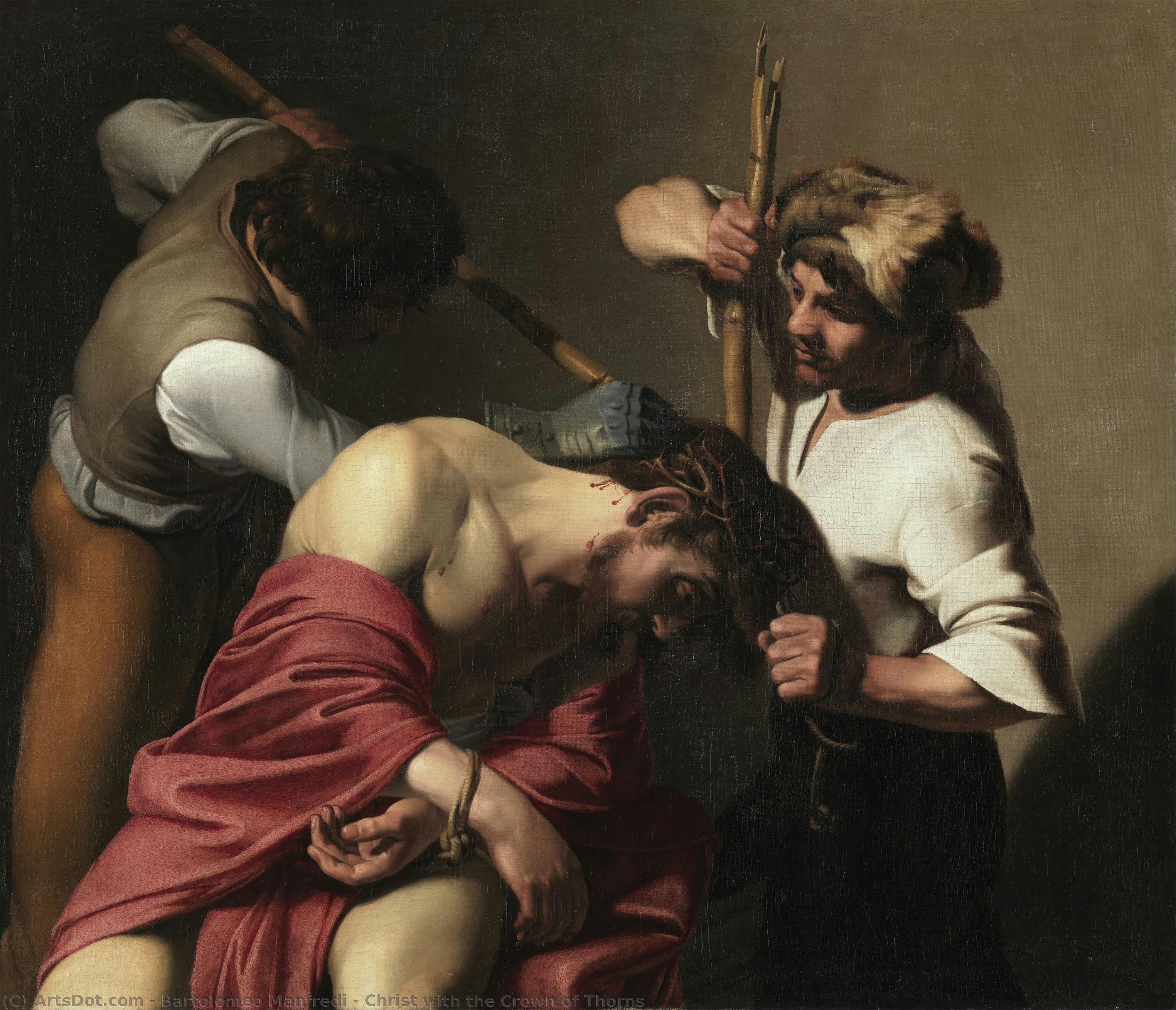
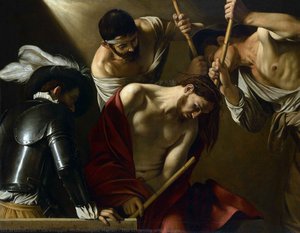
Christ with the Crown of Thorns
 Oil On Canvas
- WallArt
- Baroque
 1610
1610- Early Modern
 118.0 x 135.0 cm
 Alte Pinakothek
 Read More
Hand Made Oil Reproduction
Hand-painted oil on canvas in your size and frame, made to order by our artists. ( Buy Print Buy Image)




P118B $10

P118H $10

P118W $10

P438Z $10

P508JH $12

P508YH $12

P805H $10

P805Z $10

P919BZ $10

P919G $10

P919XJ $10

P959ZH $10

P968JZ $12

W106C $8

W218G $10

W218JH $8

W218Y $10

W307PJ $10

W316G $10

W316PJ $8

W316Y $10

W398PJ $8

W4111J $10

W500HY $15

W500JH $15

W692G $12

W849H $8

W940BG $15

W953PJ $8




Pick from our preset sizes that match the artwork's original proportions.

You may enter your own dimensions to fit a specific frame or space. If your selected size does not match the original image's proportions, we will either crop the artwork or extend the painting with additional hand-painted elements. A digital mockup will be sent for your approval before production begins.
Please note that the on-screen preview does not reflect the actual cropping or extension. Only the mockup will accurately show the final composition.
While custom sizes are available, we recommend selecting a dimension from the predefined list to preserve the original proportions.
After order, ArtsDot.com team will email client for instructions and provide a mockup preview
Worldwide Delivery () in 3/4 weeks instead of standard 5 weeks. (16 August). No compromise on quality.

Free Worldwide Express Shipping

High-Quality Linen Canvas

Full Shipping Insurance

Customs Tax Refund Guarantee

True Color Matching Guarantee

60-Day Return Policy (Defects Only)

100% Money-Back Guarantee

Bulk Discount Offer
 Glass option is only available in size under 110 CM

Christ with the Crown of Thorns
Reproduction Medium
Reproduction Size
-


Total Price
$ 313
Artwork Description
The Weight of Sacrifice: An Encounter with Christ's Passion
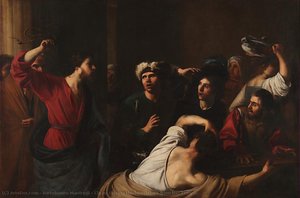
To stand before Bartolomeo Manfredi’s depiction of Christ with the Crown of Thorns is to be enveloped in an atmosphere thick with profound suffering and divine sacrifice. This painting is not merely a record of an event; it is a visceral confrontation with humanity's deepest themes of pain, humiliation, and ultimate redemption. The scene captures that agonizing moment when Christ is subjected to the mockery of his tormentors. Manfredi masterfully directs our gaze to the central figure, whose bearing speaks volumes of endured agony, transforming the canvas into a crucible of spiritual drama.
Baroque Drama and Tenebrist Light
The style immediately places this work within the dramatic fervor of the Baroque period. Here, light is not simply an illuminator; it is a character unto itself. Manfredi employs a breathtaking use of chiaroscuro, allowing strong, directional light to carve out Christ’s face and upper torso from the surrounding gloom. This technique, so characteristic of Caravaggio's circle, plunges the background into near-blackness, forcing an intense focus on the emotional core of the narrative. The composition is tightly wound, every muscle tension visible, every shadow deep enough to conceal secrets, yet illuminated just enough to reveal the pathos.
Mastery in Texture and Form
Examining the technique reveals a virtuosity that speaks to Manfredi’s skill as an heir to Caravaggio. The rendering of the figures is startlingly realistic; one can almost feel the rough texture of the thorns, the tautness of the soldiers' musculature, and the yielding quality of the skin under duress. Through careful layering of oil paints—a process known as glazing—Manfredi builds luminosity, giving the painted flesh a palpable, lifelike glow against the stark darkness. The contrast between the organic curves of the human body and the rigid geometry of the staff held by one soldier adds a compelling visual tension to the piece.
Symbolism and Enduring Resonance
Beyond its technical brilliance lies the painting's profound symbolic weight. The crown of thorns is the ultimate symbol of undeserved suffering, representing the physical manifestation of sin and sacrifice. For the contemporary viewer, this artwork serves as a powerful meditation on endurance. It speaks to moments in life when one feels cornered or unjustly accused, offering simultaneously a depiction of utter vulnerability and an underlying promise of transcendent meaning. The emotional impact is immediate and deeply moving.
Bringing Sacred Drama Home
For those seeking art that commands attention and deep contemplation within a collector's space or grand hall, this reproduction offers unparalleled dramatic depth. Its intense narrative power ensures it will anchor any room with its solemn majesty. Owning a piece echoing Manfredi’s vision is to invite a conversation between the viewer and centuries of profound human experience—a breathtaking fusion of religious fervor, masterful technique, and timeless emotional resonance.
Related Artworks
Artist Biography
Bartolomeo Manfredi: The Shadow of Caravaggio
Bartolomeo Manfredi (1582-1622) stands as a pivotal figure in the burgeoning Baroque landscape of Italy, inextricably linked to the legacy of Michelangelo Merisi da Caravaggio. While Manfredi himself remained largely silent on the canvas – devoid of signed works and with only a handful attributed definitively – his impact on artistic circles was profound, cementing him as Caravaggio’s most influential disciple and shaping the trajectory of Italian painting for decades to come. Born in Ostiano, near Cremona, Manfredi's early life remains shrouded in obscurity, though biographical accounts suggest he possessed an aristocratic upbringing and benefited from considerable patronage.- Early Influences & Caravaggio Connection: The precise details surrounding Manfredi’s formative years are scarce. However, compelling evidence points to Caravaggio as a significant mentor, possibly even instructing him in Rome around 1603. Caravaggio's own trial testimony alluded to Manfredi’s service under his employ, bolstering the theory of direct artistic apprenticeship. This connection immediately established Manfredi within the orbit of Caravaggio’s revolutionary style – characterized by dramatic chiaroscuro, intense realism, and a masterful manipulation of emotion through gesture and expression.
- Caravaggisti Style & Artistic Innovation: Manfredi wholeheartedly embraced Caravaggio's innovations, prioritizing visceral storytelling over idealized beauty. Unlike many of his contemporaries who sought to emulate Caravaggio’s grandeur, Manfredi focused on depicting gritty scenes from everyday life – taverns, marketplaces, and confrontations between figures—often infused with psychological depth. His canvases pulsated with palpable energy, capturing fleeting moments of drama and conveying profound emotional resonance.
Major Works & Artistic Development
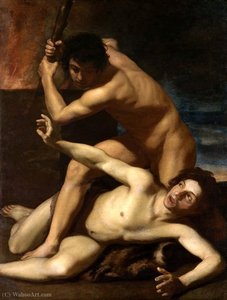
Despite the lack of documented signed pieces, Manfredi produced a substantial body of work during his relatively brief career (approximately 1600-1610). Scholars estimate around forty paintings now attributed to him, though their authenticity has been debated extensively. The attribution process itself has proven challenging due to Caravaggio’s penchant for disguising his own works and Manfredi's tendency to collaborate with assistants. Nevertheless, Manfredi’s oeuvre demonstrates a remarkable consistency in stylistic approach—a hallmark of Caravaggisti painting—and showcases an exceptional command of technique. Notable paintings include “The Denial of St Peter,” depicting Saint Peter’s agonizing remorse after denying Christ; “Tavern Scene with a Lute Player,” capturing the bustling atmosphere of a Venetian tavern and conveying nuanced character interactions; and “Cain kills Abel,” portraying a brutal depiction of fratricide brimming with dramatic tension. These works exemplify Manfredi's ability to distill Caravaggio’s principles into powerfully expressive compositions.- Influence Beyond Rome: Manfredi’s artistic vision transcended the confines of Rome, exerting considerable influence on painters across Europe—particularly in France and the Netherlands. Artists like Dirck van Baburen absorbed Manfredi's stylistic innovations, adapting them to their own national traditions while retaining Caravaggio’s core aesthetic tenets. This transmission of Caravaggio’s legacy solidified Manfredi’s position as a cornerstone of Baroque art.
- Legacy & Historical Significance: Manfredi is credited with popularizing low-life genre painting among the second generation of Caravaggisti, establishing him as arguably the most important conduit for Caravaggio's artistic ideas. His unwavering devotion to realism and dramatic expression contributed significantly to shaping the visual culture of his time—a testament to the enduring power of Caravaggio’s influence.
Recognition & Artistic Reputation
Contemporary accounts portray Manfredi as a man of considerable talent and refinement, described by biographer Giulio Mancini as “a man of distinguished appearance and fine behaviour.” Although he eschewed public commissions—preferring to cater to private clients—Manfredi’s paintings garnered widespread acclaim during his lifetime. His works were exhibited in prominent galleries and collected by influential patrons, securing him a respected place within the artistic community. Despite the absence of definitive proof regarding Manfredi's signature, art historians recognize his undeniable contribution to Caravaggio’s artistic legacy and acknowledge his enduring influence on subsequent generations of painters.Further Exploration
For deeper insights into Bartolomeo Manfredi’s life and work, consider visiting San Bartolomeo in Pantano, Pistoia – a 12th-century Romanesque church housing masterpieces by Gruamonte & Guido da Como. Explore reproductions of Manfredi's paintings online at ArtsDot.com and discover the captivating drama and emotional intensity that characterize his distinctive artistic style.
Bartolomeo Manfredi
1582 - 1622 , Italy
Quick Facts
- Artistic Movement Or Style: Caravaggisti
- Artists Or Movements Influenced By This Artist: ['Dirck van Baburen']
- Artists Who Influenced This Artist: ['Michelangelo Merisi da Caravaggio']
- Date Of Birth: 1582
- Date Of Death: 1622
- Full Name: Bartolomeo Manfredi
- Nationality: Italian
- Notable Artworks:
- The Denial of St Peter
- Tavern Scene with a lute player
- Cain kills Abel
- Place Of Birth: Ostiano, Italy
Related Articles

Baroque Drama: Bringing Opulence & Emotion into Contemporary Interiors
Explore the opulent world of Baroque interior design! Discover key elements, modern applications & how to bring dramatic elegance into your home with 's authentic reproductions.

The Dramatic Flourish: Exploring the Baroque Movement's Enduring Legacy in Art History
Explore the dramatic world of Baroque art! Discover iconic artists like Caravaggio & Rubens, defining techniques, and its lasting impact on art history. Expert insights for collectors & enthusiasts at ArtsDot.

Baroque Masterpieces: 10 Paintings That Defined an Era |
Journey through the drama & grandeur of Baroque art! Explore 10 masterpieces by Caravaggio, Rembrandt, Rubens & more. Discover stunning oil paintings, rich colors & timeless stories. Find museum-quality reproductions at .

The Visceral Stage: Exploring Dramatic Narratives & Emotional Intensity in Baroque Art
Explore the dramatic world of Baroque art! Discover iconic masters like Caravaggio & Rembrandt, their techniques, and the movement's lasting impact. Expert insights for collectors & enthusiasts at ArtsDot.

Theatricality & Triumph: Baroque Drama in Painting & Sculpture
Explore the dramatic world of Baroque art! Discover its history, defining characteristics, & lasting influence on painting & sculpture. Expert insights into Caravaggio, Zurbarán, and Bernini – plus high-quality reproductions at ArtsDot.