


 Preview
 Send
Send Share
Share
 Details

 Download
 Similars
 X-Ray
X-Ray Diaporama
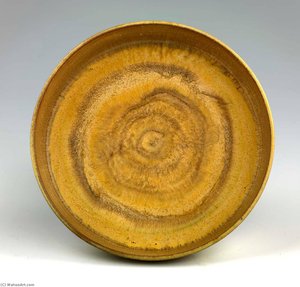
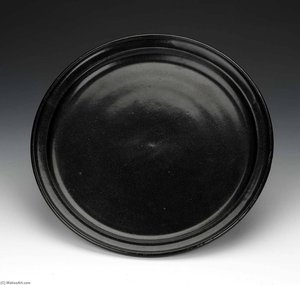
Large Plate from the Yellow Luncheon Service for Six


 Read More
Purchase a high-resolution, enhanced digital image, far superior to the online preview.
Each file is meticulously prepared by our in-house specialists using advanced tools and expert manual retouching. We ensure every image has exceptional clarity, precise color accuracy, and fine detail.
The final file is delivered via email within 72 hours, optimized for immediate use in professional, editorial, and print environments. This is the same quality trusted by top-tier design studios, publishers, and galleries.
Digital Image
Download a high-resolution file for personal display, printing, and creative projects. ( Buy Print Buy Hand Made Painting)
Included in Every Digital Image Order
Expert Digital Delivery, Guaranteed
When you choose ArtsDot.com, you're not just getting an image - you're receiving a professionally enhanced digital artwork, crafted with precision and backed by a satisfaction guarantee. Here's everything that comes with your order, automatically:

Fast Email Delivery
Your high-resolution digital image file will be emailed to you within 72 hours of ordering - ready for immediate use.

AI-Enhanced Digital File
Your artwork is professionally optimized using advanced AI tools and manual editing, ensuring maximum detail, clarity, and color accuracy.

Free Lifetime Re-Delivery
Accidentally deleted or lost your file? No worries - we'll resend it to you anytime, free of charge.

No Import Fees - Ever
Enjoy your artwork instantly with zero customs, duties, or delivery fees - digital downloads are always tax-free.

Color Accuracy Guarantee
We ensure your digital image reflects the original colors as closely as possible using professional tools and color management.

60-Day Satisfaction Guarantee
If you're not satisfied with your digital image, we'll revise it or refund 100% within 60 days - no questions asked.

100% Money-Back Guarantee
Not satisfied? Get a full refund within 60 days of receiving your digital file - no questions asked.

Bulk Order Discounts
Buy 3 images, save 10% - Buy 5, save 15% - Buy 10+, save 20%. Great for creative projects, galleries, and agencies.
Collectible Description
A Glimpse into Dadaist Domesticity: Beatrice Wood’s Luncheon Plate
This exquisite plate, measuring just 3 x 28 cm, is a captivating example of Beatrice Wood's contribution to the intersection of art and everyday life. Created in 1951, it hails from her celebrated *Yellow Luncheon Service for Six*, a project that embodies Wood’s unique artistic vision – one deeply rooted in Dadaist principles yet expressed through the functional beauty of ceramics. Rather than being merely tableware, these plates are miniature canvases showcasing Wood's mastery of luster glazes and her playful approach to form. The plate isn’t simply *of* the avant-garde; it *is* a tangible expression of it, bringing radical artistic ideas into the domestic sphere.The Allure of Luster & Artistic Lineage
Beatrice Wood was a pivotal figure in the American Dada movement, co-founding the influential journal *Blind Man* with Marcel Duchamp and Henri-Pierre Roché. Her work consistently challenged conventional notions of art, embracing experimentation and rejecting traditional aesthetic values. This plate exemplifies her later focus on studio pottery, specifically lusterware – a technique involving metallic oxides that create an iridescent, shimmering surface. The “yellow” in the service’s name refers to the dominant hue achieved through this process, lending each piece a warm, almost ethereal quality. Wood's dedication to craftsmanship and her embrace of "sophisticated primitives" are clearly visible here; it is both refined and possesses a raw, organic energy. The plate isn’t about perfect symmetry or flawless execution; it celebrates the beauty inherent in imperfection.Symbolism & The Echoes of Transformation
While seemingly simple in subject matter – a functional dinner plate – Wood imbues this piece with subtle layers of meaning. The swirling patterns within the glaze, reminiscent of water or flames, hint at themes of transformation and cyclical processes. This resonates with Dada’s broader interest in dismantling established structures and embracing chaos as a creative force. The circular form itself can be interpreted as representing wholeness, continuity, and the interconnectedness of life. More broadly, Wood's work often explored the tension between control and chance, evident in the unpredictable nature of luster glazes. The plate invites contemplation not just during meal times but as a standalone object of artistic merit.A Legacy Beyond *Titanic*
Beatrice Wood lived an extraordinarily long and vibrant life, dying just nine days after her 105th birthday. Her story gained renewed public attention with James Cameron’s film *Titanic*, where she partially inspired the character of Rose DeWitt Bukater – a testament to her enduring spirit and captivating persona. However, her artistic legacy extends far beyond this cinematic connection. This luncheon plate is not merely a collectible item; it's a piece of art history—a tangible link to a revolutionary moment in American art and a beautiful expression of one woman’s unwavering commitment to creative freedom. It would be an exceptional addition to any collection, bringing a touch of Dadaist elegance to both contemporary and traditional interiors.Related Artworks

Artist Biography
A Life Embracing Avant-Garde and Earthly Delights
Beatrice Wood, a name synonymous with both the rebellious spirit of Dada and the luminous allure of lusterware ceramics, lived an extraordinarily long and vibrant life that spanned over a century. Born in San Francisco in 1893 to affluent socialites, her path diverged dramatically from the expectations of her upbringing. The 1906 earthquake prompted a relocation to New York City, but it was a journey to Paris in 1911 that truly ignited Wood’s artistic awakening. Immersing herself in the city's cultural landscape, she studied acting at the Comédie-Française and honed her visual skills at the Académie Julian, absorbing the burgeoning currents of European modernism. This period wasn’t merely about acquiring technique; it was a formative experience that instilled within her a lifelong dedication to artistic expression and a willingness to challenge convention. Returning to New York, she briefly pursued an acting career with a French repertory company, but destiny beckoned her toward more radical endeavors.The “Mama of Dada” and the Provocations of Early Art
Wood’s entry into the heart of the avant-garde came through her connection with Marcel Duchamp and Henri-Pierre Roché. This encounter sparked a pivotal collaboration that would define her role in the nascent American Dada movement. Together, they co-founded and edited *The Blind Man* and *Rongwrong*, groundbreaking publications that served as platforms for challenging artistic norms and questioning societal values. These weren’t simply art magazines; they were manifestos of disruption, filled with provocative imagery and radical ideas. Wood's contribution wasn’t limited to editorial work—she actively participated in the movement’s iconoclastic gestures. Her submission to the Society of Independent Artists exhibition in 1917, “Un peu d'eau dans du savon” (A little water in soap), accompanied by the now-famous statement "As for plumbing, that is absurd…," became a defining moment, embodying Dada’s rejection of traditional aesthetics and its embrace of the absurd. The complex dynamic between Wood, Duchamp, and Roché—a blend of artistic collaboration and personal entanglement—later inspired Roché's novel *Jules et Jim*, cementing their place in cultural history. It was this fearless spirit and central role that earned her the affectionate moniker “Mama of Dada,” a testament to her influence and nurturing presence within the movement.A Californian Renaissance: From Rebellion to Refinement
In 1928, Wood embarked on a new chapter, relocating to Southern California. This move marked a significant shift in her artistic focus, leading her toward the world of ceramics. Initially exploring pottery through adult education classes, she soon sought guidance from Otto and Gertrud Natzler, renowned Modernist ceramicists who profoundly influenced her technical approach. In 1948, she established a studio in Ojai, California, where she dedicated herself to mastering the art of lusterware. Wood didn’t simply adopt existing techniques; she innovated, developing a unique method for applying iridescent luster surfaces during a single glaze firing—a process that set her apart from conventional ceramic practices. Her aesthetic sensibilities remained distinctly individualistic, consciously embracing what she termed “sophisticated primitives”—a style characterized by naive illustrative qualities and an appreciation for folk and primitive art forms. This wasn’t about replicating these styles; it was about infusing them with a contemporary sensibility and a personal vision.Legacy of Luster and Lasting Influence
Beatrice Wood's prolific output of lusterware ceramics—characterized by their shimmering surfaces, organic forms, and expressive designs—earned her widespread recognition. Her work was showcased in numerous solo museum exhibitions and sold through prestigious galleries and department stores. Beyond the art world, she received accolades for her broader contributions, serving as a Goodwill Ambassador to India in 1961. Perhaps surprisingly, her life story also found its way into popular culture; her autobiography, *I Shock Myself*, served as inspiration for James Cameron’s characterization of Rose DeWitt Bukater in the blockbuster film *Titanic*. Wood remained remarkably active until her death at the age of 105 in 1998, a testament to her enduring passion and creative energy. Her historical significance lies not only in her contributions to Dada and studio pottery but also in her embodiment of artistic independence and her unwavering commitment to self-expression. Today, her work is held in major museum collections worldwide, ensuring that the luminous legacy of Beatrice Wood—the “Mama of Dada” who embraced both rebellion and refinement—continues to inspire generations of artists and art lovers alike.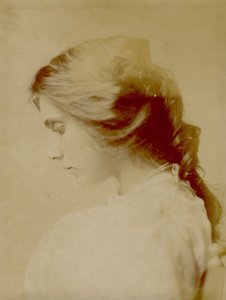
Beatrice Wood
1893 - 1998 , United States of America
Quick Facts
- Artistic Movement Or Style: Dada, Studio Pottery
- Artists Or Movements Influenced By This Artist:
- Dada movement
- Studio pottery artists
- Artists Who Influenced This Artist:
- Marcel Duchamp
- Henri-Pierre Roché
- Date Of Birth: March 3, 1893
- Date Of Death: March 12, 1998
- Full Name: Beatrice Wood
- Nationality: American
- Notable Artworks:
- Untitled (Dachshund)
- Large Plate from the Yellow...
- Gold Lustre Teapot
- Place Of Birth: San Francisco, USA

