 Preview
 Send
Send Share
Share
 Details

 Download
 Similars
 X-Ray
X-Ray Diaporama
Cup


 Read More
Hand Made Oil Reproduction
Hand-painted oil on canvas in your size and frame, made to order by our artists. ( Buy Print Buy Image)




P118B $10

P118H $10

P118W $10

P438Z $10

P508JH $12

P508YH $12

P805H $10

P805Z $10

P919BZ $10

P919G $10

P919XJ $10

P959ZH $10

P968JZ $12

W106C $8

W218G $10

W218JH $8

W218Y $10

W307PJ $10

W316G $10

W316PJ $8

W316Y $10

W398PJ $8

W4111J $10

W500HY $15

W500JH $15

W692G $12

W849H $8

W940BG $15

W953PJ $8




Pick from our preset sizes that match the artwork's original proportions.

You may enter your own dimensions to fit a specific frame or space. If your selected size does not match the original image's proportions, we will either crop the artwork or extend the painting with additional hand-painted elements. A digital mockup will be sent for your approval before production begins.
Please note that the on-screen preview does not reflect the actual cropping or extension. Only the mockup will accurately show the final composition.
While custom sizes are available, we recommend selecting a dimension from the predefined list to preserve the original proportions.
After order, ArtsDot.com team will email client for instructions and provide a mockup preview
Worldwide Delivery () in 3/4 weeks instead of standard 5 weeks. (16 August). No compromise on quality.

Free Worldwide Express Shipping

High-Quality Linen Canvas

Full Shipping Insurance

Customs Tax Refund Guarantee

True Color Matching Guarantee

60-Day Return Policy (Defects Only)

100% Money-Back Guarantee

Bulk Discount Offer
 Glass option is only available in size under 110 CM

Cup
Reproduction Medium
Reproduction Size
-


Total Price
$ 263
Artwork Description
Exquisite Craftsmanship and Elegant Design
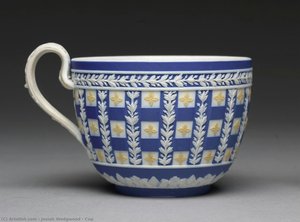
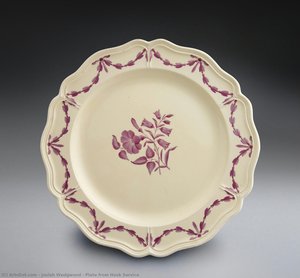
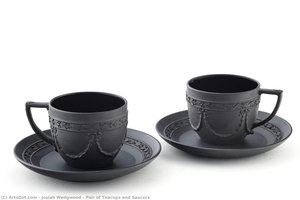
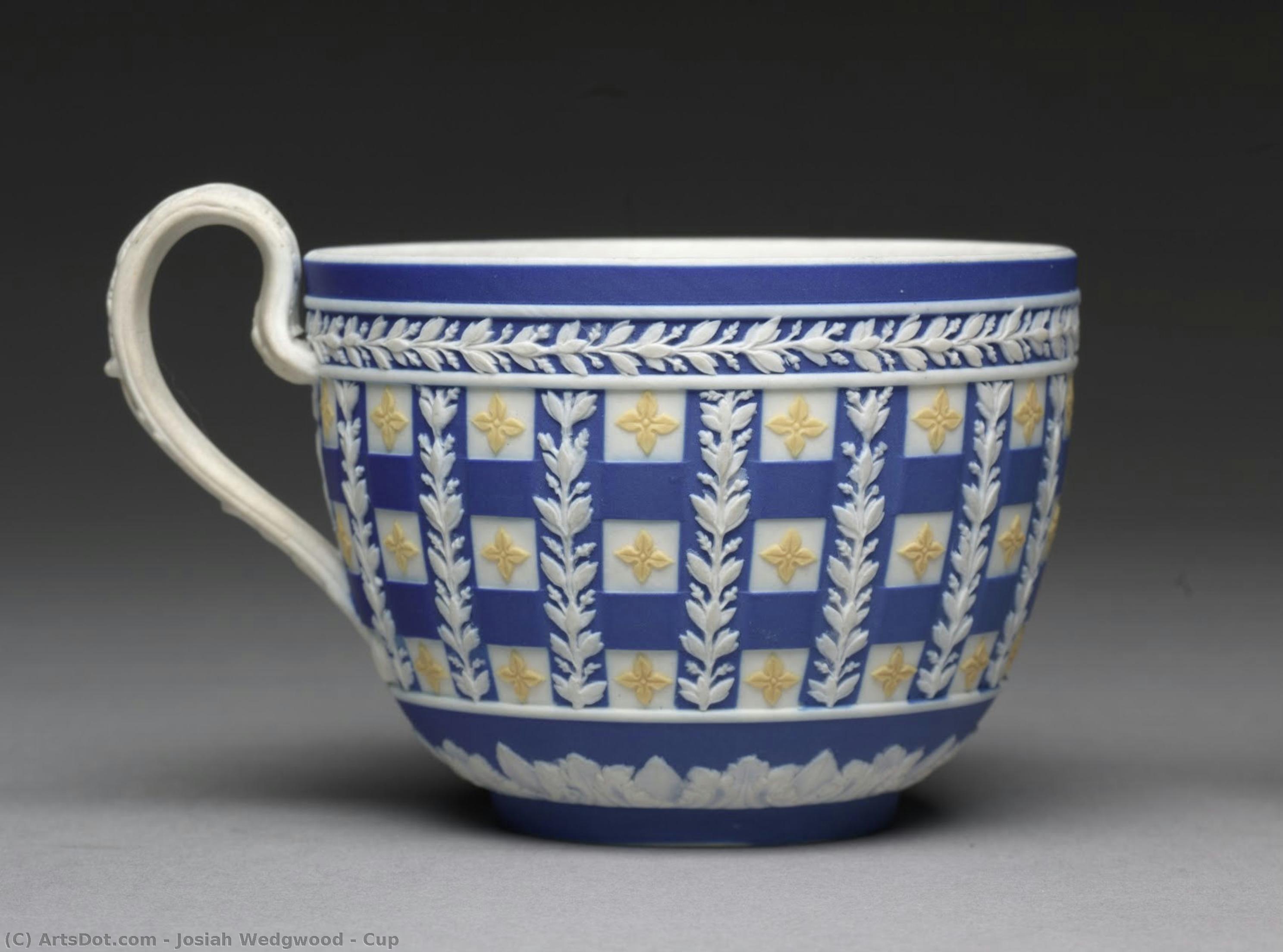
This finely crafted ceramic cup exemplifies the artistry and sophistication of 18th-century European ceramics. Its rounded, slightly bulbous form is both functional and aesthetically pleasing, featuring a gracefully curved handle that enhances its ergonomic appeal. The surface decoration showcases intricate geometric and botanical motifs, meticulously painted in a harmonious palette of deep blue, crisp white, and soft yellow. The precise lines and balanced composition reflect the high craftsmanship and attention to detail characteristic of the period’s decorative arts. This piece seamlessly combines utility with beauty, making it a striking addition to any collection or interior space.Historical Context and Artistic Style
Created in 1784, this ceramic cup is rooted in the rich tradition of European porcelain and faience, influenced by the classical European porcelain styles that gained popularity during the Enlightenment. The decorative motifs, arranged in a rhythmic grid pattern, draw inspiration from natural forms and geometric precision, embodying the era’s fascination with order, harmony, and natural beauty. The use of vibrant blue and white echoes the renowned European porcelain techniques, reminiscent of the celebrated Wedgwood and Delft styles, while the subtle yellow accents add warmth and visual interest. This piece reflects the cultural pride and technological advancements of its time, showcasing the mastery of ceramic artisans dedicated to elevating everyday objects into works of art.Symbolism and Emotional Impact
Beyond its decorative appeal, the motifs on this cup may symbolize themes of growth, fertility, and harmony—values highly regarded in the cultural context of the 18th century. The intricate patterns evoke a sense of refinement and sophistication, inspiring admiration and a sense of connection to the craftsmanship and cultural heritage of the period. The glossy glazed surface enhances the tactile experience, inviting viewers to appreciate the delicate relief and smooth finish. Whether displayed as a standalone art piece or used as a functional object, this ceramic cup evokes feelings of elegance, cultural pride, and timeless beauty, making it a meaningful addition to any collection or interior design.A Perfect Reproduction for Art Lovers and Interior Decorators
Ideal for collectors, art enthusiasts, and interior designers, this high-quality reproduction captures the essence of 18th-century ceramic artistry. Its detailed surface ornamentation and harmonious color scheme make it a versatile piece that complements both classic and contemporary interiors. Whether placed in a display cabinet, used as a decorative accent, or integrated into a curated collection, this ceramic cup offers a tangible connection to history and craftsmanship. It is not only a testament to the artistic achievements of its time but also an inspiring piece that elevates any space with its timeless elegance and cultural significance.Related Artworks
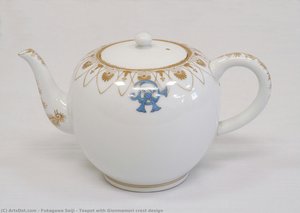
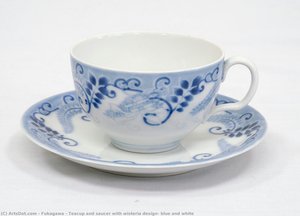
Artist Biography
A Legacy Forged in Fire: The Life and Art of Josiah Wedgwood
Josiah Wedgwood, born July 12, 1730, in the heart of England’s Staffordshire pottery district, was not merely a potter; he was an alchemist of clay, a pioneer of industrial design, and a fervent advocate for social change. Descended from generations steeped in the craft, Wedgwood inherited both a lineage and a landscape brimming with potential. However, his early life was marked by physical challenges – a bout of smallpox left him with a weakened knee, curtailing his ability to work directly at the potter’s wheel. This adversity, rather than hindering him, proved catalytic, forcing him inward toward experimentation and intellectual exploration that would redefine the very essence of ceramics. His initial apprenticeship under his brother Thomas was fraught with disagreement; Wedgwood possessed an innovative spirit that chafed against traditional methods, prompting him to seek independent avenues for his burgeoning ideas around 1751-1752. This restless pursuit of perfection laid the groundwork for a revolution in both artistry and manufacturing.The Birth of an Empire: Innovation and Artistic Development
In 1759, Wedgwood established his own pottery business, a pivotal moment that signaled the dawn of the renowned Wedgwood company. A formative partnership with Thomas Whieldon followed, a period of intense experimentation focused on achieving novel glazes. The breakthrough came with a vibrant, captivating green glaze – highly sought after and instantly recognizable – but Wedgwood’s ambition extended far beyond replicating existing techniques. He embarked on a systematic investigation into pottery bodies themselves, meticulously testing and analyzing materials to unlock their full potential. This relentless pursuit led to the development of creamware, a fine, white earthenware that quickly eclipsed porcelain in popularity due to its affordability and elegant aesthetic. Creamware wasn’t simply an alternative; it was a democratization of beauty, bringing refined tableware within reach of a wider audience. Wedgwood's dedication to quality control and standardization set him apart, establishing a new benchmark for the industry.Jasperware and Beyond: A Master of Material and Design
Wedgwood’s most enduring legacy lies in his invention of Jasperware in the 1770s. This fine-grained, unglazed stoneware, with its distinctive colored bodies – most famously the iconic “Wedgwood blue” – and applied reliefs, represented a triumph of both technical skill and artistic vision. The process was painstaking, requiring precise control over firing temperatures and material composition, but the results were breathtaking. Simultaneously, Wedgwood perfected transfer printing techniques, enabling intricate designs to be reproduced efficiently and affordably, further expanding access to beautiful ceramics. He wasn’t content merely creating objects; he was building a brand synonymous with quality, elegance, and innovation. His factories weren't simply workshops, they were laboratories of design, where artistry met industrial efficiency. Wedgwood pioneered the division of labor and standardized processes, laying the foundations for modern manufacturing practices. To showcase his creations, he established elaborate showrooms that appealed to both aristocratic patrons and a burgeoning middle class, understanding the power of presentation in shaping public perception.A Visionary Entrepreneur: Marketing, Activism, and Lasting Influence
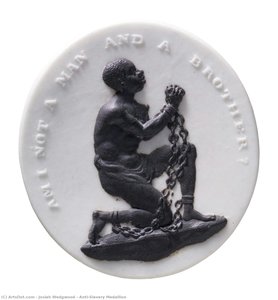
Josiah Wedgwood was far more than an artist; he was a visionary entrepreneur who understood the principles of modern marketing centuries before their formal articulation. He implemented strategies that were revolutionary for his time – direct mail catalogs, money-back guarantees, self-service showrooms, free delivery, and even “buy one get one free” promotions. These weren’t mere sales tactics; they were expressions of a deep understanding of consumer psychology and a commitment to building lasting relationships with his clientele. Beyond commerce, Wedgwood was a passionate abolitionist, actively campaigning against the horrors of slavery. He commissioned the powerful "Am I Not a Man and a Brother?" medallion – designed by Myrtle Young – a potent symbol of the anti-slavery movement that resonated deeply within British society and beyond. This commitment to social justice underscored his belief in the inherent dignity of all people. Influenced by classical Greek and Roman art, Wedgwood’s designs reflected the Neoclassical aesthetic prevalent during the 18th century. His legacy extends far beyond ceramics; he was a grandfather of Charles Darwin, linking him to another family renowned for scientific innovation. He died on January 3, 1795, leaving behind an indelible mark on art, design, industry, and social consciousness – a testament to the transformative power of vision, dedication, and unwavering principle.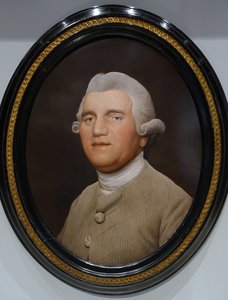
Josiah Wedgwood
1730 - 1795 , United Kingdom
Quick Facts
- Artistic Movement Or Style: Neoclassicism
- Artists Or Movements Influenced By This Artist:
- Darwin family
- Pottery industry
- Artists Who Influenced This Artist:
- Classical Greek art
- Classical Roman art
- Date Of Birth: July 12, 1730
- Date Of Death: January 3, 1795
- Full Name: Josiah Wedgwood
- Nationality: British
- Notable Artworks:
- Covered Pitcher
- Plate from Husk Service
- Pair of Teacups & Saucers
- Place Of Birth: Burslem, UK
Related Articles
The Alchemy of Clay: A Collector's Guide to the Mastery, Texture, and Timeless Form of Ceramic Art
Discover the profound beauty of ceramic art. Our expert guide explores the alchemy of clay, texture, and glaze, offering collectors deep insights into mastering earth and fire to create timeless, sculptural masterpieces for any curated collection.
18th Century Masters: 10 Artworks That Define an Era | ArtsDot
Journey through 18th century art! Explore 10 iconic paintings – from Rococo elegance to Neoclassical grandeur. Discover Fragonard, David & more. Find museum-quality reproductions and elevate your home decor on ArtsDot.com.
Reflections of an Age: Social Commentary & Artistic Representation in 18th-Century Society
Explore the social commentary & artistic representation of 18th-century society. Discover Rococo masterpieces, portraiture's power, and shifting historical perspectives. Expert insights for art lovers.
Reflecting Nobility & Nuance: 18th-Century Portraiture as a Window into Societal Values
Explore the world of 18th-century portraiture with ArtsDot. Discover symbolism, artistic innovation & societal values reflected in masterpieces by Reynolds, Hogarth & more. Expert insights for collectors.

Illuminating the Enlightenment: Art & Sociopolitical Context of the 18th Century
Explore the art of the Enlightenment! Discover Rococo's elegance, Neoclassicism’s virtue, & David’s revolutionary masterpieces. Uncover the sociopolitical context shaping 18th-century European painting.