The Alchemy of Clay: Understanding the Transformation from Earth to Eternal Form
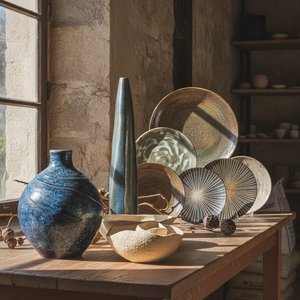 The Art of Ceramics: A Guide to Mastery, Texture, and Timeless Form for the Discerning Collector
The Alchemy of Clay: Understanding the Essence of Ceramic Mastery To touch a piece of fine ceramic art is to engage in a silent dialogue with the very foundations of our planet. There is an inherent, primordial magic in the transformation of humble e...
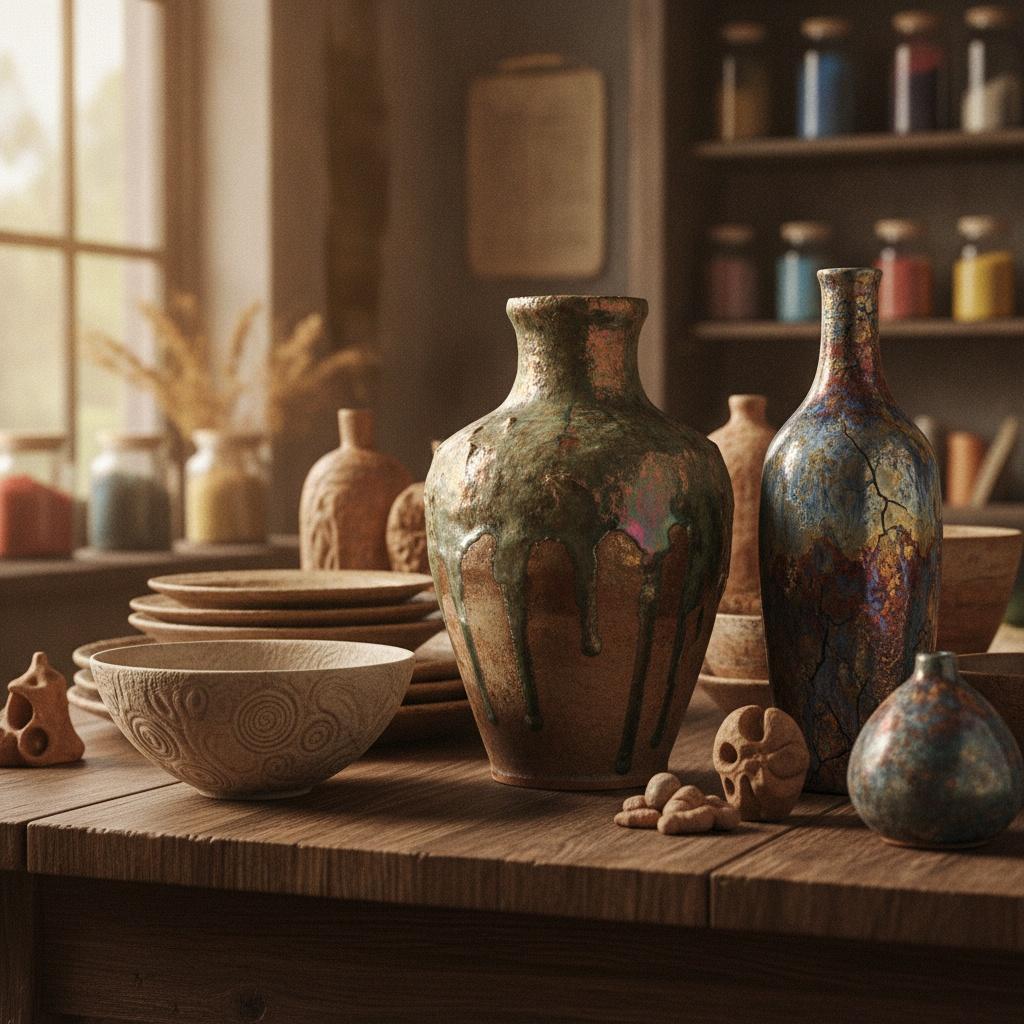
To touch a piece of fine ceramic art is to engage in a silent, profound dialogue with the very foundations of our planet. There is an inherent, primordial magic found in the transformation of humble, unrefined earth into a vessel of exquisite beauty—a process that many connoisseurs describe as true alchemy. This metamorphosis, where heat and human intention converge, allows the artist to guide volatile minerals through the furnace to emerge as something eternal. For the discerning collector, understanding this transition is essential; it is not merely about observing a finished object, but about recognizing the moment when raw matter transcends its utilitarian origins to become a sculptural testament to human willpower over elemental chaos.
This journey from dust to masterpiece begins with the selection of the medium itself. Whether it is the delicate, translucent grace of porcelain or the rugged, enduring strength of stoneware, the clay carries within it the history of the landscape from which it was excavated. When an artist masters the plasticity of this material, they are performing a feat of balance, recognizing precisely when the earth is receptive to the delicate touch of a finger and when it demands structural fortitude. This foundational stage sets the soul of the work, establishing a narrative of permanence that will endure long after the kiln has cooled.
Mastering the Elements: The Delicate Balance of Heat, Moisture, and Intention
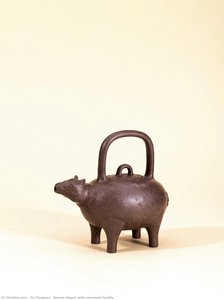 xu youquan
The Ceramic Visions of Xu Youquan: A Master of the Bovine Teapot Xu Youquan, a contemporary Chinese ceramic artist hailing from China, has quietly established himself as a significant figure in the world of pottery, particularly renowned for his exce...
The creation of significant ceramic art requires more than mere technical proficiency; it demands a sophisticated command over the volatile nature of fire and water. True mastery resides in the preparation of the medium and the precise choreography of temperature. An artist must possess an intimate understanding of mineral compositions and moisture levels, for even a slight deviation in the kiln's heat can alter the destiny of a piece. It is a high-stakes dance with the elements, where the artist guides the clay through intense thermal shifts, ensuring that the final form retains its integrity while achieving the desired vitrification.
This mastery is often most visible in works that push the boundaries of form and function. Consider the breathtaking precision found in contemporary Chinese ceramic art, such as the celebrated works of Xu Youquan. His ability to manipulate Zisha clay—a prized, porous material from Yixing—to create his iconic bovine teapots demonstrates a profound respect for the elemental constraints of the medium. In these works, the heat does not merely harden the clay; it fuses the artist's vision with the mineral essence of the earth, creating a seamless integration of anatomy and artistry that feels both organic and meticulously engineered.
Tactile Narratives: Exploring Texture, Glaze, and the Sensory Experience of Ceramics
 Bolesławiec pottery
Bolesławiec pottery (English: BOLE-swavietz, Polish: [bɔlɛ'swavjɛt͡s]), also referred to as Polish pottery, is the collective term for fine pottery and stoneware produced in the town of Bolesławiec, in south-western Poland. The ceramics are character...
If the clay provides the physical body of a sculpture, then texture and glaze provide its unique, expressive voice. In the realm of high-end ceramics, surface quality is a narrative element that invites the viewer to linger and experience the work through a multi-sensory lens. A matte, unglazed surface may evoke the weathered weight of ancient stone, grounding a piece in a sense of historical permanence and quiet strength. Conversely, a highly polished, vitreous finish can reflect light with a liquid brilliance, lending an air of modern opulence and ethereal lightness to even the most substantial forms.
The application of glaze is where the artist’s intention meets chemical complexity. The interplay between a smooth, glass-like surface and a rugged, tactile texture creates a depth that invites close inspection. For the collector, these nuances are what differentiate a mere object from a masterpiece. Whether it is the iconic cobalt blue patterns of Bolesławiec pottery or the subtle, tonal variations achieved through meticulous firing techniques, the surface of a ceramic work tells a story of movement, light, and the artist's hand. It is this tactile depth that transforms a vessel into a captivating sculptural experience.
From Folk Traditions to Fine Art: Discovering Iconic Ceramic Masters and Movements
 Georgia Blizzard
Georgia Blizzard: A Visionary Ceramic Artist Georgia Blizzard (1919 – 2002) stands as a singular figure in American folk art, recognized primarily for her extraordinary ceramic sculptures that embody a deeply personal and spiritual vision rooted in A...
The history of ceramics is a rich tapestry woven from both humble folk traditions and high-art movements. Throughout the centuries, ceramic art has moved between the utilitarian needs of daily life and the lofty aspirations of fine sculpture. We see this evolution in the works of artists like Georgia Blizzard, whose self-taught mastery of pit firing allowed her to translate her spiritual vision into evocative ceramic sculptures. Her work, rooted in the textures of the Appalachian landscape, demonstrates how personal heritage can be distilled into a universal language of form and symbol.
This lineage continues through contemporary institutions and masters who bridge the gap between tradition and innovation. From the prestigious collections of the Gardiner Museum of Ceramic Art to the modern explorations found in the American Museum of Ceramic Art (AMOCA), the medium continues to expand. We see the legacy of Portuguese claywork in the expressive voices of artists like Júlia Ramalho de Sousa, and the industrial brilliance of British craftsmanship in the Potteries Museum. Each movement and master contributes a new layer to our collective understanding, proving that ceramics is a living, breathing discipline that constantly redefines the boundaries of fine art.
Curating the Collection: How to Integrate Ceramic Art into Modern Interior Design
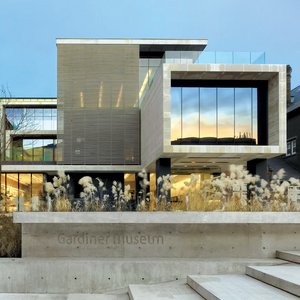 Gardiner Museum of Ceramic Art
A Sanctuary of Clay: Discovering the Gardiner Museum Toronto’s cultural landscape is enriched by a gem often quietly celebrated – the Gardiner Museum of Ceramic Art. More than simply a repository for ancient pots and delicate porcelain, it's a vibran...
For the modern collector, integrating ceramic art into a curated home is an exercise in creating harmony and resonance. Unlike traditional paintings, which often command attention from a distance, ceramics invite a more intimate engagement with the space. A well-placed stoneware piece can ground a room with its earthy weight, while delicate porcelain vessels can introduce a sense of light and airiness to a contemporary setting. The key to successful curation lies in considering the dialogue between the object's texture and the surrounding architectural elements.
When designing a space, one might look to the principles of color and mood to guide selection. A collection of ceramics with a unified palette—perhaps through shared glaze tones or mineral compositions—can create a cohesive visual flow throughout a home. For those looking to make a bold architectural statement, larger-scale ceramic sculptures can serve as focal points, much like a monumental painting. By treating ceramics not merely as decor but as essential sculptural components, the collector can transform a living space into a sanctuary of profound beauty and enduring cultural significance.
At ArtsDot.com, we believe that every home deserves to be a gallery of meaningful discovery. Whether you are drawn to the intricate textures of a handmade reproduction or seeking inspiration through our expert art consultations, we are here to help you navigate the beautiful complexities of the art world with confidence and joy.