The Rococo Era: A World of Aristocratic Indulgence
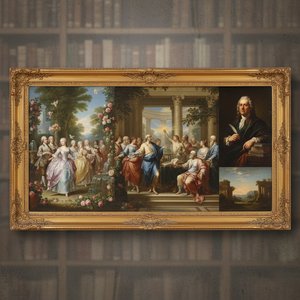
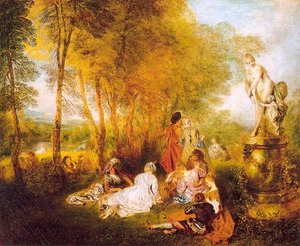
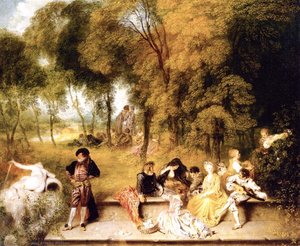
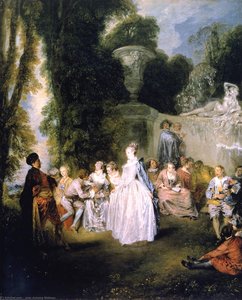
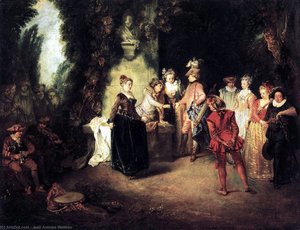
The 18th century, a period bookended by the grandeur of Louis XIV and the tumultuous French Revolution, witnessed an extraordinary flowering of artistic expression – most notably in the form of Rococo. Emerging as a reaction against the formality and power-driven aesthetic of the Baroque, Rococo embraced lightness, elegance, and playful ornamentation. It wasn’t merely a style; it was a reflection of a society increasingly focused on pleasure, intimacy, and the refined pursuits of the aristocracy. Versailles, once the epicenter of royal authority, saw a shift in focus as Louis XV favored smaller, more private residences like the Petit Trianon, spaces designed for leisurely enjoyment rather than ostentatious displays of power. This change permeated artistic production, moving away from monumental history paintings towards scenes of fêtes galantes – elegant outdoor gatherings filled with flirtation and idyllic landscapes. The Rococo palette favored pastel hues, delicate brushstrokes, and a shimmering quality achieved through the liberal use of gilding, creating an atmosphere of ethereal beauty and refined sensuality.
Artists like François Boucher epitomized this aesthetic, his canvases populated by graceful figures engaged in amorous pursuits amidst lush gardens. However, to view Rococo solely as frivolous escapism would be a disservice. It represented a deliberate cultivation of taste, a sophisticated understanding of color and composition, and a rejection of the rigid constraints of previous generations. The style wasn’t simply about depicting pleasure; it was about perfecting its representation, elevating it to an art form.
Beyond Fêtes Galantes: Unveiling Social Hierarchies in 18th-Century French Art
18th-century French art was dominated by the Baroque, Rococo and neoclassical movements. == History == In France, the death of Louis XIV in September 1715 led to a period of licentious freedom commonly called the Régence. The heir to Louis XIV, hi...
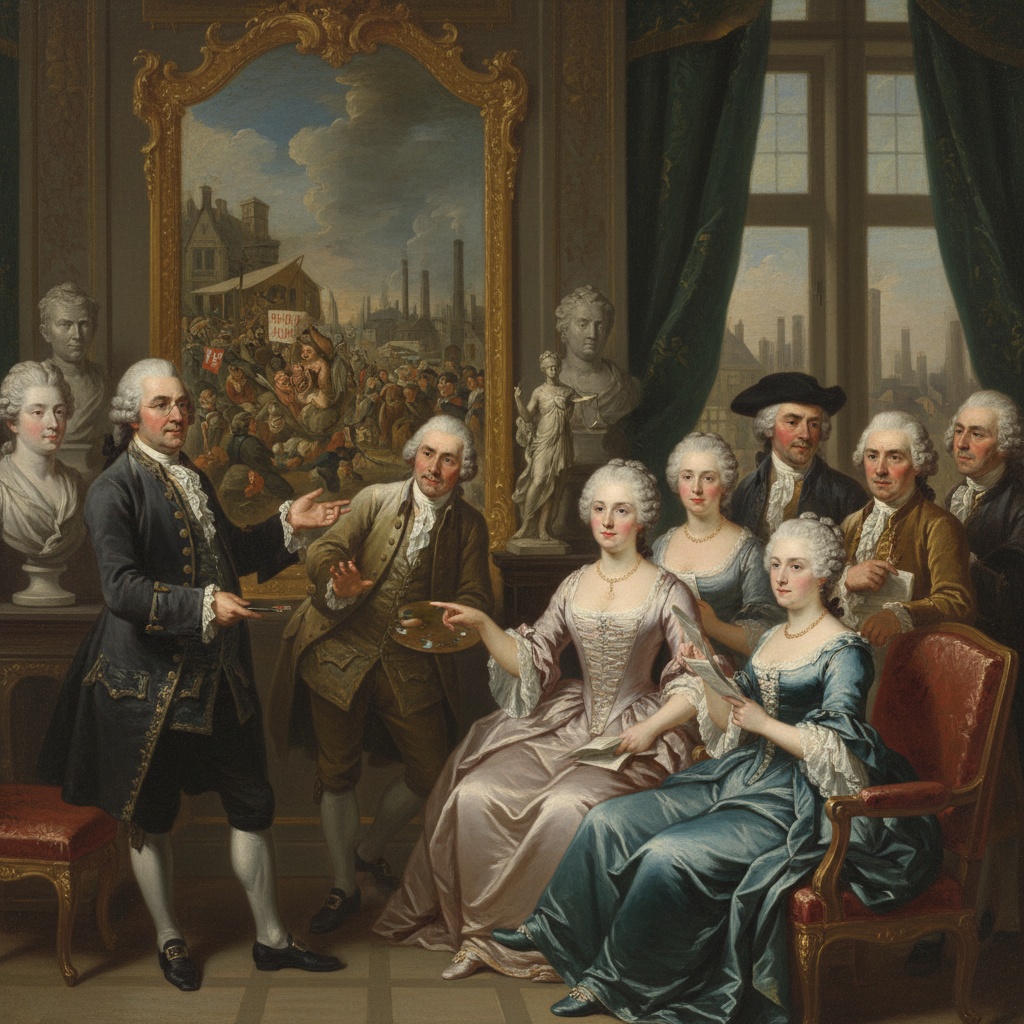
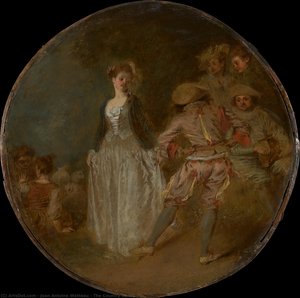
While Rococo paintings often present a vision of idyllic harmony, a closer examination reveals subtle yet significant clues about the social hierarchies that underpinned 18th-century France. The subjects of these paintings were almost exclusively members of the nobility and upper classes, their leisurely activities serving as both a celebration of their privilege and a reinforcement of their status. Even in scenes depicting seemingly innocent pastoral pursuits, distinctions of class are often subtly conveyed through clothing, posture, and setting. Antoine Watteau’s “Peasant Dance,” for example, while ostensibly portraying rural life, presents idealized peasants engaged in a stylized dance that bears little resemblance to the realities of peasant existence. The painting is less about accurately representing rural society and more about offering an aristocratic fantasy of rustic simplicity.
Furthermore, the very act of commissioning art was itself a demonstration of power and wealth. Patrons dictated subject matter, style, and scale, effectively controlling the narrative presented to the public. Artists were acutely aware of these dynamics, often tailoring their work to appeal to the tastes and sensibilities of their wealthy clientele. The prevalence of mythological scenes, allegories, and portraits served not only as decorative elements but also as vehicles for conveying social messages and reinforcing existing power structures.
The Rise of 'History from Below': Shifting Perspectives in Social History
Social history, often called history from below, is a field of history that looks at the lived experience of the past. Historians who write social history are called social historians. Social history came to prominence in the 1960s, spreading from s...
For centuries, historical narratives were largely dominated by the “Great Man” theory – a focus on the actions and achievements of kings, generals, and other prominent figures. However, beginning in the 1960s, a new field emerged known as social history, challenging this traditional approach. Social historians sought to understand the past from the perspective of ordinary people – their lived experiences, daily struggles, and collective movements. This shift was fueled by Marxist thought, which posited that societal change arose not from the actions of powerful leaders but from underlying economic and social forces.
Social history, often called “history from below,” aimed to complicate the popular belief that powerful individuals were solely responsible for shaping historical events. By examining sources such as parish records, letters, diaries, and material culture, historians began to reconstruct the lives of those who had been marginalized or ignored in traditional accounts. This approach revealed a far more complex and nuanced understanding of the past, highlighting the agency of ordinary people and their role in driving social change.
Portraits and Power: Representing Status and Identity
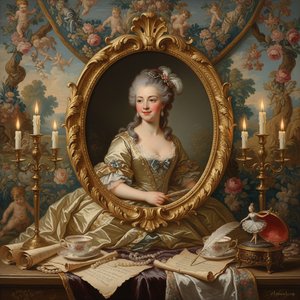
Portraiture flourished during the 18th century, serving as both a means of commemorating individual likenesses and a powerful tool for constructing and projecting social identity. Aristocratic portraits were particularly elaborate, often depicting subjects in opulent settings adorned with symbols of wealth, status, and taste. Artists like Jean-Baptiste van Loo excelled at capturing the refined elegance and self-assuredness of their patrons, meticulously rendering details of clothing, jewelry, and hairstyles to convey a sense of social standing.
The very pose adopted by the sitter could communicate volumes about their character and aspirations. A confident gaze, a relaxed posture, or the inclusion of specific objects – such as books, musical instruments, or exotic pets – all served to reinforce a carefully curated image. Portraits were not simply representations of physical appearance; they were statements of social ambition, political allegiance, and cultural refinement. The growing middle class also embraced portraiture, albeit on a smaller scale, using it to assert their own status and legitimacy within the evolving social landscape.
Moral Tales & Satire: Artistic Commentary on Societal Flaws
Despite its emphasis on pleasure and elegance, 18th-century art was not devoid of critical commentary. Artists like George Morland, while known for his depictions of everyday life, often incorporated subtle satirical elements into their work, exposing the hypocrisy and moral failings of society. His painting “The Soldier’s Return” offers a realistic portrayal of a returning veteran struggling to reintegrate into civilian life, challenging idealized notions of military glory.
Furthermore, artists like William Hogarth used their art as a form of social critique, creating series of engravings that exposed the vices and follies of contemporary society. His “Marriage A-la-Mode” is a scathing indictment of arranged marriages and the pursuit of wealth at the expense of genuine affection. These works demonstrate that even within a seemingly frivolous aesthetic like Rococo, there existed a strong undercurrent of social awareness and moral concern.
Venice as a Microcosm: Ca' Rezzonico and the Preservation of 18th-Century Life
No exploration of 18th-century art would be complete without acknowledging Venice – a city that served as a unique microcosm of European culture and artistic innovation. The Palazzo Ca’ Rezzonico, now a museum dedicated to the 18th century, offers an unparalleled glimpse into the opulent lifestyle and artistic achievements of Venetian society. Its breathtaking frescoes by Tiepolo and Guardi capture the grandeur of Venetian palaces and the elegance of its social gatherings.
The museum's collection also includes works by Canaletto, renowned for his precise cityscapes that meticulously document the canals, buildings, and daily life of Venice. Ca’ Rezzonico is not merely a repository of artistic treasures; it is a testament to the enduring legacy of 18th-century Venetian culture – a world of refined taste, artistic innovation, and social complexity. Through its paintings, sculptures, and decorative arts, the museum offers a captivating journey into a bygone era, allowing visitors to experience firsthand the beauty, elegance, and subtle social commentary that defined this remarkable period.
At ArtsDot.com, we are dedicated to bringing these masterpieces of history closer to you. Explore our extensive collection of handmade oil paintings and museum-quality prints, and discover the stories behind the art that shaped our world.