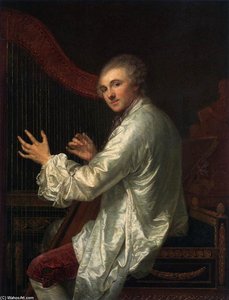

The Essence of Rococo: An Introduction to 18th-Century Splendor
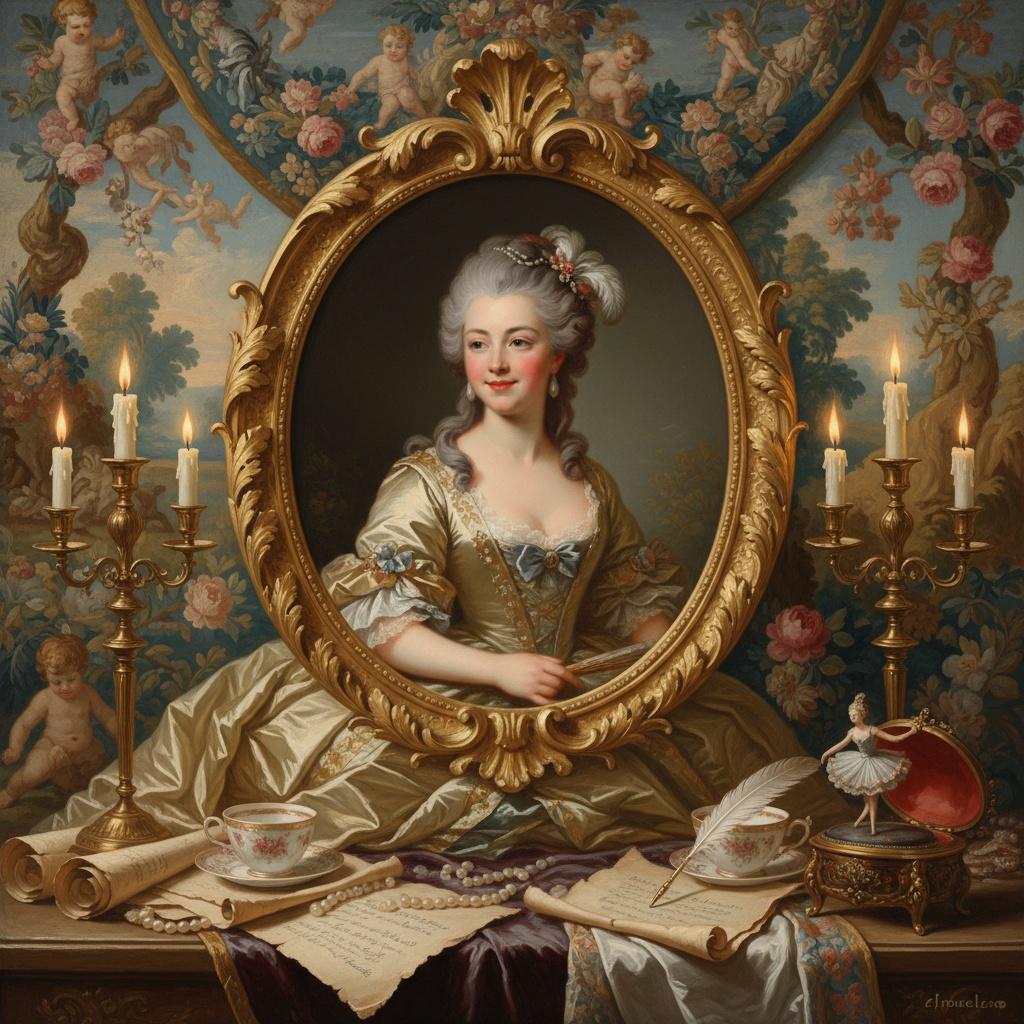
To step into the world of Rococo is to enter a realm where the rigid formalities of the Baroque era dissolve into a dreamscape of light, air, and unbridled charm. Emerging in the early 18th century, primarily within the French courts, the Rococo style represented a profound shift in the European aesthetic consciousness. It was an era that moved away from the heavy, dark, and imposing grandeur of Louis XIV toward a more intimate, playful, and decorative sensibility. This period celebrated the joie de vivre—the joy of living—through soft curves, asymmetrical flourishes, and a palette that seemed to capture the very essence of a sun-drenched morning.
At its heart, Rococo was an art of pleasure and intimacy. While the preceding century sought to awe through scale and power, the Rococo artist sought to enchant through nuance and grace. This transition allowed for a more personal connection between the viewer and the canvas, as the subject matter shifted from epic historical battles to the delicate nuances of social interaction, pastoral romance, and the quiet elegance of private life. It was a time when art became an extension of the beautifully ornamented interiors of the salons, where every gilded molding and silk tapestry whispered of refinement and leisure.
The Art of the Gaze: Psychological Depth and Grace in Rococo Portraiture
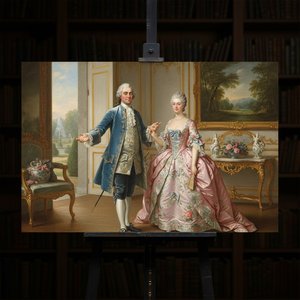
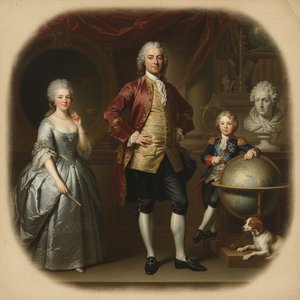
In the realm of portraiture, the Rococo era achieved a remarkable feat: it captured the soul through the lens of effortless grace. Unlike the stern, authoritative portraits of the past, Rococo subjects often possess a certain luminous vulnerability. There is a profound psychological softness in the way a sitter might tilt their head or offer a fleeting, enigmatic smile. This was not merely about documenting a face, but about conveying a temperament—one characterized by wit, charm, and a sophisticated ease.
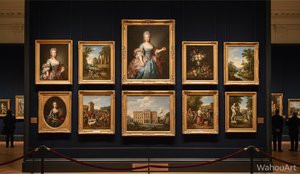
Consider the captivating works of masters like Jean-Marie Ribou, whose Portrait de François de Bourbon exemplifies this era's ability to blend historical significance with an intimate, elegant presence. The gaze in such portraits is rarely confrontational; instead, it invites the viewer into a shared moment of quiet reflection. Similarly, the works of Adélaïde Labille-Guiard bring a classical grace to her subjects, such as Marie Therese Louise, Victoire de France, where the sitter’s dignity is balanced by a soft, approachable humanity. These portraits do not just present an individual; they present an ideal of poised existence, where the subject appears perfectly at home within their own splendor.
A Symphony of Pastel and Light: The Technical Mastery of the Era
The technical brilliance of Rococo portraiture lies in its masterful manipulation of light and color. The palette of the 18th century was a delicate symphony of pastels—creamy whites, powder blues, soft rose, and mint greens. These hues were not chosen merely for their prettiness, but for their ability to create an atmosphere of weightlessness and luminosity. Artists utilized subtle glazes to allow light to penetrate multiple layers of paint, creating a skin tone that appears to glow from within, possessing a pearlesmic quality that is difficult to replicate.
The brushwork of this period often emphasizes texture and movement. There is a rhythmic fluidity in the way silk drapery is rendered, with highlights that catch the eye like sunlight dancing on water. This tactile quality is essential to the Rococo experience; the viewer can almost feel the weight of the heavy satin or the lightness of the lace. Through meticulous application, artists achieved a three-dimensional depth that transformed flat surfaces into windows of sensory delight. It is this interplay between the ethereal light and the tangible texture that gives Rococo art its enduring, living quality.
Symbols of Status: Fashion, Ornamentation, and Aristocratic Grandeur
While Rococo celebrated intimacy, it never abandoned the visual language of prestige. Portraiture served as a vital medium for displaying the intricate fashions and ornamental wealth of the aristocracy. Every detail within a frame—the delicate lace of a cuff, the precise arrangement of a powdered wig, or the shimmering embroidery of a waistcoat—functioned as a symbol of social standing. The clothing was not merely attire; it was an architectural feat of textile art, designed to enhance the silhouette and command attention.
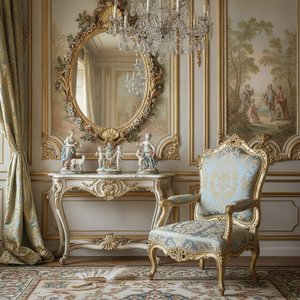
This ornamentation extended beyond the person to the surrounding environment. Portraits often featured elements of rocaille—the shell-like motifs from which the style takes its name—integrated into the background scenery or furniture. The presence of fine porcelain, gilded mirrors, and lush floral arrangements served to reinforce the sitter's connection to a world of curated beauty. In works such as François Hubert Drouais’s Marie Clotilde, we see how the subject is enveloped in an atmosphere of luxury, where the boundaries between the person and their opulent surroundings become beautifully blurred.
From Versailles to the Modern Salon: Preserving the Rococo Legacy
Though the political tides of the late 18th century eventually swept away the excesses of the Rococo, its aesthetic influence remains a cornerstone of classical beauty. The era's emphasis on light, grace, and decorative harmony continues to inspire designers, collectors, and art enthusiasts worldwide. Today, we do not merely look back at these works as historical artifacts; we experience them as timeless embodiments of elegance that can breathe life into contemporary spaces.
The preservation of this legacy is found in the continued appreciation for the craftsmanship of the Old Masters. Through high-quality reproductions and bespoke oil paintings, the spirit of the Rococo is kept alive, allowing the grandeur of the 18th century to reside within the modern home. Whether through a carefully selected Giclée print or a meticulously layered, hand-painted oil masterpiece, the charm of this era remains an accessible luxury for those who seek to surround themselves with the enduring power of human creativity.
At ArtsDot.com, we are dedicated to this preservation. As a global leader in art reproduction since 2004, we specialize in bringing the masterpieces of history to a modern audience. From custom oil paintings that capture every tactile brushstroke to museum-grade prints that ensure longevity, our mission is to make the elegance of the past a tangible part of your present. Whether you are looking to transform a personal photograph into a period-correct masterpiece or seeking an expert consultation to curate your collection, ArtsDot provides the bridge between historical splendor and contemporary living.