

 Preview
 Send
Send Share
Share
 Details

 Download
 Similars
 X-Ray
X-Ray Diaporama
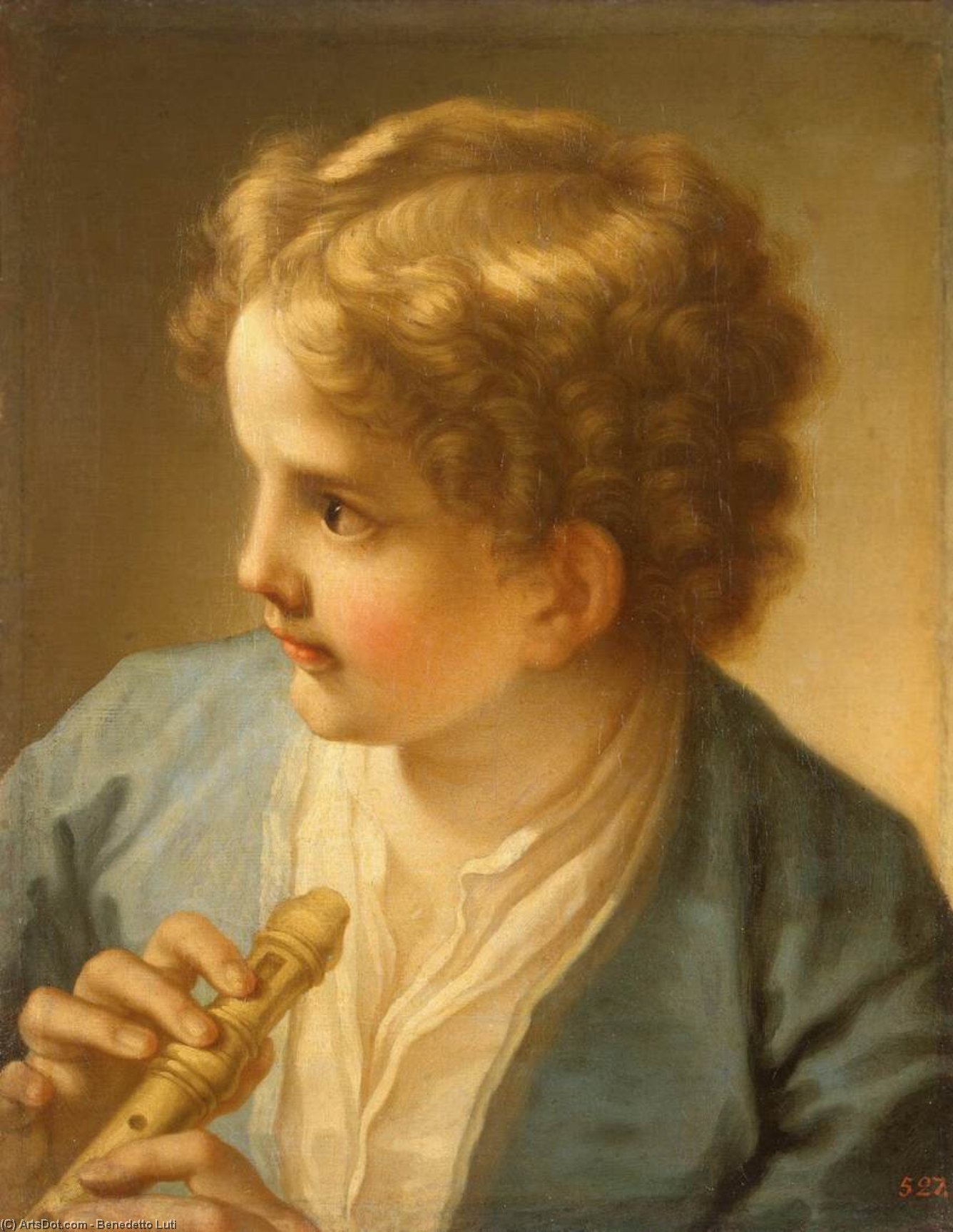
Boy with a Flute
 Acrylic On Canvas
- WallArt
- Baroque Portraiture
 1720
1720 42.0 x 33.0 cm
 Hermitage Museum
 Read More
Purchase a high-resolution, enhanced digital image, far superior to the online preview.
Each file is meticulously prepared by our in-house specialists using advanced tools and expert manual retouching. We ensure every image has exceptional clarity, precise color accuracy, and fine detail.
The final file is delivered via email within 72 hours, optimized for immediate use in professional, editorial, and print environments. This is the same quality trusted by top-tier design studios, publishers, and galleries.
Digital Image
Download a high-resolution file for personal display, printing, and creative projects. ( Buy Print Buy Hand Made Painting)
Included in Every Digital Image Order
Expert Digital Delivery, Guaranteed
When you choose ArtsDot.com, you're not just getting an image - you're receiving a professionally enhanced digital artwork, crafted with precision and backed by a satisfaction guarantee. Here's everything that comes with your order, automatically:

Fast Email Delivery
Your high-resolution digital image file will be emailed to you within 72 hours of ordering - ready for immediate use.

AI-Enhanced Digital File
Your artwork is professionally optimized using advanced AI tools and manual editing, ensuring maximum detail, clarity, and color accuracy.

Free Lifetime Re-Delivery
Accidentally deleted or lost your file? No worries - we'll resend it to you anytime, free of charge.

No Import Fees - Ever
Enjoy your artwork instantly with zero customs, duties, or delivery fees - digital downloads are always tax-free.

Color Accuracy Guarantee
We ensure your digital image reflects the original colors as closely as possible using professional tools and color management.

60-Day Satisfaction Guarantee
If you're not satisfied with your digital image, we'll revise it or refund 100% within 60 days - no questions asked.

100% Money-Back Guarantee
Not satisfied? Get a full refund within 60 days of receiving your digital file - no questions asked.

Bulk Order Discounts
Buy 3 images, save 10% - Buy 5, save 15% - Buy 10+, save 20%. Great for creative projects, galleries, and agencies.
Collectible Description
Benedetto Luti’s “Boy with a Flute”: A Masterpiece of Pastel Elegance
The Florentine artist Benedetto Luti (1666–1724) stands as an extraordinary figure in Baroque art, particularly renowned for his pioneering use of pastel—a technique that would profoundly influence subsequent generations of painters. While biographical details remain somewhat sparse, Luti’s artistic journey was undeniably shaped by the vibrant cultural landscape of Florence, where he absorbed the legacy of Renaissance grandeur and embraced burgeoning creative impulses. His relocation to Rome marked a pivotal moment in his career, propelling him into the epicenter of Baroque innovation and establishing him as an artist celebrated not merely for technical prowess but for audacious experimentation—a willingness to transcend established conventions and explore uncharted artistic territories.A Portrait Steeped in Symbolism
“Boy with a Flute,” painted circa 1720, exemplifies Luti’s distinctive approach to portraiture. Unlike the opulent grandeur often associated with Baroque commissions, this piece exudes understated elegance—a hallmark of Luti's stylistic signature. The subject is depicted in meticulous detail: a young boy seated against a muted wall backdrop, holding a flute poised delicately near his mouth. This seemingly simple composition belies a wealth of symbolic significance. The flute itself represents musical artistry and intellectual contemplation—themes frequently explored by Baroque artists as expressions of humanist ideals. Furthermore, the boy’s gaze directly engages the viewer, fostering a sense of intimacy and inviting reflection on themes of youthfulness, innocence, and aspiration.Technique: Pastel – A Revolutionary Medium
Luti's brilliance lay not only in his compositional vision but also in his masterful manipulation of pastel—a medium he championed as a final artistic finish. Prior to Luti’s breakthrough, artists predominantly utilized oil paints for portraiture, resulting in canvases characterized by rich textures and vibrant hues. Pastel offered an entirely different aesthetic experience—one defined by luminosity, softness, and ethereal delicacy. By applying pigment mixed with chalk or powdered pastel onto prepared paper, Luti achieved unparalleled tonal subtlety and nuanced color gradations that surpassed the capabilities of oil paint. This innovative technique allowed for a captivating illusion of depth and luminescence, capturing fleeting expressions of emotion with remarkable precision.Historical Context: The Rococo’s Delicate Influence
“Boy with a Flute” emerged during the transitional period between Baroque and Rococo styles—a moment when artistic sensibilities were shifting toward greater refinement and ornamentation. While Luti firmly rooted his work in Baroque principles, he undeniably absorbed influences from the burgeoning Rococo movement, which favored pastel hues, asymmetrical compositions, and playful decorative motifs. This fusion of stylistic elements underscores Luti’s artistic adaptability and demonstrates his ability to synthesize disparate traditions into a cohesive visual language—a testament to his enduring legacy as an innovator who reshaped the contours of European art history.Emotional Resonance: Capturing Transient Beauty
Ultimately, “Boy with a Flute” transcends mere representation; it embodies Luti’s profound understanding of human psychology and his capacity to evoke emotional resonance within the viewer. The painting's muted palette—dominated by shades of blue and white—creates an atmosphere of serenity and contemplation—reflecting the boy’s serene demeanor and conveying a sense of timeless beauty. Through meticulous attention to detail and masterful tonal control, Luti captures not only the physical appearance of his subject but also his inner spirit—a feat accomplished with remarkable sensitivity and artistic conviction. This enduring masterpiece continues to inspire admiration for its elegance, subtlety, and profound emotional impact.- Artist: Benedetto Luti
- Year: 1720
- Medium: Pastel on Paper
- Location: Hermitage Museum
- Boy with a Flute by LUTI, Benedetto – Web Gallery of Art
- Benedetto Luti – Artists Database
- Boy with a Flute – Artworks Database
- File:Boy with the flute Benedetto Luti (1720).jpg – Wikimedia Commons
Related Artworks
Artist Biography
A Florentine Master in Roman Splendor: The Life and Art of Benedetto Luti
Benedetto Luti, born in Florence on November 17, 1666, emerged as a pivotal figure bridging the grandeur of the Baroque with the delicate sensibilities of the Rococo. While details surrounding his earliest artistic training remain somewhat elusive, it’s clear he absorbed the vibrant artistic atmosphere of his native city—a cradle of Renaissance heritage and burgeoning creativity. Florence instilled in him a foundational skill set that would later flourish under the Roman sun, but it was in Rome that Luti truly discovered his unique voice, becoming celebrated not merely as a painter, but as an innovator who redefined the possibilities of pastel. His journey wasn’t simply one of technical mastery; it was a testament to artistic curiosity and a willingness to challenge conventional boundaries.Pioneering Pastel: A Revolution in Artistic Technique
Luti's lasting legacy rests upon his groundbreaking exploration of pastels. Prior to the late 17th century, pastel sticks were largely relegated to preparatory studies—a means to an end rather than a finished work in itself. Artists would use them for sketching compositions or underpainting canvases. Luti, however, perceived something more within this seemingly humble medium. He recognized its potential for achieving delicate tonal variations, capturing subtle nuances of light and shadow, and conveying a remarkable sense of intimacy. He elevated pastel to the status of a complete and expressive artistic technique, meticulously building up layers of color to create portraits that possessed an almost ethereal quality. This wasn’t merely about adopting a new material; it was about fundamentally altering the way portraiture could be conceived and executed. His mastery attracted the attention of Cosimo III de' Medici, Grand Duke of Tuscany, who became a crucial patron, enabling Luti to fully explore his artistic vision and establish a reputation that extended beyond Italy’s borders.A Versatile Artist: Beyond the Pastel Portrait
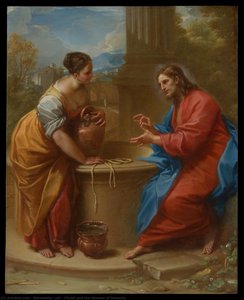
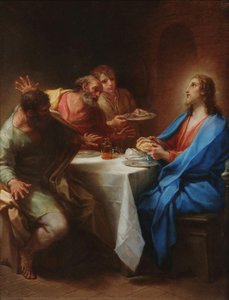
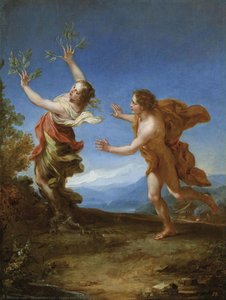
While Benedetto Luti is most readily associated with his exquisite pastel portraits, it's important to recognize the breadth of his artistic capabilities. He was a proficient oil painter and fresco artist, undertaking significant commissions that showcased his versatility. His work at the Basilica di San Giovanni in Laterano stands as evidence of his skill in large-scale decorative projects. Christ and the Woman of Samaria, completed between 1715 and 1720, exemplifies his ability to translate the dramatic narratives of religious scenes onto expansive surfaces with compelling dynamism. Beyond these grand commissions, Luti also produced works like Apollo and Daphne, demonstrating a command of mythological subjects and classical forms. His pastel portraits, however—such as Boy with a Flute (circa 1720)—remain his most iconic creations, capturing the personality and spirit of his sitters with remarkable sensitivity. These works weren’t simply likenesses; they were psychological studies rendered in shimmering color and delicate detail.Influence and Legacy: A Teacher and a Conduit
Luti's impact extended far beyond his own artistic output. He was a sought-after teacher, establishing a drawing school that attracted students from across Europe. Among his pupils were some of the most prominent artists of the following generation, including Giovanni Domenico Piastrini, Giovanni Paolo Panini, and—most notably—Pompeo Batoni. Batoni, who would become one of the leading portraitists of the 18th century, clearly absorbed Luti’s refined technique and sensitivity to character. Luti also operated as a successful art dealer, possessing an astute eye for quality and a deep understanding of the art market. In 1720, he was knighted by the Academy of St Luke in Rome and elected its ‘principe’ (leader)—a testament to his standing within the artistic community, though not without some debate regarding whether his body of work fully warranted such recognition. He continued to contribute to Roman churches until his death in 1724, leaving behind a legacy that continues to inspire artists and captivate audiences today. His pioneering use of pastel bridged the gap between Baroque grandeur and the more intimate style that characterized the Rococo period, solidifying his place as a significant figure in the history of art.Historical Significance: A Bridge Between Eras
Benedetto Luti’s historical significance lies not only in his technical innovations but also in his ability to synthesize diverse artistic influences. He drew inspiration from Baroque masters, evident in his dramatic compositions and attention to detail, yet he forged a path toward the more delicate and refined aesthetic of the Rococo. He was an artist who understood the power of both grandeur and intimacy, capable of creating works that were simultaneously imposing and deeply personal. His influence on subsequent generations of artists—particularly through his students—ensured that his techniques and sensibilities would continue to shape the course of European art. Luti’s work serves as a reminder that artistic progress is rarely about radical departures; it's often about subtle refinements, innovative applications of existing materials, and a willingness to explore new possibilities within established traditions. He remains a compelling figure—a Florentine master who found his true voice in the heart of Rome, leaving an indelible mark on the world of art.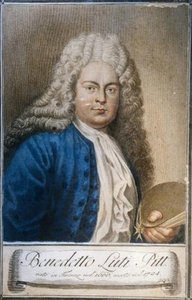
Benedetto Luti
1666 - 1724 , Italy
Quick Facts
- Artistic Movement Or Style: Baroque, Rococo
- Artists Or Movements Influenced By This Artist:
- Pompeo Batoni
- Rococo portraiture
- Artists Who Influenced This Artist: ['Baroque masters']
- Date Of Birth: November 17, 1666
- Date Of Death: 1724
- Full Name: Benedetto Luti
- Nationality: Italian
- Notable Artworks:
- Christ and the Woman...
- Boy with a Flute
- Apollo and Daphne
- Place Of Birth: Florence, Italy


.jpg)