 Preview
 Send
Send Share
Share
 Details

 Download
 Similars
 X-Ray
X-Ray Diaporama
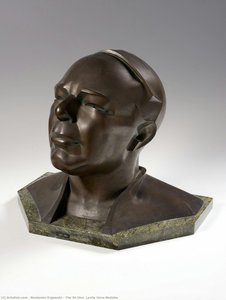
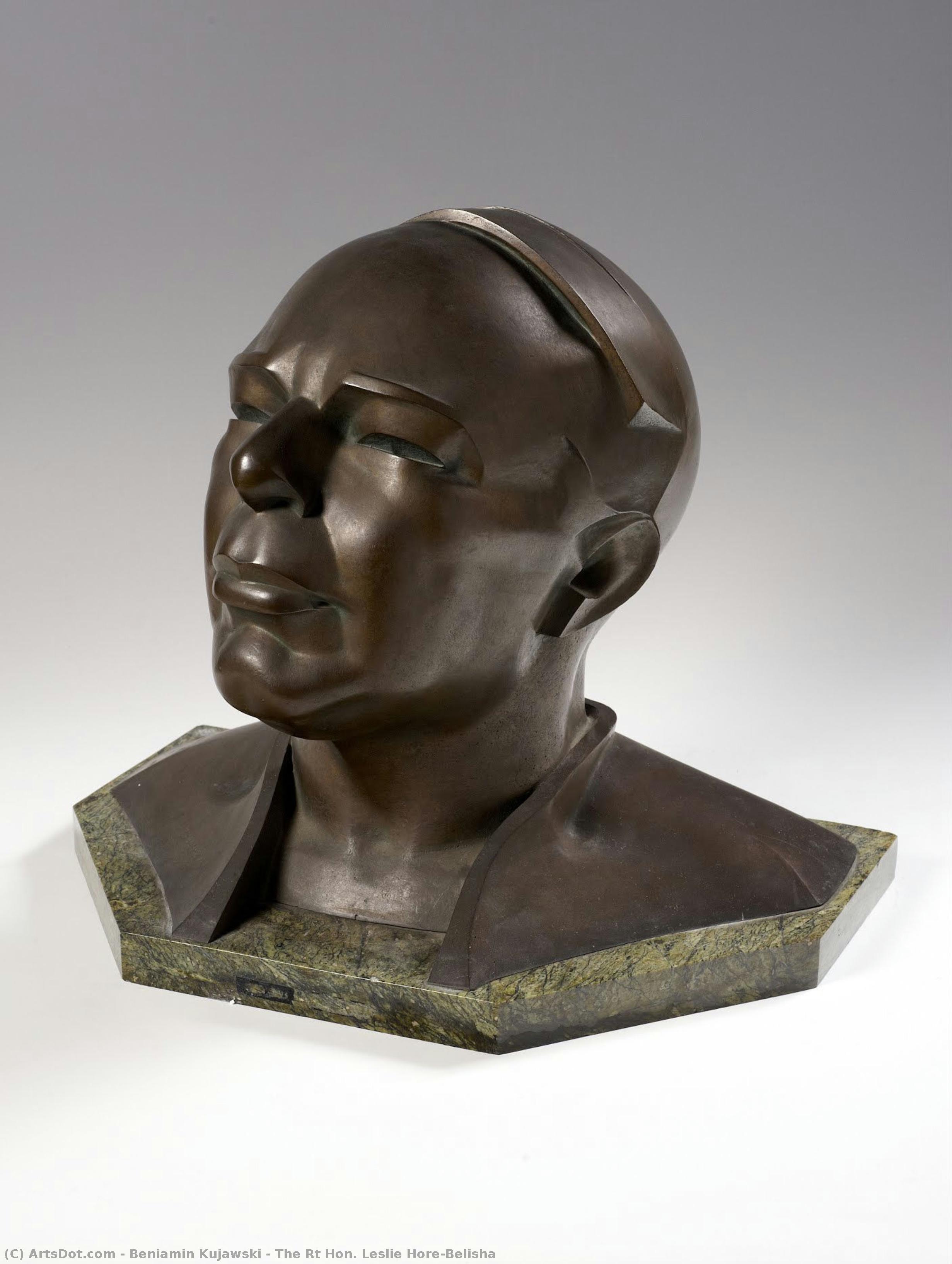
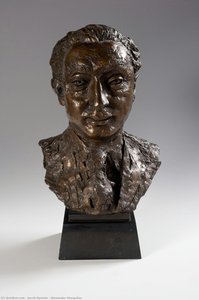
The Rt Hon. Leslie Hore-Belisha


 Read More
Hand Made Oil Reproduction
Hand-painted oil on canvas in your size and frame, made to order by our artists. ( Buy Print Buy Image)




































Pick from our preset sizes that match the artwork's original proportions.

You may enter your own dimensions to fit a specific frame or space. If your selected size does not match the original image's proportions, we will either crop the artwork or extend the painting with additional hand-painted elements. A digital mockup will be sent for your approval before production begins.
Please note that the on-screen preview does not reflect the actual cropping or extension. Only the mockup will accurately show the final composition.
While custom sizes are available, we recommend selecting a dimension from the predefined list to preserve the original proportions.
After order, ArtsDot.com team will email client for instructions and provide a mockup preview
Worldwide Delivery () in 3/4 weeks instead of standard 5 weeks. (23 August). No compromise on quality.

Free Worldwide Express Shipping

High-Quality Linen Canvas

Full Shipping Insurance

Customs Tax Refund Guarantee

True Color Matching Guarantee

60-Day Return Policy (Defects Only)

100% Money-Back Guarantee

Bulk Discount Offer
 Glass option is only available in size under 110 CM

The Rt Hon. Leslie Hore-Belisha
Reproduction Medium
Reproduction Size
-


Total Price
$ 263
Artwork Description
Related Artworks


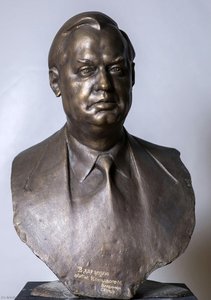
Artist Biography
Salvador Dalí: A Surrealist Visionary
Born Salvador Domingo Felipe Jacinto Dalí i Domènech in Figueres, Catalonia, Spain, on May 11, 1904, to a family steeped in both artistic and political currents, Salvador Dalí’s life was one of extraordinary eccentricity and profound creative output. His early years were marked by the loss of his mother at a young age, an event that profoundly shaped his later work, often exploring themes of death, memory, and the subconscious. His father, a Republican notary, instilled in him a strong sense of Catalan identity, while his maternal grandmother, a devout Catholic, introduced him to religious imagery – a duality that would become a recurring motif throughout Dalí’s oeuvre.
Dalí's formal artistic training began at the Real Academia de Bellas Artes de San Fernando in Madrid. However, he quickly grew disillusioned with the rigid academic traditions and sought inspiration elsewhere. He was deeply influenced by the burgeoning Cubist movement, particularly the work of Pablo Picasso and Georges Braque, which challenged traditional notions of representation and perspective. Simultaneously, Dalí became increasingly fascinated by Sigmund Freud’s theories on psychoanalysis and the interpretation of dreams, recognizing in them a pathway to unlock the hidden depths of the human mind – a key element that would define his surrealist approach.
The Rise of Surrealism and “The Persistence of Memory”
Dalí's artistic trajectory truly took shape during the 1920s, coinciding with the rise of Surrealism. He joined the group in Paris, embracing its core tenets of exploring the irrational, the dreamlike, and the subconscious. His distinctive style quickly emerged – characterized by meticulous detail, hyperrealism, and a deliberate juxtaposition of incongruous elements. This approach was dramatically showcased in his most iconic work, “The Persistence of Memory” (1931), often referred to as "Melting Clocks." This painting, depicting melting pocket watches draped over barren landscapes, perfectly encapsulates the surrealist fascination with time, decay, and the fluidity of reality.
Beyond “Persistence of Memory,” Dalí produced a vast body of work encompassing paintings, sculptures, drawings, and collaborations. He frequently employed symbolic imagery – ants representing death, eggs symbolizing birth and hope, and melting forms embodying the instability of perception. His meticulous technique, honed through years of rigorous training, allowed him to render these fantastical visions with startling clarity and precision, creating a captivating tension between the familiar and the bizarre.
Dalí’s Techniques and Influences
Dalí's artistic process was as unique as his subject matter. He meticulously prepared for each painting, often constructing elaborate sets and props to capture the precise atmosphere he envisioned. He employed a technique of “paranoiac-critical method,” developed in collaboration with Gala Éluard Dalí (his wife), which involved inducing a state of controlled paranoia to access subconscious imagery and translate it onto canvas. This process resulted in paintings that were both intensely personal and universally resonant.
Beyond Surrealism, Dalí drew inspiration from various sources – Renaissance art, particularly the works of Hieronymus Bosch and Diego Velázquez; classical mythology; and his own Catalan heritage. He was also deeply influenced by the work of Gustave Moreau, a Symbolist painter who explored dreamlike imagery and medieval themes. The influence of these diverse sources is evident in the rich symbolism and layered narratives that permeate Dalí’s art.
Legacy and Historical Significance
Salvador Dalí died on January 23, 1989, in Figueres, Spain. His work continues to captivate audiences worldwide, cementing his place as one of the most important artists of the 20th century. Beyond his artistic achievements, Dalí’s flamboyant personality and provocative pronouncements helped to popularize Surrealism and bring it into the mainstream consciousness. He was a master of self-promotion, utilizing film, advertising, and public appearances to further disseminate his vision.
Dalí's legacy extends beyond the realm of fine art. His distinctive imagery has been widely reproduced in popular culture, appearing on everything from fashion designs to household products. His work remains a powerful reminder of the boundless possibilities of the human imagination and the enduring fascination with dreams, memory, and the subconscious.

beniamin kujawski
1904 - 1952 , Poland
Quick Facts
- Artistic Movement Or Style: Surrealism
- Artists Or Movements Influenced By This Artist:
- Cubism
- Dada
- Impressionism
- Artists Who Influenced This Artist:
- Picasso
- Freud
- Borglum
- Date Of Birth: May 11, 1904
- Date Of Death: January 23, 1989
- Full Name: Salvador Felipe Jacinto Dalí i Domènech
- Nationality: Spanish
- Notable Artworks:
- Persistence of Memory
- The Golden Age
- Galatea of the Spheres
- Place Of Birth: Figueres, Catalonia, Spain
Related Articles

Bronze Age to Modern Masters: 10 Sculptures That Redefined Art | ArtsDot
Journey through art history with 10 legendary bronze sculptures – from Michelangelo's David to Rodin’s Thinker. Explore the stories, techniques & timeless beauty of these masterpieces. Find museum-quality reproductions & elevate your home decor on ArtsDot.com.

Bronze Sculptures That Defined Art History | ArtsDot
Journey through art history with our Top 10 bronze sculptures! Explore masterpieces by Rodin, Michelangelo & more. Discover stories behind iconic statues and find museum-quality reproductions for your home decor at ArtsDot.com.
The Enduring Legacy of Bronze: A Historical & Artistic Exploration for the Collector
Explore the rich history & enduring appeal of bronze sculpture with expert insights for collectors at ArtsDot. Learn about casting techniques, iconic artists, collecting tips & contemporary interpretations.
The Enduring Legacy of Bronze: History, Technique & Artistic Expression for the Collector
Explore the rich history & enduring appeal of bronze sculpture with expert insights for collectors at ArtsDot. Learn about casting techniques, iconic artists, and collecting tips.
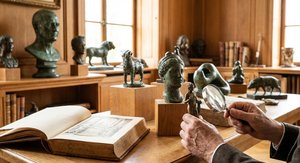
The Enduring Legacy of Bronze Sculpture: A Collector's Guide to Form & Cultural Significance
Explore the rich history & enduring appeal of bronze sculpture with expert insights for collectors at ArtsDot. Learn about casting techniques, iconic artists, and collecting tips to build a discerning art collection.