

 Preview
 Send
Send Share
Share
 Details

 Download
 Similars
 X-Ray
X-Ray Diaporama
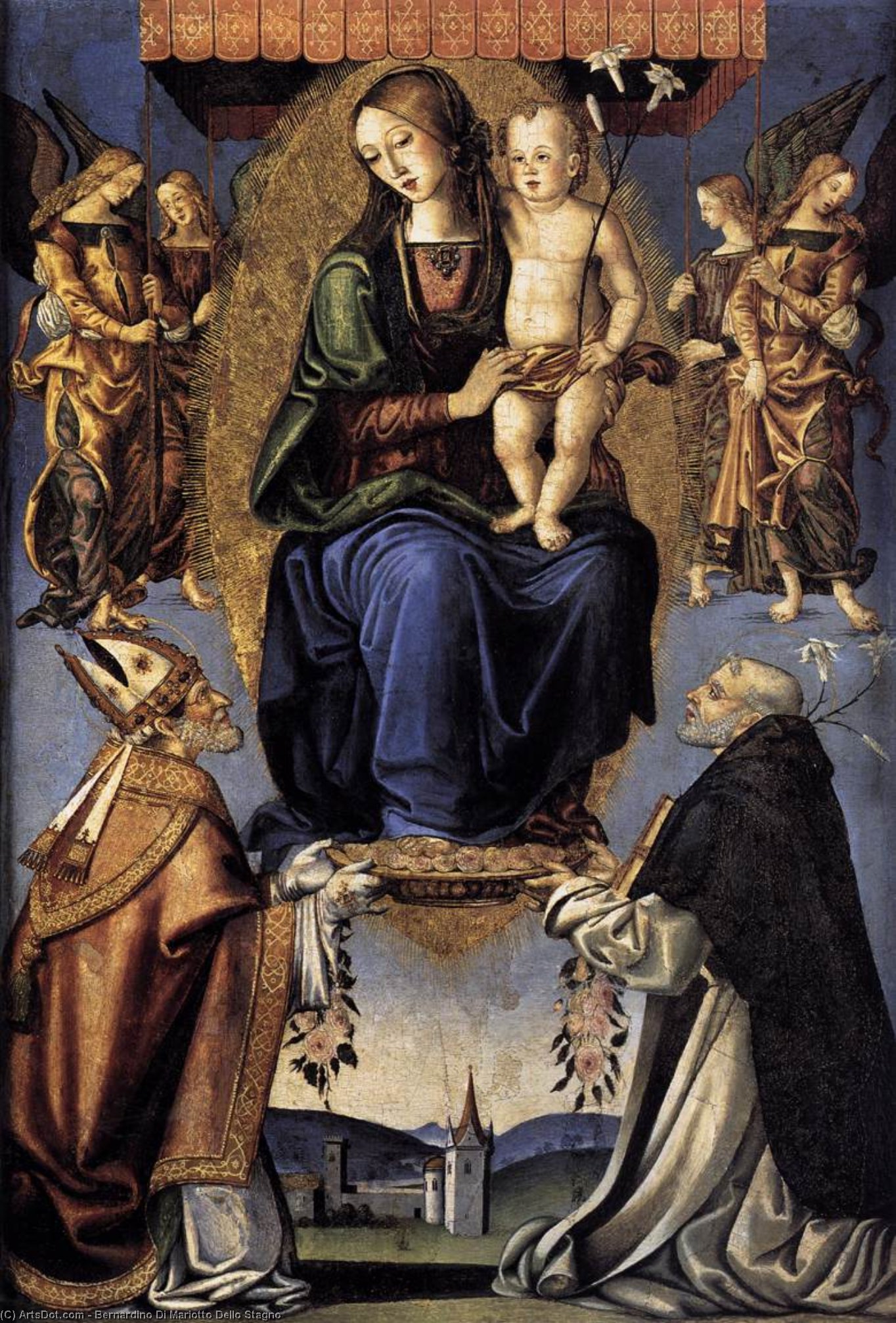
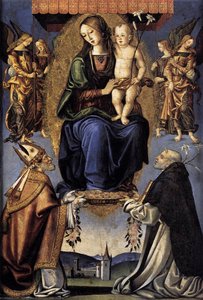
Madonna and Child with Sts Severino and Dominic
 Oil On Canvas
- WallArt
- Renaissance
 1512
1512- Renaissance
 50.0 x 34.0 cm
 Pinacoteca
 Read More
Hand Made Oil Reproduction
Hand-painted oil on canvas in your size and frame, made to order by our artists. ( Buy Print Buy Image)




P118B $10

P118H $10

P118W $10

P438Z $10

P508JH $12

P508YH $12

P805H $10

P805Z $10

P919BZ $10

P919G $10

P919XJ $10

P959ZH $10

P968JZ $12

W106C $8

W218G $10

W218JH $8

W218Y $10

W307PJ $10

W316G $10

W316PJ $8

W316Y $10

W398PJ $8

W4111J $10

W500HY $15

W500JH $15

W692G $12

W849H $8

W940BG $15

W953PJ $8




Pick from our preset sizes that match the artwork's original proportions.

You may enter your own dimensions to fit a specific frame or space. If your selected size does not match the original image's proportions, we will either crop the artwork or extend the painting with additional hand-painted elements. A digital mockup will be sent for your approval before production begins.
Please note that the on-screen preview does not reflect the actual cropping or extension. Only the mockup will accurately show the final composition.
While custom sizes are available, we recommend selecting a dimension from the predefined list to preserve the original proportions.
After order, ArtsDot.com team will email client for instructions and provide a mockup preview
Worldwide Delivery () in 3/4 weeks instead of standard 5 weeks. (16 August). No compromise on quality.

Free Worldwide Express Shipping

High-Quality Linen Canvas

Full Shipping Insurance

Customs Tax Refund Guarantee

True Color Matching Guarantee

60-Day Return Policy (Defects Only)

100% Money-Back Guarantee

Bulk Discount Offer
 Glass option is only available in size under 110 CM

Madonna and Child with Sts Severino and Dominic
Reproduction Medium
Reproduction Size
-


Total Price
$ 263
Artwork Description
A Divine Embrace in Renaissance Splendor
Gazing upon this depiction of the Madonna and Child with Sts Severino and Dominic, one is immediately transported into the luminous heart of the Italian Renaissance. The scene unfolds not merely as a portrait, but as a profound theological meditation rendered with exquisite grace. At its core rests the Virgin Mary, embodying serene motherhood, cradling the divine innocence of the Christ Child. Yet, the composition expands beyond this central triad; it is enriched by the solemn presence of two saints, Severino and Dominic, whose inclusion grounds the sacred narrative within a specific devotional context. The entire gathering is bathed in an atmosphere of heavenly tranquility, framed against a majestic backdrop of distant mountains that suggest both earthly permanence and divine expanse.
Mastery of Form and Light
Bernardino di Mariotto dello Stagno’s technique here speaks to the high achievements of Umbrian painting. The handling of light is particularly noteworthy; it seems to emanate from an unseen, celestial source, softly illuminating the rich draperies and lending a palpable glow to the figures' skin. Observe the meticulous detail in the rendering of the garments—the folds are treated with a sophisticated understanding of weight and flow, characteristic of artists deeply versed in classical ideals. The inclusion of multiple angels further elevates the technical display, as they serve not only as heavenly attendants but also as conduits for divine light, guiding the viewer's eye across the composition.
Symbolism Woven into Sacred Narrative
Every element within this painting whispers a story of faith and devotion. The Madonna herself represents humanity’s connection to the divine, while the Child Jesus points toward salvation. The flanking saints, Severino and Dominic, act as spiritual anchors, connecting the timeless mystery of the Incarnation to the tangible lives of piety and scholarship. Furthermore, the incorporation of angels—one hovering above Mary's head, others positioned on the right—creates a visual hierarchy, suggesting that this earthly gathering is witnessed and blessed by the celestial realm. The mountains in the distance are not mere scenery; they symbolize eternity and the enduring nature of divine truth.
A Timeless Presence for Modern Spaces
To bring such an artifact into a contemporary setting is to invite centuries of artistic contemplation into your home or sacred space. This piece, dating from 1512, offers collectors and designers a breathtaking opportunity to own a reproduction steeped in Renaissance grandeur. The scale, measuring approximately 50 x 34 cm, allows it to function as a powerful focal point without overwhelming a room’s decor. It speaks of humanism blended seamlessly with the sublime; it is art that invites quiet reflection, conversation, and an enduring sense of awe.
Related Artworks
Artist Biography
The Umbrian Dawn and Formative Years
Born amidst the vibrant cultural landscape of Perugia around 1478, Bernardino di Mariotto dello Stagno emerged as a significant voice in the Italian Renaissance. His early years were defined by rigorous training under the watchful eyes of masters such as Lodovico di Angelo Mattioli or perhaps Fiorenzo di Lorenzo. This formative period in Umbria was not merely an education in technique but an immersion into a world where meticulous detail and profound perspective were paramount. As he absorbed the stylistic precepts of his contemporaries, including the influences of masters like Carlo Carracci, Mariotto began to develop a unique artistic language—one that would eventually blend the grandeur of classical ideals with the intimate, regional traditions of his homeland.
A Wandering Spirit: Expansion of Style and Workshop
The trajectory of Mariotto’s career was marked by a restless movement through the heart of Italy, a journey that significantly enriched his stylistic repertoire. By 1502, he had established himself in San Severino Marche, where the influence of the studio of Lorenzo da San Severino the Younger and the works of Vittore Crivelli left an indelible mark on his brushwork. Following the death of Lorenzo in 1503, Mariotto demonstrated remarkable entrepreneurial spirit by taking over the workshop, a role that allowed him to sustain a prolific output for decades. His eventual return to Perugia in 1522 signaled a homecoming of a seasoned master, bringing with him new techniques and an expanded vision that would define his later years until his activity waned around 1541.
The Radiance of Devotion and Technical Mastery
At the heart of Mariotto’s oeuvre lies a profound devotion to religious subject matter, most notably in his celebrated compositions of the Madonna and Child. His works, such as the Madonna and Child with Sts Severino and Dominic, serve as theological meditations rendered with exquisite grace. In these pieces, one observes a masterful handling of light that seems to emanate from a celestial source, softly illuminating rich draperies and lending a palpable glow to the figures' skin. Through the innovative use of sfumato, he achieved a delicate interplay of light and shadow, creating an atmosphere of heavenly tranquility.
His monumental contributions are perhaps most visible in the frescoes adorning the Oratorio di San Bernardino in Perugia, where his collaboration with other prominent artists showcased a mastery of color and composition. These works remain a testament to the artistic fervor of the era, reflecting an artist who successfully bridged the gap between the spiritual and the tangible through:
- Meticulous attention to detail that captures the weight and flow of sacred garments.
- A profound understanding of perspective that grounds divine figures in a realistic space.
- The use of light as a narrative tool, guiding the viewer's eye through layers of heavenly attendants and soft, atmospheric landscapes.
bernardino di mariotto dello stagno
1478 - 1566 , Italy
Quick Facts
- Artistic Movement Or Style: Renaissance
- Artists Or Movements Influenced By This Artist: ['Carlo']
- Artists Who Influenced This Artist: ["Ludovico d'Agnolo Mattioli"]
- Date Of Birth: circa 1478
- Full Name: Bernardino di Mariotto dello Stagno
- Nationality: Italian
- Notable Artworks: ['Madonna and Child']
- Place Of Birth: Perugia, Italy
Related Articles

The Enduring Legacy of Oil on Canvas: Technique, History & Aesthetic Impact
Explore the rich history & techniques of oil painting – from Renaissance masters to Impressionism. Discover pigments, layering methods, and why this timeless medium endures. Expert insights for artists & art enthusiasts.

Oil on Canvas: A Historical & Technical Exploration of a Timeless Artistic Medium
Explore the rich history & enduring techniques of oil painting on canvas. Discover the science behind its longevity, conservation practices, and contemporary relevance. Expert insights for art enthusiasts.

Raphael's Masterpieces: 25 Iconic Paintings & Renaissance Art for Your Home
Explore 25 breathtaking Raphael paintings! Journey through the Italian Renaissance with masterpieces like 'School of Athens' & iconic Madonnas. Find museum-quality art reproductions and elevate your home decor on ArtsDot.com.

The Enduring Power of Painting: A Historical & Contemporary Exploration of Form and Emotion
Explore the rich history & enduring techniques of oil painting with ArtsDot. Discover masterpieces, learn about art collecting, and find authentic handmade reproductions crafted by skilled artists.

The Enduring Legacy of Oil on Canvas: Technique, History & Contemporary Practice
Explore the rich history & enduring techniques of oil painting on canvas. Discover the science behind its longevity, conservation practices, and contemporary relevance. Expert insights for art enthusiasts.

