 Preview
 Send
Send Share
Share
 Details

 Download
 Similars
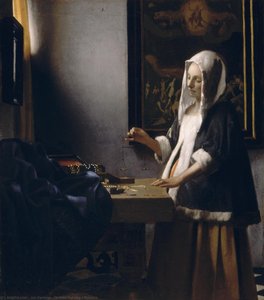
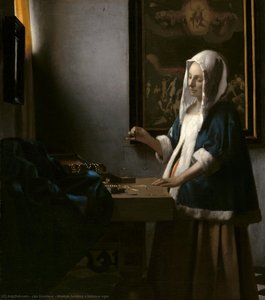
 X-Ray
X-Ray Diaporama
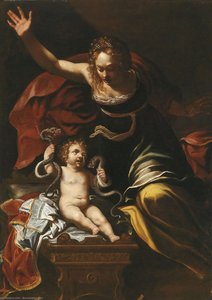
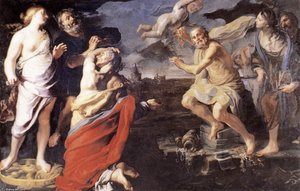
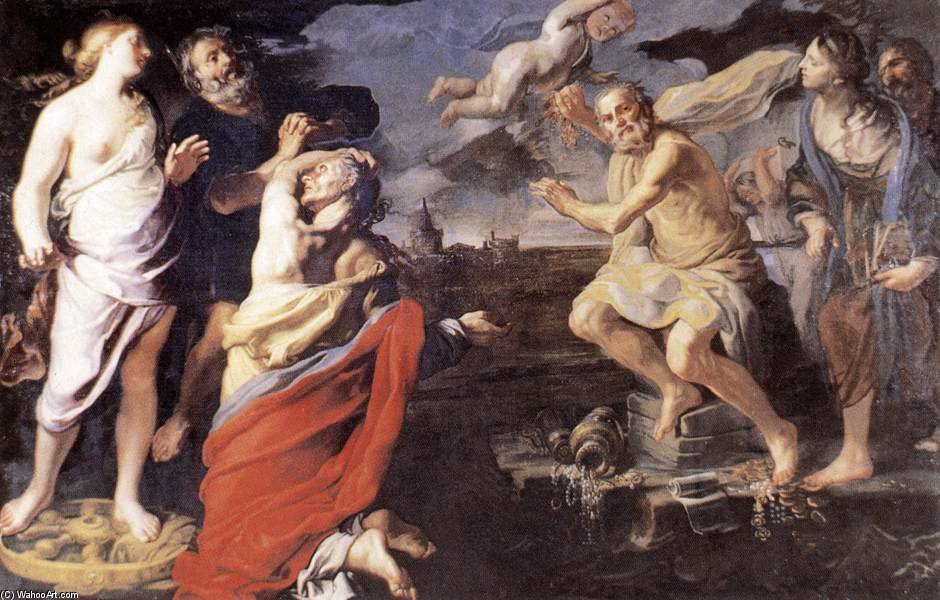
Allegory Of Fortune
 Read More
Hand Made Oil Reproduction
Hand-painted oil on canvas in your size and frame, made to order by our artists. ( Buy Print Buy Image)




































Pick from our preset sizes that match the artwork's original proportions.

You may enter your own dimensions to fit a specific frame or space. If your selected size does not match the original image's proportions, we will either crop the artwork or extend the painting with additional hand-painted elements. A digital mockup will be sent for your approval before production begins.
Please note that the on-screen preview does not reflect the actual cropping or extension. Only the mockup will accurately show the final composition.
While custom sizes are available, we recommend selecting a dimension from the predefined list to preserve the original proportions.
After order, ArtsDot.com team will email client for instructions and provide a mockup preview
Worldwide Delivery () in 3/4 weeks instead of standard 5 weeks. (20 August). No compromise on quality.

Free Worldwide Express Shipping

High-Quality Linen Canvas

Full Shipping Insurance

Customs Tax Refund Guarantee

True Color Matching Guarantee

60-Day Return Policy (Defects Only)

100% Money-Back Guarantee

Bulk Discount Offer
 Glass option is only available in size under 110 CM

Allegory Of Fortune
Reproduction Medium
Reproduction Size
-


Total Price
$ 263
Related Artworks

Artist Biography
The Dramatic Vision of Bernardino Mei
In the heart of the Italian Baroque, a period defined by its theatricality and emotional intensity, the name Bernardino Mei resonates as a master of movement and light. Born in Siena around 1612, Mei emerged from a rich artistic tradition, beginning his journey not with a brush, but with the precise, disciplined lines of an engraver. Under the guidance of the cartographer Giuliano Periccioli, he mastered the art of printmaking, a skill that would later inform the intricate details and structural clarity found in his grander canvases. His early years were a tapestry of diverse influences; moving through the studios of Rutilio Manetti and likely serving under Francesco Rustici, Mei absorbed the naturalistic nuances of the Sienese school before his talents drew him toward the monumental atmosphere of Rome.
The trajectory of Mei’s career was irrevocately altered by the patronage of the Chigi family, most notably Cardinal Fabio Chigi, who would later ascend to the papacy as Alexander VII. This connection provided Mei with the prestige and resources necessary to transition from a regional talent to a significant figure in the Roman art scene. By 1657, his presence in Rome allowed him to engage with the very pulse of the Baroque movement. He stood at the intersection of several great masters, absorbing the stylistic gravity of Mattia Preti, Andrea Sacchi, and Pier Francesco Mola. Perhaps most profoundly, the shadow of Guercino loomed large over his work; the influence was so potent that for centuries, certain monumental frescoes, such as the Aurora in Palazzo Bianchini Bandinelli, were mistakenly attributed to Guercino himself.
A Synthesis of Sculpture and Canvas
What truly distinguishes Mei’s mature period is his extraordinary ability to translate the three-dimensional energy of sculpture into the two-dimensional realm of painting. This achievement was fueled by a close and fruitful relationship with the legendary Gian Lorenzo Bernini. By frequenting Bernini’s studio, Mei learned to perceive composition through the lens of theatrical action and physical tension. He did not merely paint figures; he sculpted them with light and shadow, imbuing his mythological and allegorical subjects with a sense of muscular dynamism and expressive gesture that mirrored the marble masterpieces of his contemporary.
His works from the 1650s represent a pinnacle of this stylistic evolution. Moving away from the softer influences of his youth, Mei embraced complex rhythms and forms that captured the viewer's attention through sheer emotional power. His canvases often explored the heavy weight of classical history and the ethereal nature of allegory:
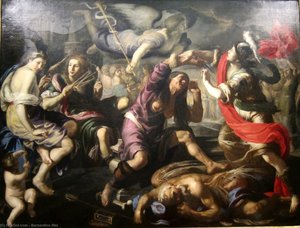
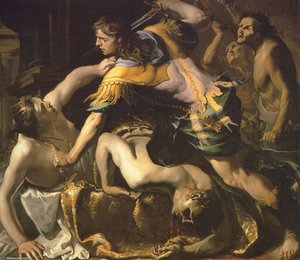
- Orestes Slaying Aegisthus and Clytemnestra: A masterpiece of tension, where the violence of the moment is rendered with breathtaking clarity and dramatic impact.
- The Charlatan: A fascinating, satirical glimpse into the streets of Siena, showcasing his ability to blend high drama with gritty, observational realism.
- Love Healed by Time with Water from the River Lethe: An intricate exploration of myth, demonstrating his command over symbolic narrative and fluid movement.
Through these works, Mei achieved a rare balance between the heavy naturalism of the early Baroque and the soaring, spiritual grandeur that would define the era's peak. His ability to weave together the tactile reality of human emotion with the sweeping drama of classical myth ensured his place in the pantheon of Italian masters.
Legacy of the Sienese Master
As Mei’s career progressed, he left an indelible mark on both Siena and Rome, leaving behind a legacy that continues to intrigue scholars and art lovers alike. His death in Rome in 1676 marked the end of a life dedicated to the pursuit of the sublime. While some of his works remain subjects of intense debate regarding attribution, there is no denying the singular voice he brought to the Baroque era—a voice that spoke of movement, light, and the profound drama of the human condition. Today, his paintings stand as enduring testaments to a period when art sought to bridge the gap between the earthly and the divine, captured through the masterful hand of a true visionary.
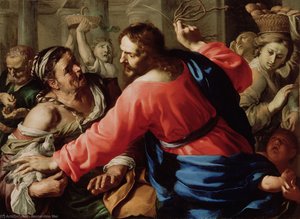
Bernardino Mei
1612 - 1676 , Italy
Quick Facts
- Artistic Movement Or Style: Baroque
- Artists Or Movements Influenced By This Artist: ['Bernini']
- Artists Who Influenced This Artist:
- Giuliano Periccioli
- Rutilio Manetti
- Francesco Rustici
- Mattia Preti
- Andrea Sacchi
- Guercino
- Date Of Birth: 1612 Siena Italy
- Date Of Death: 1676 Rome Italy
- Full Name: Bernardino Mei
- Nationality: Italian
- Notable Artworks:
- Szene Aus Der Kindheit Des Herkules
- Orestes Slaying Aegisthus And Clytemnestra
- Place Of Birth: Siena Italy