

 Preview
 Send
Send Share
Share
 Details

 Download
 Similars
 X-Ray
X-Ray Diaporama
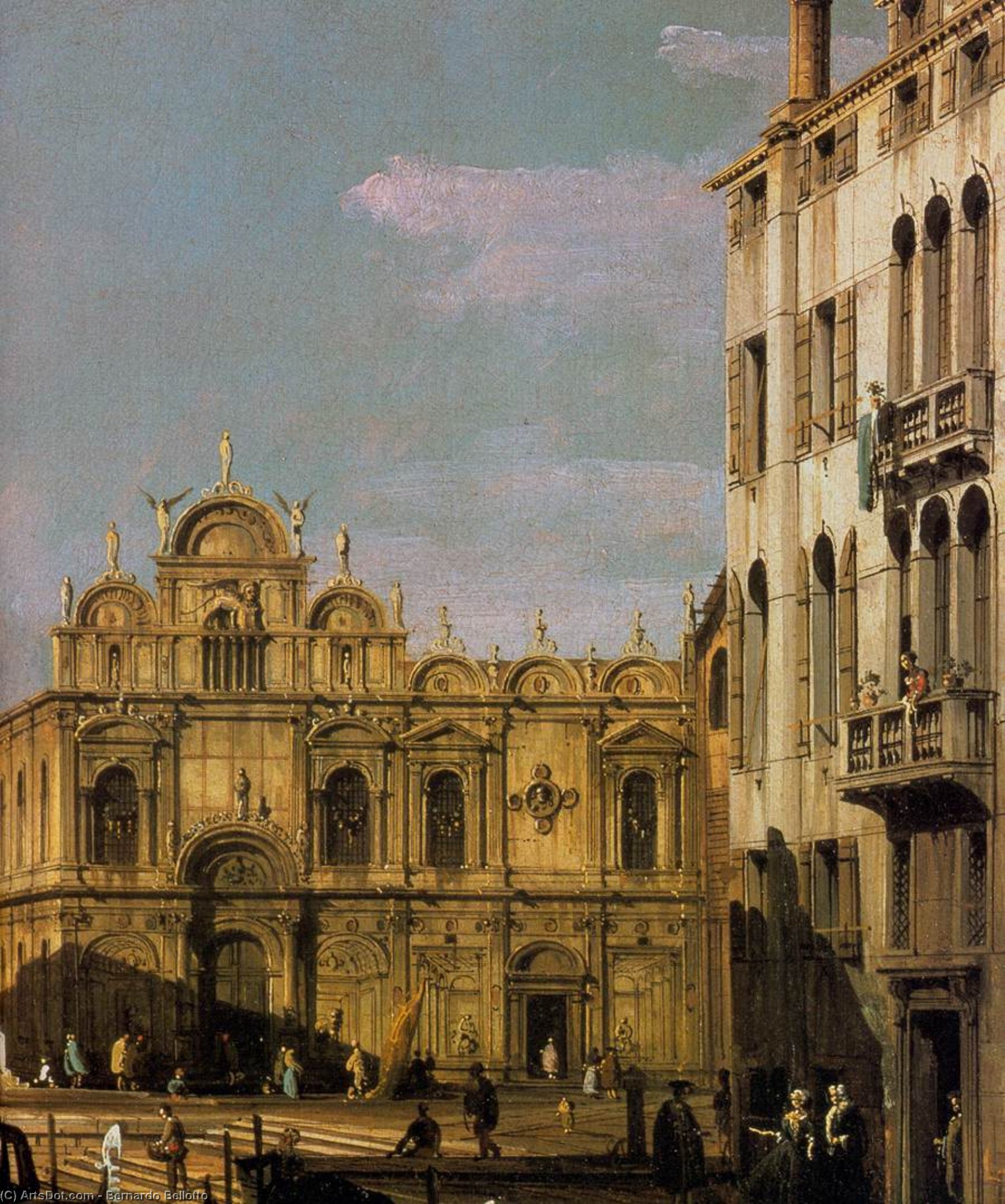
Rio dei Mendicanti with the Scuola di San Marco (detail)


 Read More
Purchase a high-resolution, enhanced digital image, far superior to the online preview.
Each file is meticulously prepared by our in-house specialists using advanced tools and expert manual retouching. We ensure every image has exceptional clarity, precise color accuracy, and fine detail.
The final file is delivered via email within 72 hours, optimized for immediate use in professional, editorial, and print environments. This is the same quality trusted by top-tier design studios, publishers, and galleries.
Digital Image
Download a high-resolution file for personal display, printing, and creative projects. ( Buy Print Buy Hand Made Painting)
Included in Every Digital Image Order
Expert Digital Delivery, Guaranteed
When you choose ArtsDot.com, you're not just getting an image - you're receiving a professionally enhanced digital artwork, crafted with precision and backed by a satisfaction guarantee. Here's everything that comes with your order, automatically:

Fast Email Delivery
Your high-resolution digital image file will be emailed to you within 72 hours of ordering - ready for immediate use.

AI-Enhanced Digital File
Your artwork is professionally optimized using advanced AI tools and manual editing, ensuring maximum detail, clarity, and color accuracy.

Free Lifetime Re-Delivery
Accidentally deleted or lost your file? No worries - we'll resend it to you anytime, free of charge.

No Import Fees - Ever
Enjoy your artwork instantly with zero customs, duties, or delivery fees - digital downloads are always tax-free.

Color Accuracy Guarantee
We ensure your digital image reflects the original colors as closely as possible using professional tools and color management.

60-Day Satisfaction Guarantee
If you're not satisfied with your digital image, we'll revise it or refund 100% within 60 days - no questions asked.

100% Money-Back Guarantee
Not satisfied? Get a full refund within 60 days of receiving your digital file - no questions asked.

Bulk Order Discounts
Buy 3 images, save 10% - Buy 5, save 15% - Buy 10+, save 20%. Great for creative projects, galleries, and agencies.
A Venetian Dream Frozen in Time: Bernardo Bellotto’s “Rio dei Mendicanti”
Bernardo Bellotto's "Rio dei Mendicanti with the Scuola di San Marco (detail)" isn’t merely a depiction of a canal; it’s a meticulously crafted window into 18th-century Venice, a city brimming with both opulent grandeur and quiet human struggle. Painted in 1738, this oil on canvas masterpiece captures a specific moment along the Rio dei Mendicanti – a waterway that served as the lifeblood of Venice's poorest inhabitants – offering a poignant glimpse into the social fabric of the era. Bellotto, nephew and student of the celebrated Canaletto, subtly departs from his uncle’s more straightforward realism, imbuing this scene with a richer, almost melancholic atmosphere, hinting at a deeper narrative beyond the picturesque facade.
The painting immediately draws the eye to the imposing Scuola di San Marco, a testament to Venetian architectural prowess. Its soaring façade, rendered in exquisite detail by Bellotto’s hand, stands as a symbol of both religious authority and civic pride. Yet, it's not simply a celebration of power; the Scuola’s shadowed corners and subtle variations in light suggest a building worn by time, reflecting the complexities of Venice itself – a city perpetually balancing wealth and poverty, beauty and hardship.
The Layers of Light and Shadow: Bellotto’s Technique
Bellotto's mastery lies not just in his ability to accurately reproduce architectural details but also in his profound understanding of light and shadow. He employs *chiaroscuro* – the dramatic contrast between light and dark – with breathtaking skill, transforming a simple canal scene into a theatrical spectacle. The warm glow emanating from unseen windows illuminates sections of the buildings, while deep shadows conceal hidden corners and create an illusion of depth that pulls the viewer directly into the heart of the painting.
Notice how Bellotto doesn’t simply paint what he sees; he *interprets* it. He subtly manipulates color and tone to evoke a specific mood – a sense of quiet contemplation, perhaps, or even a hint of sadness. The brushstrokes themselves are deliberate and controlled, contributing to the overall texture and richness of the canvas. The smooth surfaces of the buildings contrast with the slightly rougher application in areas suggesting stone and plaster, adding tactile interest to the composition.
A Window into Venetian Society
Beyond its aesthetic beauty, “Rio dei Mendicanti” offers a valuable insight into 18th-century Venice. The Rio itself was a vital artery for the city’s marginalized – the *mendicanti*, or begging monks and friars – who provided essential services to those in need. Bellotto doesn't shy away from depicting this reality, subtly integrating figures of the poor into the bustling scene along the canal. These individuals, rendered with quiet dignity, serve as a poignant reminder of the social inequalities that existed within Venice’s seemingly glamorous society.
The presence of the Scuola di San Marco further underscores this duality. While representing religious devotion and charitable works, it also stands as a symbol of the city's enduring power and wealth. Bellotto masterfully juxtaposes these elements, prompting viewers to contemplate the complex interplay between faith, poverty, and prosperity in Venice.
Symbolism and Emotional Resonance
“Rio dei Mendicanti” is more than just a landscape; it’s a carefully constructed narrative. The composition itself – with its converging lines and receding perspective – draws the eye towards the distant horizon, creating a sense of vastness and timelessness. The muted color palette, dominated by earthy tones and subtle shades of gray, contributes to the painting's somber mood, evoking a feeling of nostalgia for a bygone era.
Ultimately, Bellotto’s masterpiece invites us to step back in time and experience Venice as it was – a city of breathtaking beauty, profound social inequalities, and enduring human spirit. It is a testament to the artist's skill, his keen observation, and his ability to capture not just the appearance but also the essence of a remarkable place.
Related Artworks




Artist Biography
early life and training
bernardo bellotto, a renowned italian painter, was born in venice around 1721/2 or on january 30, 1721. he was the nephew and pupil of the famous giovanni antonio canal canaletto, a prominent figure in the venetian school of painting.artistic style and career
bellotto's artistic style was characterized by his elaborate representation of architectural and natural vistas, as well as the unique quality of each place's lighting. he was known for his exceptional skill in capturing the essence of urban landscapes, which led to his invitation to work for various european monarchs.- he traveled to rome (1742), northern italy (1744-1745), and later moved to dresden (1747-1758) at the behest of king august iii of poland.
- his works in dresden preserved the city's pre-war beauty, now destroyed.
- he received an invitation from empress maria theresa to work in vienna (1758), where he painted the city's monuments.
notable works and legacy
some of bellotto's notable works include:- view of the grand canal: santa maria della salute and the dogana from campo santa maria zobenigo (1743)
- architectural capriccio with a self-portrait of bellotto in the costume of a venetian nobleman
museums and collections
bellotto's works can be found in various museums, including the pinacoteca di vicenza in italy. to explore more of his artwork, visit [https://ArtsDot.com/@/bernardo bellotto](https://ArtsDot.com/@/bernardo bellotto) and discover the world of art.references
* /en/art/show/art-d3baj3-en/ * [https://www.wikiart.org/en/bernardo-bellotto/](https://www.wikiart.org/en/bernardo-bellotto/) * [https://fr.wikipedia.org/wiki/bernardo_bellotto](https://fr.wikipedia.org/wiki/bernardo_bellotto)
Bernardo Bellotto
1721 - 1780 , Italy
Quick Facts
- Artistic Movement Or Style: Vedute painting
- Artists Or Movements Influenced By This Artist: ['Urban reconstruction']
- Artists Who Influenced This Artist: ['Giovanni Canaletto']
- Date Of Birth: 1721
- Date Of Death: 1780
- Full Name: Bernardo Bellotto
- Nationality: Italian
- Notable Artworks:
- View of the Grand Canal
- Architectural Capriccio
- Place Of Birth: Venice, Italy

