 Preview
 Send
Send Share
Share
 Details

 Download
 Similars
 X-Ray
X-Ray Diaporama
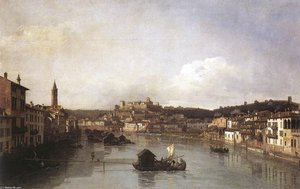
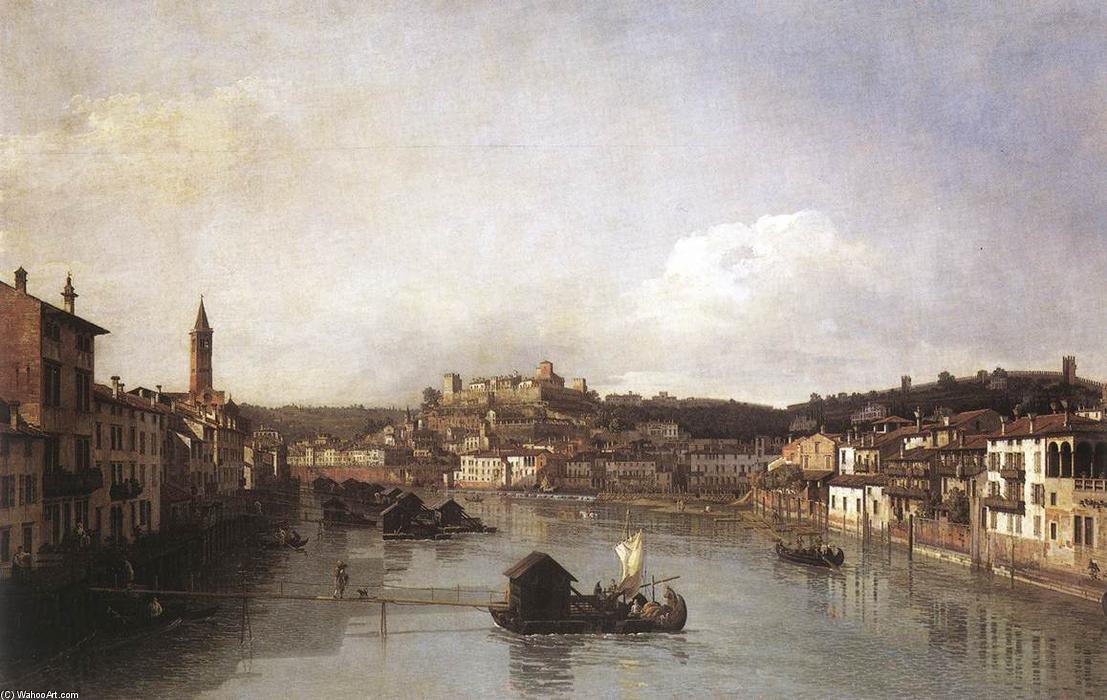
View of Verona and the River Adige from the Ponte Nuovo


 Read More
Hand Made Oil Reproduction
Hand-painted oil on canvas in your size and frame, made to order by our artists. ( Buy Print Buy Image)




P118B $10

P118H $10

P118W $10

P438Z $10

P508JH $12

P508YH $12

P805H $10

P805Z $10

P919BZ $10

P919G $10

P919XJ $10

P959ZH $10

P968JZ $12

W106C $8

W218G $10

W218JH $8

W218Y $10

W307PJ $10

W316G $10

W316PJ $8

W316Y $10

W398PJ $8

W4111J $10

W500HY $15

W500JH $15

W692G $12

W849H $8

W940BG $15

W953PJ $8




Pick from our preset sizes that match the artwork's original proportions.

You may enter your own dimensions to fit a specific frame or space. If your selected size does not match the original image's proportions, we will either crop the artwork or extend the painting with additional hand-painted elements. A digital mockup will be sent for your approval before production begins.
Please note that the on-screen preview does not reflect the actual cropping or extension. Only the mockup will accurately show the final composition.
While custom sizes are available, we recommend selecting a dimension from the predefined list to preserve the original proportions.
After order, ArtsDot.com team will email client for instructions and provide a mockup preview
Worldwide Delivery () in 3/4 weeks instead of standard 5 weeks. (2 September). No compromise on quality.

Free Worldwide Express Shipping

High-Quality Linen Canvas

Full Shipping Insurance

Customs Tax Refund Guarantee

True Color Matching Guarantee

60-Day Return Policy (Defects Only)

100% Money-Back Guarantee

Bulk Discount Offer
 Glass option is only available in size under 110 CM

View of Verona and the River Adige from the Ponte Nuovo
Reproduction Medium
Reproduction Size
-


Total Price
$ 263
Bernardo Bellotto’s Verona: A Venetian Echo in Saxon Light
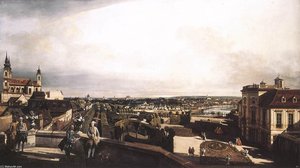
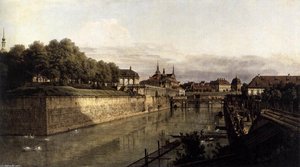
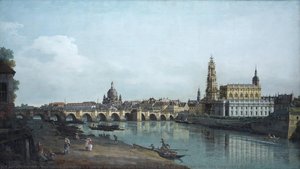
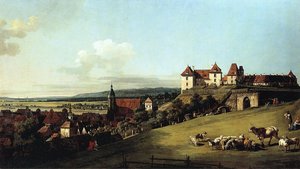
The canvas before you—"View of Verona and the River Adige from the Ponte Nuovo"—isn't merely a depiction of a city; it’s a carefully constructed memory, a distillation of light and atmosphere captured by Bernardo Bellotto in 1747. This remarkable veduta, or cityscape painting, transports us to the heart of Renaissance Verona, not as it was then, but as it *felt* – a vibrant, bustling hub viewed through the discerning eye of a Venetian master. Bellotto, a nephew and student of the celebrated Canaletto, possessed a unique gift: he didn’t simply record what he saw; he imbued his scenes with an emotional resonance, a sense of lived experience that elevates these paintings beyond simple topographical representations.
Bellotto's style is immediately recognizable – a harmonious blend of classical precision and subtle Venetian flair. He adheres to the conventions of 18th-century veduta painting, employing a flattened perspective characteristic of the era, yet he avoids the rigid formality often associated with this genre. Instead, he masterfully manipulates light and shadow, creating an illusion of depth that draws the viewer into the scene. The muted palette—earthy browns, ochres, and subtle blues—evokes the diffused light of a Venetian afternoon, lending the painting a dreamlike quality. Notice how the reflections shimmering on the river’s surface subtly mirror the buildings lining its banks, doubling the visual information and creating a captivating sense of spatial ambiguity.
The Ponte Nuovo: A Window into Daily Life
The focal point of this composition is undoubtedly the Ponte Nuovo itself – a vital artery connecting Verona to the surrounding countryside. Bellotto doesn’t present a grand architectural statement; rather, he focuses on the everyday life unfolding along its banks. Small boats navigate the waterway, carrying goods and passengers, while figures in period dress bustle about their business. The inclusion of details like the floating mills grinding corn speaks volumes about the city's economic activity and the rhythms of daily existence. This wasn’t a scene designed for royalty or nobility; it was a snapshot of Verona as experienced by its citizens.
The architectural elements—the Castel San Pietro, the Tower of Sant’Anastasia—are rendered with meticulous detail, reflecting Bellotto's training under Canaletto and his deep understanding of perspective. However, unlike Canaletto’s often idealized representations, Bellotto subtly introduces a sense of wear and tear, suggesting the passage of time and the realities of urban life. The buildings aren’t flawlessly pristine; they possess a certain weathered charm that adds to the painting's authenticity.
A Masterpiece in Context: Dresden and Beyond
Bellotto’s journey as an artist was marked by significant shifts in patronage and location. Initially working in Venice, he later accepted commissions from European monarchs, culminating in his tenure in Dresden under King August III of Saxony-Poland. This period proved particularly fruitful for Bellotto, allowing him to develop a distinctive style characterized by its atmospheric depth and nuanced use of light. The present painting was created during this time, reflecting the influence of his experiences in the East.
Interestingly, Bellotto’s Dresden views were intended to preserve the memory of the city before it was ravaged by Napoleon's armies. He meticulously documented its monuments and buildings, creating a visual record that served as both a historical archive and an artistic statement. This dedication to preserving beauty in the face of destruction is evident in the care with which Bellotto renders each detail in "View of Verona," capturing not just the appearance of the city but also its essence.
Symbolism and Emotional Resonance
Beyond its technical brilliance, “View of Verona” possesses a subtle yet powerful symbolic resonance. The painting speaks to the enduring spirit of Venice—a city renowned for its beauty, resilience, and artistic legacy—and its influence on Bellotto’s work. The river itself acts as a metaphor for time, flowing relentlessly onward while carrying with it the memories of generations past. The muted colors and diffused light evoke a sense of tranquility and contemplation, inviting the viewer to lose themselves in the scene's timeless beauty.
Bellotto’s mastery lies not just in his technical skill but also in his ability to capture the *feeling* of a place—the warmth of the sun on stone, the murmur of voices in the streets, the sense of belonging that comes from being part of a vibrant community. This painting is more than just a landscape; it’s an invitation to step into another world and experience Verona through the eyes of a Venetian master.
Related Artworks

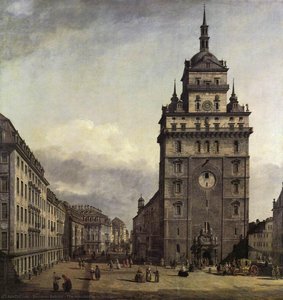
Artist Biography
early life and training
bernardo bellotto, a renowned italian painter, was born in venice around 1721/2 or on january 30, 1721. he was the nephew and pupil of the famous giovanni antonio canal canaletto, a prominent figure in the venetian school of painting.artistic style and career
bellotto's artistic style was characterized by his elaborate representation of architectural and natural vistas, as well as the unique quality of each place's lighting. he was known for his exceptional skill in capturing the essence of urban landscapes, which led to his invitation to work for various european monarchs.- he traveled to rome (1742), northern italy (1744-1745), and later moved to dresden (1747-1758) at the behest of king august iii of poland.
- his works in dresden preserved the city's pre-war beauty, now destroyed.
- he received an invitation from empress maria theresa to work in vienna (1758), where he painted the city's monuments.
notable works and legacy
some of bellotto's notable works include:- view of the grand canal: santa maria della salute and the dogana from campo santa maria zobenigo (1743)
- architectural capriccio with a self-portrait of bellotto in the costume of a venetian nobleman
museums and collections
bellotto's works can be found in various museums, including the pinacoteca di vicenza in italy. to explore more of his artwork, visit [https://ArtsDot.com/@/bernardo bellotto](https://ArtsDot.com/@/bernardo bellotto) and discover the world of art.references
* /en/art/show/art-d3baj3-en/ * [https://www.wikiart.org/en/bernardo-bellotto/](https://www.wikiart.org/en/bernardo-bellotto/) * [https://fr.wikipedia.org/wiki/bernardo_bellotto](https://fr.wikipedia.org/wiki/bernardo_bellotto)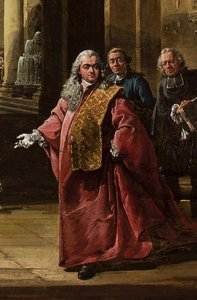
Bernardo Bellotto
1721 - 1780 , Italy
Quick Facts
- Artistic Movement Or Style: Vedute painting
- Artists Or Movements Influenced By This Artist: ['Urban reconstruction']
- Artists Who Influenced This Artist: ['Giovanni Canaletto']
- Date Of Birth: 1721
- Date Of Death: 1780
- Full Name: Bernardo Bellotto
- Nationality: Italian
- Notable Artworks:
- View of the Grand Canal
- Architectural Capriccio
- Place Of Birth: Venice, Italy
Related Articles

Romantic Landscapes: 10 Masterpieces for Your Home | ArtsDot
Journey through 10 Romantic landscape masterpieces by Friedrich, Turner & Cole. Explore emotional art, sublime nature scenes & iconic 19th-century paintings. Find museum-quality reproductions for your home at ArtsDot.com – discover the full collection online!

Evocations of Place: A Historical Journey Through Landscape Art
Explore the rich history of landscape art with ArtsDot. Discover renowned artists, movements like Impressionism & Romanticism, and expert guidance for collecting timeless pieces. Find your perfect serene escape today!
Michelangelo Morlaiter: Venetian Landscapes & the Pursuit of Atmospheric Realism
Explore the captivating landscapes of Michelangelo Morlaiter, a key figure in 18th-century Venetian painting. Discover his mastery of atmospheric perspective and lasting influence on Italian art history. Learn more at ArtsDot.

John Constable's Masterpieces: Explore 25 Iconic Landscapes for Your Home
Journey through John Constable's 25 most celebrated landscapes. Explore Romanticism, Dedham Vale & his masterful use of light in iconic paintings like 'Hay Wain'. Find museum-quality art reproductions and elevate your home decor on ArtsDot.com.
Evocations of Place: A Historical Journey Through Landscape Art
Explore the rich history of landscape art with ArtsDot. Discover renowned artists, movements like Impressionism & tonalism, and expert guidance for collecting timeless pieces. Find your perfect serene escape today!