 Preview
 Send
Send Share
Share
 Details

 Download
 Similars
 X-Ray
X-Ray Diaporama
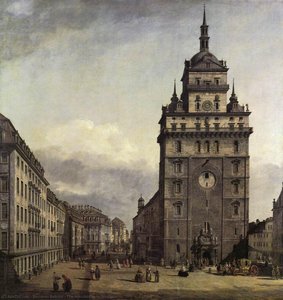
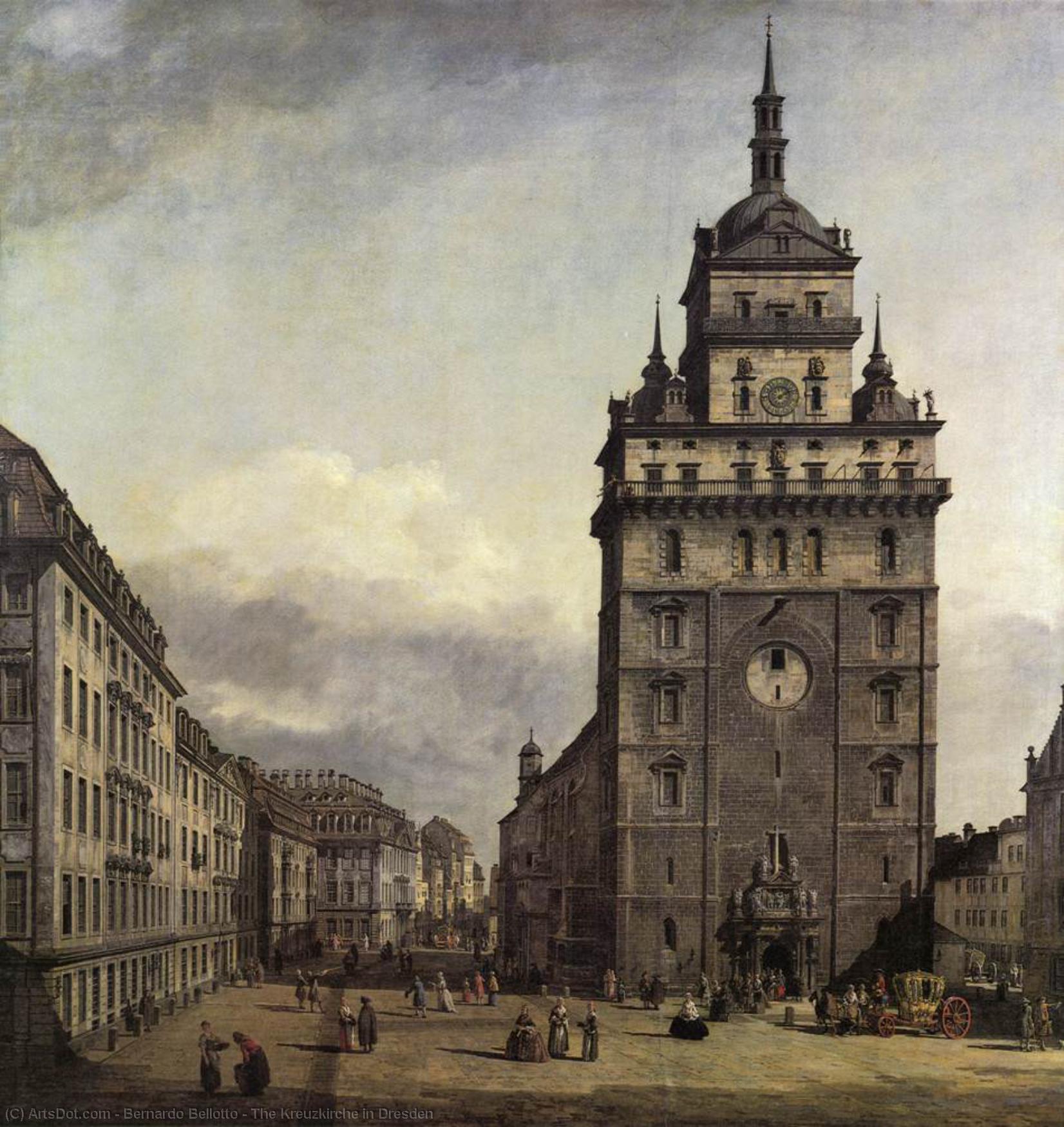
The Kreuzkirche in Dresden
 Oil
Oil- WallArt
- Baroque
 1747
1747 196.0 x 186.0 cm
 Gemäldegalerie
 Read More
Hand Made Oil Reproduction
Hand-painted oil on canvas in your size and frame, made to order by our artists. ( Buy Print Buy Image)




P118B $10

P118H $10

P118W $10

P438Z $10

P508JH $12

P508YH $12

P805H $10

P805Z $10

P919BZ $10

P919G $10

P919XJ $10

P959ZH $10

P968JZ $12

W106C $8

W218G $10

W218JH $8

W218Y $10

W307PJ $10

W316G $10

W316PJ $8

W316Y $10

W398PJ $8

W4111J $10

W500HY $15

W500JH $15

W692G $12

W849H $8

W940BG $15

W953PJ $8




Pick from our preset sizes that match the artwork's original proportions.

You may enter your own dimensions to fit a specific frame or space. If your selected size does not match the original image's proportions, we will either crop the artwork or extend the painting with additional hand-painted elements. A digital mockup will be sent for your approval before production begins.
Please note that the on-screen preview does not reflect the actual cropping or extension. Only the mockup will accurately show the final composition.
While custom sizes are available, we recommend selecting a dimension from the predefined list to preserve the original proportions.
After order, ArtsDot.com team will email client for instructions and provide a mockup preview
Worldwide Delivery () in 3/4 weeks instead of standard 5 weeks. (17 August). No compromise on quality.

Free Worldwide Express Shipping

High-Quality Linen Canvas

Full Shipping Insurance

Customs Tax Refund Guarantee

True Color Matching Guarantee

60-Day Return Policy (Defects Only)

100% Money-Back Guarantee

Bulk Discount Offer
 Glass option is only available in size under 110 CM

The Kreuzkirche in Dresden
Reproduction Medium
Reproduction Size
-


Total Price
$ 338
Artwork Description
Bernardo Bellotto’s Dresden: A Frozen Moment of Ruin
Bernardo Bellotto's "The Kreuzkirche in Dresden" (1747) isn’t merely a cityscape; it’s a poignant tableau capturing a fleeting moment suspended between grandeur and devastation. This meticulously rendered oil painting offers a remarkably intimate glimpse into the heart of 18th-century Dresden, Germany, a city poised on the brink of profound change. Bellotto, a Venetian artist renowned for his detailed depictions of urban landscapes – often referred to as “vedute” – masterfully captures not just the physical appearance of the city but also its atmosphere and the subtle anxieties simmering beneath its opulent facade. The painting’s enduring power lies in its ability to evoke a sense of melancholy beauty, transforming a scene of destruction into a compelling work of art.- A City on the Verge: Bellotto's Dresden is not the vibrant capital we know today. Just a few years before this painting was completed, the city had been ravaged by war and fire during the Seven Years’ War. The imposing Kreuzkirche (Holy Church), dominating the skyline with its towering spire, stood as a testament to both the city’s resilience and its vulnerability. The painting itself is a record of this precarious state – a visual echo of the recent trauma.
- Baroque Precision, Dutch Sensitivity: Bellotto's style blends the rigorous precision characteristic of Baroque art with the softer, more atmospheric qualities associated with Dutch Golden Age painters. The buildings are rendered with remarkable accuracy, their architectural details painstakingly observed and faithfully reproduced. Yet, there’s a subtle sense of distance, an almost dreamlike quality that softens the hard edges of the architecture and imbues the scene with a contemplative mood.
The Tower as Symbol: Authority and Loss
At the painting's center stands the Kreuzkirche’s tower, a monumental structure that immediately commands attention. Bellotto doesn’t shy away from depicting its imposing scale, emphasizing its vertical thrust against the relatively flat horizon. This towering presence is not simply decorative; it functions as a potent symbol of civic authority and religious power – hallmarks of Dresden under the rule of Augustus III, Elector of Saxony. However, the tower's dramatic collapse in 1765, depicted in a later work by Bellotto, transforms this symbol into one of loss and vulnerability. The painting thus becomes a meditation on the impermanence of even the most formidable structures, reflecting the broader anxieties about political stability and military conflict that gripped Europe at the time. Historical Context:** The Seven Years’ War (1756-1763) had a devastating impact on Saxony, leaving the region economically weakened and politically vulnerable. Bellotto's Dresden series, including this view of the Kreuzkirche, served as a crucial record of the city's pre-war beauty – a visual archive intended to preserve its memory before it was irrevocably altered by destruction. The painting itself is therefore not just a depiction of a cityscape; it’s a testament to a lost world and a poignant reminder of the fragility of human endeavors.Technique and Light: A Masterclass in Observation
Bellotto's skill as an artist lies not only in his ability to accurately represent architectural details but also in his masterful use of light and perspective. The painting is bathed in a diffused, almost ethereal light that creates a sense of depth and atmosphere. Linear perspective guides the viewer’s eye through the scene, drawing them into the bustling streetscape and revealing the intricate layers of urban life. Bellotto employed a technique known as “glazing,” applying thin layers of oil paint to build up color and luminosity gradually. This meticulous approach allowed him to achieve remarkable detail while maintaining a sense of atmospheric depth and realism. The subtle variations in tone and texture create a remarkably tactile quality, inviting the viewer to almost feel the roughness of the cobblestones beneath their feet and the warmth of the sunlight on the buildings’ facades.- Detailed Observation: Bellotto's meticulous attention to detail is evident throughout the painting – from the individual bricks in the buildings to the folds of the clothing worn by the figures in the street.
- Atmospheric Perspective: The use of atmospheric perspective creates a sense of depth and distance, with objects appearing smaller and paler as they recede into the background.
A Frozen Moment – A Legacy of Preservation
“The Kreuzkirche in Dresden” is more than just a beautiful painting; it’s a historical document, a technical masterpiece, and an emotionally resonant work of art. Bellotto's dedication to capturing the essence of urban life—particularly in the face of impending disaster—makes this painting profoundly moving. It serves as a poignant reminder of the ephemeral nature of beauty and power, while simultaneously celebrating the enduring spirit of human creativity. Today, reproductions of this iconic image continue to inspire awe and contemplation, offering viewers a glimpse into a lost world and a powerful meditation on the passage of time.Related Artworks
Artist Biography
early life and training
bernardo bellotto, a renowned italian painter, was born in venice around 1721/2 or on january 30, 1721. he was the nephew and pupil of the famous giovanni antonio canal canaletto, a prominent figure in the venetian school of painting.artistic style and career
bellotto's artistic style was characterized by his elaborate representation of architectural and natural vistas, as well as the unique quality of each place's lighting. he was known for his exceptional skill in capturing the essence of urban landscapes, which led to his invitation to work for various european monarchs.- he traveled to rome (1742), northern italy (1744-1745), and later moved to dresden (1747-1758) at the behest of king august iii of poland.
- his works in dresden preserved the city's pre-war beauty, now destroyed.
- he received an invitation from empress maria theresa to work in vienna (1758), where he painted the city's monuments.
notable works and legacy
some of bellotto's notable works include:- view of the grand canal: santa maria della salute and the dogana from campo santa maria zobenigo (1743)
- architectural capriccio with a self-portrait of bellotto in the costume of a venetian nobleman
museums and collections
bellotto's works can be found in various museums, including the pinacoteca di vicenza in italy. to explore more of his artwork, visit [https://ArtsDot.com/@/bernardo bellotto](https://ArtsDot.com/@/bernardo bellotto) and discover the world of art.references
* /en/art/show/art-d3baj3-en/ * [https://www.wikiart.org/en/bernardo-bellotto/](https://www.wikiart.org/en/bernardo-bellotto/) * [https://fr.wikipedia.org/wiki/bernardo_bellotto](https://fr.wikipedia.org/wiki/bernardo_bellotto)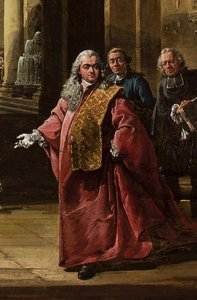
Bernardo Bellotto
1721 - 1780 , Italy
Quick Facts
- Artistic Movement Or Style: Vedute painting
- Artists Or Movements Influenced By This Artist: ['Urban reconstruction']
- Artists Who Influenced This Artist: ['Giovanni Canaletto']
- Date Of Birth: 1721
- Date Of Death: 1780
- Full Name: Bernardo Bellotto
- Nationality: Italian
- Notable Artworks:
- View of the Grand Canal
- Architectural Capriccio
- Place Of Birth: Venice, Italy
Related Articles

Dutch Masters: 10 Golden Age Paintings That Still Inspire |
Journey into the Dutch Golden Age! Explore 10 iconic paintings by Rembrandt, Vermeer & Hals. Discover the stories behind these Baroque masterpieces and find museum-quality art reproductions to elevate your home decor on .

Golden Age Reflections: Dutch Baroque Painting & Cultural Innovation
Explore the Dutch Golden Age of painting! Discover key artists like Vermeer & ter Borch, their innovative techniques, and the rich cultural context behind these Baroque masterpieces. Learn about collecting & appreciating this iconic art period.

Illuminating Innovation: Exploring the Dutch Golden Age of Painting
Explore the Dutch Golden Age of painting with ArtsDot. Discover Rembrandt, Vermeer & other Masters. Learn about key characteristics, iconic artworks, and lasting influence. Expert insights for collectors & enthusiasts.

Illuminating Realism: Exploring the Dutch Golden Age of Painting (1600-1700)
Explore the Dutch Golden Age of painting (1600-1700) with ArtsDot. Discover Rembrandt, Vermeer & other masters. Learn about techniques, history & find museum-quality reproductions.
Golden Light & Dutch Skies: Bringing the Magic of Dutch Golden Age Landscapes into Your Home
Transform your home with the breathtaking light of Dutch Golden Age landscapes. Discover how hand-painted oil reproductions of masterworks like Ruisdael and Vermeer bring timeless elegance, atmosphere, and soulful texture to modern interiors. Elevate your space with museum-quality art.