 Preview
 Send
Send Share
Share
 Details

 Download
 Similars
 X-Ray
X-Ray Diaporama
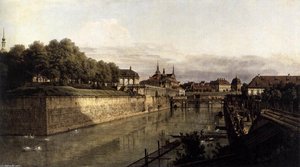
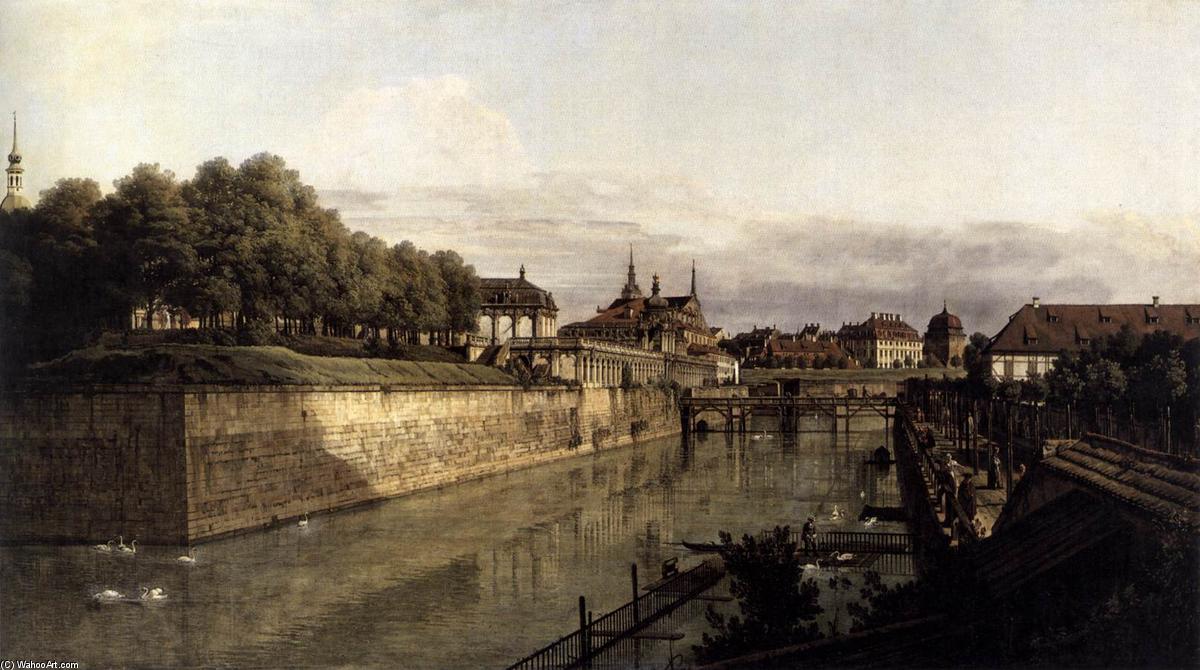
The Moat of the Zwinger in Dresden
 Acrylic On Canvas
- WallArt
- Baroque Rococo
 1749
1749 133.0 x 235.0 cm
 Gemäldegalerie
 Read More
Hand Made Oil Reproduction
Hand-painted oil on canvas in your size and frame, made to order by our artists. ( Buy Print Buy Image)




P118B $10

P118H $10

P118W $10

P438Z $10

P508JH $12

P508YH $12

P805H $10

P805Z $10

P919BZ $10

P919G $10

P919XJ $10

P959ZH $10

P968JZ $12

W106C $8

W218G $10

W218JH $8

W218Y $10

W307PJ $10

W316G $10

W316PJ $8

W316Y $10

W398PJ $8

W4111J $10

W500HY $15

W500JH $15

W692G $12

W849H $8

W940BG $15

W953PJ $8




Pick from our preset sizes that match the artwork's original proportions.

You may enter your own dimensions to fit a specific frame or space. If your selected size does not match the original image's proportions, we will either crop the artwork or extend the painting with additional hand-painted elements. A digital mockup will be sent for your approval before production begins.
Please note that the on-screen preview does not reflect the actual cropping or extension. Only the mockup will accurately show the final composition.
While custom sizes are available, we recommend selecting a dimension from the predefined list to preserve the original proportions.
After order, ArtsDot.com team will email client for instructions and provide a mockup preview
Worldwide Delivery () in 3/4 weeks instead of standard 5 weeks. (31 August). No compromise on quality.

Free Worldwide Express Shipping

High-Quality Linen Canvas

Full Shipping Insurance

Customs Tax Refund Guarantee

True Color Matching Guarantee

60-Day Return Policy (Defects Only)

100% Money-Back Guarantee

Bulk Discount Offer
 Glass option is only available in size under 110 CM

The Moat of the Zwinger in Dresden
Reproduction Medium
Reproduction Size
-


Total Price
$ 263
Bernardo Bellotto’s Tranquil Reflection of Dresden’s Glory
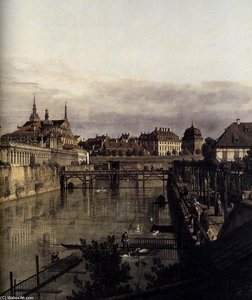
The painting “The Moat of the Zwinger in Dresden” by Bernardo Bellotto stands as a testament to Rococo artistry and an extraordinary achievement in architectural documentation—a rare confluence of scientific observation and artistic vision. Completed in 1749 during Augustus III's reign, this monumental canvas (133 x 235 cm) resides within the Gemäldegalerie Alte Meister Dresden, inviting viewers into a meticulously recreated snapshot of Saxon royal life at its zenith. Bellotto’s reputation rests upon his unparalleled ability to portray urban spaces with breathtaking accuracy—a skill demonstrably evident here—combining meticulous topographical mapping with an artist's sensitivity to light and color. He wasn’t merely recording the Zwinger complex; he was crafting an emblem of stability, prosperity, and enlightened rule, reflecting the aspirations of a kingdom under astute leadership.A Symphony of Rococo Color and Light
Bellotto’s stylistic approach firmly anchors the artwork within the Rococo movement, characterized by its embrace of pastel hues—primarily creams, blues, and greens—delicate brushstrokes, and an opulent layering of ornamentation. The artist skillfully employs chiaroscuro – dramatic contrasts between light and shadow – to illuminate the Zwinger complex and its surrounding moat. Soft, diffused sunlight filters through the clouds, casting a gentle glow upon the stone walls and reflecting shimmering patterns across the water’s surface. This deliberate manipulation of light isn't merely decorative; it serves to heighten the emotional impact of the scene, conveying serenity and emphasizing the architectural grandeur of Dresden during its artistic heyday. Consider how Bellotto’s use of color contributes to a feeling of ethereal beauty – it’s as if he captured not just a visual representation but an idealized impression of royal splendor.Detailed Observation: The Zwinger Complex Captured in Miniature
Bellotto's dedication to precision is palpable throughout the canvas. He painstakingly recreated every element of the Zwinger complex, from the towering baroque facades adorned with sculptures to the intricate details of the moat’s stonework and the reflections shimmering on its surface. Bellotto’s meticulous attention to detail extends beyond mere visual representation; he sought to convey a sense of spatial depth and perspective that would transport viewers into the heart of Dresden's architectural heritage. The artist utilized aerial perspective—a technique whereby distant objects appear paler and less distinct due to atmospheric haze—to create an illusion of distance, reinforcing the impression of grandeur and reinforcing the viewer’s understanding of the Zwinger’s significance as a symbol of royal power.Symbolism: Stability and Enlightenment Under Augustus III
Beyond its aesthetic qualities, “The Moat of the Zwinger in Dresden” carries profound symbolic weight. The moat itself represents protection—both physical and metaphorical—surrounding the Zwinger complex, symbolizing the kingdom’s defense against external threats and safeguarding its internal harmony. Simultaneously, it embodies enlightenment ideals championed by Augustus III, reflecting the belief that reason and beauty could coexist to foster a flourishing society. Bellotto's depiction of Dresden underscores the importance of preserving cultural heritage and celebrating artistic achievement as vital components of national identity—a message particularly resonant in the context of Prussia’s burgeoning influence during the mid-18th century.Legacy: A Masterpiece Preserving Dresden’s Architectural Soul
Today, “The Moat of the Zwinger in Dresden” remains a cornerstone of Dresden's artistic legacy and continues to inspire admiration for Bellotto’s unparalleled skill as an artist and architect. Its luminous colors, masterful chiaroscuro, and meticulous topographical detail offer invaluable insight into the visual culture of Rococo Europe and serve as a poignant reminder of Dresden’s splendor before its devastating destruction during World War II. Reproductions of this iconic artwork continue to grace homes and galleries worldwide, ensuring that Bellotto's vision of Dresden—a symbol of regal dignity and artistic brilliance—lives on for generations to come.Related Artworks
Artist Biography
early life and training
bernardo bellotto, a renowned italian painter, was born in venice around 1721/2 or on january 30, 1721. he was the nephew and pupil of the famous giovanni antonio canal canaletto, a prominent figure in the venetian school of painting.artistic style and career
bellotto's artistic style was characterized by his elaborate representation of architectural and natural vistas, as well as the unique quality of each place's lighting. he was known for his exceptional skill in capturing the essence of urban landscapes, which led to his invitation to work for various european monarchs.- he traveled to rome (1742), northern italy (1744-1745), and later moved to dresden (1747-1758) at the behest of king august iii of poland.
- his works in dresden preserved the city's pre-war beauty, now destroyed.
- he received an invitation from empress maria theresa to work in vienna (1758), where he painted the city's monuments.
notable works and legacy
some of bellotto's notable works include:- view of the grand canal: santa maria della salute and the dogana from campo santa maria zobenigo (1743)
- architectural capriccio with a self-portrait of bellotto in the costume of a venetian nobleman
museums and collections
bellotto's works can be found in various museums, including the pinacoteca di vicenza in italy. to explore more of his artwork, visit [https://ArtsDot.com/@/bernardo bellotto](https://ArtsDot.com/@/bernardo bellotto) and discover the world of art.references
* /en/art/show/art-d3baj3-en/ * [https://www.wikiart.org/en/bernardo-bellotto/](https://www.wikiart.org/en/bernardo-bellotto/) * [https://fr.wikipedia.org/wiki/bernardo_bellotto](https://fr.wikipedia.org/wiki/bernardo_bellotto)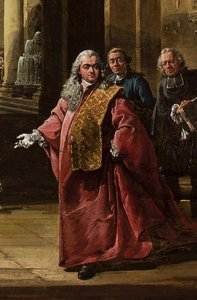
Bernardo Bellotto
1721 - 1780 , Italy
Quick Facts
- Artistic Movement Or Style: Vedute painting
- Artists Or Movements Influenced By This Artist: ['Urban reconstruction']
- Artists Who Influenced This Artist: ['Giovanni Canaletto']
- Date Of Birth: 1721
- Date Of Death: 1780
- Full Name: Bernardo Bellotto
- Nationality: Italian
- Notable Artworks:
- View of the Grand Canal
- Architectural Capriccio
- Place Of Birth: Venice, Italy
Related Articles
Bernardo Bellotto: Canaletto's Nephew & Master of Veduta Painting – A Comprehensive Exploration
Explore the life & art of Bernardo Bellotto, Canaletto’s nephew and a master of veduta painting. Discover his stunning cityscapes of Dresden & Warsaw, artistic techniques, and lasting legacy. Expert insights for collectors.

Romantic Landscapes: 10 Masterpieces for Your Home | ArtsDot
Journey through 10 Romantic landscape masterpieces by Friedrich, Turner & Cole. Explore emotional art, sublime nature scenes & iconic 19th-century paintings. Find museum-quality reproductions for your home at ArtsDot.com – discover the full collection online!

Evocations of Place: A Historical Journey Through Landscape Art
Explore the rich history of landscape art with ArtsDot. Discover renowned artists, movements like Impressionism & Romanticism, and expert guidance for collecting timeless pieces. Find your perfect serene escape today!

John Constable's Masterpieces: Explore 25 Iconic Landscapes for Your Home
Journey through John Constable's 25 most celebrated landscapes. Explore Romanticism, Dedham Vale & his masterful use of light in iconic paintings like 'Hay Wain'. Find museum-quality art reproductions and elevate your home decor on ArtsDot.com.

Rococo's Radiant Legacy: 10 Masterpieces for Your Home |
Indulge in the elegance of Rococo! Explore 10 masterpieces by Fragonard, Boucher & Watteau. Discover the stories behind these iconic paintings and bring timeless art to your home with museum-quality reproductions from .