

 Preview
 Send
Send Share
Share
 Details

 Download
 Similars
 X-Ray
X-Ray Diaporama
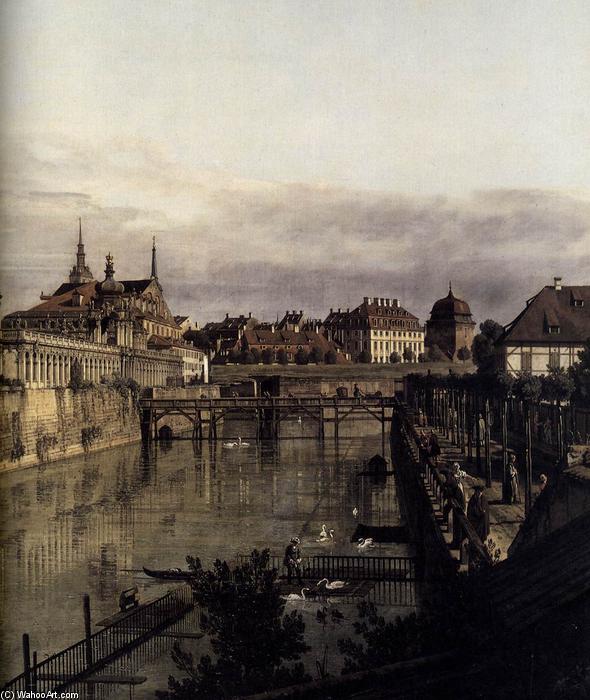
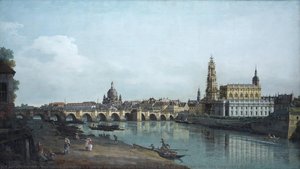
The Moat of the Zwinger in Dresden (detail)


 Read More
Purchase a high-resolution, enhanced digital image, far superior to the online preview.
Each file is meticulously prepared by our in-house specialists using advanced tools and expert manual retouching. We ensure every image has exceptional clarity, precise color accuracy, and fine detail.
The final file is delivered via email within 72 hours, optimized for immediate use in professional, editorial, and print environments. This is the same quality trusted by top-tier design studios, publishers, and galleries.
Digital Image
Download a high-resolution file for personal display, printing, and creative projects. ( Buy Print Buy Hand Made Painting)
Included in Every Digital Image Order
Expert Digital Delivery, Guaranteed
When you choose ArtsDot.com, you're not just getting an image - you're receiving a professionally enhanced digital artwork, crafted with precision and backed by a satisfaction guarantee. Here's everything that comes with your order, automatically:

Fast Email Delivery
Your high-resolution digital image file will be emailed to you within 72 hours of ordering - ready for immediate use.

AI-Enhanced Digital File
Your artwork is professionally optimized using advanced AI tools and manual editing, ensuring maximum detail, clarity, and color accuracy.

Free Lifetime Re-Delivery
Accidentally deleted or lost your file? No worries - we'll resend it to you anytime, free of charge.

No Import Fees - Ever
Enjoy your artwork instantly with zero customs, duties, or delivery fees - digital downloads are always tax-free.

Color Accuracy Guarantee
We ensure your digital image reflects the original colors as closely as possible using professional tools and color management.

60-Day Satisfaction Guarantee
If you're not satisfied with your digital image, we'll revise it or refund 100% within 60 days - no questions asked.

100% Money-Back Guarantee
Not satisfied? Get a full refund within 60 days of receiving your digital file - no questions asked.

Bulk Order Discounts
Buy 3 images, save 10% - Buy 5, save 15% - Buy 10+, save 20%. Great for creative projects, galleries, and agencies.
A Window into Dresden’s Golden Age
In the heart of 18th-century Saxony, amidst the burgeoning prosperity of the Enlightenment, Bernardo Bellotto captured a moment of profound serenity and architectural splendor. His masterpiece, The Moat of the Zwinger in Dresden, is far more than a mere topographical record; it is a luminous window into a vanished world. Painted in 1749, this work invites the viewer to step onto the banks of the Zwinger Palace’s moat, where the water acts as a liquid mirror, reflecting the grandeur of a city at its zenith. The scene is alive with the quiet rhythms of daily life—figures strolling leisurely along the embankments and small boats gliding across the glassy surface—creating an atmosphere of idyllic peace that feels both intimate and monumental.
For the discerning collector or interior designer, this painting offers a sophisticated focal point that brings a sense of historical depth and classical elegance to any space. The composition draws the eye through layers of lush foliage and intricate stonework, leading toward the breathtaking architectural silhouettes that define Dresden’s skyline. It is a piece that does not merely decorate a wall but narrates a story of cultural ambition and the enduring pursuit of beauty.
The Mastery of Rococo Light and Detail
Bellotto, often celebrated as the nephew and pupil of the legendary Canaletto, brought a unique, more somber, and atmospheric quality to the veduta style. In this particular work, his technical prowess is on full display through the masterful use of chiaroscuro. He employs dramatic contrasts between light and shadow to sculpt the ornate facades of the Zwinger buildings, giving them a palpable three-dimensional presence. The way sunlight filters through the verdant trees and dances upon the ripples of the moat demonstrates an almost scientific precision in his observation of natural light.
The technique is characterized by delicate, velvety brushstrokes that lend a rich texture to the canvas. Every element, from the intricate patterns on the period clothing of the strolling figures to the weathered textures of the stone fortifications, is rendered with breathtaking clarity. This meticulous attention to detail ensures that the painting retains its impact even upon close inspection, making it an ideal choice for those who appreciate fine art that rewards prolonged contemplation and reveals new nuances with every viewing.
Symbolism and Emotional Resonance
Beyond its aesthetic brilliance, the painting carries a profound symbolic weight. The moat itself serves as a powerful metaphor; while it was a vital component of Dresden’s defensive fortifications, in Bellotto’s hands, it becomes a symbol of protection, stability, and the tranquil boundaries of a prosperous realm under the reign of Augustus III. There is a palpable sense of permanence in the heavy stone structures, contrasted beautifully with the ephemeral movement of the boats and the fleeting reflections on the water.
Emotionally, the work evokes a sense of nostalgia and reverence. It captures a "golden age" before the devastating architectural losses of later centuries, preserving the soul of Dresden in a state of eternal grace. To possess a reproduction of this work is to hold a piece of European heritage—a fragment of a dreamlike era where art, architecture, and nature existed in perfect, harmonious balance. It provides an atmosphere of calm sophistication, making it a timeless addition to any curated collection or high-end residential design.
Related Artworks


Artist Biography
early life and training
bernardo bellotto, a renowned italian painter, was born in venice around 1721/2 or on january 30, 1721. he was the nephew and pupil of the famous giovanni antonio canal canaletto, a prominent figure in the venetian school of painting.artistic style and career
bellotto's artistic style was characterized by his elaborate representation of architectural and natural vistas, as well as the unique quality of each place's lighting. he was known for his exceptional skill in capturing the essence of urban landscapes, which led to his invitation to work for various european monarchs.- he traveled to rome (1742), northern italy (1744-1745), and later moved to dresden (1747-1758) at the behest of king august iii of poland.
- his works in dresden preserved the city's pre-war beauty, now destroyed.
- he received an invitation from empress maria theresa to work in vienna (1758), where he painted the city's monuments.
notable works and legacy
some of bellotto's notable works include:- view of the grand canal: santa maria della salute and the dogana from campo santa maria zobenigo (1743)
- architectural capriccio with a self-portrait of bellotto in the costume of a venetian nobleman
museums and collections
bellotto's works can be found in various museums, including the pinacoteca di vicenza in italy. to explore more of his artwork, visit [https://ArtsDot.com/@/bernardo bellotto](https://ArtsDot.com/@/bernardo bellotto) and discover the world of art.references
* /en/art/show/art-d3baj3-en/ * [https://www.wikiart.org/en/bernardo-bellotto/](https://www.wikiart.org/en/bernardo-bellotto/) * [https://fr.wikipedia.org/wiki/bernardo_bellotto](https://fr.wikipedia.org/wiki/bernardo_bellotto)
Bernardo Bellotto
1721 - 1780 , Italy
Quick Facts
- Artistic Movement Or Style: Vedute painting
- Artists Or Movements Influenced By This Artist: ['Urban reconstruction']
- Artists Who Influenced This Artist: ['Giovanni Canaletto']
- Date Of Birth: 1721
- Date Of Death: 1780
- Full Name: Bernardo Bellotto
- Nationality: Italian
- Notable Artworks:
- View of the Grand Canal
- Architectural Capriccio
- Place Of Birth: Venice, Italy

