 Preview
 Send
Send Share
Share
 Details

 Download
 Similars
 X-Ray
X-Ray Diaporama
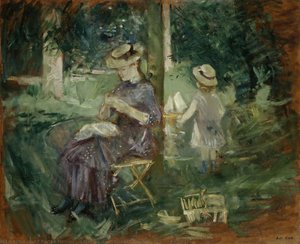
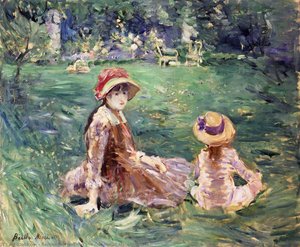
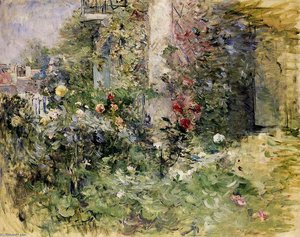
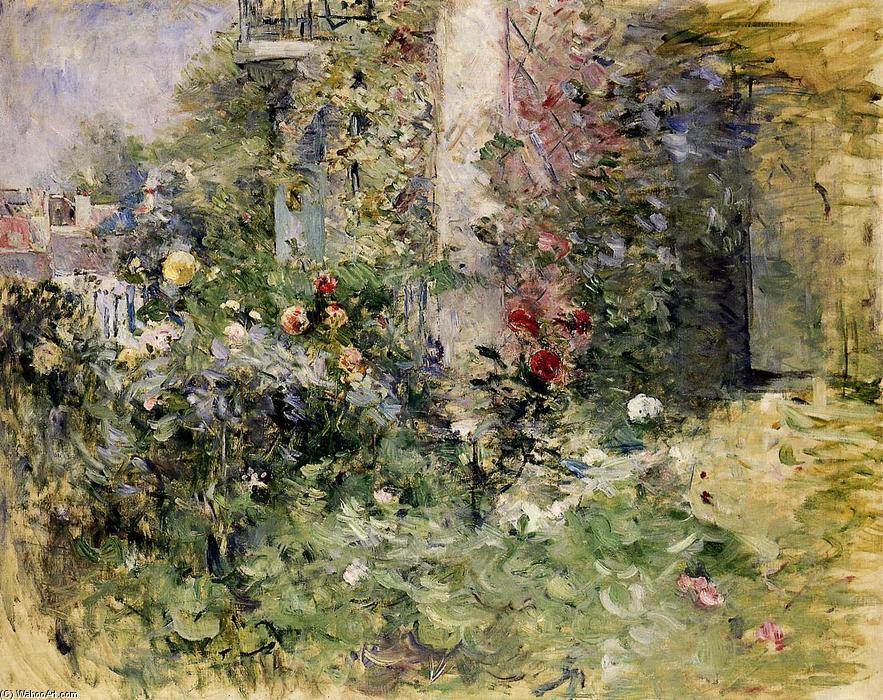
The Garden at Bougival
 Oil
Oil- WallArt
- Impressionist Movement
 1884
1884 92.0 x 73.0 cm
 Musée Marmottan Monet
 Read More
Giclée / Art Print
Museum-quality giclée or canvas print with fast production and flexible finish options. ( Buy Hand Made Painting Buy Image)




P118B $10

P118H $10

P118W $10

P438Z $10

P508JH $12

P508YH $12

P805H $10

P805Z $10

P919BZ $10

P919G $10

P919XJ $10

P959ZH $10

P968JZ $12

W106C $8

W218G $10

W218JH $8

W218Y $10

W307PJ $10

W316G $10

W316PJ $8

W316Y $10

W398PJ $8

W4111J $10

W500HY $15

W500JH $15

W692G $12

W849H $8

W940BG $15

W953PJ $8




Pick from our preset sizes that match the artwork's original proportions.

You may enter your own dimensions to fit a specific frame or space. If your selected size does not match the original image's proportions, we will either crop the artwork or extend the image with a mirrored or solid-fill edge. A digital mockup will be sent for your approval before production begins.
Please note that the on-screen preview does not reflect the actual cropping or extension. Only the mockup will accurately show the final composition.
While custom sizes are available, we recommend selecting a dimension from the predefined list to preserve the original proportions.
Worldwide Delivery () in 2 weeks instead of standard 4/5 weeks. (16 August)

Free Worldwide Express Shipping

High-Quality Linen Canvas

Full Shipping Insurance

Customs Tax Refund Guarantee

True Color Matching Guarantee

60-Day Return Policy (Defects Only)

100% Money-Back Guarantee

Bulk Discount Offer
 Glass option is only available in size under 110 CM

The Garden at Bougival
Giclée / Art Print
Reproduction Size
-


Total Price
$ 63
Collectible Description
The Garden at Bougival: A Moment of Impressionistic Serenity
Berthe Morisot’s “The Garden at Bougival,” painted in 1884, is more than just a depiction of a sun-drenched garden; it's an intimate glimpse into the heart of the Impressionist movement and a testament to Morisot’s unique ability to capture fleeting moments of beauty. Housed within the Musée Marmottan Monet in Paris, this oil-on-canvas masterpiece invites us into a world of dappled light, vibrant color, and quiet contemplation – a space where domestic tranquility intertwines with the natural splendor of a French summer. The painting’s charm lies not just in its subject matter but in Morisot's masterful use of technique to evoke a profound sense of atmosphere and emotion.
At first glance, “The Garden at Bougival” presents a seemingly simple scene: a meticulously maintained garden adjacent to a charming house with a welcoming balcony. However, closer observation reveals a wealth of detail and a deliberate artistic strategy. Morisot doesn’t strive for photographic realism; instead, she employs loose, feathery brushstrokes – a hallmark of Impressionism – to suggest form and texture rather than define them precisely. The flowers themselves—a riot of roses, poppies, irises, and other blooms—are rendered with an almost joyful exuberance, their colors intensified by the play of light and shadow. Notably, at least thirteen distinct flower types are identifiable, a deliberate choice that speaks to Morisot’s keen eye for detail and her desire to celebrate the abundance of nature.
Impressionist Techniques: Light, Color, and Movement
Morisot's approach to color is particularly captivating. She utilizes broken brushstrokes—applying small dabs of pure pigment side-by-side rather than blending them—to create a shimmering effect that mimics the way light dances across surfaces. The warm hues of the roses and foliage contrast beautifully with the cooler tones of the shadows, while subtle shifts in color suggest movement and atmosphere. The painting’s overall luminosity is achieved through her skillful manipulation of light; she captures not just the direct sunlight but also its reflected glow on leaves and petals, creating a sense of depth and vibrancy. The balcony itself, bathed in soft light, provides a focal point, hinting at domestic life beyond the garden's embrace.
Furthermore, Morisot’s technique is deeply rooted in her observation of the natural world. She wasn’t interested in painting a static representation but rather in conveying the *impression* of a garden—its fleeting beauty, its warmth, and its sense of tranquility. The slightly blurred edges and loose brushwork contribute to this effect, suggesting that the scene is constantly shifting with the movement of light and air.
A Portrait of Domestic Life and Artistic Significance
“The Garden at Bougival” offers a poignant glimpse into the domestic life of Morisot and her family. The presence of the potted plants and the balcony suggests a comfortable, well-loved home—a sanctuary from the bustle of Parisian society. Morisot’s decision to depict this intimate scene is significant within the context of Impressionism, which sought to break away from traditional academic painting conventions and explore new subjects and approaches. As one of the first women to gain recognition as an artist during this period, Morisot's work challenged societal expectations and paved the way for future generations of female artists.
Painted in 1884, a pivotal year for the Impressionist movement, “The Garden at Bougival” stands as a testament to Berthe Morisot’s artistic vision. It exemplifies her ability to capture the essence of a moment—a fleeting glimpse of beauty and tranquility—with remarkable sensitivity and skill. Today, this painting continues to resonate with viewers who appreciate its delicate charm, vibrant colors, and profound sense of atmosphere.
Owning a Reproduction: Bringing Morisot’s Vision Home
ArtsDot offers meticulously crafted, hand-painted oil painting reproductions of “The Garden at Bougival,” allowing you to experience the beauty and artistry of this iconic Impressionist masterpiece in your own home. Our skilled artisans replicate Morisot's unique techniques with exceptional attention to detail, ensuring that your reproduction captures the essence of the original while retaining its own distinct character. Whether you’re an art enthusiast, a collector, or simply seeking to add a touch of timeless elegance to your interior décor, a ArtsDot reproduction of “The Garden at Bougival” is a beautiful and meaningful addition to any collection.
Related Artworks
Artist Biography
A Life Immersed in Light and Intimacy
Berthe Morisot, born in Bourges, France, in 1841, emerged as a pivotal figure within the Impressionist movement, yet her story extends far beyond simply being a “female Impressionist.” To define her solely by gender diminishes the profound originality of her artistic vision and her unwavering commitment to capturing the fleeting moments of modern life. Descended from a bourgeois family with artistic lineage – she was related to the celebrated Rococo painter Jean-Honoré Fragonard – Morisot received an education uncommon for women of her era, one that nurtured her innate talent and fostered a lifelong dedication to painting. Early lessons with Geoffroy-Alphonse Chocarne and Joseph Guichard provided foundational skills, but it was exposure to the masterpieces within the Louvre, copying works by the Old Masters, that truly ignited her artistic sensibility. This period of rigorous training laid the groundwork for her later explorations of light, color, and form. The influence of Jean-Baptiste-Camille Corot proved particularly significant; his emphasis on *plein air* painting – working outdoors directly from nature – became a cornerstone of Morisot’s approach, allowing her to capture the ephemeral qualities of light and atmosphere with remarkable sensitivity.Navigating the Impressionist Circle
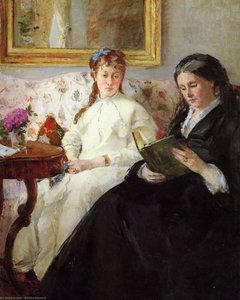
Morisot's artistic journey intertwined closely with that of Édouard Manet, whom she met in 1864. Their relationship was one of mutual respect and intellectual exchange, with Manet serving as a mentor and friend. He painted her numerous times, immortalizing her presence within his own evolving style. However, Morisot wasn’t merely a subject; she actively participated in the burgeoning Impressionist movement, becoming a founding member alongside Monet, Degas, Renoir, and Pissarro. In 1874, she boldly exhibited with this group of “rejected” artists, defying the conservative standards of the official Salon. This first Impressionist exhibition marked a turning point in art history, challenging traditional academic conventions and paving the way for new modes of artistic expression. Morisot participated in nearly all subsequent Impressionist exhibitions, consistently showcasing her unique perspective and solidifying her position within the avant-garde. Her work, often depicting intimate scenes of domestic life – women reading, mothers with children, leisurely moments in gardens – offered a distinctly feminine gaze, challenging prevailing societal norms and expanding the scope of acceptable subject matter for female artists.A Distinctive Artistic Voice
What sets Morisot apart is not simply *what* she painted, but *how* she painted it. Her brushwork is characterized by its delicate fluidity, a lightness of touch that conveys an impression of spontaneity and immediacy. She masterfully employed broken color – applying small strokes of pure pigment side-by-side to create a shimmering effect of light and atmosphere. Unlike some of her Impressionist colleagues who focused on grand landscapes or bustling cityscapes, Morisot often chose intimate interior scenes and portraits, exploring the nuances of human relationships and the quiet beauty of everyday life. Her palette is typically soft and harmonious, favoring pastel shades and subtle gradations of color. This isn’t to say her work lacks strength; rather, it possesses a refined elegance and emotional depth that resonates with viewers even today. Critics like Gustave Geffroy recognized this unique quality, hailing her as one of “les trois grandes dames” of Impressionism – alongside Marie Bracquemond and Mary Cassatt – acknowledging her significant contribution to the movement.Legacy and Lasting Influence
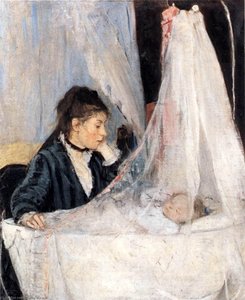
Berthe Morisot’s life was tragically cut short in 1895, but her artistic legacy endures. Married to Eugène Manet, brother of Édouard, she navigated a world that often underestimated female artists, yet she persevered with unwavering determination. She exhibited under her full maiden name – a subtle act of independence and self-assertion – and consistently challenged conventional expectations. Her work continues to captivate audiences with its delicate beauty, emotional honesty, and innovative technique. Morisot’s influence extends beyond the realm of Impressionism; she paved the way for future generations of female artists, demonstrating that women could achieve artistic excellence and contribute meaningfully to the evolution of art history. Today, her paintings are held in prestigious collections around the world, serving as a testament to her enduring talent and her pivotal role in shaping modern art. Woman in the Green Dress, The Cradle, and Summer’s Day remain iconic examples of her mastery, inviting viewers into a world of light, intimacy, and quiet contemplation.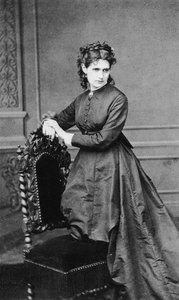
Berthe Morisot
1841 - 1895 , France
Quick Facts
- Artistic Movement Or Style: Impressionism
- Artists Or Movements Influenced By This Artist: ['Impressionism']
- Artists Who Influenced This Artist:
- Corot
- Manet
- Date Of Birth: January 14, 1841
- Date Of Death: March 2, 1895
- Full Name: Berthe Morisot
- Nationality: French
- Notable Artworks:
- Woman in the green dress
- The Cradle
- La Lecture
- Place Of Birth: Bourges, France
Related Articles
Cultivating Paradise: A Historical & Artistic Exploration of Gardens in Painting
Explore the rich history of gardens in painting! Discover masterpieces from Renaissance to Impressionism & beyond. Learn about symbolism, artists like Monet & Klimt, and find your perfect artwork at ArtsDot.

Impressionism's Masterpieces: 10 Paintings That Defined a Movement | ArtsDot
Journey through Impressionism's heart with 10 iconic paintings by Monet, Renoir & Degas. Explore light, color & the stories behind these masterpieces. Find museum-quality art reproductions and elevate your home decor on ArtsDot.com.

Cézanne's Masterpieces: 25 Iconic Artworks to Transform Your Space
Journey through 25 iconic artworks by Paul Cézanne – a master of Impressionism and Post-Impressionism. Explore his landscapes, still lifes, and the stories behind these timeless masterpieces. Discover museum-quality reproductions & curated decor at ArtsDot.com.
Beyond the Shadows: The Powerful Legacies of Artemisia Gentileschi and Berthe Morisot
Explore the profound legacies of Artemisia Gentileschi and Berthe Morisot. Discover how these female masters redefined the Baroque and Impressionist eras through dramatic chiaroscuro and luminous light, leaving an indelible mark on art history and modern aesthetics.
Impressionism's Legacy: 10 Masterpieces That Transformed Art & Decor
Journey through Impressionism's radiant world! Explore 10 masterpieces by Monet, Renoir & Degas that revolutionized art. Discover the stories behind these iconic paintings and find museum-quality reproductions for your home at .