 Preview
 Send
Send Share
Share
 Details

 Download
 Similars
 X-Ray
X-Ray Diaporama
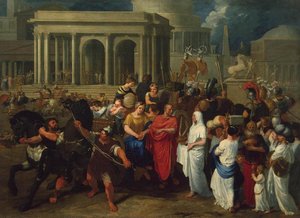
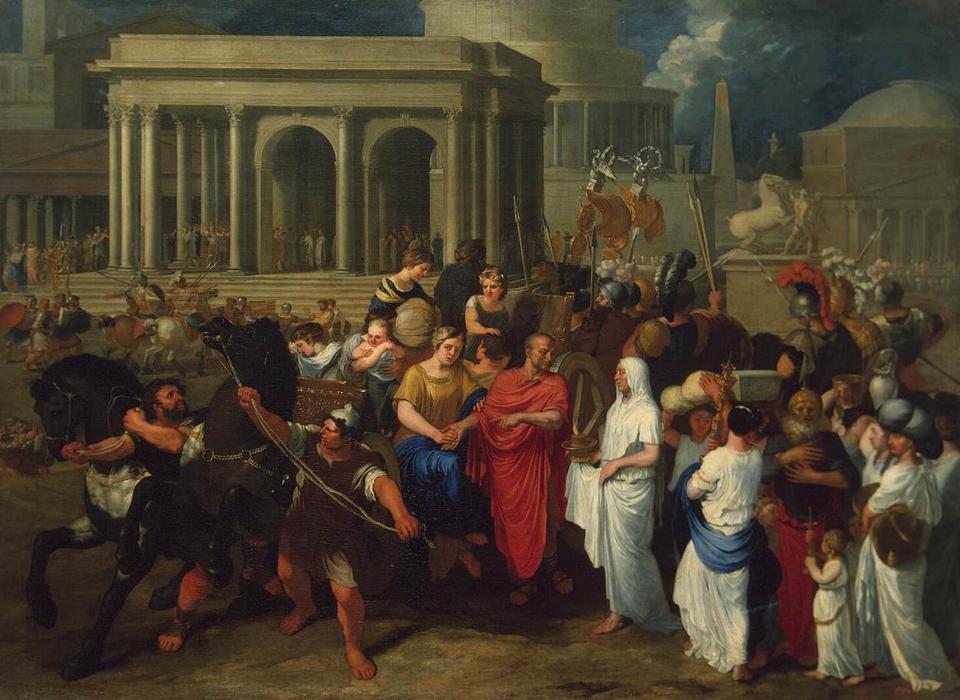
Lucius Albinus Giving his Carriage to Vestals
 Oil
Oil- WallArt
- Baroque
 1650
1650- Early Modern
 143.0 x 195.0 cm
 Hermitage Museum
 Read More
Giclée / Art Print
Museum-quality giclée or canvas print with fast production and flexible finish options. ( Buy Hand Made Painting Buy Image)




P118B $10

P118H $10

P118W $10

P438Z $10

P508JH $12

P508YH $12

P805H $10

P805Z $10

P919BZ $10

P919G $10

P919XJ $10

P959ZH $10

P968JZ $12

W106C $8

W218G $10

W218JH $8

W218Y $10

W307PJ $10

W316G $10

W316PJ $8

W316Y $10

W398PJ $8

W4111J $10

W500HY $15

W500JH $15

W692G $12

W849H $8

W940BG $15

W953PJ $8




Pick from our preset sizes that match the artwork's original proportions.

You may enter your own dimensions to fit a specific frame or space. If your selected size does not match the original image's proportions, we will either crop the artwork or extend the image with a mirrored or solid-fill edge. A digital mockup will be sent for your approval before production begins.
Please note that the on-screen preview does not reflect the actual cropping or extension. Only the mockup will accurately show the final composition.
While custom sizes are available, we recommend selecting a dimension from the predefined list to preserve the original proportions.
Worldwide Delivery () in 2 weeks instead of standard 4/5 weeks. (24 August)

Free Worldwide Express Shipping

High-Quality Linen Canvas

Full Shipping Insurance

Customs Tax Refund Guarantee

True Color Matching Guarantee

60-Day Return Policy (Defects Only)

100% Money-Back Guarantee

Bulk Discount Offer
 Glass option is only available in size under 110 CM

Lucius Albinus Giving his Carriage to Vestals
Giclée / Art Print
Reproduction Size
-


Total Price
$ 63
Collectible Description
A Grand Spectacle of Roman Splendor
In the sweeping masterpiece "Lucius Albinus Giving his Carriage to Vestals," Bertholet Flémal invites us into a vibrant, breathing moment from the height of the Roman Empire. The canvas erupts with the energy of a bustling metropolis, capturing a profound act of civic and religious devotion. At its heart, the scene depicts the noble Lucius Albinund offering his carriage to the Vestal Virgins, an act that transcends mere material generosity to become a symbol of piety and social duty. As we gaze upon the composition, we are not merely observers of a historical event but participants in a grand procession where the architecture of ancient Rome serves as a majestic stage for human interaction.
Flémal masterfully orchestrates a complex tapestry of figures, ranging from high-ranking officials on horseback to humble citizens and families navigating the crowded streets. The inclusion of a mother cradling her child adds a poignant layer of intimacy to the otherwise epic scale, reminding us that even amidst the monumental grandeur of empire, the pulse of daily life and the continuity of community remain central. This delicate balance between the monumental and the intimate is what gives the painting its enduring emotional resonance, making it a piece that speaks to both the historical imagination and the human heart.
The Baroque Mastery of Light and Motion
As a prominent figure of the 17th-century Baroque movement, Bertholet Flémal utilizes a sophisticated technique to breathe life into this historical tableau. The painting is characterized by its dynamic sense of motion; one can almost hear the rhythmic clatter of hooves against stone and the low murmur of the gathered crowd. Through the expert application of light and shadow—the classic chiaroscuro influence—Flémal directs our eyes through the labyrinthine streets of Rome, highlighting the textures of fine silks, the gleam of polished armor, and the weathered surfaces of classical architecture.
The artist’s ability to render diverse textures and a rich, varied palette creates a sensory experience that is truly immersive. For the discerning collector or interior designer, this work offers an unparalleled depth of detail. The way light catches the folds of the garments and illuminates the faces within the crowd provides a sense of three-dimensionality that commands attention in any setting. It is a triumph of technical skill, where every brushstroke serves to reinforce the atmosphere of opulence and historical weight.
An Eternal Inspiration for Sophisticated Interiors
For those seeking to infuse a space with character and historical gravity, this reproduction offers more than just decoration; it offers a window into another era. The painting’s grand scale and rich narrative make it an ideal focal point for stately libraries, formal dining rooms, or elegant foyers. Its themes of generosity, tradition, and the enduring strength of civilization provide a sophisticated conversational element that complements classical, traditional, or even eclectic modern decor.
Owning a piece that captures such a profound intersection of history and artistry allows a room to possess a sense of timelessness. Whether you are an art lover drawn to the technical brilliance of the Baroque period or a designer looking for a statement piece that evokes a sense of prestige and cultural depth, Flémal’s vision provides a magnificent foundation. This artwork is a celebration of human legacy, rendered with a passion that continues to inspire awe centuries after its creation.
Related Artworks

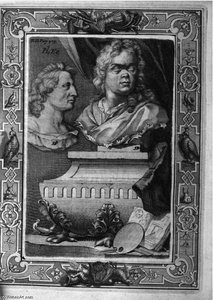
Artist Biography
A Life Immersed in Baroque Splendor: The World of Bertholet Flémal
Bertholet Flémal, a name resonating with the opulent spirit of 17th-century Europe, was born in Liège, Belgium, in 1614. His artistic journey began within a family deeply rooted in craftsmanship—his father, Renier Flémal, was a skilled painter of stained glass. This early exposure to color and form undoubtedly laid the foundation for his future endeavors. Flémal’s initial training took place under the guidance of Henri Trippet, followed by studies with Gérard Douffet, both respected figures in the Liège art scene. These formative years instilled in him a solid technical base, preparing him for the ambitious path that lay ahead.From Rome to Versailles: A Cosmopolitan Career
The year 1638 marked a pivotal moment in Flémal’s life—his first journey to Rome. This sojourn into the heart of artistic innovation proved transformative, exposing him to the masters and the prevailing Baroque aesthetic. His talent quickly garnered attention, leading to an invitation from the Duke of Tuscany to Florence, where he contributed to the decoration of one of his galleries. The allure of Paris soon beckoned, and Flémal found himself immersed in the elaborate world of Louis XIV’s court. He undertook significant decorative work at Versailles, a testament to his growing reputation and skill. Notably, he painted for the sacristy of the church of the Augustinians, creating an *Adoration of the Magi* that showcased his developing style—a blend of dramatic composition and refined detail.A Return to Liège and Royal Recognition
Despite his successes abroad, Flémal maintained a strong connection to his native Liège. He returned in 1647 and dedicated himself to numerous commissions for the region’s churches, becoming a prominent figure in the local artistic community. His patron, Canon Lambert de Liverloo, Chancellor to the Prince-Bishop of Liège, played a crucial role in securing these opportunities. Flémal wasn't solely focused on painting; he also designed religious buildings and fittings, though sadly, none of his architectural work survives today. The pinnacle of his career arrived in 1670 when he was re-invited to Paris by Louis XIV himself. He undertook the monumental task of painting the ceiling of the audience room in the Tuileries Palace—an allegory depicting *Religion Protecting France*. This commission solidified his position as a leading artist, culminating in his appointment as a professor at the prestigious Académie Royale de Peinture et de Sculpture. He was further honored with a canonical prebendary within the collegiate church of St Paul in Liège, demonstrating both his artistic and social standing.Themes, Style, and Lasting Legacy
Flémal’s oeuvre is characterized by religious scenes imbued with Baroque grandeur. His paintings often feature dynamic compositions, rich color palettes (though some critics noted a tendency towards paler hues), and figures rendered with meticulous detail—sometimes perceived as somewhat artificial. He excelled in large-scale decorative projects, creating immersive environments that celebrated faith and power. His most renowned work, *The Glorification of the Holy Cross*, remains a striking example of his artistic vision within St Bartholomew’s Church in Liège. While he is believed to have painted a portrait of Jean-Baptiste Colbert, the influential finance minister, speculation regarding a potential apprenticeship under Jacob Jordaens has remained unverified. Gerard de Lairesse stands as one of his most notable pupils, carrying forward Flémal's artistic traditions. In the twilight of his life, a profound melancholy descended upon him, necessitating medical care in whose house he passed away in 1675. Despite this somber end, Bertholet Flémal left an indelible mark on the Baroque landscape, bridging the gap between local Liège artistry and the international courts of Europe. His work continues to captivate viewers with its blend of technical skill, dramatic flair, and spiritual devotion.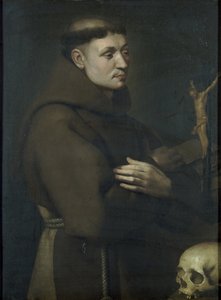
bertholet flémal
1614 - 1675 , Belgium
Quick Facts
- Artistic Movement Or Style: Baroque
- Artists Or Movements Influenced By This Artist: ['Gerard de lairesse']
- Artists Who Influenced This Artist:
- Henri Trippet
- Gerard Douffet
- Date Of Birth: May 23, 1614
- Date Of Death: 1675
- Full Name: Bertholet Flémal
- Nationality: Belgian
- Notable Artworks:
- The Glorification of the Holy Cross
- Le Sacrifice D'iphigenie
- Place Of Birth: Liège, Belgium
Related Articles

Baroque Drama: Bringing Opulence & Emotion into Contemporary Interiors
Explore the opulent world of Baroque interior design! Discover key elements, modern applications & how to bring dramatic elegance into your home with 's authentic reproductions.

The Dramatic Flourish: Exploring the Baroque Movement's Enduring Legacy in Art History
Explore the dramatic world of Baroque art! Discover iconic artists like Caravaggio & Rubens, defining techniques, and its lasting impact on art history. Expert insights for collectors & enthusiasts at ArtsDot.

Baroque Masterpieces: 10 Paintings That Defined an Era |
Journey through the drama & grandeur of Baroque art! Explore 10 masterpieces by Caravaggio, Rembrandt, Rubens & more. Discover stunning oil paintings, rich colors & timeless stories. Find museum-quality reproductions at .
Elegant Art: 10 Masterpieces for a Refined Home |
Indulge in elegance with our Top 10 artworks! Explore masterpieces by Monet, Rembrandt & more. Discover timeless beauty, rich history & inspiring color palettes for your home decor. Find museum-quality art reproductions at .
Decoding Baroque Grandeur: A Guide to the Drama and Emotion of 17th-Century Art
Explore the breathtaking drama of 17th-century Baroque art. Our expert guide decodes the use of chiaroscuro, emotional intensity, and historical grandeur to help you appreciate and curate timeless masterpieces for your collection.