 Send
Send Share
Share
 Details

 Download
 Similars
 Diaporama
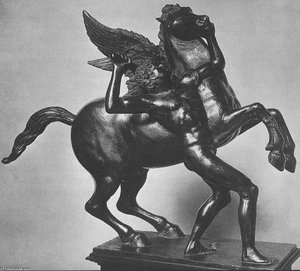
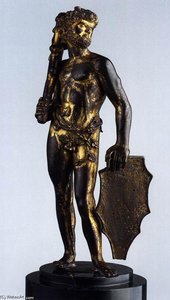
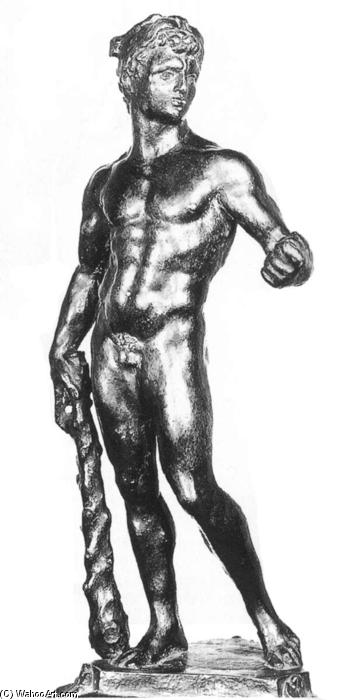
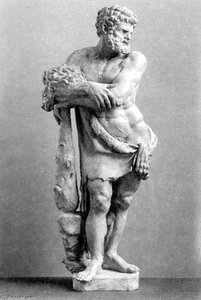
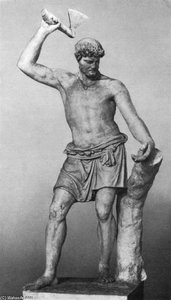
Hercules with the Apple of the Hesperides


 Read More
Giclée / Art Print
Museum-quality giclée or canvas print with fast production and flexible finish options. ( Buy Hand Made Painting Buy Image)




































Pick from our preset sizes that match the artwork's original proportions.

You may enter your own dimensions to fit a specific frame or space. If your selected size does not match the original image's proportions, we will either crop the artwork or extend the image with a mirrored or solid-fill edge. A digital mockup will be sent for your approval before production begins.
Please note that the on-screen preview does not reflect the actual cropping or extension. Only the mockup will accurately show the final composition.
While custom sizes are available, we recommend selecting a dimension from the predefined list to preserve the original proportions.
Worldwide Delivery () in 2 weeks instead of standard 4/5 weeks. (28 August)

Free Worldwide Express Shipping

High-Quality Linen Canvas

Full Shipping Insurance

Customs Tax Refund Guarantee

True Color Matching Guarantee

60-Day Return Policy (Defects Only)

100% Money-Back Guarantee

Bulk Discount Offer
 Glass option is only available in size under 110 CM

Hercules with the Apple of the Hesperides
Giclée / Art Print
Reproduction Size
-


Total Price
$ 63
A Renaissance Masterpiece Reborn
In the heart of the Italian Renaissance, where the shadows of antiquity met the burgeoning light of humanism, Bertoldo di Giovanni sculpted a vision of mythic endurance. Hercules with the Apple of the Hesperides is not merely a depiction of a hero; it is a profound meditation on strength, destiny, and the classical ideals that defined an era. Created around 1470, this work captures the legendary hero in a moment of quiet triumph, his muscular form rendered with a precision that speaks to both his divine lineage and his mortal struggle. For the discerning collector or interior designer, this piece offers more than just aesthetic beauty; it provides a window into a time when art sought to bridge the gap between the earthly and the eternal.
The sculpture breathes through its masterful use of contrapposto, a technique inherited from the great masters of Greece and perfected by Donatello, Bertoldo’s mentor. As Hercules stands, his weight shifts subtly, creating a rhythmic flow of lines that guide the eye across the undulating landscape of his anatomy. Every sinew and muscle is articulated with breathtaking clarity, showcasing a level of craftsmanship that celebrates the human form in its most potent state. The interplay of light and shadow across the smooth surfaces creates a sense of living movement, making the figure appear as though it might step from its pedestal at any moment. This dynamic balance makes the artwork an extraordinary focal point for any sophisticated space, lending an air of classical dignity to a room.
Beyond its physical prowess, the work is steeped in deep symbolic resonance. The apple held by Hercules—the legendary fruit of the Hesperides—serves as a powerful emblem of wisdom and the successful completion of impossible labors. It represents the reward of perseverance and the sweetness of achievement after enduring great hardship. This duality of strength and intellect makes the piece particularly evocative for those who value themes of resilience and growth. Whether displayed as a grand centerpiece in a formal study or as a subtle accent in a contemporary gallery, this reproduction invites viewers to contemplate their own journeys of fortitude.
Integrating such a masterpiece into a modern interior allows for a seamless blend of historical grandeur and contemporary elegance. The monochromatic essence of the sculpture, characterized by its rich textures and sculptural depth, complements a wide variety of design palettes—from the muted tones of minimalist luxury to the bold, dramatic contrasts of neo-classical decor. Owning a high-quality reproduction of Bertoldo di Giovanni’s work is an opportunity to curate an environment filled with intellectual depth and timeless grace, ensuring that the spirit of the Renaissance continues to inspire generations to come.
Related Artworks

Artist Biography
Bertoldo di Giovanni: The Unsung Architect of Renaissance Sculpture
Bertoldo di Giovanni, a name perhaps less familiar than those of his contemporaries Donatello and Michelangelo, nevertheless stands as a pivotal figure in the artistic landscape of 15th-century Florence. Born around 1420 in Poggio a Caiano, a small village near Florence, Bertoldo’s life was inextricably linked to the city's burgeoning artistic spirit and the patronage of the powerful Medici family. His story is one of apprenticeship, mentorship, and ultimately, a quiet but profound influence on some of the greatest artists who would shape Western art history. Initially overlooked by mainstream narratives, recent scholarship has begun to illuminate Bertoldo’s crucial role as both a student of Donatello and a teacher of Michelangelo – a connection that fundamentally altered our understanding of the Renaissance artistic ecosystem.Early Years and Apprenticeship under Donatello
Bertoldo's early life remains somewhat shrouded in mystery, but it is known he was born into a family with German roots, a common occurrence in Florence at the time. He began his artistic training as a young apprentice to the legendary Donatello, one of the most innovative and influential sculptors of the Italian Renaissance. Donatello’s workshop was a crucible of creativity, attracting artists from across Italy and fostering an environment of experimentation and daring. Bertoldo spent many years immersed in this vibrant atmosphere, learning not just technical skills but also Donatello's distinctive approach to capturing human form – his emphasis on realism, dynamism, and psychological depth. Crucially, Bertoldo wasn’t simply a copyist; he absorbed Donatello’s spirit, developing a style that retained elements of the master while gradually forging his own unique voice. His early works, though often small bronzes, demonstrate this evolution, showcasing an increasing confidence and mastery of technique.The Medici Academy and the Shaping of Future Masters
Following Donatello’s death in 1466, Bertoldo continued to work in his workshop, diligently completing unfinished projects – a testament to his dedication and skill. However, his influence extended far beyond the confines of the workshop. Lorenzo de' Medici, recognizing Bertoldo’s talent and experience, established an informal academy within the Medici gardens at San Marco, inviting leading artists from across Italy to study alongside him. This remarkable gathering included Michelangelo, Baccio da Montelupo, Giovanni Francesco Rustici, and Jacopo Sansovino – a constellation of artistic giants who benefited immensely from Bertoldo’s guidance. Bertoldo served as both teacher and custodian of the Medici's vast collection of Roman antiquities, exposing these young artists to classical sculpture and inspiring them to emulate its grandeur and elegance. This environment fostered a dialogue between Renaissance ideals and ancient precedents, profoundly shaping the artistic sensibilities of the next generation.A Sculptor of Medals and Subtle Innovation
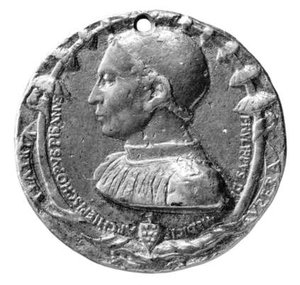
While Bertoldo is not typically regarded as a major sculptor in the same league as Donatello or Michelangelo, his contributions to the art of the medal are significant. He produced a series of exquisitely crafted medals, often depicting historical figures and events – including a notable portrait of Sultan Mehmed the Conqueror. These medals demonstrate a remarkable level of technical skill and artistic sensitivity, showcasing Bertoldo’s ability to capture likenesses with precision and convey complex narratives through subtle details. Interestingly, many of his medals were mistakenly attributed to Antonio del Pollaiolo in the past, highlighting the challenges faced by art historians in accurately assessing the work of lesser-known artists during that period. Bertoldo's meticulous attention to detail and refined style are evident in each piece, revealing a sculptor who possessed a quiet but undeniable mastery of his craft.Legacy and Historical Significance
Bertoldo di Giovanni’s legacy is one of quiet influence and understated brilliance. He was not a revolutionary innovator like Donatello or Michelangelo, but rather a skilled craftsman and dedicated teacher who played a crucial role in shaping the artistic landscape of Florence. His connection to Donatello provided a vital link between the early Renaissance and its later flowering, while his mentorship of Michelangelo ensured that his teachings would continue to resonate for centuries to come. Recent scholarship has rightly begun to re-evaluate Bertoldo’s contributions, recognizing him as an essential figure in the development of Renaissance sculpture and a key player in the Medici court's patronage system. His story serves as a reminder that artistic history is often more complex and nuanced than we initially assume, and that even seemingly minor figures can have a profound impact on the course of art. The Frick Collection’s 2019 exhibition dedicated solely to Bertoldo di Giovanni stands as a testament to this rediscovery, finally bringing his artistry into the spotlight it deserves.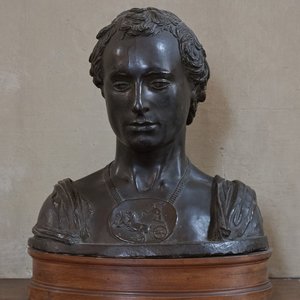
Bertoldo di Giovanni
1435 - 1491 , Italy
Quick Facts
- Artistic Movement Or Style: Renaissance Sculpture
- Artists Or Movements Influenced By This Artist: ['Michelangelo']
- Artists Who Influenced This Artist: ['Donatello']
- Date Of Birth: Florence, Italy (1435)
- Date Of Death: 1491
- Full Name: Bertoldo di Giovanni
- Nationality: Italian
- Notable Artworks:
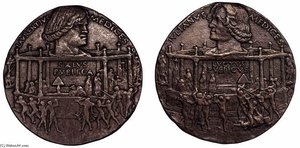
- Last Judgment (reverse)
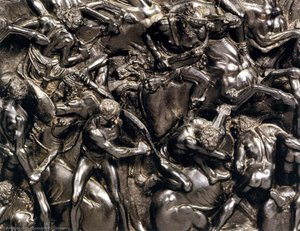
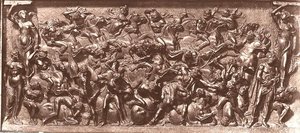
- Battle (with Hercules)
- Shield Bearer
- Place Of Birth: Florence, Italy
Related Articles
Giotto's Masterpieces: 25 Renaissance Artworks for Your Home | ArtsDot
Explore 25 breathtaking artworks by Giotto di Bondone, a Renaissance master. Discover the stories behind iconic frescoes & paintings like the Scrovegni Chapel cycle. Find museum-quality Giotto reproductions and elevate your home decor with ArtsDot.com.

Bronze Sculptures That Defined Art History | ArtsDot
Journey through art history with our Top 10 bronze sculptures! Explore masterpieces by Rodin, Michelangelo & more. Discover stories behind iconic statues and find museum-quality reproductions for your home decor at ArtsDot.com.

The Enduring Form: Exploring Themes & Techniques in Sculpture Across Historical Periods
Explore the rich history of sculpture from ancient masterpieces to contemporary innovations. Discover key techniques, influential artists & investment potential for discerning art collectors.

The Enduring Form: Sculpture Across History, Technique & Emotional Resonance
Explore the rich history of sculpture with ArtsDot. Discover key techniques, influential artists & investment potential for discerning collectors. Expert insights into valuing and collecting timeless masterpieces.

Bronze Age to Modern Masters: 10 Sculptures That Redefined Art | ArtsDot
Journey through art history with 10 legendary bronze sculptures – from Michelangelo's David to Rodin’s Thinker. Explore the stories, techniques & timeless beauty of these masterpieces. Find museum-quality reproductions & elevate your home decor on ArtsDot.com.