 Preview
 Send
Send Share
Share
 Details

 Download
 Similars
 X-Ray
X-Ray Diaporama
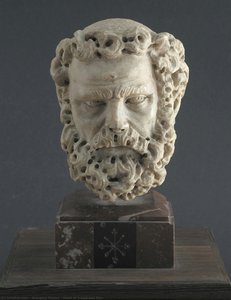
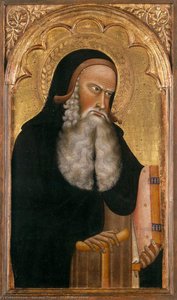
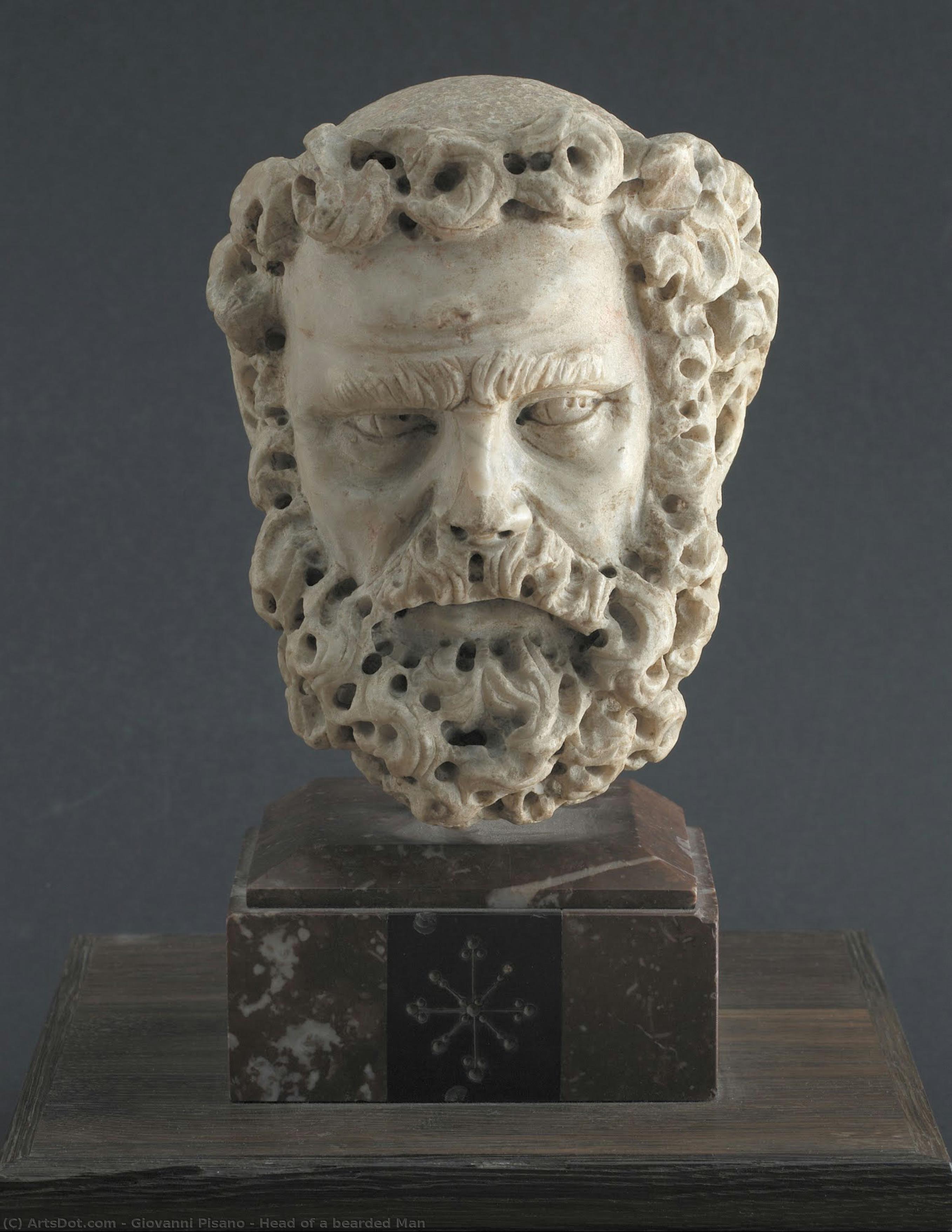
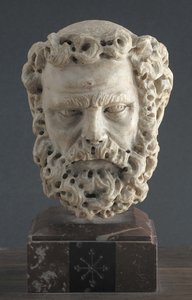
Head of a bearded Man
 Oil On Panel
 1314
1314 12.0 x 17.0 cm
 National Gallery of Denmark
 Read More
Hand Made Oil Reproduction
Hand-painted oil on canvas in your size and frame, made to order by our artists. ( Buy Print Buy Image)




P118B $10

P118H $10

P118W $10

P438Z $10

P508JH $12

P508YH $12

P805H $10

P805Z $10

P919BZ $10

P919G $10

P919XJ $10

P959ZH $10

P968JZ $12

W106C $8

W218G $10

W218JH $8

W218Y $10

W307PJ $10

W316G $10

W316PJ $8

W316Y $10

W398PJ $8

W4111J $10

W500HY $15

W500JH $15

W692G $12

W849H $8

W940BG $15

W953PJ $8




Pick from our preset sizes that match the artwork's original proportions.

You may enter your own dimensions to fit a specific frame or space. If your selected size does not match the original image's proportions, we will either crop the artwork or extend the painting with additional hand-painted elements. A digital mockup will be sent for your approval before production begins.
Please note that the on-screen preview does not reflect the actual cropping or extension. Only the mockup will accurately show the final composition.
While custom sizes are available, we recommend selecting a dimension from the predefined list to preserve the original proportions.
After order, ArtsDot.com team will email client for instructions and provide a mockup preview
Worldwide Delivery () in 3/4 weeks instead of standard 5 weeks. (17 August). No compromise on quality.

Free Worldwide Express Shipping

High-Quality Linen Canvas

Full Shipping Insurance

Customs Tax Refund Guarantee

True Color Matching Guarantee

60-Day Return Policy (Defects Only)

100% Money-Back Guarantee

Bulk Discount Offer
 Glass option is only available in size under 110 CM

Head of a bearded Man
Reproduction Medium
Reproduction Size
-


Total Price
$ 263
Artwork Description
A Testament to Late Gothic Innovation: Giovanni Pisano’s ‘Head of a Bearded Man’
This exquisite 1314 marble head, meticulously crafted by Giovanni Pisano, stands as a pivotal example of Italian late Gothic sculpture and a testament to the enduring legacy of his father, Nicola Pisano. Measuring 12 x 17 cm, this intimate portrait transcends mere representation; it embodies the artistic currents of its time – a synthesis of French Gothic sensibilities with the classical echoes of ancient Rome, reflecting Pisano’s profound training within his father's renowned “botecca” workshop. The sculpture’s power resides not just in its technical mastery but also in its evocative portrayal of human dignity and solemnity, qualities that would define Pisano’s artistic trajectory.
- Provenance: Initially believed to be part of a sepulchral monument commissioned for Margaret of Luxembourg in 1311, recent studies firmly link the head to the destroyed monument itself.
- Style & Technique: The work demonstrates Pisano’s evolution from his father's style, showcasing a burgeoning independence while retaining core elements of Nicola’s innovative approach. The carving is characterized by a remarkable attention to detail – particularly evident in the meticulously rendered beard and the subtly expressive eyes that gaze slightly to the left.
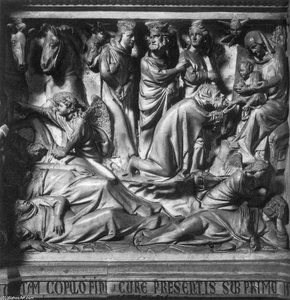
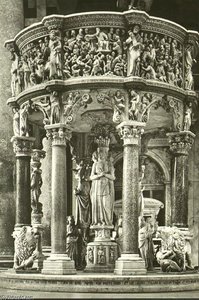
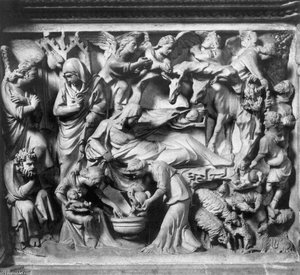
- Context: Created during a period of significant artistic transformation in Italy, this piece aligns with Pisano's involvement in monumental projects like the pulpit at the Pisa Baptistery (1302-1310), demonstrating his growing influence and experimentation within the realm of relief sculpture.
The Legacy of Nicola Pisano and French Gothic Influence
Giovanni Pisano’s artistic journey was inextricably linked to that of his father, Nicola Pisano, a sculptor who revolutionized Italian art with his bold departures from traditional Byzantine models. Nicola's embrace of French Gothic sculpture – particularly its emphasis on emotional expression and dynamic composition – profoundly shaped Giovanni’s own approach. This influence is palpably present in the head’s slightly elongated features and the subtly strained expression, hallmarks of the period’s fascination with portraying human emotion through sculpted form. The work reflects a desire to move beyond purely decorative representations towards a more psychologically nuanced depiction of the subject.
- Nicola Pisano's Impact: Nicola’s pioneering use of expressive realism and his incorporation of Roman classical motifs laid the groundwork for Giovanni’s subsequent artistic explorations.
- French Gothic Echoes: The head’s features – notably the prominent nose and slightly melancholic gaze – are reminiscent of French Gothic sculpture, demonstrating Pisano's engagement with international artistic trends.
Symbolism and Emotional Resonance
Beyond its technical brilliance, the ‘Head of a Bearded Man’ carries significant symbolic weight. The depiction of a bearded man, often associated with wisdom, authority, and divine representation, suggests a reverence for the deceased – a common theme in funerary sculpture. The intense gaze and carefully sculpted features invite contemplation on mortality and the enduring nature of memory. The work's inherent solemnity speaks to the profound respect afforded to the departed within the context of 14th-century Italian society.
A Masterpiece for Collection and Interior Design
This hand-painted reproduction captures the essence of Giovanni Pisano’s artistic genius, offering a unique opportunity to own a piece of pivotal late Gothic sculpture. Its compact size (12 x 17 cm) makes it ideally suited for display in a variety of settings – from private collections to interior design projects seeking a touch of historical elegance and profound artistic contemplation. The meticulous detail and vibrant colors of this reproduction ensure that the enduring beauty and emotional power of Pisano’s original work will be faithfully preserved for generations to come.
Related Artworks
Artist Biography
The Genesis of a Masterpiece: Early Life and Apprenticeship
Giovanni Pisano emerged from the artistic crucible of Pisa, Italy, in 1248. His early life was steeped in the tradition of monumental craftsmanship, as he was the son of the renowned sculptor Nicola Pisano. It is within the very atmosphere of his father's workshop that Giovanni began to absorb the rigorous discipline and soaring ambition characteristic of the Italian Gothic style. These initial years were formative, a period where the echoes of established artistic genius guided his nascent talent. His early collaborations with Nicola on significant works, such as the pulpit in Siena Cathedral (1265–1268) and the fountain fontana maggiore in Perugia (completed 1278), reveal an undeniable mastery of form inherited from his father's hand. While these first pieces bear the unmistakable imprint of Nicola’s style, they serve as a vital prologue to the revolutionary artist Giovanni was destined to become.
A Departure into Innovation: The Shift in Style
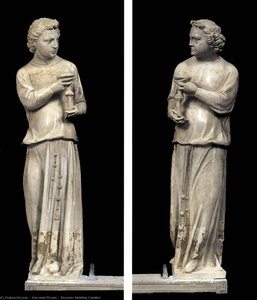
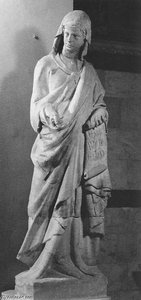
The true blossoming of Giovanni Pisano’s individual genius is marked by a palpable shift away from the serene echoes of his father's work. A pivotal moment arrived with his commissions at Pisa Cathedral, where he sculpted the statues adorning the two rows of traceried gables at the baptistry between 1277 and 1284. These figures possess a newfound vivacity, an energy that signals his artistic emancipation. It was here that Giovanni began to weave together disparate threads of history: the soaring verticality of French Gothic architecture mingling with the robust, classical dignity drawn from ancient Roman art. This synthesis was not merely decorative; it represented a profound intellectual leap in sculptural representation.
Architectural Ambition and Civic Patronage
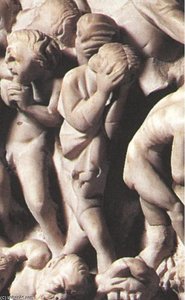
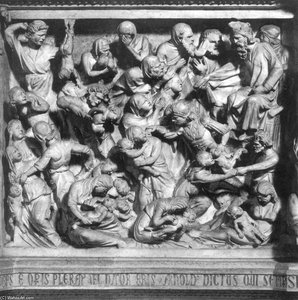
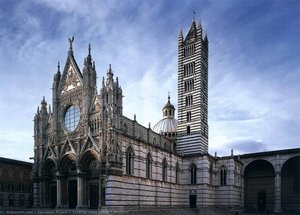
His ambition soon extended beyond mere sculpture to encompass the very structure of sacred spaces. Between 1287 and 1296, Giovanni Pisano was entrusted with the role of chief architect for Siena Cathedral. The facade stands as a monumental testament to his evolving vision—a breathtaking dialogue between Gothic elaboration and classical restraint. His ability to harmonize these seemingly disparate influences gave rise to an aesthetic that defined much of the subsequent Italian artistic trajectory. Later, when he returned to Pisa to begin work on the church of San Giovanni, and subsequently tackled the intricate pulpit at Sant' Andrea in Pistoia (a project initiated earlier), his hand remained decisive. The reliefs adorning this pulpit—depicting scenes from the Annunciation through to the Last Judgement—are masterful narratives carved with both technical brilliance and deep theological resonance.
Legacy: The First Modern Sculptor
Giovanni Pisano’s impact resonated so deeply that even his contemporaries recognized him as a pioneer. Henry Moore, in later times, bestowed upon him the title of "the first modern sculptor," an accolade that speaks volumes about his revolutionary spirit. His work did not simply decorate; it redefined the relationship between art, narrative, and human form. By confidently blending the soaring spirituality of Gothic design with the grounded musculature and idealized forms of Roman antiquity, Giovanni Pisano forged a visual language that bridged the medieval world toward the burgeoning Renaissance. His enduring legacy is one of dynamic transition—a master who guided Italian art from one era into the next.
giovanni pisano
1248 - 1318 , Italy
Quick Facts
- Artistic Movement Or Style: Gothic & Roman blend
- Artists Who Influenced This Artist: ['Nicola Pisano']
- Date Of Birth: 1248
- Date Of Death: 1318
- Full Name: Giovanni Pisano
- Nationality: Italian
- Notable Artworks:
- Siena Cathedral statues
- Madonna with Child
- Place Of Birth: Pisa, Italy
Related Articles

Bronze Sculptures That Defined Art History | ArtsDot
Journey through art history with our Top 10 bronze sculptures! Explore masterpieces by Rodin, Michelangelo & more. Discover stories behind iconic statues and find museum-quality reproductions for your home decor at ArtsDot.com.
The Enduring Allure of Marble in Art History: From Classical Sculpture to Modern Abstraction
Explore the captivating history of marble sculpture from ancient Greece to modern art. Discover renowned artists like Canova & Michelangelo, carving techniques, and investment insights at ArtsDot.

The Enduring Form: Exploring Themes & Techniques in Sculpture Across Historical Periods
Explore the rich history of sculpture from ancient masterpieces to contemporary innovations. Discover key techniques, influential artists & investment potential for discerning art collectors.
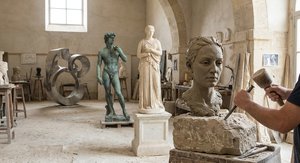
The Enduring Form: Sculpture Across History, Technique & Emotional Resonance
Explore the rich history of sculpture with ArtsDot. Discover key techniques, influential artists & investment potential for discerning collectors. Expert insights into valuing and collecting timeless masterpieces.

Bronze Age to Modern Masters: 10 Sculptures That Redefined Art | ArtsDot
Journey through art history with 10 legendary bronze sculptures – from Michelangelo's David to Rodin’s Thinker. Explore the stories, techniques & timeless beauty of these masterpieces. Find museum-quality reproductions & elevate your home decor on ArtsDot.com.