 Preview
 Send
Send Share
Share
 Details

 Download
 Similars
 X-Ray
X-Ray Diaporama
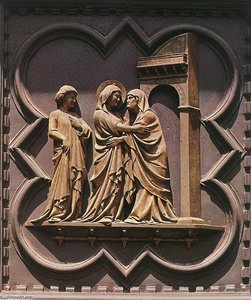
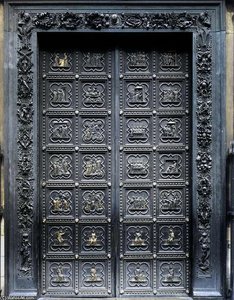
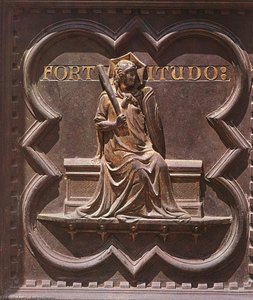
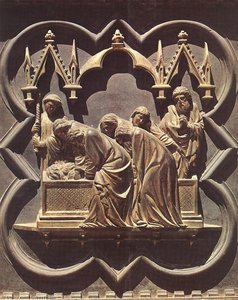
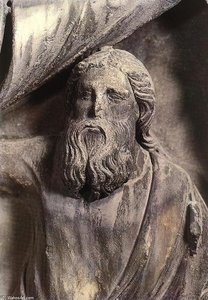
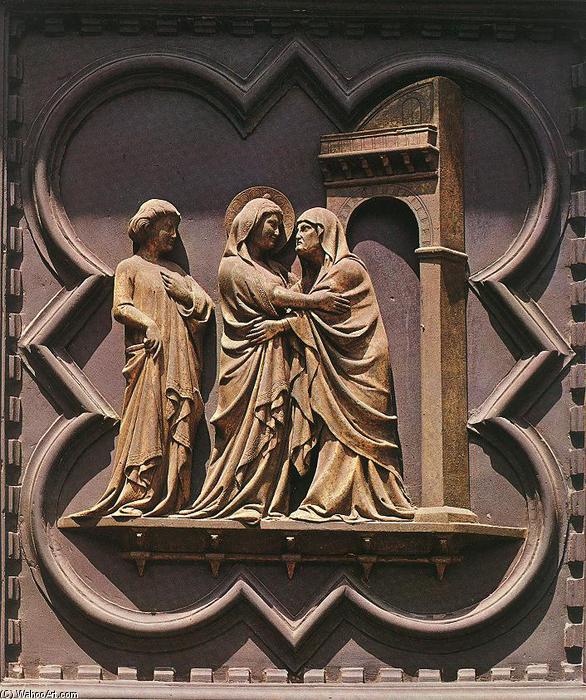
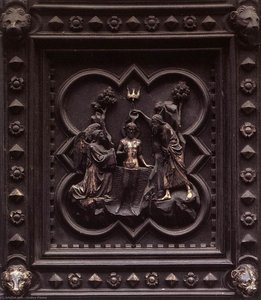
The Visitation (panel of the south doors)


 Read More
Hand Made Oil Reproduction
Hand-painted oil on canvas in your size and frame, made to order by our artists. ( Buy Print Buy Image)




P118B $10

P118H $10

P118W $10

P438Z $10

P508JH $12

P508YH $12

P805H $10

P805Z $10

P919BZ $10

P919G $10

P919XJ $10

P959ZH $10

P968JZ $12

W106C $8

W218G $10

W218JH $8

W218Y $10

W307PJ $10

W316G $10

W316PJ $8

W316Y $10

W398PJ $8

W4111J $10

W500HY $15

W500JH $15

W692G $12

W849H $8

W940BG $15

W953PJ $8




Pick from our preset sizes that match the artwork's original proportions.

You may enter your own dimensions to fit a specific frame or space. If your selected size does not match the original image's proportions, we will either crop the artwork or extend the painting with additional hand-painted elements. A digital mockup will be sent for your approval before production begins.
Please note that the on-screen preview does not reflect the actual cropping or extension. Only the mockup will accurately show the final composition.
While custom sizes are available, we recommend selecting a dimension from the predefined list to preserve the original proportions.
After order, ArtsDot.com team will email client for instructions and provide a mockup preview
Worldwide Delivery () in 3/4 weeks instead of standard 5 weeks. (21 August). No compromise on quality.

Free Worldwide Express Shipping

High-Quality Linen Canvas

Full Shipping Insurance

Customs Tax Refund Guarantee

True Color Matching Guarantee

60-Day Return Policy (Defects Only)

100% Money-Back Guarantee

Bulk Discount Offer
 Glass option is only available in size under 110 CM

The Visitation (panel of the south doors)
Reproduction Medium
Reproduction Size
-


Total Price
$ 263
Artwork Description
The Visitation (panel of the south doors): A Gothic Masterpiece Reflecting Faith and Hope
Andrea Pisano’s “The Visitation,” one of the monumental bronze panels adorning the south doors of Florence Baptistery, stands as a cornerstone of Gothic sculpture and embodies the spiritual fervor of its era. Completed in 1330 during the zenith of Florentine artistic ambition—a period fueled by papal patronage and burgeoning civic pride—this artwork transcends mere decoration; it’s a profound meditation on divine grace and familial devotion.
Style & Technique: Pisano, deeply influenced by Giotto di Bondone's revolutionary naturalism, skillfully blended Byzantine artistic traditions with innovative sculptural approaches. The panel exemplifies Gothic style through its meticulous attention to detail—particularly in the drapery folds—creating an illusion of movement and texture that captures the solemn beauty of the biblical narrative. The bronze casting technique itself was groundbreaking for its time, demanding immense skill and precision from Florentine artisans.
Historical Context: Florence Cathedral’s construction coincided with a dramatic shift in artistic sensibilities. Giotto's pioneering use of perspective and naturalistic representation challenged established conventions, prompting artists like Pisano to push boundaries and explore new expressive possibilities. The Baptistery doors were commissioned by the powerful Calimala guild—a testament to Florence’s economic prosperity and its commitment to commemorating religious saints.
Symbolism & Narrative: “The Visitation” depicts Mary's pilgrimage to Elizabeth, marking a pivotal moment in Christian theology – the annunciation of Jesus Christ. Each figure is imbued with symbolic significance; Mary embodies humility and piety, while Elizabeth represents divine motherhood and unwavering faith. The infant John the Baptist symbolizes innocence and foreshadowing—a reminder that even amidst earthly struggles, God’s plan unfolds miraculously.
Emotional Impact: Pisano's masterful depiction of human emotion – serene contemplation in Mary’s gaze, tender affection between Elizabeth and Mary – resonates powerfully with viewers centuries later. The panel evokes a sense of spiritual serenity and conveys the profound beauty of familial love within a sacred context. It serves as an enduring emblem of faith, hope, and divine compassion—a timeless masterpiece that continues to inspire awe and contemplation.
- Further Exploration: You can delve deeper into Pisano’s artistic legacy by visiting Andrea Pisano’s Artist Database.
- Related Artwork: Admire Nino Pisano's iconic sculptures! Master sculptor of the Renaissance, known for Madonna & Child works, innovative techniques, & influence on art history. See more at Nino Pisano Artist Database.
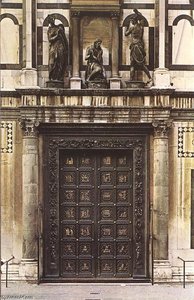
- Detailed View: Explore the South doors panels: 3. Visitation by PISANO, Andrea in detail at The WGA Art Database.
- Inspiring Insight: Discover how Andrea Pisano, South doors, Baptistery of Saint John, Florence is interpreted by Smarthistory at Smarthistory Analysis.
Related Artworks
Artist Biography
Andrea Pisano: Bridging Byzantium and Giotto’s Vision
Andrea Pisano (c. 1290 – 1348 Orvieto) stands as a monumental figure in Italian Renaissance sculpture, yet his artistic legacy is inextricably linked to the preceding Gothic era and profoundly shaped by the revolutionary influence of Giotto di Bondone. Born in Pontecorvo, Lazio, Pisano’s early life remains shrouded in some mystery, though he honed his craft initially as a goldsmith before dedicating himself wholeheartedly to sculpting around 1300 under the tutelage of Mino di Giovanni. This formative apprenticeship instilled in him a mastery of technique and an understanding of monumental design that would characterize his entire oeuvre.- Early Career & Pisa Baptistery Doors: Pisano’s initial renown emerged from his collaborative work on the ambitious Baptistery façade at Pisa Cathedral, alongside Giovanni di Balduccio. Together they embarked upon creating a breathtaking ensemble of bronze doors—a project that epitomized Gothic ambition and showcased Pisano's burgeoning sculptural prowess. The south door, begun in 1330 and completed in 1336, is arguably his masterpiece, featuring exquisitely detailed quatrefoil panels depicting scenes from the life of Saint John the Baptist. These panels demonstrate a remarkable sensitivity to naturalism—a departure from Byzantine conventions—and foreshadowed Giotto’s groundbreaking approach to portraying human figures with unprecedented realism.
- Florence Cathedral & Giotto's Legacy: Pisano swiftly established himself as Florence’s leading sculptor, succeeding Giotto as maestro d’opera in 1340. He undertook the monumental task of constructing a series of reliefs for the Duomo—the cathedral—a project that cemented his reputation and solidified Giotto’s enduring influence on his artistic style. These reliefs, conceived by Pisano himself, are imbued with Giotto's humanist spirit and represent a pivotal moment in Florentine art history.
The Duomo Reliefs: A Testament to Giotto’s Influence
Pisano’s contribution to the Duomo is particularly noteworthy for its ambitious scale and thematic richness. The four colossal panels depicting prophets—Isaiah, Jeremiah, Ezekiel, and Daniel—are considered among the finest examples of Gothic sculpture in Italy. Pisano skillfully captured the solemn dignity and expressive gestures of these biblical figures, mirroring Giotto's revolutionary depiction of human emotion and anatomy. Furthermore, the seven virtues—faith, hope, charity, prudence, justice, temperance, and fortitude—were rendered with meticulous detail, reflecting Giotto’s humanist vision of man as a rational being capable of moral contemplation.- Technique & Innovation: Pisano's sculptural technique was characterized by its precision and virtuosity. He employed a masterful understanding of contrapposto—the balanced stance adopted by human figures—to convey dynamism and realism. His sculptures are imbued with an unparalleled sense of depth and texture, achieved through innovative carving methods that anticipated developments in Renaissance sculpture.
Beyond Florence: Orvieto Cathedral & Artistic Patronage
Pisano’s artistic endeavors extended beyond Florence, culminating in his involvement with the construction of Orvieto Cathedral—a project initiated by Lorenzo Maitani before Pisano's arrival. He oversaw the creation of a monumental bronze doors and contributed significantly to the cathedral’s overall aesthetic grandeur. This undertaking showcased Pisano’s versatility as an architect and sculptor, demonstrating his ability to adapt to diverse artistic traditions while maintaining his distinctive stylistic vision.Historical Significance & Lasting Impact
Andrea Pisano's work represents a crucial bridge between Byzantine art and the burgeoning Renaissance movement. He skillfully assimilated Byzantine sculptural conventions—particularly the stylized depiction of drapery—while simultaneously embracing Giotto’s humanist ideals and pioneering techniques for portraying human anatomy with unprecedented accuracy. His sculptures stand as enduring testaments to the artistic genius of the Gothic period and profoundly influenced subsequent generations of sculptors, establishing him as one of Italy's most influential artists of his time. He died in 1348, leaving behind a legacy that continues to inspire admiration for its beauty and innovation.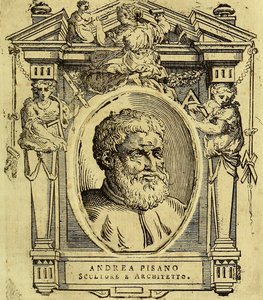
Andrea Pisano
1290 - 1348 , Italy
Quick Facts
- Artistic Movement Or Style: Gothic
- Artists Or Movements Influenced By This Artist: ['Giotto']
- Artists Who Influenced This Artist: ['Mino di Giovanni']
- Date Of Birth: c.1290
- Date Of Death: 1348
- Full Name: Andrea Pisano
- Nationality: Italian
- Notable Artworks:
- Baptistery Doors Florence
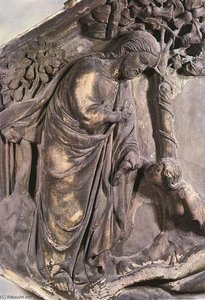
- Shepherd (detail)
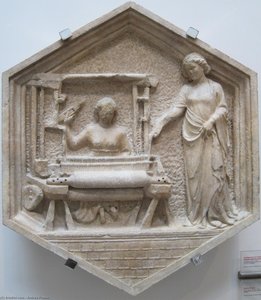
- Weaving (detail)
- Place Of Birth: Pontedera, Italy
Related Articles

Bronze Sculptures That Defined Art History | ArtsDot
Journey through art history with our Top 10 bronze sculptures! Explore masterpieces by Rodin, Michelangelo & more. Discover stories behind iconic statues and find museum-quality reproductions for your home decor at ArtsDot.com.

The Enduring Form: Exploring Themes & Techniques in Sculpture Across Historical Periods
Explore the rich history of sculpture from ancient masterpieces to contemporary innovations. Discover key techniques, influential artists & investment potential for discerning art collectors.

Bronze Age to Modern Masters: 10 Sculptures That Redefined Art | ArtsDot
Journey through art history with 10 legendary bronze sculptures – from Michelangelo's David to Rodin’s Thinker. Explore the stories, techniques & timeless beauty of these masterpieces. Find museum-quality reproductions & elevate your home decor on ArtsDot.com.
The Enduring Form: Sculpture Across History, Technique & Emotional Resonance
Explore the rich history of sculpture with ArtsDot. Discover key techniques, influential artists & investment potential for discerning collectors. Expert insights into valuing and collecting timeless masterpieces.
The Enduring Legacy of Bronze Sculpture: History, Techniques & Contemporary Interpretations
Explore the rich history & enduring appeal of bronze sculpture. Learn about casting techniques, iconic artists, collecting tips, & contemporary interpretations. Expert insights for discerning art collectors.