 Send
Send Share
Share
 Details

 Download
 Similars
 Diaporama
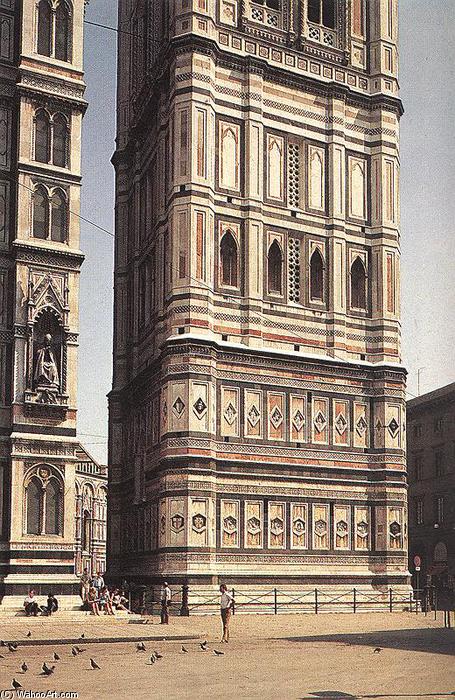
Detail of the Campanile


 Read More
Hand Made Oil Reproduction
Hand-painted oil on canvas in your size and frame, made to order by our artists. ( Buy Print Buy Image)




































Pick from our preset sizes that match the artwork's original proportions.

You may enter your own dimensions to fit a specific frame or space. If your selected size does not match the original image's proportions, we will either crop the artwork or extend the painting with additional hand-painted elements. A digital mockup will be sent for your approval before production begins.
Please note that the on-screen preview does not reflect the actual cropping or extension. Only the mockup will accurately show the final composition.
While custom sizes are available, we recommend selecting a dimension from the predefined list to preserve the original proportions.
After order, ArtsDot.com team will email client for instructions and provide a mockup preview
Worldwide Delivery () in 3/4 weeks instead of standard 5 weeks. (17 August). No compromise on quality.

Free Worldwide Express Shipping

High-Quality Linen Canvas

Full Shipping Insurance

Customs Tax Refund Guarantee

True Color Matching Guarantee

60-Day Return Policy (Defects Only)

100% Money-Back Guarantee

Bulk Discount Offer
 Glass option is only available in size under 110 CM

Detail of the Campanile
Reproduction Medium
Reproduction Size
-


Total Price
$ 263
Artwork Description
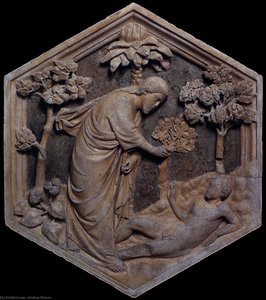
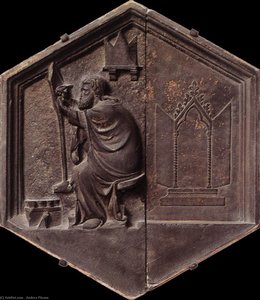
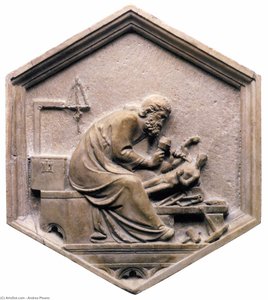
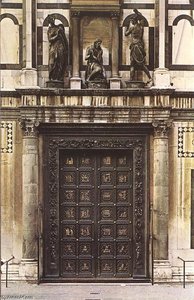
A Moment Frozen in Florentine Grace: Detail of the Campanile by Andrea Pisano
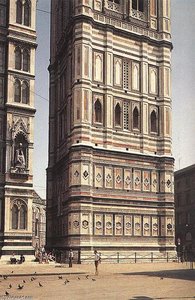
- The photograph captures a quintessential Florentine scene – a vibrant tableau unfolding before the imposing Campanile, one of the iconic towers of the Duomo complex. This isn’t merely a depiction of architecture; it's a window into the soul of Renaissance Florence, meticulously rendered by the hand of Andrea Pisano, a pivotal figure bridging the Gothic and nascent Renaissance styles.
- Pisano’s mastery is immediately evident in the Campanile’s intricate facade. The tower, a testament to Gothic ambition, rises powerfully on the right, its decorative patterns – a hallmark of his time – drawing the eye upwards with an almost devotional quality. Note the careful detailing: the arches, the sculpted elements, and the overall sense of monumental scale reflect Pisano's deep understanding of both Byzantine influences (evident in the rounded forms) and the emerging naturalism championed by Giotto di Bondone, his mentor.
The Echoes of Gothic Splendor
Created around 1300-1348, this “Detail” offers a glimpse into Pisano’s formative years. His collaboration on the Pisan Baptistery doors, alongside Giovanni di Balduccio, established him as a leading sculptor of his time. These doors, a monumental achievement in Gothic sculpture, showcased a sophisticated understanding of narrative and form – qualities that would inform his later work. The influence of Byzantine art is palpable here, particularly in the rounded arches and the overall sense of grandeur, reflecting the artistic currents flowing through Italy during this period.
A Scene of Everyday Life
Beyond the architectural magnificence, the photograph captures a moment of human activity – tourists exploring the historic site. The inclusion of figures walking amongst the architecture adds a layer of realism and invites the viewer to contemplate the intersection of art and life. The small birds scattered across the paved area introduce an element of unexpected beauty and dynamism, subtly disrupting the static grandeur of the tower and creating a sense of tranquility.
Symbolism and Emotional Impact
The overcast sky contributes significantly to the mood – it softens the light, eliminating harsh shadows and lending a contemplative atmosphere. This diffused illumination emphasizes the textures of the stone and highlights the intricate details of Pisano’s design. The composition evokes a sense of awe and wonder at the scale of human endeavor and the enduring power of artistic creation. This reproduction offers an opportunity to own a piece of Florentine history, a tangible connection to one of the most influential artists of the Italian Renaissance.
Related Artworks

Artist Biography
Andrea Pisano: Bridging Byzantium and Giotto’s Vision
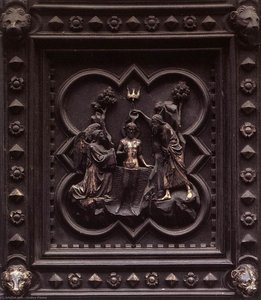
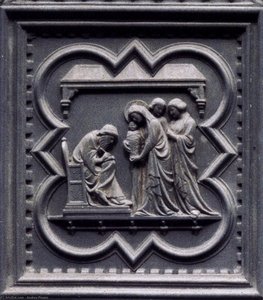
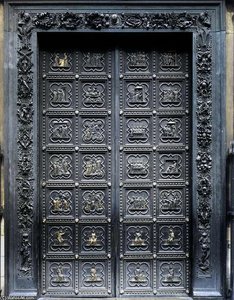
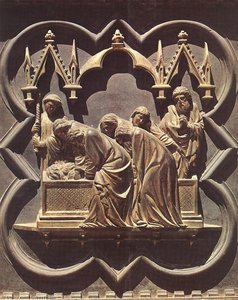
Andrea Pisano (c. 1290 – 1348 Orvieto) stands as a monumental figure in Italian Renaissance sculpture, yet his artistic legacy is inextricably linked to the preceding Gothic era and profoundly shaped by the revolutionary influence of Giotto di Bondone. Born in Pontecorvo, Lazio, Pisano’s early life remains shrouded in some mystery, though he honed his craft initially as a goldsmith before dedicating himself wholeheartedly to sculpting around 1300 under the tutelage of Mino di Giovanni. This formative apprenticeship instilled in him a mastery of technique and an understanding of monumental design that would characterize his entire oeuvre.- Early Career & Pisa Baptistery Doors: Pisano’s initial renown emerged from his collaborative work on the ambitious Baptistery façade at Pisa Cathedral, alongside Giovanni di Balduccio. Together they embarked upon creating a breathtaking ensemble of bronze doors—a project that epitomized Gothic ambition and showcased Pisano's burgeoning sculptural prowess. The south door, begun in 1330 and completed in 1336, is arguably his masterpiece, featuring exquisitely detailed quatrefoil panels depicting scenes from the life of Saint John the Baptist. These panels demonstrate a remarkable sensitivity to naturalism—a departure from Byzantine conventions—and foreshadowed Giotto’s groundbreaking approach to portraying human figures with unprecedented realism.
- Florence Cathedral & Giotto's Legacy: Pisano swiftly established himself as Florence’s leading sculptor, succeeding Giotto as maestro d’opera in 1340. He undertook the monumental task of constructing a series of reliefs for the Duomo—the cathedral—a project that cemented his reputation and solidified Giotto’s enduring influence on his artistic style. These reliefs, conceived by Pisano himself, are imbued with Giotto's humanist spirit and represent a pivotal moment in Florentine art history.
The Duomo Reliefs: A Testament to Giotto’s Influence
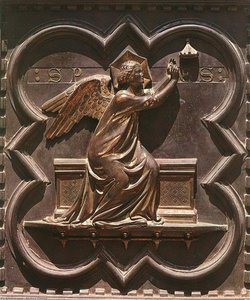
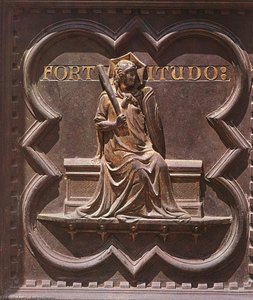
Pisano’s contribution to the Duomo is particularly noteworthy for its ambitious scale and thematic richness. The four colossal panels depicting prophets—Isaiah, Jeremiah, Ezekiel, and Daniel—are considered among the finest examples of Gothic sculpture in Italy. Pisano skillfully captured the solemn dignity and expressive gestures of these biblical figures, mirroring Giotto's revolutionary depiction of human emotion and anatomy. Furthermore, the seven virtues—faith, hope, charity, prudence, justice, temperance, and fortitude—were rendered with meticulous detail, reflecting Giotto’s humanist vision of man as a rational being capable of moral contemplation.- Technique & Innovation: Pisano's sculptural technique was characterized by its precision and virtuosity. He employed a masterful understanding of contrapposto—the balanced stance adopted by human figures—to convey dynamism and realism. His sculptures are imbued with an unparalleled sense of depth and texture, achieved through innovative carving methods that anticipated developments in Renaissance sculpture.
Beyond Florence: Orvieto Cathedral & Artistic Patronage
Pisano’s artistic endeavors extended beyond Florence, culminating in his involvement with the construction of Orvieto Cathedral—a project initiated by Lorenzo Maitani before Pisano's arrival. He oversaw the creation of a monumental bronze doors and contributed significantly to the cathedral’s overall aesthetic grandeur. This undertaking showcased Pisano’s versatility as an architect and sculptor, demonstrating his ability to adapt to diverse artistic traditions while maintaining his distinctive stylistic vision.Historical Significance & Lasting Impact
Andrea Pisano's work represents a crucial bridge between Byzantine art and the burgeoning Renaissance movement. He skillfully assimilated Byzantine sculptural conventions—particularly the stylized depiction of drapery—while simultaneously embracing Giotto’s humanist ideals and pioneering techniques for portraying human anatomy with unprecedented accuracy. His sculptures stand as enduring testaments to the artistic genius of the Gothic period and profoundly influenced subsequent generations of sculptors, establishing him as one of Italy's most influential artists of his time. He died in 1348, leaving behind a legacy that continues to inspire admiration for its beauty and innovation.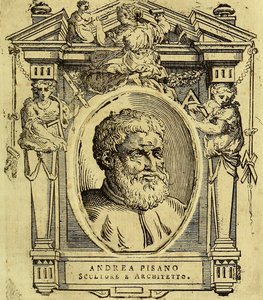
Andrea Pisano
1290 - 1348 , Italy
Quick Facts
- Artistic Movement Or Style: Gothic
- Artists Or Movements Influenced By This Artist: ['Giotto']
- Artists Who Influenced This Artist: ['Mino di Giovanni']
- Date Of Birth: c.1290
- Date Of Death: 1348
- Full Name: Andrea Pisano
- Nationality: Italian
- Notable Artworks:
- Baptistery Doors Florence
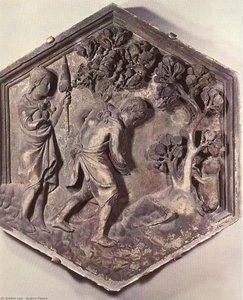
- Shepherd (detail)
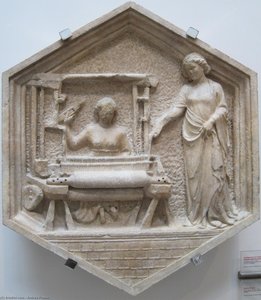
- Weaving (detail)
- Place Of Birth: Pontedera, Italy
Related Articles

Giclée Prints: Archival Quality & Aesthetic Nuances for the Discerning Collector
Explore the world of giclée prints with ArtsDot. Learn about archival quality, aesthetic nuances & investment potential. Expert guidance for discerning art collectors seeking museum-quality reproductions and lasting value.

Echoes of Time: Exploring the Enduring Appeal & Historical Context of Vintage Art Prints
Explore the captivating world of vintage art prints! Discover their history, collecting tips & enduring appeal. Expert insights on chromolithography and building a legacy collection with ArtsDot.

Uffizi's 25 Masterpieces: Renaissance Art & Timeless Decor Inspiration
Journey through the Uffizi Gallery's 25 most iconic Renaissance artworks! Explore Botticelli, Leonardo da Vinci & Michelangelo’s masterpieces. Find museum-quality art reproductions and curated decor ideas to bring timeless Italian beauty into your home. Discover all masterpieces on ArtsDot.com

The Enduring Legacy of Fine Art Prints: Technique, History & Aesthetic Impact
Explore the rich history & techniques of fine art prints. Discover investment potential, assess authenticity, and learn how to preserve your collection with expert guidance. Trusted insights for discerning collectors.
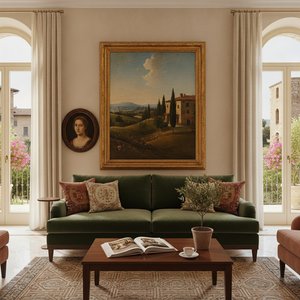
The Art of Italian Living: Transform Your Home with Timeless Landscapes and Renaissance Masterpieces
Elevate your home with the timeless romance of Italy. Discover expert-curated, hand-painted Italian landscapes and Renaissance-inspired masterpieces. From bespoke oil reproductions to custom portraits from photos, transform your space with elegance and artistic passion.