 Preview
 Send
Send Share
Share
 Details

 Download
 Similars
 X-Ray
X-Ray Diaporama
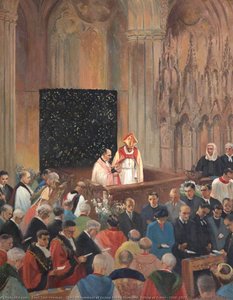
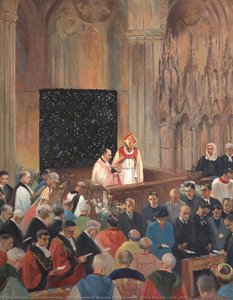
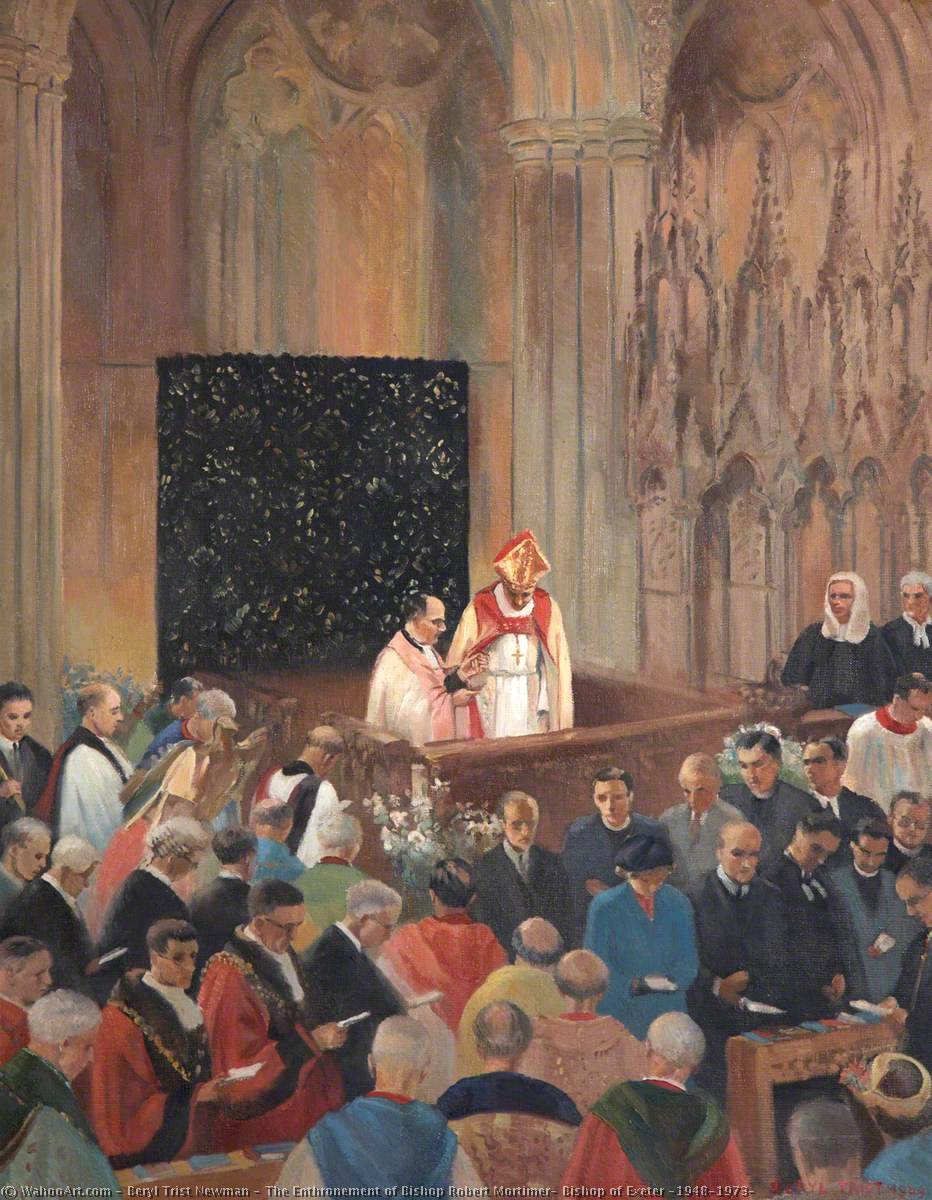
The Enthronement of Bishop Robert Mortimer, Bishop of Exeter (1948–1973)
 1949
1949 90.0 x 70.0 cm
 The Palace
 Read More
Hand Made Oil Reproduction
Hand-painted oil on canvas in your size and frame, made to order by our artists. ( Buy Print Buy Image)




































Pick from our preset sizes that match the artwork's original proportions.

You may enter your own dimensions to fit a specific frame or space. If your selected size does not match the original image's proportions, we will either crop the artwork or extend the painting with additional hand-painted elements. A digital mockup will be sent for your approval before production begins.
Please note that the on-screen preview does not reflect the actual cropping or extension. Only the mockup will accurately show the final composition.
While custom sizes are available, we recommend selecting a dimension from the predefined list to preserve the original proportions.
After order, ArtsDot.com team will email client for instructions and provide a mockup preview
Worldwide Delivery () in 3/4 weeks instead of standard 5 weeks. (26 August). No compromise on quality.

Free Worldwide Express Shipping

High-Quality Linen Canvas

Full Shipping Insurance

Customs Tax Refund Guarantee

True Color Matching Guarantee

60-Day Return Policy (Defects Only)

100% Money-Back Guarantee

Bulk Discount Offer
 Glass option is only available in size under 110 CM

The Enthronement of Bishop Robert Mortimer, Bishop of Exeter (1948–1973)
Reproduction Medium
Reproduction Size
-


Total Price
$ 263
Related Artworks










Artist Biography
A Life Dedicated to Portraiture: The World of Beryl Trist Newman
Beryl Trist Newman is a British artist whose work offers a compelling window into the mid-20th century, particularly its social and religious landscapes. While not a household name, her dedication to portraiture – especially depictions of notable figures within the Church of England and scenes from wartime life – has created a significant body of work that speaks volumes about the era. Newman’s artistic journey is one rooted in meticulous observation, technical skill, and a deep empathy for her subjects. Born in , she continues to paint today, offering a rare continuity of vision spanning decades.
Early Influences and Artistic Development
Newman's early life provided the foundation for her later artistic pursuits. Though specific details regarding her formal training remain somewhat elusive, it’s clear that she developed a strong grounding in traditional techniques. Her work doesn’t immediately align with any single avant-garde movement of the time; instead, it reflects a commitment to realism and a desire to capture likeness with accuracy and sensitivity. This suggests an early exposure to classical portraiture and perhaps the influence of artists like John Singer Sargent or William Orpen, masters of capturing both physical resemblance and psychological depth. The prevailing artistic climate of post-war Britain, while embracing abstraction, also maintained a strong tradition of figurative painting, providing Newman with a supportive context for her chosen path.
Portraying Faith and Leadership: Commissions within the Church of England
Newman’s most recognizable work centers around portraits commissioned by the Church of England. She became particularly known for her depictions of bishops, archdeacons, and other prominent figures within the Anglican communion. These are not merely formal representations; Newman imbues each portrait with a sense of character and dignity. Her skill lies in conveying not just *how* these individuals looked, but also suggesting their inner lives – their piety, intellect, and dedication to their calling. The portraits often feature rich, warm color palettes and careful attention to detail in clothing and surroundings, reflecting the status and importance of her sitters. She masterfully captured the gravitas expected of religious leaders while simultaneously revealing their humanity.
Wartime Reflections: Documenting Life in Military Hospitals
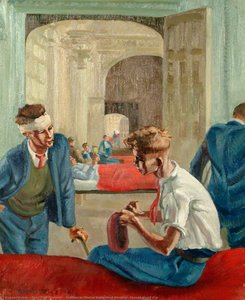
Beyond ecclesiastical commissions, Newman’s work also includes poignant depictions of life within military hospitals during and after World War II. These paintings offer a powerful glimpse into the realities of wartime recovery – the quiet moments of resilience, the dedication of medical staff, and the physical and emotional toll on wounded soldiers. Unlike official war art that often focused on heroic battles or grand strategies, Newman’s work is intimate and personal. She portrays scenes of everyday life: patients receiving care, doctors attending to injuries, families visiting loved ones. These paintings are not sensationalized; they are marked by a quiet dignity and a profound respect for the individuals depicted. They stand as a testament to the often-unseen sacrifices and struggles of those affected by conflict.
Legacy and Historical Significance
Beryl Trist Newman’s contribution to British art lies in her unwavering commitment to portraiture as a means of documenting both individuals and societal shifts. Her portraits of Church leaders provide a valuable visual record of the Anglican hierarchy during a period of significant change, while her wartime paintings offer a deeply human perspective on the aftermath of conflict. While she may not have sought widespread fame, her work has quietly accumulated significance over time. Her ability to capture both likeness and character ensures that her portraits will continue to resonate with viewers for generations to come. Her dedication to traditional techniques in an era of experimentation also serves as a reminder of the enduring power of realism and the importance of skilled observation. Newman’s continued artistic practice is itself remarkable, offering a rare example of sustained creative vision across decades, solidifying her place as a notable figure within 20th and 21st-century British art.