 Preview
 Send
Send Share
Share
 Details

 Download
 Similars
 X-Ray
X-Ray Diaporama
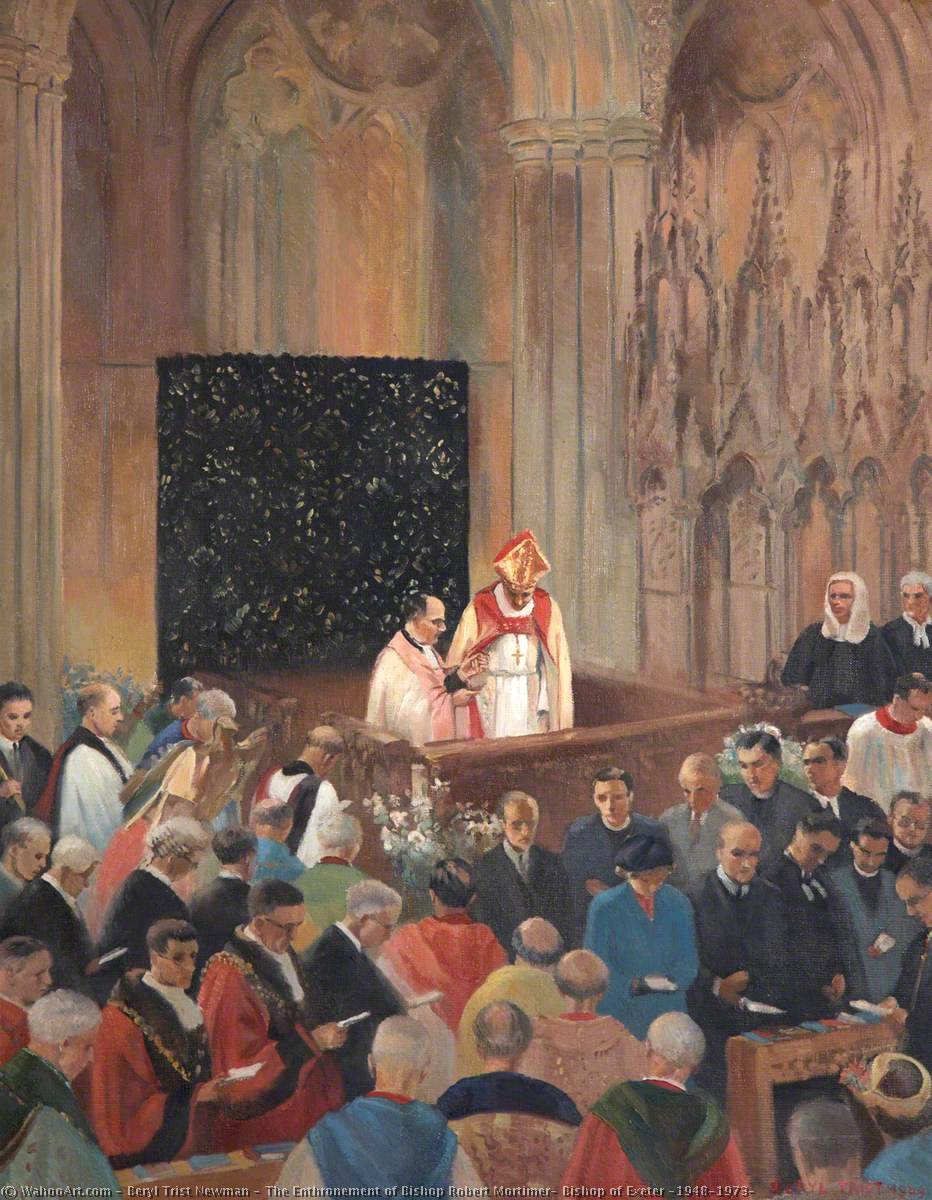
The Enthronement of Bishop Robert Mortimer, Bishop of Exeter (1948–1973)
 1949
1949 90.0 x 70.0 cm
 The Palace
 Read More
Purchase a high-resolution, enhanced digital image, far superior to the online preview.
Each file is meticulously prepared by our in-house specialists using advanced tools and expert manual retouching. We ensure every image has exceptional clarity, precise color accuracy, and fine detail.
The final file is delivered via email within 72 hours, optimized for immediate use in professional, editorial, and print environments. This is the same quality trusted by top-tier design studios, publishers, and galleries.
Digital Image
Download a high-resolution file for personal display, printing, and creative projects. ( Buy Print Buy Hand Made Painting)
Included in Every Digital Image Order
Expert Digital Delivery, Guaranteed
When you choose ArtsDot.com, you're not just getting an image - you're receiving a professionally enhanced digital artwork, crafted with precision and backed by a satisfaction guarantee. Here's everything that comes with your order, automatically:

Fast Email Delivery
Your high-resolution digital image file will be emailed to you within 72 hours of ordering - ready for immediate use.

AI-Enhanced Digital File
Your artwork is professionally optimized using advanced AI tools and manual editing, ensuring maximum detail, clarity, and color accuracy.

Free Lifetime Re-Delivery
Accidentally deleted or lost your file? No worries - we'll resend it to you anytime, free of charge.

No Import Fees - Ever
Enjoy your artwork instantly with zero customs, duties, or delivery fees - digital downloads are always tax-free.

Color Accuracy Guarantee
We ensure your digital image reflects the original colors as closely as possible using professional tools and color management.

60-Day Satisfaction Guarantee
If you're not satisfied with your digital image, we'll revise it or refund 100% within 60 days - no questions asked.

100% Money-Back Guarantee
Not satisfied? Get a full refund within 60 days of receiving your digital file - no questions asked.

Bulk Order Discounts
Buy 3 images, save 10% - Buy 5, save 15% - Buy 10+, save 20%. Great for creative projects, galleries, and agencies.
Related Artworks










Artist Biography
A Life Dedicated to Portraiture: The World of Beryl Trist Newman
Beryl Trist Newman is a British artist whose work offers a compelling window into the mid-20th century, particularly its social and religious landscapes. While not a household name, her dedication to portraiture – especially depictions of notable figures within the Church of England and scenes from wartime life – has created a significant body of work that speaks volumes about the era. Newman’s artistic journey is one rooted in meticulous observation, technical skill, and a deep empathy for her subjects. Born in , she continues to paint today, offering a rare continuity of vision spanning decades.
Early Influences and Artistic Development
Newman's early life provided the foundation for her later artistic pursuits. Though specific details regarding her formal training remain somewhat elusive, it’s clear that she developed a strong grounding in traditional techniques. Her work doesn’t immediately align with any single avant-garde movement of the time; instead, it reflects a commitment to realism and a desire to capture likeness with accuracy and sensitivity. This suggests an early exposure to classical portraiture and perhaps the influence of artists like John Singer Sargent or William Orpen, masters of capturing both physical resemblance and psychological depth. The prevailing artistic climate of post-war Britain, while embracing abstraction, also maintained a strong tradition of figurative painting, providing Newman with a supportive context for her chosen path.
Portraying Faith and Leadership: Commissions within the Church of England
Newman’s most recognizable work centers around portraits commissioned by the Church of England. She became particularly known for her depictions of bishops, archdeacons, and other prominent figures within the Anglican communion. These are not merely formal representations; Newman imbues each portrait with a sense of character and dignity. Her skill lies in conveying not just *how* these individuals looked, but also suggesting their inner lives – their piety, intellect, and dedication to their calling. The portraits often feature rich, warm color palettes and careful attention to detail in clothing and surroundings, reflecting the status and importance of her sitters. She masterfully captured the gravitas expected of religious leaders while simultaneously revealing their humanity.
Wartime Reflections: Documenting Life in Military Hospitals
Beyond ecclesiastical commissions, Newman’s work also includes poignant depictions of life within military hospitals during and after World War II. These paintings offer a powerful glimpse into the realities of wartime recovery – the quiet moments of resilience, the dedication of medical staff, and the physical and emotional toll on wounded soldiers. Unlike official war art that often focused on heroic battles or grand strategies, Newman’s work is intimate and personal. She portrays scenes of everyday life: patients receiving care, doctors attending to injuries, families visiting loved ones. These paintings are not sensationalized; they are marked by a quiet dignity and a profound respect for the individuals depicted. They stand as a testament to the often-unseen sacrifices and struggles of those affected by conflict.
Legacy and Historical Significance
Beryl Trist Newman’s contribution to British art lies in her unwavering commitment to portraiture as a means of documenting both individuals and societal shifts. Her portraits of Church leaders provide a valuable visual record of the Anglican hierarchy during a period of significant change, while her wartime paintings offer a deeply human perspective on the aftermath of conflict. While she may not have sought widespread fame, her work has quietly accumulated significance over time. Her ability to capture both likeness and character ensures that her portraits will continue to resonate with viewers for generations to come. Her dedication to traditional techniques in an era of experimentation also serves as a reminder of the enduring power of realism and the importance of skilled observation. Newman’s continued artistic practice is itself remarkable, offering a rare example of sustained creative vision across decades, solidifying her place as a notable figure within 20th and 21st-century British art.