 Preview
 Send
Send Share
Share
 Details

 Download
 Similars
 X-Ray
X-Ray Diaporama
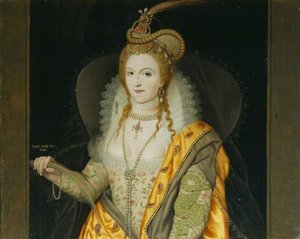
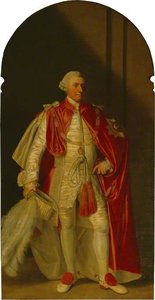
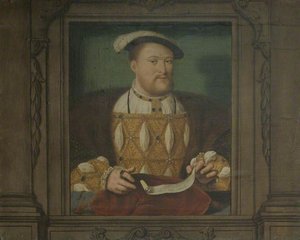
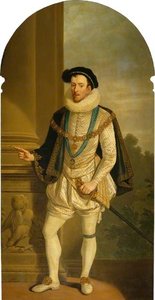
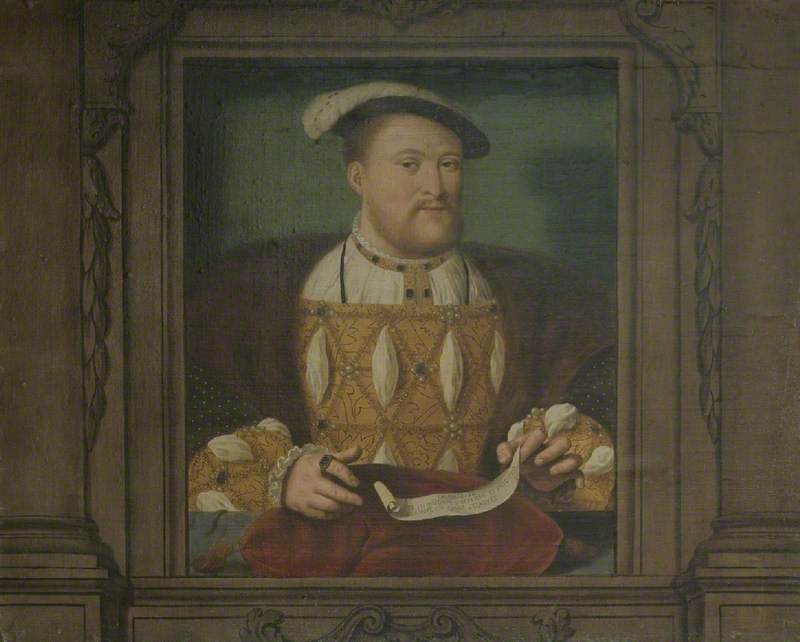
Henry VIII (1491–1547)
 Early Northern Renaissance
 1786
1786 86.0 x 109.0 cm
 Read More
Hand Made Oil Reproduction
Hand-painted oil on canvas in your size and frame, made to order by our artists. ( Buy Print Buy Image)




































Pick from our preset sizes that match the artwork's original proportions.

You may enter your own dimensions to fit a specific frame or space. If your selected size does not match the original image's proportions, we will either crop the artwork or extend the painting with additional hand-painted elements. A digital mockup will be sent for your approval before production begins.
Please note that the on-screen preview does not reflect the actual cropping or extension. Only the mockup will accurately show the final composition.
While custom sizes are available, we recommend selecting a dimension from the predefined list to preserve the original proportions.
After order, ArtsDot.com team will email client for instructions and provide a mockup preview
Worldwide Delivery () in 3/4 weeks instead of standard 5 weeks. (17 August). No compromise on quality.

Free Worldwide Express Shipping

High-Quality Linen Canvas

Full Shipping Insurance

Customs Tax Refund Guarantee

True Color Matching Guarantee

60-Day Return Policy (Defects Only)

100% Money-Back Guarantee

Bulk Discount Offer
 Glass option is only available in size under 110 CM

Henry VIII (1491–1547)
Reproduction Medium
Reproduction Size
-


Total Price
$ 263
Related Artworks
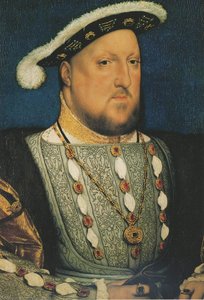
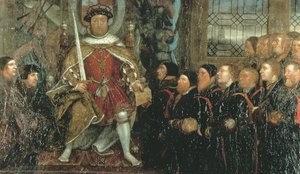
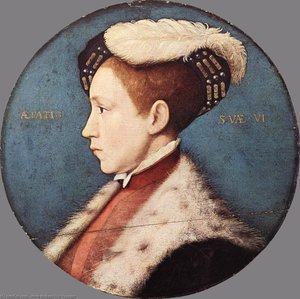
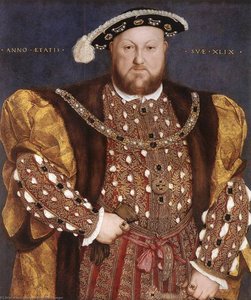
Artist Biography
Biagio Rebecca (1735 - 1808): The Decorative Painter of Enlightenment England
Biagio Rebecca (1735 – 1808) stands as a pivotal figure in the decorative arts of the late eighteenth century, particularly renowned for his collaborations with Robert Adam and Angelica Kauffman. Born in Osimo, near Ancona, Italy, he embarked on an artistic journey that culminated in establishing himself as a celebrated neoclassical painter primarily active in England, where he profoundly shaped the aesthetic landscape of aristocratic interiors. His legacy resides not merely in individual canvases but in the monumental decorative schemes that graced some of Britain’s most opulent residences—Harewood House, Kedleston Hall, and Heaton Hall—marking him as an indispensable contributor to the burgeoning Rococo-Neoclassical dialogue.Early Training and Artistic Foundations
Rebecca's formative years were spent honing his craft in Rome under the tutelage of Giuseppe Bolognese, a prominent exponent of Caravaggism. This immersion in Baroque painting instilled within him a mastery of dramatic chiaroscuro—the interplay of light and shadow—a technique that would become characteristic of his later works. Bolognese’s influence extended beyond mere stylistic imitation; it fostered an appreciation for emotional intensity and psychological realism, qualities Rebecca skillfully incorporated into his artistic endeavors. His apprenticeship solidified his understanding of classical ideals and established a bedrock of artistic principles that guided his subsequent career.Collaboration with Robert Adam: Shaping English Taste
Rebecca’s partnership with Robert Adam represents arguably the apex of his creative output. Adam, considered the foremost architect of his era, championed a distinctly neoclassical style characterized by symmetry, restraint, and elegant ornamentation—a reaction against the excesses of Rococo. Together, they embarked on ambitious projects transforming grand estates into embodiments of refined taste and intellectual sophistication. Rebecca’s frescoes at Harewood House and Kedleston Hall exemplify this collaboration brilliantly, depicting mythological narratives with meticulous detail and conveying a palpable sense of grandeur. His ability to synthesize Adam's architectural vision with his own artistic sensibilities cemented his reputation as the quintessential decorative painter of the Enlightenment.Notable Commissions and Artistic Achievements
Beyond his collaborations with Adam, Rebecca secured commissions for numerous prestigious venues across England, including Heaton Hall and Somerset House. His frescoes at Heaton Hall showcased a masterful command of color and composition, capturing the dynamism of classical themes with remarkable precision. At Somerset House, he undertook a monumental undertaking—the decoration of the Old Lecture Room—working alongside Angelica Kauffman to create an immersive environment reflecting scholarly pursuits and artistic excellence. These commissions underscored Rebecca’s versatility as an artist and solidified his position among Britain's leading decorative painters.Legacy and Influence
Biagio Rebecca’s contribution to British art history extends beyond the visual realm; he profoundly influenced subsequent generations of artists. His meticulous attention to detail, coupled with his unwavering commitment to classical ideals, established a benchmark for neoclassical painting—inspiring artists to strive for stylistic purity and emotional resonance. Although overshadowed by contemporaries like Reynolds and Gainsborough, Rebecca’s enduring legacy resides in the indelible mark he left on the decorative arts and in his role as a pivotal figure in shaping England's aesthetic sensibilities during the Enlightenment. His works continue to captivate audiences today, serving as testament to the power of artistic vision and collaborative creativity.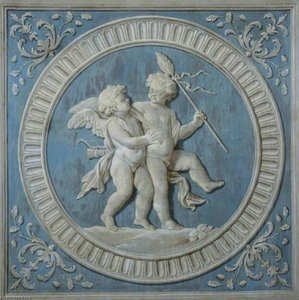
biagio rebecca
1735 - 1808
Quick Facts
- Artistic Movement Or Style: Neoclassical Art
- Artists Or Movements Influenced By This Artist: ['Robert Adam']
- Artists Who Influenced This Artist: ['Antonio Zucchi']
- Date Of Death: 1808
- Full Name: Biagio Rebecca
- Nationality: Italian
- Notable Artworks:
- Chimney Board
- The Honourable Anne Griffin
- Place Of Birth: Osimo, Italy
Related Articles
Henri Matisse's Masterpieces: Explore 25 Iconic Paintings & Art Decor Ideas
Journey through Henri Matisse's 25 most iconic paintings! Explore Fauvism, vibrant colors & the stories behind masterpieces like 'The Dance'. Find museum-quality art reproductions and curated decor ideas to elevate your space. Discover all masterpieces on ArtsDot.com.

The Enduring Legacy of Oil on Canvas: Technique, History & Aesthetic Impact
Explore the rich history & techniques of oil painting – from Renaissance masters to Impressionism. Discover pigments, layering methods, and why this timeless medium endures. Expert insights for artists & art enthusiasts.

Oil on Canvas: A Historical & Technical Exploration of a Timeless Artistic Medium
Explore the rich history & enduring techniques of oil painting on canvas. Discover the science behind its longevity, conservation practices, and contemporary relevance. Expert insights for art enthusiasts.

The Enduring Power of Painting: A Historical & Contemporary Exploration of Form and Emotion
Explore the rich history & enduring techniques of oil painting with ArtsDot. Discover masterpieces, learn about art collecting, and find authentic handmade reproductions crafted by skilled artists.

The Enduring Legacy of Oil on Canvas: Technique, History & Contemporary Practice
Explore the rich history & enduring techniques of oil painting on canvas. Discover the science behind its longevity, conservation practices, and contemporary relevance. Expert insights for art enthusiasts.