 Preview
 Send
Send Share
Share
 Details

 Download
 Similars
 X-Ray
X-Ray Diaporama
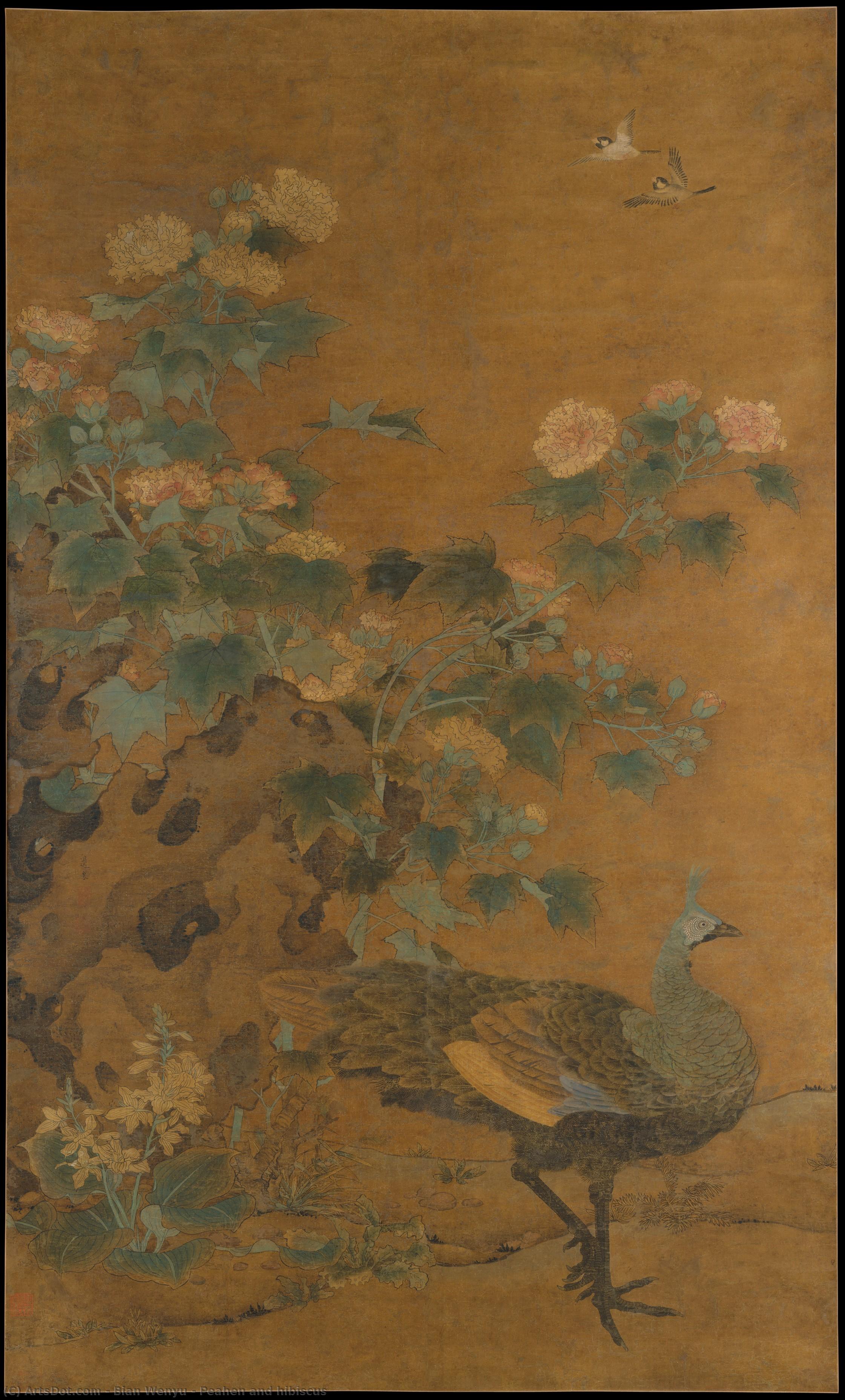
Peahen and hibiscus
 Ink
Ink- WallArt
- Chinese Painting
 301
301- Early Modern
 170.0cm x 102.0cm
 Read More
Hand Made Oil Reproduction
Hand-painted oil on canvas in your size and frame, made to order by our artists. ( Buy Print Buy Image)




P118B $10

P118H $10

P118W $10

P438Z $10

P508JH $12

P508YH $12

P805H $10

P805Z $10

P919BZ $10

P919G $10

P919XJ $10

P959ZH $10

P968JZ $12

W106C $8

W218G $10

W218JH $8

W218Y $10

W307PJ $10

W316G $10

W316PJ $8

W316Y $10

W398PJ $8

W4111J $10

W500HY $15

W500JH $15

W692G $12

W849H $8

W940BG $15

W953PJ $8




Pick from our preset sizes that match the artwork's original proportions.

You may enter your own dimensions to fit a specific frame or space. If your selected size does not match the original image's proportions, we will either crop the artwork or extend the painting with additional hand-painted elements. A digital mockup will be sent for your approval before production begins.
Please note that the on-screen preview does not reflect the actual cropping or extension. Only the mockup will accurately show the final composition.
While custom sizes are available, we recommend selecting a dimension from the predefined list to preserve the original proportions.
After order, ArtsDot.com team will email client for instructions and provide a mockup preview
Worldwide Delivery () in 3/4 weeks instead of standard 5 weeks. (26 August). No compromise on quality.

Free Worldwide Express Shipping

High-Quality Linen Canvas

Full Shipping Insurance

Customs Tax Refund Guarantee

True Color Matching Guarantee

60-Day Return Policy (Defects Only)

100% Money-Back Guarantee

Bulk Discount Offer
 Glass option is only available in size under 110 CM

Peahen and hibiscus
Reproduction Medium
Reproduction Size
-


Total Price
$ 263
Artwork Description
A Symphony of Silk and Splendor
In the delicate dance between nature and artistry, few works capture the serene majesty of the Ming Dynasty quite like Peahen and Hibiscus. Created by the masterful hand of Bian Wenyu Sheng Maoye and others, this monumental silk painting serves as a breathtaking window into a world of refined elegance. As one gazes upon the composition, the eye is immediately drawn to the peahen, whose dignified presence anchors the lower portion of the canvas. Surrounded by a lush, vertical arrangement of hibiscus blossoms and verdant foliage, the bird exists within a sanctuary of botanical abundance. The artwork does not merely depict a scene; it invites the viewer into a meditative state, where the rhythmic flow of branches and the soft, layered petals create a sense of eternal spring.
The technical prowess displayed in this piece is nothing short of extraordinary, reflecting the prestigious traditions of the Song Imperial Painting Academy. Executed on fine silk, the painting utilizes a sophisticated interplay of calligraphic precision and delicate shading. The artist employs fine, rhythmic lines to define the intricate textures of the peahen’s plumage, making each feather appear soft and lifelike, while simultaneously using more rugged, gritty strokes to render the ancient rock formation in the corner. This mastery of contrast—between the ethereal lightness of the blossoms and the grounded weight of the stone—demonstrates a profound understanding of representational illusionism. The color palette, dominated by warm ochre and gold tones, provides a harmonious backdrop that allows the subtle accents of pink, green, and deep blue to glow with a quiet, internal light.
Symbolism and the Soul of the Ming Dynasty
Beyond its visual splendor, Peahen and Hibiscus is a profound tapestry of cultural meaning. In the lexicon of traditional Chinese art, every element carries a weight of symbolic intention. The hibiscus flowers are celebrated emblems of beauty, grace, and transient elegance, while the peahen embodies strength, resilience, and a certain noble dignity. Together, they form a hua-niao (flower-and-bird) composition that speaks to the harmony between the animate and inanimate worlds. This balance is mirrored in the painting's structure; though the foliage is densely packed, creating a sense of natural exuberance, the overall atmosphere remains one of profound tranquility and peace.
For the discerning collector or interior designer, this artwork offers more than just aesthetic appeal; it provides an emotional anchor for any space. The diffused lighting and flattened perspective characteristic of this era evoke a timeless quality, making it an ideal centerpiece for environments that value sophistication and historical depth. Whether displayed in a sunlit gallery or a curated private study, a high-quality oil reproduction of this masterpiece brings with it the legacy of the Ming Dynasty—a legacy of meticulous craftsmanship, spiritual harmony, and an enduring appreciation for the exquisite wonders of the natural world.
Related Artworks
Artist Biography
The Serene World of Bian Wenyu Sheng Maoye
Bian Wenyu, often recognized as Bian Wenyu Sheng Maoye and others, stands as a pivotal figure in the vibrant tapestry of Ming Dynasty Chinese painting. Born in Beijing around 1576 and passing away in 1655, his life coincided with a period of significant artistic flourishing, yet he carved out a distinctive style that continues to resonate today. While much remains shrouded in the mists of history surrounding individual artists during this era – records were often incomplete or deliberately obscured – we can piece together a portrait of an artist deeply immersed in the traditions of Chinese landscape and bird-and-flower painting, while simultaneously injecting his own quiet observation and refined sensibility. His work offers a glimpse into a world of serene beauty, meticulously rendered with a mastery of brushwork and color that speaks volumes about his dedication to his craft.A Life Rooted in Artistic Tradition
Details regarding Bian Wenyu’s early life are scarce, but it is understood he was trained within the established artistic circles of Beijing. The Ming Dynasty witnessed a flourishing of both courtly and secular painting styles, with artists drawing inspiration from classical literati traditions – emphasizing simplicity, spontaneity, and a connection to nature. These literati painters valued personal expression and often incorporated poetry and calligraphy into their works, elevating them beyond mere depictions of the natural world. Bian Wenyu’s work clearly reflects this influence, particularly in his use of understated compositions and evocative brushstrokes that invite contemplation rather than overt display. He was part of a lineage of artists who sought to capture the essence of Chinese landscapes and the delicate beauty of flora and fauna, creating works imbued with a sense of tranquility and harmony.The Language of Brush and Ink: Technique and Style
Bian Wenyu’s primary medium was paper, a deliberate choice that allowed for portability and facilitated his artistic practice. His style is characterized by a remarkable control over ink washes – *shui* – creating subtle gradations of tone and texture. He employed a loose, expressive brushstroke, avoiding overly rigid lines or detailed rendering. This approach prioritized capturing the spirit of the subject rather than photographic accuracy. The ‘Peahen and Hibiscus’ (Peahen and Hibiscus), perhaps his most celebrated work, exemplifies this perfectly. Notice how he doesn't meticulously detail each feather or petal; instead, he uses washes to suggest their form and texture, conveying a sense of movement and vitality through the interplay of light and shadow. The composition itself is carefully balanced, with the vibrant peahen contrasting beautifully against the delicate hibiscus – a common motif in Chinese art symbolizing beauty, prosperity, and longevity.- Ink Wash Technique: Bian Wenyu’s mastery lay in his ability to manipulate ink washes to create depth, texture, and atmosphere.
- Loose Brushwork: He favored a fluid, expressive brushstroke that prioritized capturing the essence of the subject over precise detail.
- Compositional Balance: His works often featured carefully balanced compositions, creating a harmonious visual experience for the viewer.
Symbolism and Meaning in his Art
Beyond their aesthetic appeal, Bian Wenyu’s paintings are rich with symbolic meaning. The ‘Peahen and Hibiscus,’ for example, is not merely a depiction of two beautiful animals; it's an embodiment of complementary virtues – the peahen representing grace and beauty, while the hibiscus symbolizes prosperity and longevity. These symbols were deeply rooted in Chinese culture and philosophy, reflecting a worldview that emphasized harmony between humans and nature. The inclusion of these elements speaks to Bian Wenyu’s understanding of traditional Chinese aesthetics and his desire to imbue his art with deeper meaning.Legacy and Historical Significance
While not as widely celebrated as some of his contemporaries, Bian Wenyu Sheng Maoye remains a significant figure in the history of Ming Dynasty painting. His work represents a continuation of the literati tradition, emphasizing personal expression, natural beauty, and philosophical contemplation. He contributed to the development of paper-based landscape and bird-and-flower painting styles, influencing subsequent generations of artists. His legacy lies not just in individual masterpieces like ‘Peahen and Hibiscus,’ but also in his embodiment of a quiet, contemplative approach to art – an invitation for viewers to pause, reflect, and connect with the serene beauty of the natural world. His works are now treasured examples of traditional Chinese artistry, offering a window into the soul of a bygone era.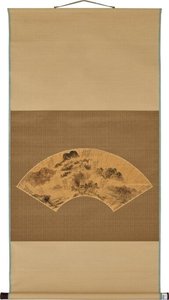
bian wenyu sheng maoye and others
1576 - 1655 , China
Quick Facts
- Artistic Movement Or Style: Chinese painting
- Date Of Birth: 1576
- Date Of Death: 1655
- Full Name: Bian Wenyu Sheng Maoye
- Nationality: Chinese
- Notable Artworks: ['Peahen & Hibiscus']
- Place Of Birth: Beijing, China
Related Articles
Feathered Visions: A Historical & Artistic Exploration of Birds in Painting
Explore the rich history of birds in painting! Discover symbolism, artistic movements & master artists like Audubon. High-quality reproductions available at ArtsDot.
Xie Zhiliu: A Legacy of Ink Wash Painting & Modern Chinese Literati Tradition
Explore the legacy of Xie Zhiliu, a master of Chinese ink wash painting & prominent figure in modern art. Discover his techniques, influences, and contributions to literati tradition. A guide for discerning collectors.
Pu Xinyu's 'Puru': A Legacy of Literati Painting & Emotional Resonance
Explore the captivating world of Pu Xinyu (Puru), the last great literati painter. Discover his imperial heritage, masterful ink wash techniques & enduring legacy – a valuable addition to any discerning art collection.
Charles Bird King: Capturing Native American Dignity Through Portraiture & Cultural Exchange
Explore the captivating portraits of Charles Bird King, renowned for his depictions of Native American leaders. Discover the historical context, artistic techniques, and collecting value of these significant 19th-century artworks.
John James Audubon: A Life Immersed in Ornithological Art & the American Wilderness
Explore the life & art of John James Audubon, pioneer of ornithological illustration! Discover his stunning 'Birds of America' watercolors and complex legacy. Hand-painted reproductions available at ArtsDot.