

 Preview
 Send
Send Share
Share
 Details

 Download
 Similars
 X-Ray
X-Ray Diaporama
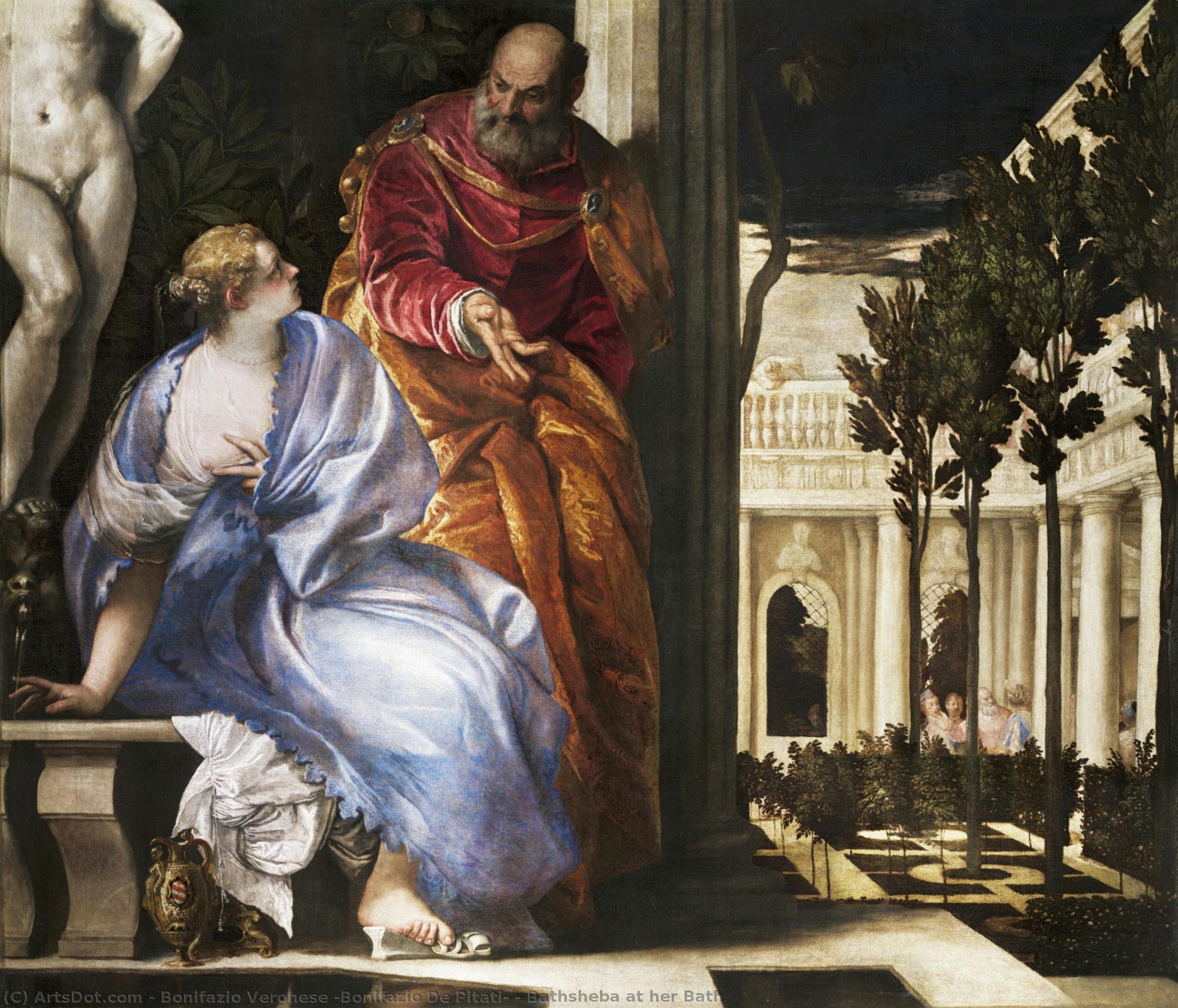
Bathsheba at her Bath
 Oil On Canvas
- WallArt
- Baroque
 1575
1575 191.0 x 224.0 cm
 Museum of Fine Arts
 Read More
Purchase a high-resolution, enhanced digital image, far superior to the online preview.
Each file is meticulously prepared by our in-house specialists using advanced tools and expert manual retouching. We ensure every image has exceptional clarity, precise color accuracy, and fine detail.
The final file is delivered via email within 72 hours, optimized for immediate use in professional, editorial, and print environments. This is the same quality trusted by top-tier design studios, publishers, and galleries.
Digital Image
Download a high-resolution file for personal display, printing, and creative projects. ( Buy Print Buy Hand Made Painting)
Included in Every Digital Image Order
Expert Digital Delivery, Guaranteed
When you choose ArtsDot.com, you're not just getting an image - you're receiving a professionally enhanced digital artwork, crafted with precision and backed by a satisfaction guarantee. Here's everything that comes with your order, automatically:

Fast Email Delivery
Your high-resolution digital image file will be emailed to you within 72 hours of ordering - ready for immediate use.

AI-Enhanced Digital File
Your artwork is professionally optimized using advanced AI tools and manual editing, ensuring maximum detail, clarity, and color accuracy.

Free Lifetime Re-Delivery
Accidentally deleted or lost your file? No worries - we'll resend it to you anytime, free of charge.

No Import Fees - Ever
Enjoy your artwork instantly with zero customs, duties, or delivery fees - digital downloads are always tax-free.

Color Accuracy Guarantee
We ensure your digital image reflects the original colors as closely as possible using professional tools and color management.

60-Day Satisfaction Guarantee
If you're not satisfied with your digital image, we'll revise it or refund 100% within 60 days - no questions asked.

100% Money-Back Guarantee
Not satisfied? Get a full refund within 60 days of receiving your digital file - no questions asked.

Bulk Order Discounts
Buy 3 images, save 10% - Buy 5, save 15% - Buy 10+, save 20%. Great for creative projects, galleries, and agencies.
Collectible Description
Bathsheba at Her Bath (Veronese) – A Venetian Tapestry of Desire and Divine Judgment
Paolo Veronese’s “Bathsheba at Her Bath,” completed around 1575, stands as a monumental achievement of Venetian Renaissance painting—a lavish depiction that transcends mere narrative to explore themes of temptation, piety, and the complexities of royal transgression. Currently housed in Lyon’s Musée des Beaux-Arts, this masterpiece captivated audiences upon its arrival in France during the Baroque era and continues to inspire admiration for its masterful execution and profound psychological insight.
- Subject Matter & Narrative Depth: The painting recounts the biblical tale of David's illicit affair with Bathsheba, wife of Uriah the Hittite. Veronese skillfully weaves together two interwoven narratives—the story of Susanna and the Elders and the biblical episode of David’s spying on Bathsheba—creating a layered visual experience that invites contemplation.
- Style & Artistic Influences: Rooted in Giorgione and Titian's pioneering approach to atmospheric perspective and psychological realism, Veronese’s style embodies the Venetian Renaissance spirit. He meticulously captures the grandeur of royal life while simultaneously conveying an underlying tension between earthly desire and divine judgment.
- Technique & Composition: Veronese employed a revolutionary technique—a dramatic pyramidal composition—centering on the regal figure of David and anchoring the scene with Bathsheba’s serene repose. The artist utilized impasto brushwork to imbue the canvas with palpable texture, enhancing the illusion of depth and volume. Furthermore, he skillfully manipulated chiaroscuro, employing stark contrasts between light and shadow to heighten emotional impact and guide the viewer's gaze.
- Historical Context & Patronage: Commissioned by a Venetian noble family, “Bathsheba at Her Bath” reflects the opulent artistic tastes of the Habsburg court in France. Its enlargement behind a wooden paneling frame underscores its significance as a centerpiece within Versailles’s decorative program—a testament to Veronese's enduring legacy and his contribution to the canon of Western art.
- Symbolism & Emotional Resonance: The painting’s rich symbolism speaks to broader moral concerns. The juxtaposition of David’s imposing presence with Bathsheba’s vulnerability underscores the consequences of transgression against God’s law. Moreover, Veronese's masterful portrayal captures a moment of intense psychological drama—a palpable tension between desire and restraint that resonates powerfully across centuries.
Veronese’s meticulous attention to detail—from the sumptuous fabrics adorning David’s robe to the delicate rendering of Bathsheba’s breast—demonstrates his unparalleled skill as a painter. The artist's masterful use of color and light elevates “Bathsheba at Her Bath” beyond mere representation, transforming it into an unforgettable visual experience that continues to captivate viewers today.
The Musée des Beaux-Arts de Lyon proudly presents this iconic artwork—a window into the artistic brilliance of the Venetian Renaissance and a timeless exploration of human psychology and moral dilemmas.
Related Artworks
Artist Biography
The Luminous Legacy of Bonifazio Veronese
In the golden age of the Venetian Renaissance, few artists captured the atmospheric splendor and narrative depth of the era quite like Bonifazio Veronese, also known as Bonifazio de' Pitati. Born in Verona around 1487, Veronese emerged from a landscape steeped in classical tradition to become a pivotal figure in the evolution of Venetian painting. His journey began under the watchful eye of Palma il Vecchio, a mentorship that provided him with a robust foundation in the use of color and light. As he migrated to the vibrant Republic of Venice, Veronese did not merely observe the existing masters; he absorbed the very soul of the city's artistic currents, weaving together the legacies of Giorgione and Titian into a style that was uniquely his own.
The essence of Veronese’s artistry lies in his ability to balance the soft, emotive qualities of the Venetian school with a structured, almost monumental clarity. His early works reveal a profound reverence for the atmospheric perspective pioneered by Giorgione, where figures seem to emerge naturally from a hazy, dreamlike landscape. Yet, as his career progressed, he began to integrate the more rigorous, humanist influences flowing from Central Italy, particularly the balanced compositions of Raphael. This synthesis allowed him to move beyond mere imitation, creating works that possessed both a psychological intimacy and a grand, theatrical presence.
A Master of Narrative and Scale
Veronese’s reputation was truly cemented through his monumental commitment to large-scale storytelling. His most significant professional triumph was the decades-long undertaking for the Palazzo dei Camerlenghi. This massive cycle of paintings required not only immense technical skill but also an extraordinary capacity for narrative orchestration. Within these works, one can witness his mastery of color as a tool for drama, using rich pigments to guide the viewer's eye through complex historical and allegorical scenes. This project served as a testament to his endurance and his ability to command the vast architectural spaces of Venice.
Beyond his grand commissions, Veronese excelled in creating intimate, spiritually resonant compositions that continue to captivate collectors today. His religious works often feature a serene, almost tender humanity:
- Madonna of the Tailors: A masterpiece of familial warmth, where the divine meets the everyday through a delicate arrangement of figures and soft, luminous light.
- The Mystic Marriage of St Catherine: An exploration of sacred devotion, showcasing his ability to render texture and grace within a holy context.
- Saint Jerome in the Wilderness: A striking departure into the rugged and the visceral, where the sinewy strength of the saint is set against an evocative, untamed landscape.
Historical Significance and Enduring Influence
The historical importance of Bonifazio Veronese extends far beyond his own canvas. He acted as a vital bridge between the early, experimental days of the Venetian Renaissance and the more dramatic, high-style period that followed. His sophisticated approach to light and his ability to infuse narrative scenes with emotional weight laid the groundwork for the next generation of masters. The stylistic DNA of Veronese can be traced through the works of Tintoretto and Schiavone, both of whom inherited his penchant for dramatic composition and atmospheric depth.
As we look back upon his life, which concluded in 1553, we see an artist who was fundamentally a storyteller of the Venetian spirit. Through his fusion of local tradition and external innovation, Veronese helped define the visual language of an era. His paintings remain enduring windows into the sixteenth century, offering a glimpse of a world where color, light, and human emotion were woven into a single, breathtaking tapestry of art.
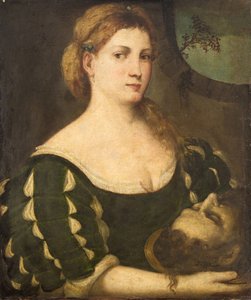
bonifazio veronese (bonifazio de pitati)
1487 - 1553 , Italy
Quick Facts
- Artistic Movement Or Style: Venetian Renaissance
- Artists Or Movements Influenced By This Artist:
- Tintoretto
- Schiavone
- Artists Who Influenced This Artist:
- Giorgione
- Titian
- Date Of Birth: 1487 Verona Italy
- Date Of Death: 1553
- Full Name: Bonifazio Veronese
- Nationality: Italian Renaissance
- Notable Artworks:
- The Adoration of the Kings
- The Legend of the Infant Servius Tullius
- The Mystic Marriage of St Catherine
- Place Of Birth: Verona Italy

