

 Preview
 Send
Send Share
Share
 Details

 Download
 Similars
 X-Ray
X-Ray Diaporama
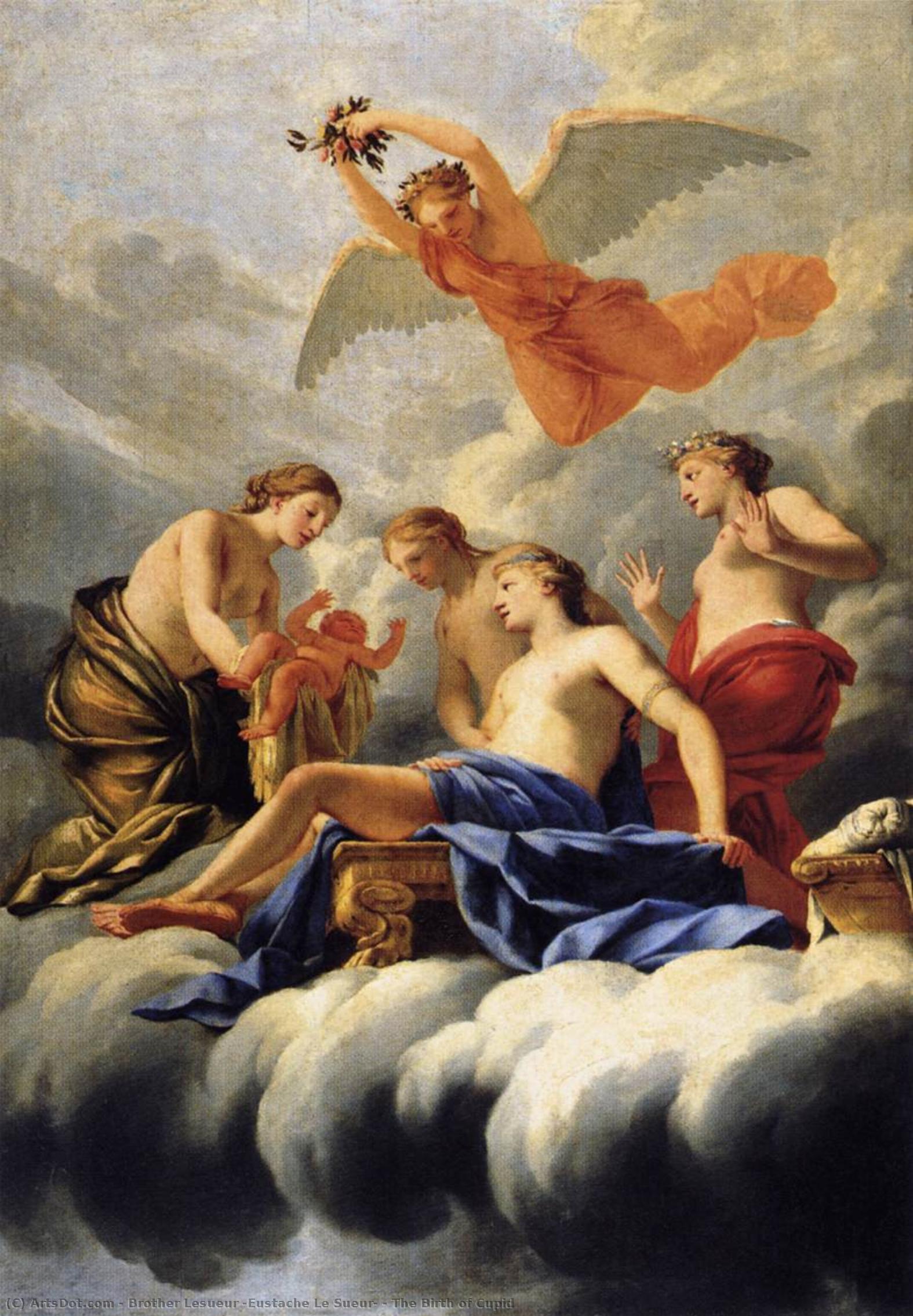
The Birth of Cupid
 Acrylic On Canvas
- WallArt
- Baroque
 1647
1647 182.0 x 125.0 cm
 The Louvre
 Read More
Purchase a high-resolution, enhanced digital image, far superior to the online preview.
Each file is meticulously prepared by our in-house specialists using advanced tools and expert manual retouching. We ensure every image has exceptional clarity, precise color accuracy, and fine detail.
The final file is delivered via email within 72 hours, optimized for immediate use in professional, editorial, and print environments. This is the same quality trusted by top-tier design studios, publishers, and galleries.
Digital Image
Download a high-resolution file for personal display, printing, and creative projects. ( Buy Print Buy Hand Made Painting)
Included in Every Digital Image Order
Expert Digital Delivery, Guaranteed
When you choose ArtsDot.com, you're not just getting an image - you're receiving a professionally enhanced digital artwork, crafted with precision and backed by a satisfaction guarantee. Here's everything that comes with your order, automatically:

Fast Email Delivery
Your high-resolution digital image file will be emailed to you within 72 hours of ordering - ready for immediate use.

AI-Enhanced Digital File
Your artwork is professionally optimized using advanced AI tools and manual editing, ensuring maximum detail, clarity, and color accuracy.

Free Lifetime Re-Delivery
Accidentally deleted or lost your file? No worries - we'll resend it to you anytime, free of charge.

No Import Fees - Ever
Enjoy your artwork instantly with zero customs, duties, or delivery fees - digital downloads are always tax-free.

Color Accuracy Guarantee
We ensure your digital image reflects the original colors as closely as possible using professional tools and color management.

60-Day Satisfaction Guarantee
If you're not satisfied with your digital image, we'll revise it or refund 100% within 60 days - no questions asked.

100% Money-Back Guarantee
Not satisfied? Get a full refund within 60 days of receiving your digital file - no questions asked.

Bulk Order Discounts
Buy 3 images, save 10% - Buy 5, save 15% - Buy 10+, save 20%. Great for creative projects, galleries, and agencies.
Collectible Description
A Celestial Celebration: Exploring Eustache Le Sueur’s “The Birth of Cupid”
Brother Lesueur's "The Birth of Cupid," completed in 1647, transcends mere depiction; it embodies the fervor and intellectual curiosity characteristic of the Baroque period. Commissioned for the Cabinet de l’Amour—a lavishly decorated chamber dedicated to love—within Louis XIII’s Hôtel Saint-Germain Palace, this monumental ceiling fresco represents a pivotal moment in artistic history – the fusion of scientific observation with artistic grandeur.The Visionary Artist and His Scientific Pursuit
Eustache Le Sueur (1617-1655) defied the prevailing artistic trends of his time by prioritizing anatomical accuracy alongside aesthetic beauty. Unlike many painters focused on mythological narratives, Le Sueur established a studio laboratory where he meticulously studied animal specimens—a radical departure from convention that foreshadowed the burgeoning field of zoology. His dedication to scientific rigor wasn’t merely an eccentricity; it reflected the broader intellectual climate of Louis XIV's court, driven by humanist ideals and fueled by discoveries in botany and anatomy. This commitment profoundly shaped his artistic approach, informing every brushstroke with a profound understanding of form and structure.A Baroque Symphony of Color and Texture
The fresco’s style is undeniably Baroque—characterized by dramatic chiaroscuro (contrast between light and dark), opulent ornamentation, and an emphasis on emotional intensity. Le Sueur skillfully employed tempera paint on canvas, a technique favored for its durability and ability to achieve luminous colors. The palette leans heavily towards rich reds, golds, and blues, mirroring the symbolic associations of love and divine grace. Detailed brushwork captures the textures of fur, feathers, and skin with remarkable precision—a testament to Le Sueur’s meticulous observation skills. Notice particularly how he renders the delicate folds of drapery and the subtle gradations of color within the angelic figures, demonstrating a mastery of artistic technique that anticipates later developments in realism.Symbolism Rooted in Renaissance Anatomy
“The Birth of Cupid” is laden with symbolic meaning rooted in humanist anatomical studies prevalent during the Renaissance. The central figure—Cupid—represents divine love and fertility, cradled by angels who embody compassion and protection. Surrounding him are nymphs and attendants, symbolizing earthly beauty and nurturing femininity. The inclusion of a dog – traditionally associated with loyalty and guardianship – reinforces the overarching theme of safeguarding sacred ideals. Le Sueur’s depiction aligns seamlessly with the philosophical currents of his era, reflecting the belief that understanding the human body was crucial to comprehending God's creation—a conviction championed by thinkers like Andreas Vesalius whose anatomical dissections revolutionized scientific knowledge.Emotional Resonance and Artistic Legacy
More than just a beautiful image, “The Birth of Cupid” evokes a palpable sense of wonder and reverence. The composition draws the viewer’s eye upwards towards the celestial realm, conveying an aspiration for spiritual enlightenment. Le Sueur's masterpiece stands as a beacon of artistic innovation—a pioneering example of scientific illustration combined with Baroque artistry. Its influence extended beyond its immediate context, inspiring subsequent generations of painters to strive for greater realism and emotional depth. Today, reproductions of this extraordinary fresco continue to captivate audiences worldwide, serving as enduring reminders of the transformative power of art and science working in harmony.Related Artworks

Artist Biography
A Pioneer of the Natural World
In the vibrant and often dramatic landscape of the 17th-century French Baroque, few figures stand as uniquely as Brother Lesueur, known to history as Eustache Le Sueur. While his contemporaries were frequently swept up in the grand, sweeping narratives of mythology or the opulent displays of royal portraiture, Le Sueur turned his gaze toward a different kind of majesty: the intricate, often overlooked wonders of the animal kingdom. Born in Paris around 1617, he emerged not merely as a painter, but as a precursor to the scientific illustrators who would later define the Age of Enlightenment. His life’s work represents a profound intersection where the delicate touch of fine art meets the rigorous scrutiny of biological inquiry.
Le Sueur's artistic journey began with a foundation in classical discipline. He underwent an apprenticeship under Nicolas Boutet de Valois, a sculptor renowned for his allegorical works commissioned by the court of Louis XIII. This early exposure to the principles of proportion, anatomy, and classical beauty provided him with the technical vocabulary necessary to render form with absolute precision. However, where his mentor sought to idealize the human figure through stone, Le Suelar sought truth through the living—and sometimes the deceased—specimens of the natural world. This transition from the sculptural ideals of the academy to the empirical observations of a naturalist marked the beginning of a revolutionary artistic evolution.
The Art of Anatomical Precision
What truly distinguishes the work of Le Sueur is his uncompromising commitment to realism, a quality that transformed his studio into a space of scientific discovery. He did not merely paint what he imagined; he painted what he understood through direct observation. To achieve this level of unparalleled detail, Le Sueur engaged in a method that was radical for the 1600s: the study of anatomy via the dissection of carcasses obtained from royal hunts. This painstaking process allowed him to master the complex architecture of musculature, the delicate texture of feathers, and the rugged patterns of scales.
His technique was characterized by an extraordinary ability to capture the essence of life through physical accuracy. In his renderings, one can sense the weight of a limb, the sheen of wet fur, and the tension in a predator's stance. This dedication meant that his paintings functioned as both aesthetic triumphs and vital biological records. By integrating anatomical sketches with finished oil works, he bridged the gap between the artistic impulse and the scientific method, creating a legacy that predated the formal establishment of modern zoological illustration.
A Legacy of Sacred and Natural Splendor
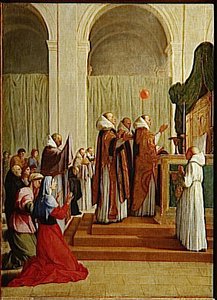
While his contributions to animal painting are his most enduring scientific legacy, Le Sueur's repertoire was not limited to the wild. He possessed a remarkable versatility that allowed him to navigate the sacred themes prevalent in Baroque art. His religious compositions, such as the Presentation of the Virgin, demonstrate how he applied his mastery of detail and light to biblical narratives. In these works, the same meticulous attention to texture and form used for a bird's plumage was applied to the folds of holy drapery and the soft glow of divine light, creating a sense of profound, tangible presence.
The historical significance of Eustache Le Sueur lies in his role as a bridge between eras. He stood at the crossroads of the Baroque's emotional intensity and the burgeoning scientific curiosity of the next century. His ability to find the sublime within the anatomical has left an indelible mark on the history of French art. Through his eyes, the natural world was not just a backdrop for human drama, but a subject worthy of intense, reverent, and scientifically accurate study, cementing his reputation as a true pioneer of zoological art.
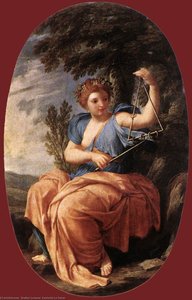
brother lesueur (eustache le sueur)
1616 - 1655 , France
Quick Facts
- Artistic Movement Or Style: Baroque Painting
- Artists Or Movements Influenced By This Artist: ['Rembrandt']
- Artists Who Influenced This Artist: ['Peter Paul Rubens']
- Date Of Birth: November 19, 1617
- Date Of Death: April 30, 1655
- Full Name: Eustache Le Sueur
- Nationality: French
- Notable Artworks:
- The Muses: Melpomene, Erato and Polyhymnia
- The Muses: Clio, Euterpe and Thalia
- Presentation of the Virgin
- Place Of Birth: Paris, France

