 Preview
 Send
Send Share
Share
 Details

 Download
 Similars
 X-Ray
X-Ray Diaporama
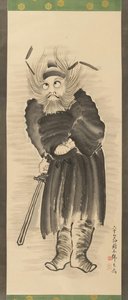
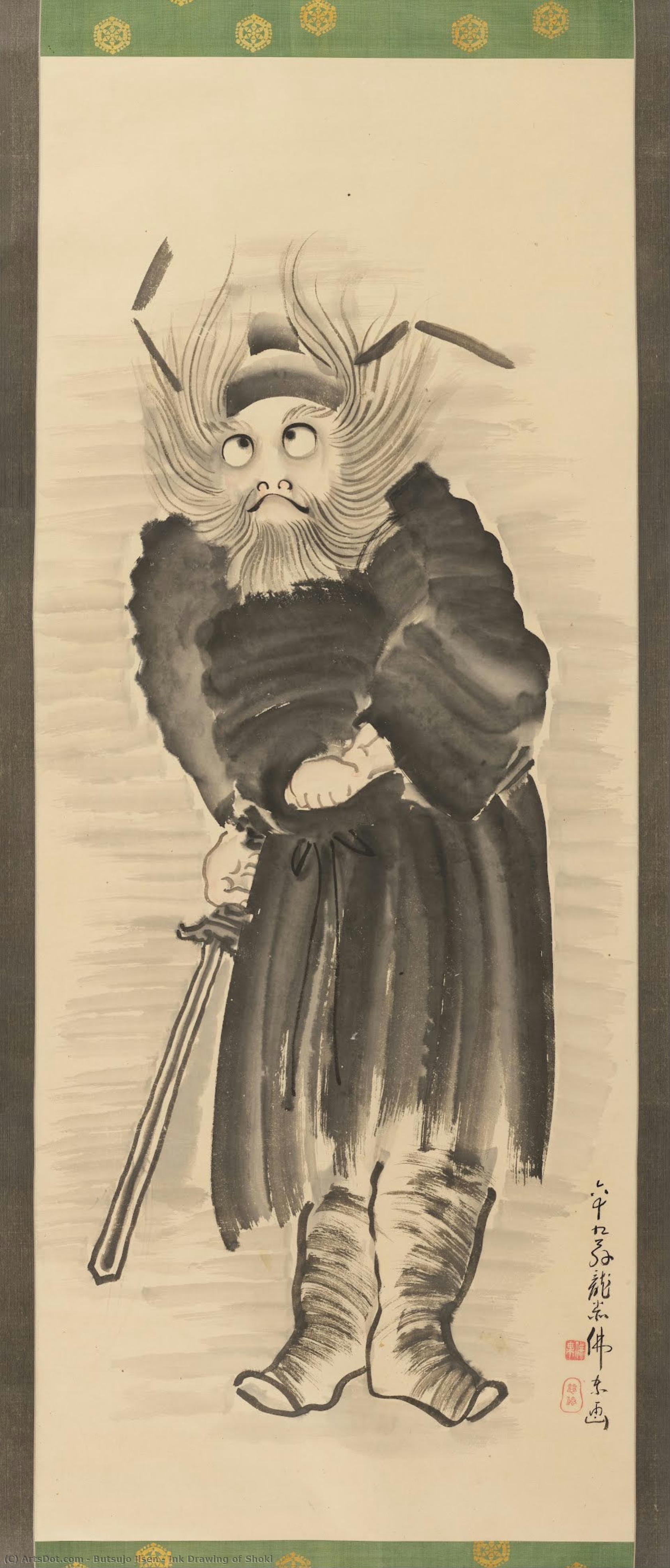
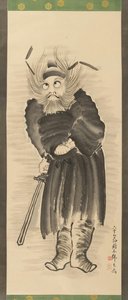
Ink Drawing of Shoki


 Read More
Giclée / Art Print
Museum-quality giclée or canvas print with fast production and flexible finish options. ( Buy Hand Made Painting Buy Image)




































Pick from our preset sizes that match the artwork's original proportions.

You may enter your own dimensions to fit a specific frame or space. If your selected size does not match the original image's proportions, we will either crop the artwork or extend the image with a mirrored or solid-fill edge. A digital mockup will be sent for your approval before production begins.
Please note that the on-screen preview does not reflect the actual cropping or extension. Only the mockup will accurately show the final composition.
While custom sizes are available, we recommend selecting a dimension from the predefined list to preserve the original proportions.
Worldwide Delivery () in 2 weeks instead of standard 4/5 weeks. (22 August)

Free Worldwide Express Shipping

High-Quality Linen Canvas

Full Shipping Insurance

Customs Tax Refund Guarantee

True Color Matching Guarantee

60-Day Return Policy (Defects Only)

100% Money-Back Guarantee

Bulk Discount Offer
 Glass option is only available in size under 110 CM

Ink Drawing of Shoki
Giclée / Art Print
Reproduction Size
-


Total Price
$ 63
Related Artworks








Artist Biography
A Life Immersed in Zen: The World of Butsujo Jisen
Butsujo Jisen, also known as Ryūkadōjin, was a figure deeply rooted in the spiritual and artistic currents of late Edo and early Meiji Japan. Born in Tokyo in 1798, his life unfolded during a period of profound transition – one where centuries-old traditions were beginning to encounter the burgeoning influence of Western thought. While biographical details remain somewhat sparse, it is understood that Jisen dedicated himself to the Sōtō sect of Zen Buddhism, and this devotion became the very essence of his artistic expression. He wasn’t merely a painter; he was a monk who wielded brush and ink as tools for meditation, self-cultivation, and the embodiment of Zen principles.
The Path of Ink: Style and Subject Matter
Jisen's art is almost exclusively defined by his mastery of sumi-e, or ink wash painting. This wasn’t a choice born of limitation, but rather one of deliberate focus. He eschewed vibrant colors, believing that the subtle gradations of black ink – from the palest washes to the deepest shadows – were sufficient to convey the complexities of existence. His subjects are revealing: hermits lost in contemplation amidst mountainous landscapes, depictions of legendary deities like Shoki the demon-queller, and scenes drawn from classical Chinese poetry and Buddhist parables. These weren’t simply representations; they were invitations to viewers to join him on a journey inward.
Edo Period Spirituality Reflected
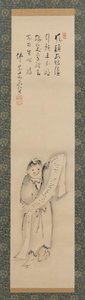
The Edo period (1603-1868) fostered a unique blend of Confucianism, Buddhism, and native Shinto beliefs. Jisen’s work is deeply imbued with this spiritual atmosphere. His hermits aren't lonely figures but embodiments of enlightenment, finding solace and wisdom in the natural world. The landscapes themselves are not merely backdrops; they are active participants in the meditative process, echoing the Zen concept of interconnectedness. His 'Ink Drawing of Han-shan,' for example, isn’t just a portrait of a historical figure; it's an evocation of freedom from worldly constraints and the joy of simple living. The brushstrokes themselves carry a sense of spontaneity and immediacy, reflecting the Zen emphasis on direct experience.
Transition and Legacy
Jisen lived through the tumultuous Meiji Restoration (1868), which saw Japan rapidly modernize and embrace Western culture. While this period brought significant changes to Japanese society and art, Jisen remained steadfast in his commitment to traditional forms. His work, therefore, represents a bridge between eras – a continuation of Edo-era spirituality expressed with a quiet dignity that resonated even amidst the clamor of progress. Though he may not have sought widespread fame, his paintings were highly regarded by his contemporaries and continue to be appreciated today for their serene beauty and profound spiritual depth.
Major Achievements & Enduring Influence
While pinpointing specific “major achievements” in the Western sense is difficult given the context of Zen art – where the process often holds more significance than the product – Jisen’s prolific output and consistent quality are undeniable. His 'Ink Drawing of Shoki' stands as a powerful example of his ability to imbue traditional iconography with new life, portraying the deity not as a fearsome warrior but as a protector guided by compassion. His influence lies not in establishing a new school or style, but in embodying the spirit of Zen through his art. He demonstrated that true artistic expression could be found not in elaborate technique or grand scale, but in simplicity, spontaneity, and a deep connection to the natural world. His work continues to inspire artists and viewers alike to seek beauty and meaning in the quiet moments of life.
butsujo jisen
1798 - 1870 , Japan
Quick Facts
- Artistic Movement Or Style: Zen Art, Ink Drawing
- Date Of Birth: 1798
- Date Of Death: 1870
- Full Name: Butsujo Jisen
- Nationality: Japanese
- Notable Artworks:
- Ink Drawing of Shoki
- Han-shan drawing
- Place Of Birth: Tokyo, Japan