
A Journey into Soto Zen: The Museum of Zen Buddhist Culture
Nestled within the serene campus of Komazawa University in Setagaya, Tokyo, lies a truly singular institution – the Museum of Zen Buddhist Culture. More than just a repository of artifacts, it’s an immersive experience, a tangible connection to the profound philosophy and artistic legacy of Soto Zen Buddhism. Established in 2002 to commemorate the university's 120th anniversary, this museum offers visitors a rare opportunity to step back in time and contemplate the essence of this influential school of thought, all within the walls of the historically significant Kounkan building.
The Kounkan itself is a captivating piece of architectural history. Originally constructed as Komazawa University’s library in 1925 following the devastating Great Kanto Earthquake, it was meticulously designed by Eizo Sugawara, an architect deeply influenced by Frank Lloyd Wright and other early 20th-century movements. The building's eclectic style – a harmonious blend of geometric precision and organic forms – immediately draws the eye. A standout feature is undoubtedly its stained-glass atrium, a kaleidoscopic explosion of color arranged in a hexagonal pattern that channels natural light into the heart of the museum. This deliberate design wasn’t merely aesthetic; it was intended to elevate intellectual pursuits, creating an atmosphere conducive to contemplation and learning—a fitting prelude to the journey within.
Treasures of Calligraphy and Buddhist Art
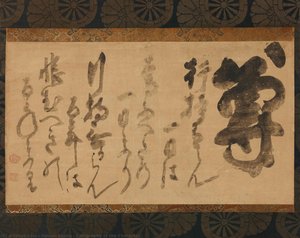
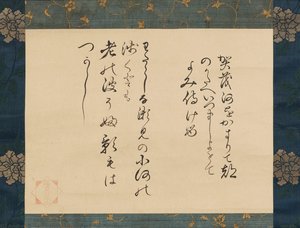
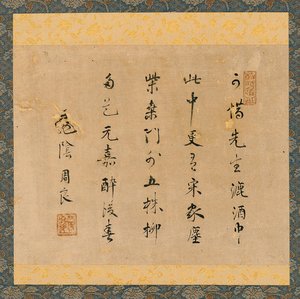
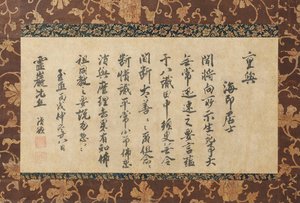
The museum's collection is thoughtfully curated, offering a rich tapestry of artistic expressions deeply intertwined with Soto Zen practice. A central focus lies in its exquisite collection of calligraphy, painstakingly created by Zen monks over centuries. These aren’t simply decorative pieces; they are considered sacred texts, imbued with the spiritual energy and meditative intent of their creators. Each brushstroke is a testament to discipline, precision, and a profound connection to the Buddhist teachings.
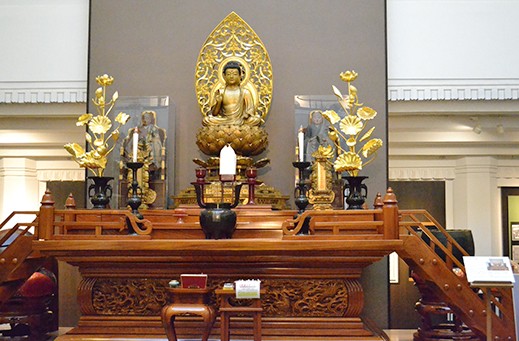
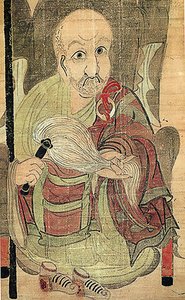
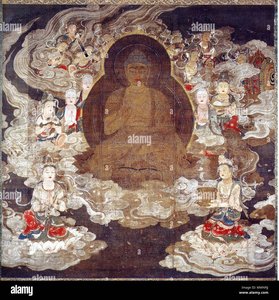
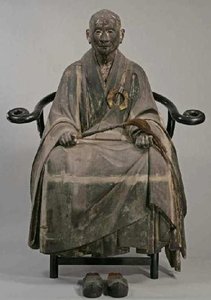
Alongside calligraphy, visitors will discover a diverse array of Buddhist sculptures and crafts. These aren’t grand, imposing figures but rather subtle, understated representations that embody Zen principles – simplicity, emptiness, and the interconnectedness of all things. You'll find intricately carved wooden Buddhas, serene statues of Dogen Zenji (the founder of the Soto school), and a wealth of other objects crafted with meticulous care, each carrying symbolic weight and reflecting the aesthetic values of Zen culture. The recreation of a monk’s living space is particularly evocative, offering a glimpse into the austere simplicity and mindful routine of monastic life – a deliberate contrast to the complexities of the outside world.
Dogen's Legacy and Academic Roots
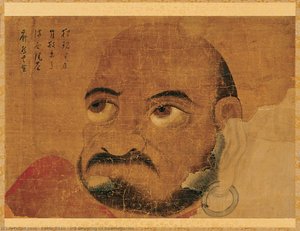
A significant portion of the museum’s collection centers around Dogen Zenji, the 13th-century founder of the Soto school. Dedicated paintings depicting key moments from his life – his travels, his teachings, and his establishment of Eiheiji Temple – provide invaluable insight into the development of this influential lineage. These works aren't merely historical records; they are windows into Dogen’s profound understanding of Zen philosophy and its practical application.
What truly distinguishes the Museum of Zen Buddhist Culture is its inextricable link to Komazawa University. The museum isn’t simply a display space; it’s an integral part of the university's academic mission, supporting research, lectures, seminars, and even a dedicated Museology course. This unique synergy fosters a vibrant intellectual environment where art, philosophy, and practice converge, offering visitors a deeper understanding of Soto Zen beyond mere aesthetic appreciation.
A Sanctuary for Reflection
Beyond its collection highlights, the Museum of Zen Buddhist Culture offers something profoundly valuable: a space for quiet contemplation. The tranquil atmosphere, combined with the building’s architectural grace and the museum's commitment to fostering intellectual engagement, creates an environment conducive to reflection and spiritual exploration. It is a place where visitors can connect with the timeless wisdom of Soto Zen Buddhism and find inspiration in its enduring principles. With free admission and wheelchair accessibility, it welcomes all who seek a moment of serenity amidst the bustling city of Tokyo.