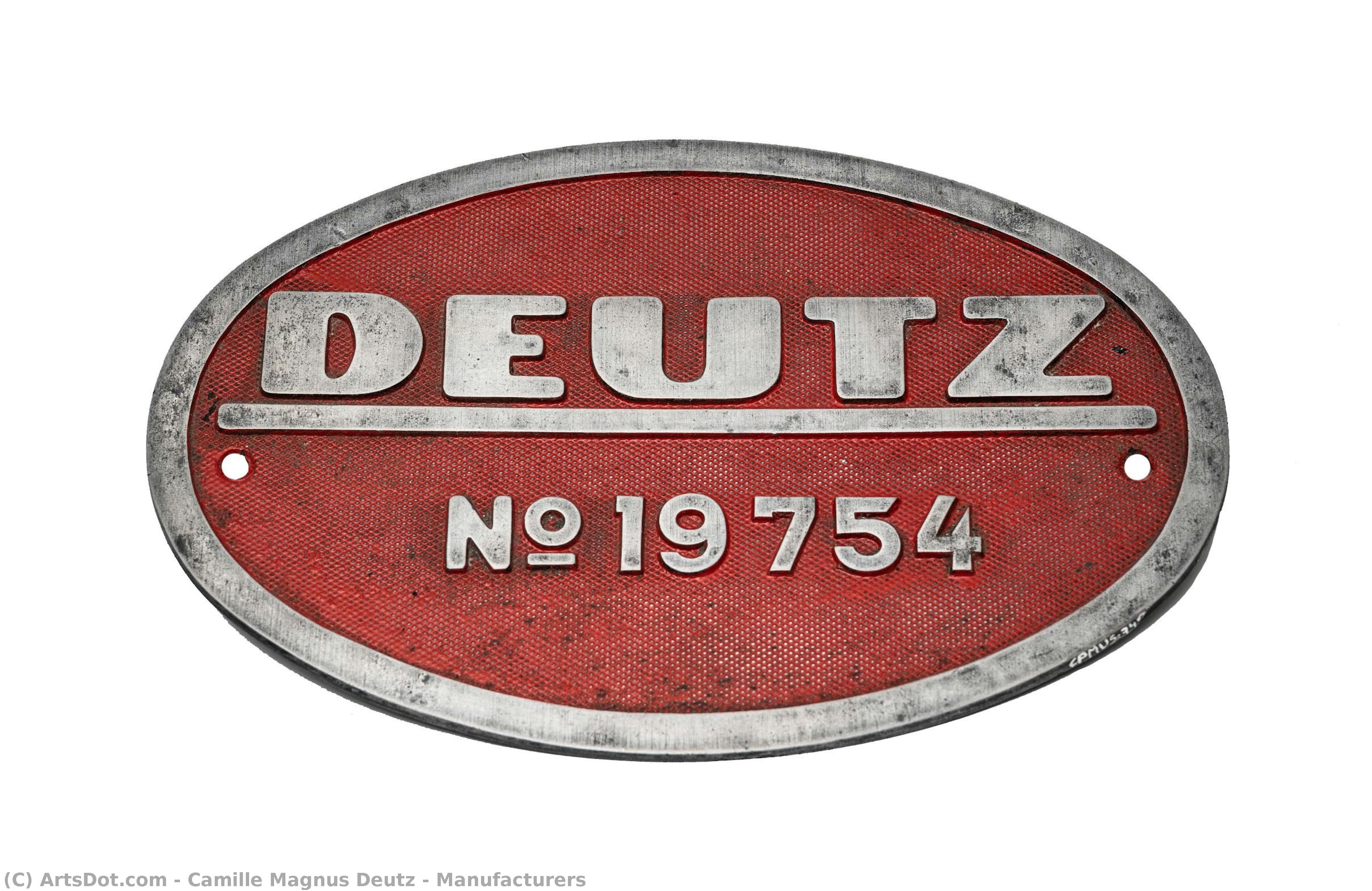
 Preview
 Send
Send Share
Share
 Details

 Download
 Similars
 X-Ray
X-Ray Diaporama
Manufacturers


 Read More
Giclée / Art Print
Museum-quality giclée or canvas print with fast production and flexible finish options. ( Buy Hand Made Painting Buy Image)




































Pick from our preset sizes that match the artwork's original proportions.

You may enter your own dimensions to fit a specific frame or space. If your selected size does not match the original image's proportions, we will either crop the artwork or extend the image with a mirrored or solid-fill edge. A digital mockup will be sent for your approval before production begins.
Please note that the on-screen preview does not reflect the actual cropping or extension. Only the mockup will accurately show the final composition.
While custom sizes are available, we recommend selecting a dimension from the predefined list to preserve the original proportions.
Worldwide Delivery () in 2 weeks instead of standard 4/5 weeks. (6 September)

Free Worldwide Express Shipping

High-Quality Linen Canvas

Full Shipping Insurance

Customs Tax Refund Guarantee

True Color Matching Guarantee

100-Day Return Policy (Defects Only)

100% Money-Back Guarantee

Bulk Discount Offer
 Glass option is only available in size under 110 CM

Manufacturers
Giclée / Art Print
Reproduction Size
-


Total Price
$ 63
Related Artworks







Artist Biography
A Vision of Fontainebleau’s Embrace
Camille Magnus Deutz, known to many simply as Camille Magnus, emerged from the vibrant and competitive artistic milieu of late 19th-century Paris, leaving behind a legacy defined by his profound connection to the natural world. Born in 1853 within the former first arrondissement of Paris, Deutz was destined for a life shaped by the arts; he was the son of Désiré, a talented pianist and composer, and Adeline Louise Saudeur. This upbringing in a household steeped in musical and creative tradition provided him with a sensitive foundation, allowing him to approach the canvas with a rhythmic understanding of light and shadow. His early years were further enriched by his exposure to the masters of the era, most notably Narcisse Díaz de la Peña, whose teachings instilled in Deutz a rigorous command of academic painting techniques and a meticulous eye for the subtle nuances of the landscape.
The heart of Deutz’s artistic soul resided in the ancient, verdant expanses of the Fontainebleau Forest. He did not merely seek to document the topography of this royal estate; rather, he aimed to capture its very essence—the ethereal, shifting moods that transform a woodland from a sun-drenched sanctuary into a mysterious, shadowed realm. His work often focused on the intricate beauty of the undergrowth, where light filters through dense canopies to dance upon moss and fallen leaves. By blending the disciplined precision of his academic training with the burgeoning freedom of Impressionistic brushwork, he achieved a unique stylistic hybrid. This approach allowed him to maintain a striking realism while imbuing his landscapes with an emotional resonance that spoke of tranquility, reverence, and the sublime grandeur of nature.
Technique, Palette, and Artistic Evolution
To step into a canvas by Magnus is to enter a world of carefully orchestrated color. He favored a palette deeply rooted in the organic tones of the forest, utilizing rich greens, deep umbers, and earthy browns to establish a sense of grounded reality. However, it was his ability to layer these foundations with subtle, luminous accents of violet and gold that truly elevated his work. These delicate hues were strategically employed to evoke the fleeting moments of dawn and dusk, capturing the way light interacts with the atmosphere of the Fontainebleau woods. His technique was characterized by a masterful control of linework and texture, particularly evident in his more graphic endeavors.
Beyond his celebrated landscapes, Deutz demonstrated an extraordinary capacity for portraiture, showcasing a different facet of his technical prowess. A notable achievement in this genre is his 1894 lithograph portrait of Joachim Lelewel. In this piece, the artist moved away from the broad strokes of the forest to embrace a meticulous attention to detail and psychological depth. Through precise linework, he captured not just the physical likeness of his subject, but a complex internal state, proving that his sensitivity to light in nature could be equally applied to the complexities of the human gaze. This ability to translate character onto paper remains one of his most enduring contributions to the art of printmaking.
Legacy and Historical Significance
Though his life was tragically short, ending in 1894 at the age of forty-one, Camille Magnus Deutz left an indelible mark on the French landscape tradition. His participation in the prestigious Salon de Paris in 1875 and 1878 marked him as a rising talent within the Parisian art scene, supported by notable galleries such as M. F. Gérard. His work stands as a bridge between the structured traditions of the past and the emotive, light-driven explorations of the modern era.
The historical significance of Magnus lies in his ability to synthesize different artistic movements into a cohesive personal vision. He remains a vital figure for those studying the evolution of French landscape painting, representing a period where the boundaries between academic realism and Impressionism were fluid and experimental. His devotion to the Fontainebleau Forest continues to inspire appreciation for the quiet, profound beauty found within the natural world, ensuring that his "vision of embrace" remains as captivating today as it was during the twilight of the 19th century.

camille magnus deutz
1853 - 1894 , France
Quick Facts
- Artistic Movement Or Style: Impressionism
- Artists Or Movements Influenced By This Artist: Joachim Lelewel
- Artists Who Influenced This Artist: Narcisse Díaz de la Peña
- Date Of Birth: 1853
- Full Name: Camille Magnus Deutz
- Nationality: French
- Notable Artworks: ['Portrait of Joachim Lelewel']
- Place Of Birth: Paris, France