 Send
Send Share
Share
 Details

 Download
 Similars
 Diaporama
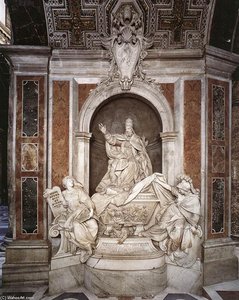
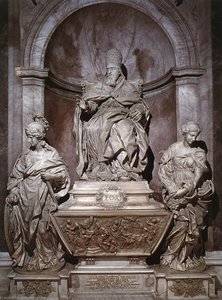
Tomb of Gregory XIII


 Read More
Giclée / Art Print
Museum-quality giclée or canvas print with fast production and flexible finish options. ( Buy Hand Made Painting Buy Image)




































Pick from our preset sizes that match the artwork's original proportions.

You may enter your own dimensions to fit a specific frame or space. If your selected size does not match the original image's proportions, we will either crop the artwork or extend the image with a mirrored or solid-fill edge. A digital mockup will be sent for your approval before production begins.
Please note that the on-screen preview does not reflect the actual cropping or extension. Only the mockup will accurately show the final composition.
While custom sizes are available, we recommend selecting a dimension from the predefined list to preserve the original proportions.
Worldwide Delivery () in 2 weeks instead of standard 4/5 weeks. (22 August)

Free Worldwide Express Shipping

High-Quality Linen Canvas

Full Shipping Insurance

Customs Tax Refund Guarantee

True Color Matching Guarantee

60-Day Return Policy (Defects Only)

100% Money-Back Guarantee

Bulk Discount Offer
 Glass option is only available in size under 110 CM

Tomb of Gregory XIII
Giclée / Art Print
Reproduction Size
-


Total Price
$ 63
Collectible Description
A Bridge Between Eras: The Life and Art of Camillo Rusconi
Camillo Rusconi (1658-1728) stands as a pivotal figure in the artistic landscape of late Baroque Italy, embodying a subtle yet transformative shift toward Neoclassicism. His career unfolded during an era defined by profound stylistic change—a harmonious convergence of dynamism and restraint that is beautifully reflected in his oeuvre. Rusconi’s formative training under Giuseppe Rusnati, coupled with exposure to Ercole Ferrata's workshop in Rome, instilled within him a foundational understanding of Roman artistic traditions, shaping his subsequent success and stylistic evolution.
The Tomb of Gregory XIII: A Baroque Masterpiece
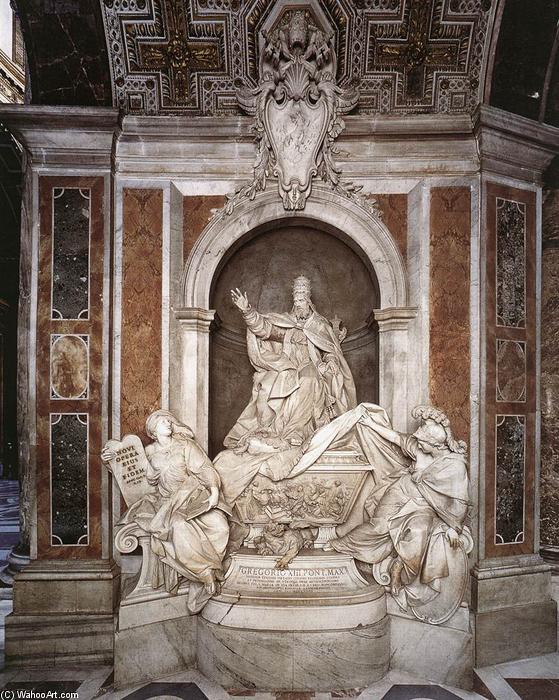
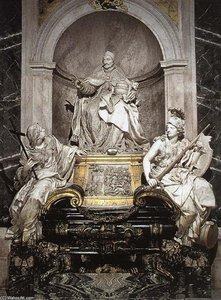
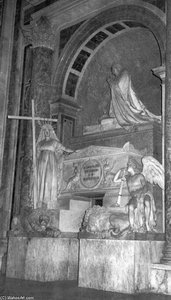
Commissioned by Cardinal Giacomo Boncompagni, the Tomb of Pope Gregory XIII resides prominently within St Peter’s Basilica in Vatican City. Created in 1719, this monumental marble sculpture exemplifies the zenith of Baroque artistic expression—a style characterized by theatrical grandeur and emotional intensity. Rusconi skillfully blended elements of Bernini's baroque aesthetic with classical ideals, resulting in a composition that transcends mere commemoration; it communicates profound spiritual significance.
- Subject Matter: The tomb depicts Pope Gregory XIII seated on a throne, holding a book symbolizing the Bible or holy scripture. Surrounding him are angelic figures engaged in gestures of reverence and contemplation.
- Style: Rusconi’s work adheres to the Baroque style, prioritizing dramatic movement and opulent ornamentation—traits that distinguish it from the emerging Neoclassical aesthetic.
- Technique: Executed with meticulous attention to detail, the sculpture utilizes marble carving techniques honed by masters like Ercole Ferrata, achieving remarkable realism and conveying a palpable sense of solemnity.
Historical Context & Symbolism
The Tomb’s creation coincided with the Counter-Reformation—a period marked by fervent religious fervor and artistic patronage aimed at reaffirming Catholic dogma. Rusconi's incorporation of allegorical figures like Wisdom (represented as Minerva) underscores this spiritual dimension, highlighting the Pope’s role as a reformer championing intellectual enlightenment.
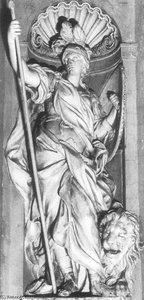
- Allegory: The statue embodies the concept of “Fortitude,” lifting drapery to reveal the sarcophagus and symbolizing unwavering faith.
- Classical Influence: Rusconi subtly integrates classical motifs—such as columns and architectural elements—reflecting the burgeoning Neoclassical movement’s embrace of rational order and idealized beauty.
Emotional Impact & Legacy
Rusconi's Tomb transcends its formal grandeur, eliciting a powerful emotional response from viewers—a testament to his artistic genius. It stands as an enduring symbol of papal authority and spiritual devotion, captivating audiences centuries later with its masterful craftsmanship and evocative imagery. As a cornerstone of Baroque sculpture, Rusconi’s work continues to inspire artists and collectors alike, securing his place within the annals of art history.
Related Artworks
Artist Biography
A Bridge Between Eras: The Life and Art of Camillo Rusconi
Camillo Rusconi, born in Milan in 1658 and passing away in Rome in 1728, occupies a fascinating position within the history of Italian sculpture. He wasn’t merely a practitioner of the late Baroque; he was an artist who subtly, yet decisively, nudged the style toward the emerging sensibilities of Neoclassicism. His career unfolded during a period of artistic transition, and his work reflects this beautifully—a compelling blend of dynamic energy tempered by a growing emphasis on clarity and restraint. Rusconi’s journey began with formative training in Milan under Giuseppe Rusnati, who himself had strong ties to the workshop of Ercole Ferrata in Rome. This early exposure proved crucial, laying the groundwork for his eventual success and stylistic development within the heart of Roman artistic life.From Milan to Rome: Forging a Sculptural Path
In 1685 or 1686, Rusconi made the pivotal move to Rome, entering the studio of Ercole Ferrata. Fate intervened swiftly; Ferrata’s untimely death shortly after Rusconi's arrival meant the young sculptor had to quickly establish himself independently. He did so with remarkable speed and talent. Early commissions arrived steadily, including a significant project for the Ludovisi Chapel in Sant'Ignazio—four plaster allegorical statues representing Prudence, Justice, Temperance, and Strength. These works already hinted at Rusconi’s emerging style: powerful figures imbued with Baroque drama, yet possessing an underlying sense of order and composure. He also collaborated with Pierre Le Gros on the sculpting of angels for the tympanum of the altar of Saint Ignatius in the Church of the Gesù, further solidifying his reputation within Roman artistic circles. These early successes weren’t simply about securing patronage; they were about honing his skills and defining a unique voice amidst the established masters.Influences and Artistic Development
Rusconi's style wasn’t born in isolation. He absorbed the lessons of those who came before him, acknowledging the giants upon whose shoulders he stood. The influence of Alessandro Algardi and Gian Lorenzo Bernini is palpable—he adopted elements of their expressive forms and grand manner, understanding the power of dramatic gesture and emotional intensity. However, it was his relationship with the painter Carlo Maratta that proved most transformative. Maratta’s emphasis on ordered composition, clear presentation of figures, and a refined aesthetic resonated deeply with Rusconi. He sought to translate Maratta's principles into sculptural form, striving for a balance between Baroque dynamism and Neoclassical clarity. This pursuit led contemporaries to describe him as “Carlo Maratta in marble,” a testament to his ability to capture the painter’s spirit within the solid medium of stone.Monumental Achievements and Lasting Legacy
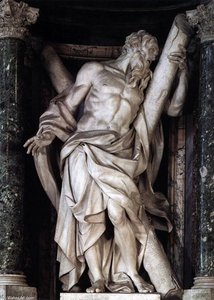
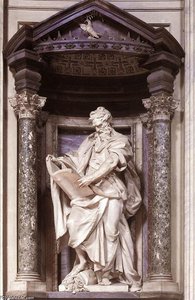
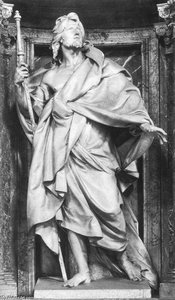
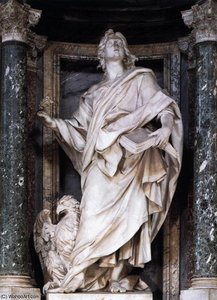
Rusconi's career culminated in several monumental achievements that cemented his place in Roman art history. Perhaps most celebrated is the series of four larger-than-life apostle statues—Matthew, James the Great, Andrew, and John—created between 1708 and 1718 for the niches of the Archbasilica of St. John Lateran. This commission was a fiercely contested one, with Rusconi ultimately securing more work than his rivals, Le Gros and Pierre-Etienne Monnot, demonstrating the esteem in which he was held by patrons and fellow artists alike. The Tomb of Pope Gregory XIII, completed between 1715 and 1723 for St. Peter's Basilica, stands as another testament to his skill in creating monumental funerary sculpture—a powerful blend of Baroque grandeur and Neoclassical restraint. Beyond these major projects, Rusconi contributed architectural decoration to San Silvestro in Capite, San Salvatore in Lauro, and the Chiesa Nuova (Santa Maria in Vallicella), leaving an indelible mark on the Roman cityscape. He also created the tomb of Bartolomeo Corsino in San Giovanni in Laterano and the monument for Prince Alessandro Sobieski in Santa Maria della Concezione. Rusconi’s influence extended beyond his own artistic creations. He trained a number of successful sculptors, including Pietro Bracci, Giovanni Battista Maini, and Filippo della Valle, ensuring that his stylistic principles would continue to flourish. In 1727, he was honored with the title of Principe (Prince) of the Accademia di San Luca—a fitting recognition of his standing within the Roman artistic community. Camillo Rusconi’s legacy lies not only in the beauty and power of his sculptures but also in his role as a pivotal figure in the transition from the Baroque to Neoclassical styles, shaping the course of Roman sculpture for generations to come.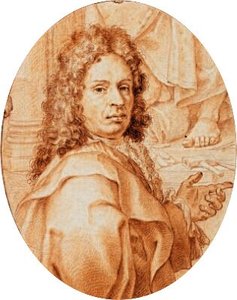
Camillo Rusconi
1658 - 1728 , Italy
Quick Facts
- Artistic Movement Or Style: Late Baroque, Neoclassicism
- Artists Or Movements Influenced By This Artist:
- Pietro Bracci
- Giovanni Maini
- Filippo della Valle
- Artists Who Influenced This Artist:
- Algardi
- Bernini
- Carlo Maratta
- Date Of Birth: 1658
- Date Of Death: 1728
- Full Name: Camillo Rusconi
- Nationality: Italian
- Notable Artworks:
- Apostles at St. John Lateran
- Tomb of Pope Gregory XIII
- St James the Great
- Fortitude
- St John the Baptist
- Place Of Birth: Milan, Italy
Related Articles

Bronze Sculptures That Defined Art History | ArtsDot
Journey through art history with our Top 10 bronze sculptures! Explore masterpieces by Rodin, Michelangelo & more. Discover stories behind iconic statues and find museum-quality reproductions for your home decor at ArtsDot.com.
The Enduring Allure of Marble in Art History: From Classical Sculpture to Modern Abstraction
Explore the captivating history of marble sculpture from ancient Greece to modern art. Discover renowned artists like Canova & Michelangelo, carving techniques, and investment insights at ArtsDot.

The Enduring Form: Exploring Themes & Techniques in Sculpture Across Historical Periods
Explore the rich history of sculpture from ancient masterpieces to contemporary innovations. Discover key techniques, influential artists & investment potential for discerning art collectors.
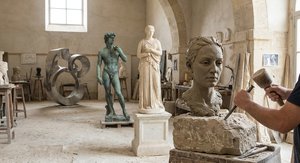
The Enduring Form: Sculpture Across History, Technique & Emotional Resonance
Explore the rich history of sculpture with ArtsDot. Discover key techniques, influential artists & investment potential for discerning collectors. Expert insights into valuing and collecting timeless masterpieces.
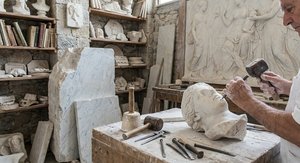
The Enduring Legacy of Marble: A Comprehensive Exploration of Technique, Symbolism & Artistic Expression
Explore the rich history of marble sculpture from antiquity to the Renaissance! Discover key techniques, influential artists & enduring themes in classical art. Expert insights for collectors and enthusiasts at ArtsDot.