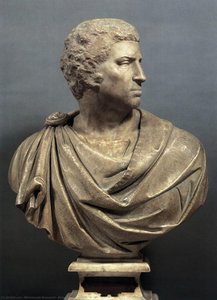
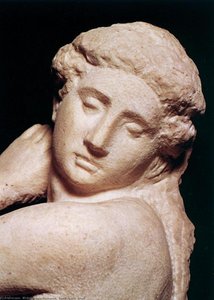
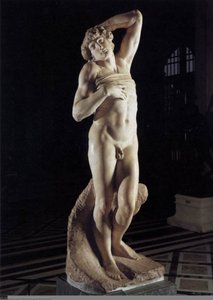
The Ancient Roots: Marble's Early Adoption & Quarrying Techniques
Marble has been the preferred material for stone monumental sculpture since ancient times, with several advantages over its more common geological "parent" limestone, in particular the ability to absorb light a small distance into the surface before ...
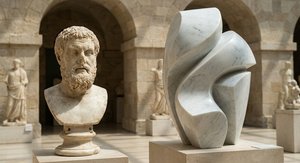
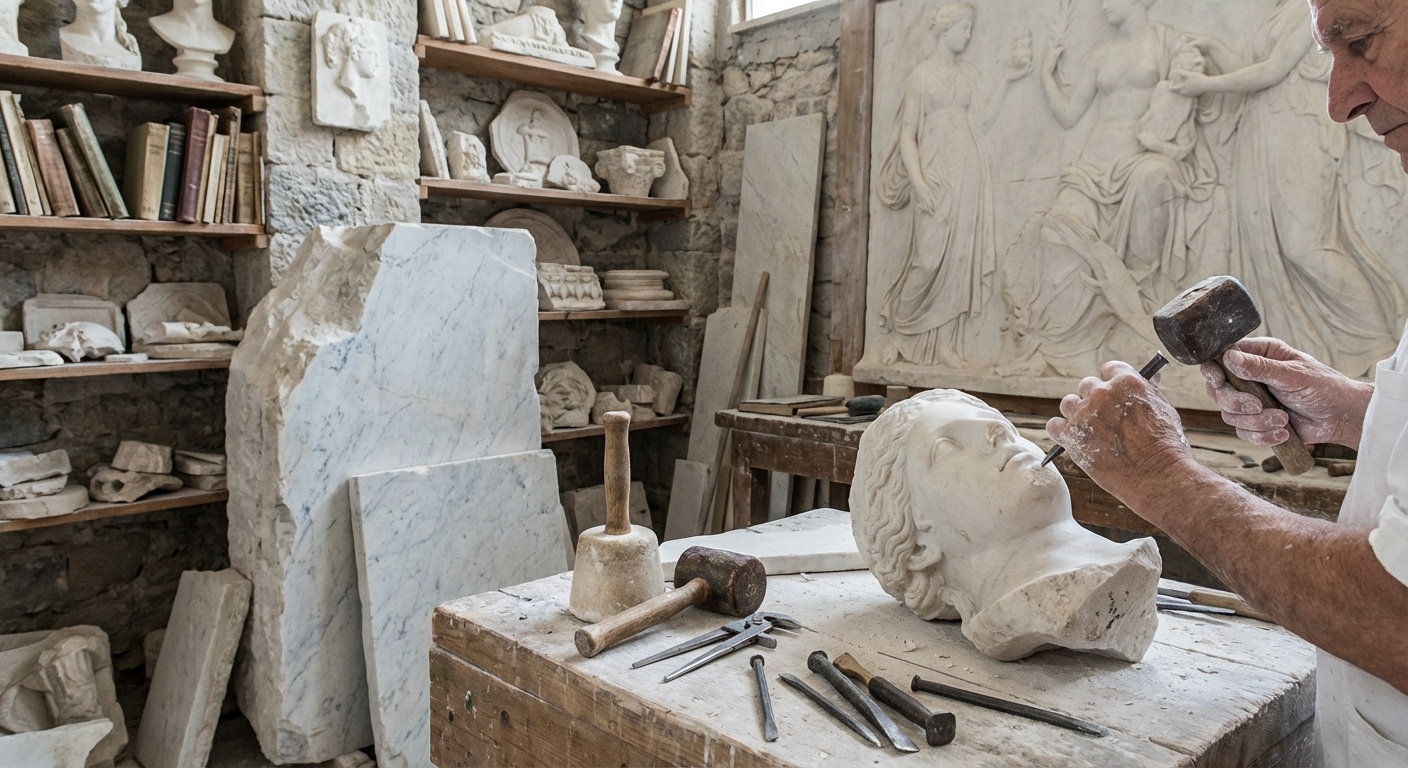
Long before the celebrated forms of Phidias and Michelangelo, marble held a quiet allure for early civilizations. While not initially the dominant sculptural material – bronze and wood preceded it in many cultures – its inherent qualities gradually captivated artists seeking permanence and beauty. The earliest examples, dating back to the 3rd millennium BCE in regions like Warka (modern Iraq), demonstrate a nascent understanding of stone carving, though these were often smaller-scale works compared to the monumental achievements that would follow. However, it was within the burgeoning Greek world that marble truly ascended to prominence. The accessibility of high-quality marble deposits – particularly on islands like Paros and Naxos – proved pivotal. Parian marble, renowned for its exceptional purity and fine grain, became synonymous with sculptural excellence. Quarrying itself was a laborious undertaking, relying on skilled laborers employing wedges, levers, and brute force to extract massive blocks from the earth. These weren’t simply acts of extraction; they were feats of engineering, demanding meticulous planning and an intimate knowledge of the stone's natural fissures.
Classical Mastery: Greek & Roman Sculpture and the Ideal Form
 Echoes of Antiquity: Exploring Themes & Techniques in Classical Art Masterpieces
Explore the timeless beauty & profound themes of Classical art! Discover Greek & Roman masterpieces, Neoclassical revivals, and the enduring influence on artistic movements. Expert insights & high-quality reproductions at ArtsDot.
The Classical period witnessed a revolution in marble sculpture, driven by a pursuit of idealized human form. Greek sculptors didn’t merely replicate anatomy; they sought to embody concepts of beauty, harmony, and proportion. Figures like Polykleitos codified these principles with his *Canon*, establishing mathematical ratios for the perfect male nude. The development of contrapposto – a naturalistic stance where weight is shifted onto one leg, creating a subtle S-curve in the body – imbued sculptures with a sense of life and movement previously unseen. This pursuit wasn’t solely aesthetic; it was deeply intertwined with religious beliefs and civic ideals. Statues of gods and goddesses adorned temples, serving as focal points for worship and symbols of divine power. The Romans, inheriting Greek artistic traditions, further refined these techniques, often emphasizing realism and portraiture. While they admired the grace of Greek sculpture, Roman artists also introduced a greater degree of individuality and narrative detail into their works. The sheer scale of Roman marble production – fueled by vast empires and ambitious building projects – is testament to its enduring appeal.
Hellenistic Innovation: Emotion, Drama, and Technical Prowess in Marble
Hellenistic art is the art of the Hellenistic period generally taken to begin with the death of Alexander the Great in 323 BC and end with the conquest of the Greek world by the Romans, a process well underway by 146 BC, when the Greek mainland was t...
Following the conquests of Alexander the Great, a new artistic sensibility emerged—the Hellenistic period. This era marked a departure from the serene idealism of the Classical age, embracing instead a heightened sense of emotion, drama, and technical virtuosity. Sculptors explored complex narratives, depicting scenes of intense suffering, dynamic movement, and psychological depth. The *Laocoön and His Sons*, with its agonizing portrayal of struggle against fate, exemplifies this shift. The *Winged Victory of Samothrake*, a breathtaking depiction of Nike alighting on the prow of a ship, showcases an unparalleled mastery of drapery and anatomical detail. Hellenistic artists weren’t afraid to push boundaries, experimenting with new compositions, poses, and textures. The influence of royal patronage also played a significant role, as rulers commissioned lavish sculptures that celebrated their power and authority. This period saw a greater emphasis on individual expression and the exploration of human experience in all its complexity.
Renaissance Revival: Rediscovering Antiquity and Michelangelo’s Influence
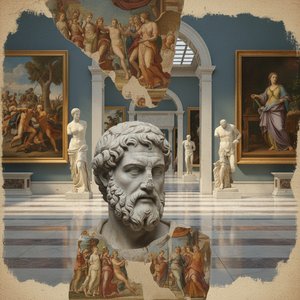 Echoes of Antiquity: Enduring Themes & Techniques in Classic Art
Explore the enduring legacy of classical art! Discover ancient Greek & Roman influences, Renaissance masterpieces, and timeless techniques. Expert insights for collectors & enthusiasts at ArtsDot.
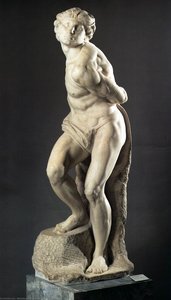
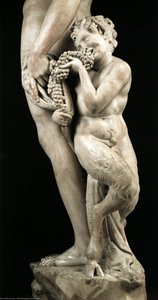
The Renaissance witnessed a fervent rediscovery of classical art, profoundly impacting sculpture. Artists meticulously studied ancient Roman statues, seeking to emulate their grace, proportion, and anatomical accuracy. This revival wasn't merely imitative; it was transformative. Sculptors like Donatello infused classical forms with new emotional depth and realism. However, it was Michelangelo who truly revolutionized marble sculpting during this period. His *Pieta*, housed in St. Peter’s Basilica, remains a testament to his unparalleled skill and artistic vision. Michelangelo approached marble not as a material to be merely shaped, but as a means of liberating the form hidden within. He famously described his process as “releasing the figures trapped inside,” emphasizing the inherent potential of the stone itself. His anatomical precision, dramatic compositions, and emotional intensity set a new standard for sculptural excellence, influencing generations of artists to come.
Baroque Grandeur: Dramatic Expression and the Pursuit of Realism
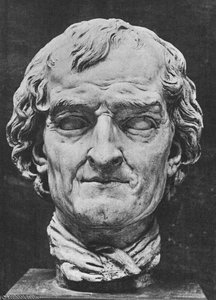 Self portrait Marble
Admire Pierre Puget’s ‘Self Portrait Marble,’ a striking black & white sculpture embodying Baroque realism & timeless elegance. Explore this classical masterpiece's form & history.
The Baroque period embraced drama, emotion, and theatricality in art, and marble sculpture was no exception. Artists sought to evoke powerful responses from viewers through dynamic compositions, elaborate details, and a heightened sense of realism. Sculptors like Gian Lorenzo Bernini pushed the boundaries of technical skill, creating works that seemed to defy gravity and capture fleeting moments in time. His sculptures often incorporated complex narratives, rich textures, and dramatic lighting effects. Pierre Puget’s ‘Self Portrait Marble,’ exemplifies this Baroque sensibility with its striking realism and timeless elegance. The pursuit of *sprezzatura* – a studied carelessness that conveyed effortless mastery – became central to the Baroque aesthetic. Sculptors aimed not only to replicate reality but also to imbue their works with a sense of movement, energy, and emotional intensity. The use of marble allowed for intricate details and subtle textures that enhanced the dramatic impact of these sculptures.
Symbolism & Meaning: Exploring Themes Embedded in Marble Artworks
Beyond technical skill, marble sculpture has always been imbued with profound symbolism and meaning. From ancient Greek depictions of gods and goddesses to Renaissance representations of religious figures, artworks served as vehicles for conveying complex ideas and beliefs. The choice of subject matter – whether mythological narratives, historical events, or portraits of prominent individuals – was often laden with political, social, and cultural significance. The very material itself—marble—became associated with purity, immortality, and divine power. *I*conography played a crucial role in deciphering these meanings, with specific attributes and gestures conveying particular messages. For example, the depiction of Venus often symbolized love, beauty, and fertility, while statues of Apollo represented reason, harmony, and artistic inspiration. Understanding these symbolic layers adds depth and richness to our appreciation of marble sculpture, revealing not only the artist’s skill but also the cultural context in which it was created. At ArtsDot, we strive to provide access to high-quality reproductions that allow you to connect with these timeless masterpieces and explore their enduring legacy.