

 Preview
 Send
Send Share
Share
 Details

 Download
 Similars
 X-Ray
X-Ray Diaporama
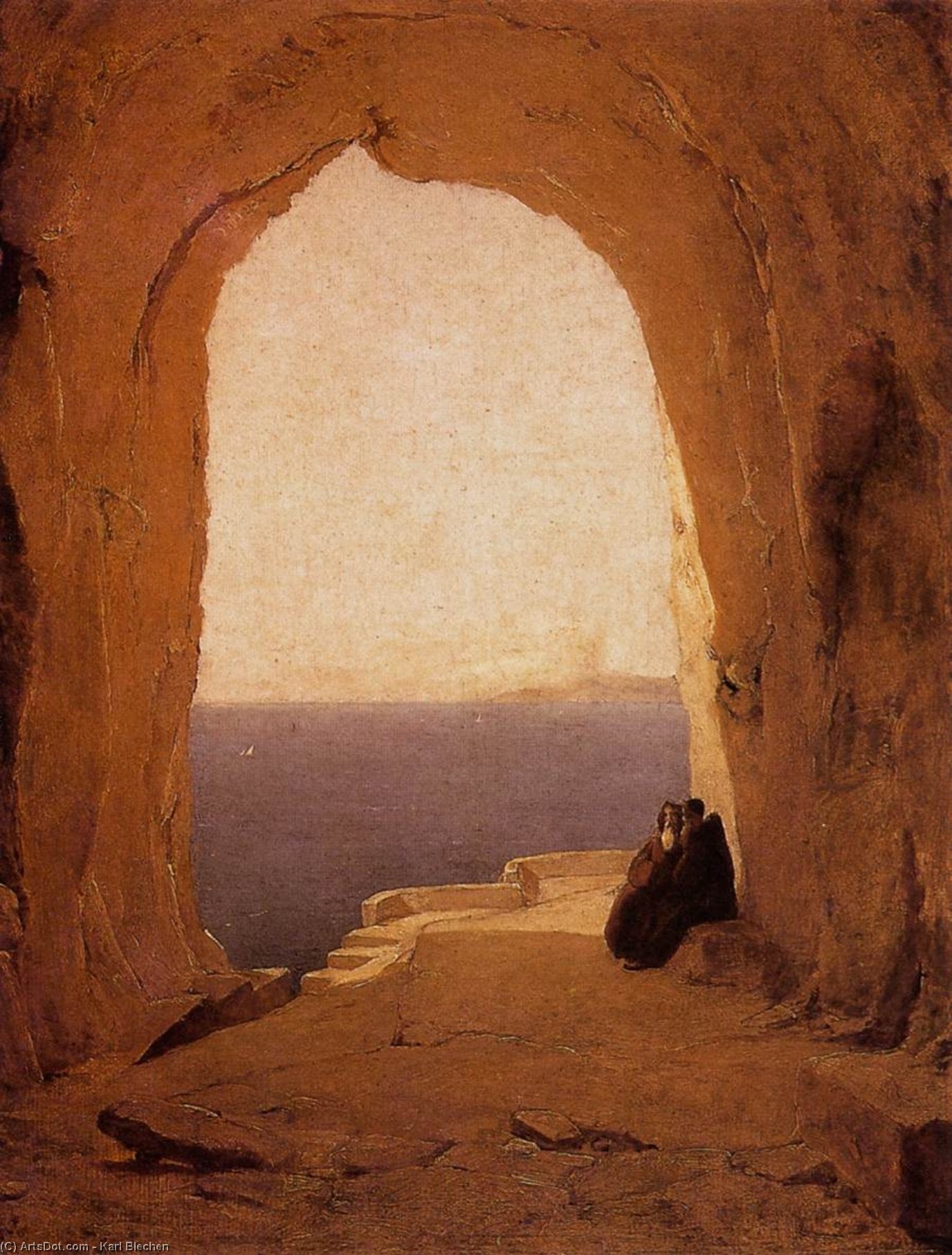
Grotto in the Gulf of Naples
 Oil On Canvas
- WallArt
- Romantic Industrialization
 1829
1829 37.0 x 29.0 cm
 Wallraf-Richartz-Museum
 Read More
Purchase a high-resolution, enhanced digital image, far superior to the online preview.
Each file is meticulously prepared by our in-house specialists using advanced tools and expert manual retouching. We ensure every image has exceptional clarity, precise color accuracy, and fine detail.
The final file is delivered via email within 72 hours, optimized for immediate use in professional, editorial, and print environments. This is the same quality trusted by top-tier design studios, publishers, and galleries.
Digital Image
Download a high-resolution file for personal display, printing, and creative projects. ( Buy Print Buy Hand Made Painting)
Included in Every Digital Image Order
Expert Digital Delivery, Guaranteed
When you choose ArtsDot.com, you're not just getting an image - you're receiving a professionally enhanced digital artwork, crafted with precision and backed by a satisfaction guarantee. Here's everything that comes with your order, automatically:

Fast Email Delivery
Your high-resolution digital image file will be emailed to you within 72 hours of ordering - ready for immediate use.

AI-Enhanced Digital File
Your artwork is professionally optimized using advanced AI tools and manual editing, ensuring maximum detail, clarity, and color accuracy.

Free Lifetime Re-Delivery
Accidentally deleted or lost your file? No worries - we'll resend it to you anytime, free of charge.

No Import Fees - Ever
Enjoy your artwork instantly with zero customs, duties, or delivery fees - digital downloads are always tax-free.

Color Accuracy Guarantee
We ensure your digital image reflects the original colors as closely as possible using professional tools and color management.

60-Day Satisfaction Guarantee
If you're not satisfied with your digital image, we'll revise it or refund 100% within 60 days - no questions asked.

100% Money-Back Guarantee
Not satisfied? Get a full refund within 60 days of receiving your digital file - no questions asked.

Bulk Order Discounts
Buy 3 images, save 10% - Buy 5, save 15% - Buy 10+, save 20%. Great for creative projects, galleries, and agencies.
Collectible Description
A Pioneer's Vision of Tranquility: Exploring Carl Blechen’s “Grotto in the Gulf of Naples”
Carl Blechen (1798-1840) stands as an intriguing figure within Romantic landscape painting, a composer who dared to harmonize the burgeoning industrial age with the sublime beauty of nature—a feat remarkably uncommon for his peers. Initially destined for a life of financial stability through banking, Blechen’s artistic passion ultimately eclipsed pragmatic ambitions, propelling him toward a transformative journey into art history. His formative years were deeply influenced by Romantic ideals, yet he distinguished himself from many contemporaries by prioritizing observation and capturing the palpable shift occurring in Europe's visual culture. Blechen’s fascination with Naples stemmed from his profound engagement with the Romantic movement’s core tenets—a yearning for unspoiled wilderness juxtaposed against the encroaching presence of urbanization. Unlike artists preoccupied solely with idealized pastoral scenes or grand historical narratives, Blechen sought to portray the realities of a world undergoing rapid transformation, documenting the effects of industrial progress on the natural environment. This dedication is vividly realized in “Grotto in the Gulf of Naples,” painted in 1829 and housed at the Wallraf-Richartz Museum in Cologne.Subject Matter and Composition
The painting depicts a serene cave nestled along the coastline of the Gulf of Salerno, Italy. Blechen meticulously captures the interplay of light and shadow within the cavern’s interior, skillfully utilizing chiaroscuro—a technique championed by Caravaggio—to heighten dramatic effect. Two figures are positioned on rocky outcrops overlooking the ocean, embodying contemplation and connection with the surrounding landscape. A distant sailboat adds depth to the scene, subtly reinforcing the sense of expansive space and tranquility. Blechen's deliberate composition emphasizes harmony between human presence and natural grandeur.Style and Technique
Blechen’s style is characterized by its expressive realism—a departure from the polished idealism prevalent in much Romantic art. He eschewed smooth brushstrokes and meticulous detail, favoring instead textured surfaces that convey a palpable sense of atmosphere. Blechen's palette leans toward muted tones—greens, blues, and browns—reflecting the subdued hues of the Mediterranean environment. The artist’s masterful handling of color contributes significantly to the painting’s emotional resonance, conveying both coolness and warmth simultaneously.Historical Context and Symbolism
“Grotto in the Gulf of Naples” emerged during a pivotal moment in European history: the Romantic Industrial Revolution. Blechen's decision to depict this landscape wasn’t merely aesthetic; it represented a conscious effort to grapple with the anxieties surrounding industrial expansion—the displacement of rural life by urban centers and the perceived degradation of natural beauty. The cave itself symbolizes refuge from societal pressures, while the ocean embodies boundless possibility and spiritual renewal. Blechen’s work serves as a poignant reminder that even amidst rapid change, moments of profound serenity and connection with nature endure.Emotional Impact
The painting evokes feelings of peace, contemplation, and wonder. Blechen's masterful use of light and color transports viewers to the shores of Italy, inviting them to immerse themselves in the beauty of the natural world. The figures’ posture conveys a quiet dignity—a suggestion that true fulfillment lies not in conquering nature but in harmonizing with its rhythms. “Grotto in the Gulf of Naples” remains an enduring testament to Blechen's artistic vision and his ability to capture the emotional essence of Romantic idealism blended with the realities of industrial progress.Related Artworks




Artist Biography
A Pioneer of Romantic Industrialization: The Life and Art of Carl Blechen
Carl Eduard Ferdinand Blechen, born in Cottbus, Germany, in 1798, occupies a unique and often overlooked position within the landscape painting tradition. His life was marked by both artistic brilliance and personal turmoil, a duality that profoundly shaped his evocative and groundbreaking work. Initially destined for a pragmatic career in banking due to familial financial constraints, Blechen’s inherent artistic inclinations ultimately prevailed. He pursued studies at the Berlin Academy of Arts in 1822, embarking on a path that would see him become one of the first artists to grapple with the aesthetic challenges—and possibilities—presented by early industrialization.
Blechen's formative years were steeped in the Romantic ideals sweeping across Europe. However, unlike many of his contemporaries who focused solely on idealized natural beauty or historical grandeur, Blechen’s gaze was drawn to a changing world. A pivotal journey to Italy in 1828-1829 proved transformative. Immersed in the light and atmosphere of the Italian countryside, he honed his skills in plein air sketching, capturing fleeting moments and dramatic effects with remarkable sensitivity. These sketches weren't merely preparatory studies; they were imbued with a vibrant energy that would characterize his mature style. He returned to Berlin not simply as a technically proficient painter but as an artist with a distinct vision—one that sought to reconcile the sublime beauty of nature with the encroaching realities of modernity.
Navigating Tradition and Transformation
Blechen’s artistic output is characterized by a compelling tension between Romantic sensibility and a nascent realism. He didn't shy away from depicting the burgeoning industrial landscape, but neither did he celebrate it uncritically. Works like Bau der Teufelsbrücke (Construction of the Devil's Bridge), painted between 1830 and 1832, exemplify this approach. The painting doesn’t glorify the engineering feat; instead, it presents a scene of arduous labor set against a dramatic backdrop, hinting at both human ambition and the potential for disruption of the natural order. This willingness to confront the complexities of his time sets him apart from many of his contemporaries.
His landscapes are often imbued with a melancholic atmosphere, reflecting not only the changing physical environment but also his own internal struggles. Waldweg bei Spandau (Forest Path near Spandau), for instance, evokes a sense of solitude and introspection, while simultaneously showcasing Blechen’s mastery of light and shadow. He skillfully employed atmospheric perspective to create depth and mood, drawing the viewer into the scene and inviting contemplation. He wasn't merely recording what he saw; he was conveying an emotional response to it.
A Troubled Genius and Lasting Legacy
Despite his artistic achievements, Blechen’s life was tragically cut short by mental illness. Appointed Professor of Landscape Painting at the Berlin Academy in 1831—a testament to his growing reputation—his condition began to deteriorate rapidly after 1835. Forced to take leave and eventually hospitalized, he continued to create art even amidst his suffering, producing poignant drawings that offer a glimpse into his troubled inner world. He died in Berlin in 1840 at the age of 41.
Though his career was relatively brief, Carl Blechen’s influence on subsequent generations of artists is undeniable. His pioneering depictions of industrial landscapes paved the way for later Realist and Impressionist painters who sought to capture the changing face of modern life. He demonstrated that it was possible to find beauty—and meaning—even in the midst of transformation, a lesson that continues to resonate with artists today. His work remains a powerful reminder of the complex relationship between humanity, nature, and progress.
Key Works & Collections
- Im Berliner Tiergarten (The Berlin Zoo), 1825: An early example of his ability to capture atmospheric effects and everyday scenes with a Romantic sensibility.
- Waldweg bei Spandau (Forest Path near Spandau): A haunting landscape that exemplifies his mastery of light, shadow, and mood.
- Bau der Teufelsbrücke (Construction of the Devil's Bridge), 1830–32: A groundbreaking depiction of early industrialization, showcasing both human ambition and its impact on the natural world.
Today, Blechen’s works can be found in prominent museum collections worldwide, including the Kunsthalle Bielefeld in Germany, The Fitzwilliam Museum in Cambridge, and the National Gallery in London. These institutions preserve his legacy for future generations, ensuring that his innovative vision continues to inspire and challenge viewers.
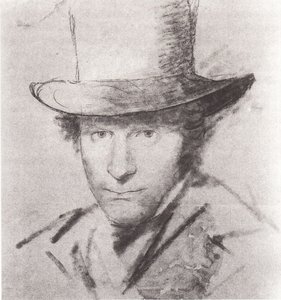
Carl Blechen
1798 - 1840 , Germany
Quick Facts
- Artistic Movement Or Style: Romanticism
- Artists Who Influenced This Artist:
- Caspar David Friedrich
- Johann Christian Dahl
- Date Of Birth: July 29, 1798
- Date Of Death: July 23, 1840
- Full Name: Carl Eduard Ferdinand Blechen
- Nationality: German
- Notable Artworks:
- Im Berliner Tiergarten
- Waldweg bei Spandau
- Bau der Teufelsbrücke
- Place Of Birth: Cottbus, Germany

