

 Preview
 Send
Send Share
Share
 Details

 Download
 Similars
 X-Ray
X-Ray Diaporama
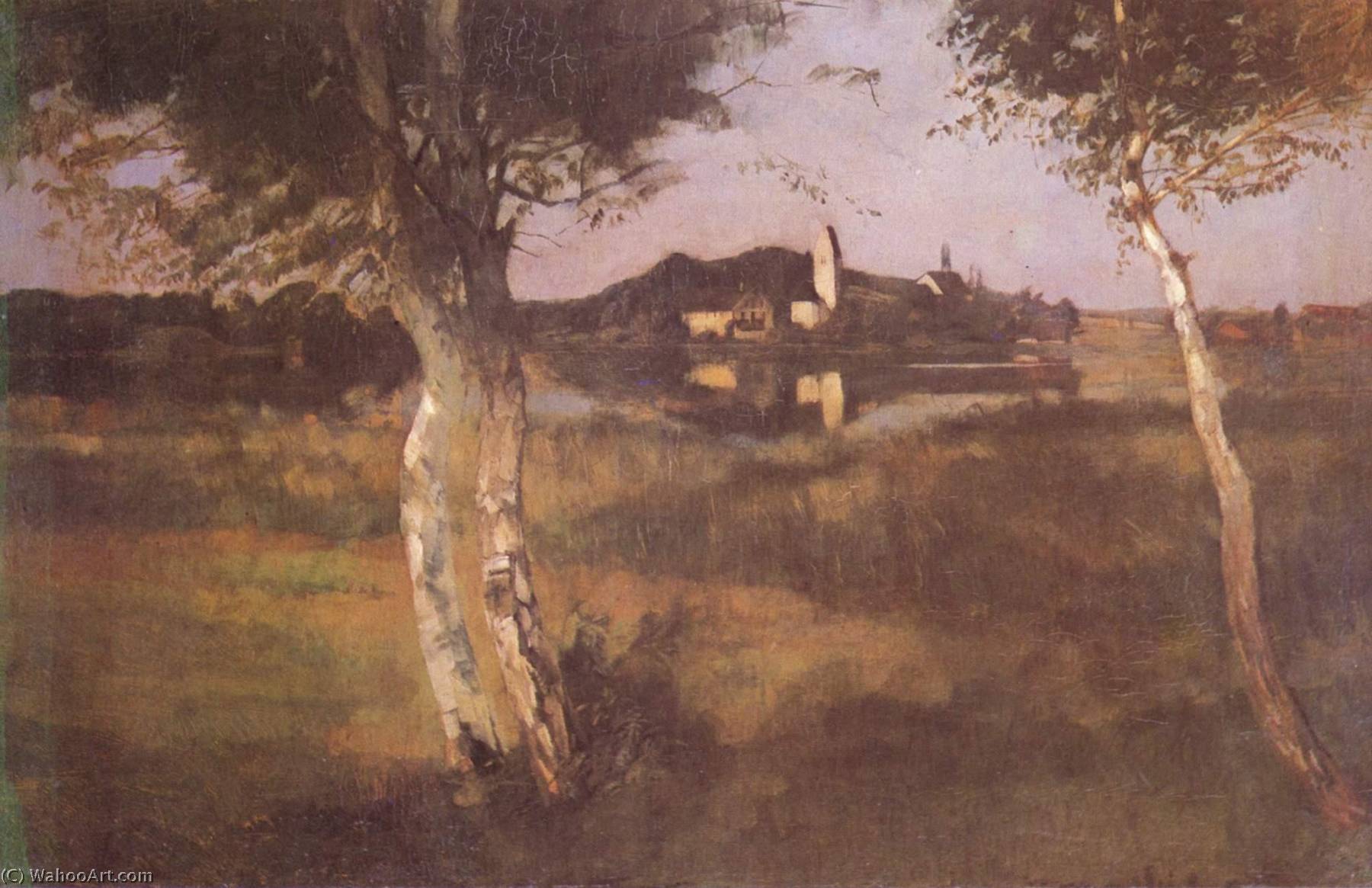
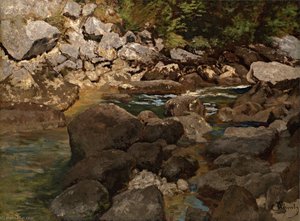
German Am Weßlinger See
 Impressionism
 1876
1876 45.0 x 70.0 cm
 Read More
Purchase a high-resolution, enhanced digital image, far superior to the online preview.
Each file is meticulously prepared by our in-house specialists using advanced tools and expert manual retouching. We ensure every image has exceptional clarity, precise color accuracy, and fine detail.
The final file is delivered via email within 72 hours, optimized for immediate use in professional, editorial, and print environments. This is the same quality trusted by top-tier design studios, publishers, and galleries.
Digital Image
Download a high-resolution file for personal display, printing, and creative projects. ( Buy Print Buy Hand Made Painting)
Included in Every Digital Image Order
Expert Digital Delivery, Guaranteed
When you choose ArtsDot.com, you're not just getting an image - you're receiving a professionally enhanced digital artwork, crafted with precision and backed by a satisfaction guarantee. Here's everything that comes with your order, automatically:

Fast Email Delivery
Your high-resolution digital image file will be emailed to you within 72 hours of ordering - ready for immediate use.

AI-Enhanced Digital File
Your artwork is professionally optimized using advanced AI tools and manual editing, ensuring maximum detail, clarity, and color accuracy.

Free Lifetime Re-Delivery
Accidentally deleted or lost your file? No worries - we'll resend it to you anytime, free of charge.

No Import Fees - Ever
Enjoy your artwork instantly with zero customs, duties, or delivery fees - digital downloads are always tax-free.

Color Accuracy Guarantee
We ensure your digital image reflects the original colors as closely as possible using professional tools and color management.

60-Day Satisfaction Guarantee
If you're not satisfied with your digital image, we'll revise it or refund 100% within 60 days - no questions asked.

100% Money-Back Guarantee
Not satisfied? Get a full refund within 60 days of receiving your digital file - no questions asked.

Bulk Order Discounts
Buy 3 images, save 10% - Buy 5, save 15% - Buy 10+, save 20%. Great for creative projects, galleries, and agencies.
Collectible Description
Artistic Style and Influences
Carl Eduard Schuch's artistic style is characterized by his use of soft colors and delicate brushstrokes, which create a sense of tranquility in his paintings. His works are often compared to those of other notable landscape artists, such as Claude Monet and John Constable. The Neue Pinakothek in Munich, Germany, features several of Schuch's paintings, including his notable work Mountain landscape in South Tyrol.Notable Works and Exhibitions
Some of Carl Eduard Schuch's notable works include A Farmstead on a Country Road, which was recently auctioned at the Dorotheum in Vienna. His paintings can also be found in various museums and galleries, such as the Kunsthalle in Bremen, Germany. For art enthusiasts and collectors, ArtsDot.com offers handmade oil painting reproductions of Schuch's works, including German Am Weßlinger See. Visit https://ArtsDot.com to explore their collection and learn more about the artist.- Landscape paintings by Carl Eduard Schuch are highly sought after for their beauty and historical significance.
- The Shire Hall Gallery in Stafford, United Kingdom, features an impressive collection of artworks from various artists, including landscape paintings similar to those by Schuch.
- For more information on Carl Eduard Schuch and his works, visit https://ArtsDot.com or check out the artist's page on Wikipedia: https://en.wikipedia.org/wiki/Carl_Eduard_Schuch
The beauty and serenity of German Am Weßlinger See make it a must-have for any art collection, and with ArtsDot.com, you can own a handmade reproduction of this stunning painting.
Related Artworks
Artist Biography
The Luminous Transition: Carl Eduard Schuch's Artistic Journey
Carl Eduard Schuch, an Austrian painter whose life spanned the vibrant and tumultuous late nineteenth century, remains a fascinating figure at the crossroads of artistic movements. Born in Vienna in 1846, his creative spirit, however, found its most fertile ground far from his birthplace. His travels took him through the cultural melting pots of Germany, Italy, and France, geographies that profoundly shaped the palette and philosophy of his art. Schuch’s primary focus settled upon the quiet dignity of still lifes and the expansive breath of landscapes. Early in his formal training, between 1865 and 1867, he studied landscape painting under the esteemed academician Ludwig Halauska, an apprenticeship that laid a foundational understanding of composition and light.
Yet, even in these early studies, Schuch harbored a unique intellectual curiosity. He once described his initial attempts at studying heads as if they were still lifes—a desire to capture tone by painstaking tone, stripping away the ephemeral veil of overt emotion. This very approach—the meticulous observation underlying seemingly simple subjects—would become a hallmark of his mature style.
Echoes of Masters: Influences and Development
Schuch’s artistic development was marked by an intense absorption of history's great masters, particularly during his time in Paris between 1882 and 1894. It was here that the revolutionary spirit of Impressionism began to resonate deeply within him. He found himself profoundly impressed by Claude Monet, whom he admired enough to compare him favorably to Rembrandt in the realm of plein-air painting. However, his gaze often drifted back through time, finding a deeper kinship with the profound chiaroscuro and psychological depth inherent in the work of Rembrandt himself, alongside the earthy realism championed by the Barbizon School artists.
His dedication to color was perhaps most evident during summers spent in the Netherlands. In 1884 and 1885, he immersed himself in the legacy of the Dutch Old Masters, meticulously filling his notebooks with detailed chromatic observations gleaned from admired canvases. This deep study of pigment and light connected him closely with the circle surrounding Wilhelm Leibl, a group to which Schuch proved himself most devotedly attuned regarding the sheer power of color.
A Life Shared: Friendship and Artistic Partnership
Among the many relationships that colored his life, perhaps none was as formative or dramatic as his bond with the artist Karl Hagemeister. The two men met in Bavaria and embarked on a shared journey across Central Europe, eventually settling for three years in the small village of Ferch, south of Berlin. In this intimate setting, they shared not only a meager dwelling but an entire artistic existence. While the robust Hagemeister tended to the more sensitive Schuch through acts of daily care—cooking, hunting, and fishing—their connection deepened into something speculated by biographers to be far more than mere friendship.
This idyllic period eventually fractured when Schuch returned to Paris. The final meeting between them was fraught with tension, culminating in a disagreement over the merits of Hagemeister’s recently completed work, "Teller mit Austern." This falling out led to a dramatic severance: Hagemeister reportedly disposed of six of his own works into the Seine, marking an abrupt and painful end to their shared chapter.
Bridging Eras: Schuch's Historical Significance
Carl Eduard Schuch’s oeuvre is not merely a collection of beautiful paintings; it represents a crucial moment in art history. His work stands as a tangible bridge, charting the passage from the established conventions of academic realism toward the burgeoning freedoms of modern artistic expression in Vienna and beyond. He absorbed the structured observation of the Old Masters while embracing the immediacy of the plein-air movement. Whether capturing the quiet dignity of a still life or the shifting light across a landscape, Schuch’s touch speaks to an artist deeply engaged with both tradition and inevitable change.
His legacy invites us to view art not as a destination, but as a continuous conversation between what has been and what is yet to come.
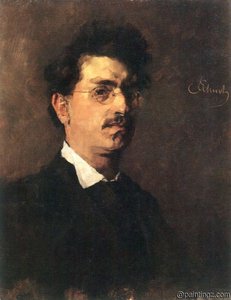
carl eduard schuch
1846 - 1903 , Austria
Quick Facts
- Artistic Movement Or Style: Realism to Modernism
- Artists Who Influenced This Artist:
- Claude Monet
- Rembrandt
- Date Of Birth: 1846
- Date Of Death: 1903
- Full Name: Carl Eduard Schuch
- Nationality: Austrian
- Place Of Birth: Vienna, Austria

