

 Preview
 Send
Send Share
Share
 Details

 Download
 Similars
 X-Ray
X-Ray Diaporama
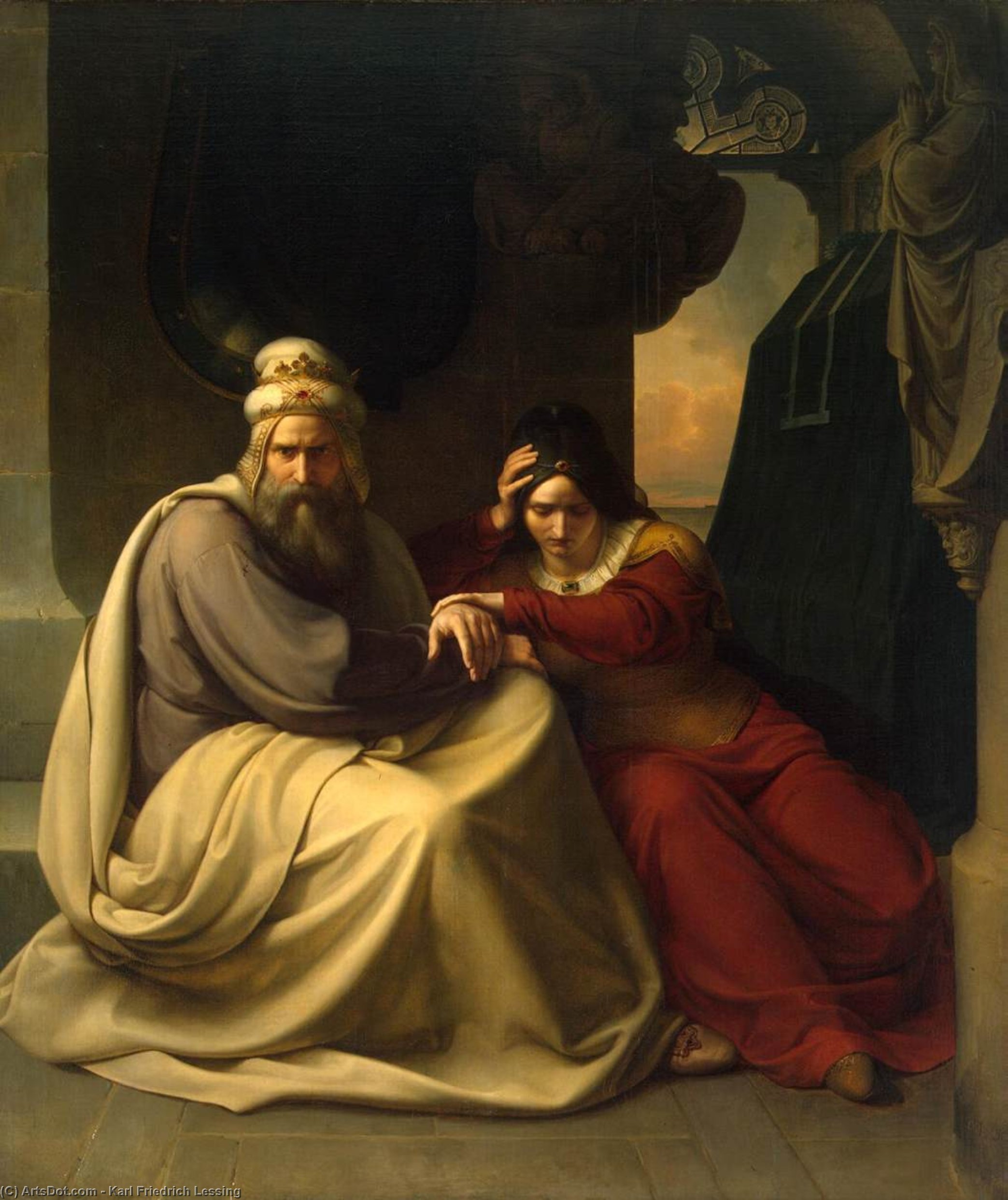
Royal Couple Mourning for their Dead Daughter
 Acrylic On Canvas
- WallArt
- Romanticism
 1830
1830 215.0 x 193.0 cm
 Hermitage Museum
 Read More
Purchase a high-resolution, enhanced digital image, far superior to the online preview.
Each file is meticulously prepared by our in-house specialists using advanced tools and expert manual retouching. We ensure every image has exceptional clarity, precise color accuracy, and fine detail.
The final file is delivered via email within 72 hours, optimized for immediate use in professional, editorial, and print environments. This is the same quality trusted by top-tier design studios, publishers, and galleries.
Digital Image
Download a high-resolution file for personal display, printing, and creative projects. ( Buy Print Buy Hand Made Painting)
Included in Every Digital Image Order
Expert Digital Delivery, Guaranteed
When you choose ArtsDot.com, you're not just getting an image - you're receiving a professionally enhanced digital artwork, crafted with precision and backed by a satisfaction guarantee. Here's everything that comes with your order, automatically:

Fast Email Delivery
Your high-resolution digital image file will be emailed to you within 72 hours of ordering - ready for immediate use.

AI-Enhanced Digital File
Your artwork is professionally optimized using advanced AI tools and manual editing, ensuring maximum detail, clarity, and color accuracy.

Free Lifetime Re-Delivery
Accidentally deleted or lost your file? No worries - we'll resend it to you anytime, free of charge.

No Import Fees - Ever
Enjoy your artwork instantly with zero customs, duties, or delivery fees - digital downloads are always tax-free.

Color Accuracy Guarantee
We ensure your digital image reflects the original colors as closely as possible using professional tools and color management.

60-Day Satisfaction Guarantee
If you're not satisfied with your digital image, we'll revise it or refund 100% within 60 days - no questions asked.

100% Money-Back Guarantee
Not satisfied? Get a full refund within 60 days of receiving your digital file - no questions asked.

Bulk Order Discounts
Buy 3 images, save 10% - Buy 5, save 15% - Buy 10+, save 20%. Great for creative projects, galleries, and agencies.
Collectible Description
A Portrait of Grief: Exploring Carl Friedrich Lessing’s “Royal Couple Mourning for Their Dead Daughter”
Carl Friedrich Lessing's "Royal Couple Mourning for Their Dead Daughter," painted in 1830, stands as a poignant testament to Romantic sensibilities and the enduring power of landscape infused with emotion. More than just a depiction of familial sorrow, this artwork delves into profound themes of loss, remembrance, and the melancholic beauty inherent in confronting mortality – concepts central to the artistic movement that shaped Lessing’s oeuvre.The Düsseldorf School's Legacy: Style and Technique
Lessing was undeniably a cornerstone of the Düsseldorf School, an influential group of German painters who championed a distinctive approach to landscape painting. Unlike their predecessors who favored idealized vistas, Düsseldorf artists sought to capture not merely what *was*, but what *felt*. Lessing’s technique exemplifies this ethos. He employed meticulous tonal gradations – painstakingly blended hues of grey and ochre – to create an atmosphere of subdued solemnity. The artist skillfully utilized impasto brushstrokes, particularly in the depiction of crumbling castle ruins and distant mountains, adding textural depth that conveys both physical decay and emotional resonance. This deliberate layering of pigment contributes significantly to the painting’s overall mood and invites contemplation on the passage of time and inevitable decline.Historical Context: Romanticism's Embrace of Sorrow
The painting emerged during the height of Romanticism, a period characterized by an intense fascination with emotion, imagination, and the sublime – experiences deemed inaccessible through rational thought alone. Philosophers like Johann Wolfgang von Goethe championed the notion that art should evoke feelings rather than merely presenting facts. Lessing’s subject matter—a grieving royal couple contemplating the loss of their child—perfectly embodies this Romantic preoccupation with grief and remembrance. The crumbling castle ruins serve as a visual metaphor for fading grandeur and the inevitability of ruin, mirroring the emotional turmoil experienced by the figures portrayed. Furthermore, the inclusion of a solitary bench underscores the theme of solitude and contemplation – an essential element in Romantic artistic expression.Symbolism Beyond Representation: Landscape as Emotional Conduit
Beyond its realistic portrayal of human sorrow, “Royal Couple Mourning for Their Dead Daughter” operates on multiple symbolic levels. The stark landscape—dominated by weathered stone walls and distant mountains—functions as a conduit for conveying emotion. Mountains, traditionally representing strength and permanence, are rendered in muted tones, suggesting vulnerability and fragility against the backdrop of time’s relentless march. The crumbling castle ruins symbolize not only physical decay but also the disintegration of aristocratic ideals and traditions – themes prevalent within Romantic literature and art. Even the simple cup placed near the couple serves as a poignant reminder of cherished memories and the bittersweet beauty of remembrance.Emotional Impact: A Meditation on Loss and Beauty
Ultimately, Lessing’s masterpiece succeeds in eliciting a profound emotional response from the viewer. The subdued palette, combined with masterful brushwork, fosters an atmosphere of melancholic contemplation. The painting compels us to confront our own mortality and appreciate the fleeting nature of beauty – ideas that resonated deeply within the Romantic spirit. “Royal Couple Mourning for Their Dead Daughter” remains a powerful reminder that art can transcend mere visual representation, achieving instead a sublime communion between emotion and landscape—a legacy that continues to inspire artists and collectors alike.Related Artworks

Artist Biography
early life and education
carl friedrich lessing, a renowned german historical and landscape painter, was born on february 15, 1808, in breslau (now wrocław), poland. he was the grandnephew of the esteemed poet and dramaturge gotthold ephraim lessing. lessing's early education laid the foundation for his future artistic pursuits. he studied architecture at the berlin bauakademie in 1822, followed by enrollment at the königlich-preussische akademie der wissenschaften (royal prussian academy of the sciences) from 1823 to 1826.artistic career and influences
lessing's artistic career was marked by his association with friedrich wilhelm von schadow, under whose guidance he developed his skills in historical painting. in 1830, lessing's works, blending history and landscape elements, earned him recognition as one of the finest artists of the düsseldorf school. his notable paintings include:- landscape with castle ruins and riders (1878)
- soldiers at rest (1877)
- motif from the harz mountains (1870)
- landscape (1862)
- upper rhine chapel (1860)
leadership and legacy
lessing co-founded the artists' association malkasten (paint box) in 1848. from 1858 until his death in 1880, he served as the director of the grand ducal painting gallery and print collection in karlsruhe. key achievements:- first success with a painting at the berlin art exhibition (1826)
- accepted into schadow's atelier
- co-founder of malkasten (paint box) artists' association
- director of the grand ducal painting gallery and print collection in karlsruhe
references and further reading
for more on carl friedrich lessing, explore these links: note: the provided links are from ArtsDot.com and wikipedia, as per the instruction to only include relevant links from these sources.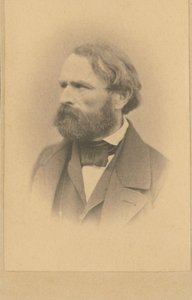
carl friedrich lessing
1808 - 1880 , Poland
Quick Facts
- Artistic Movement Or Style: Düsseldorf School
- Artists Or Movements Influenced By This Artist: ['Romanticism']
- Artists Who Influenced This Artist: ['Friedrich Wilhelm von Schadow']
- Date Of Birth: February 15, 1808
- Date Of Death: January 4, 1880
- Full Name: Karl Friedrich Lessing
- Nationality: German
- Notable Artworks:
- Landscape with Crows
- Bode Museum
- Place Of Birth: Wrocław, Poland

