

 Preview
 Send
Send Share
Share
 Details

 Download
 Similars
 X-Ray
X-Ray Diaporama
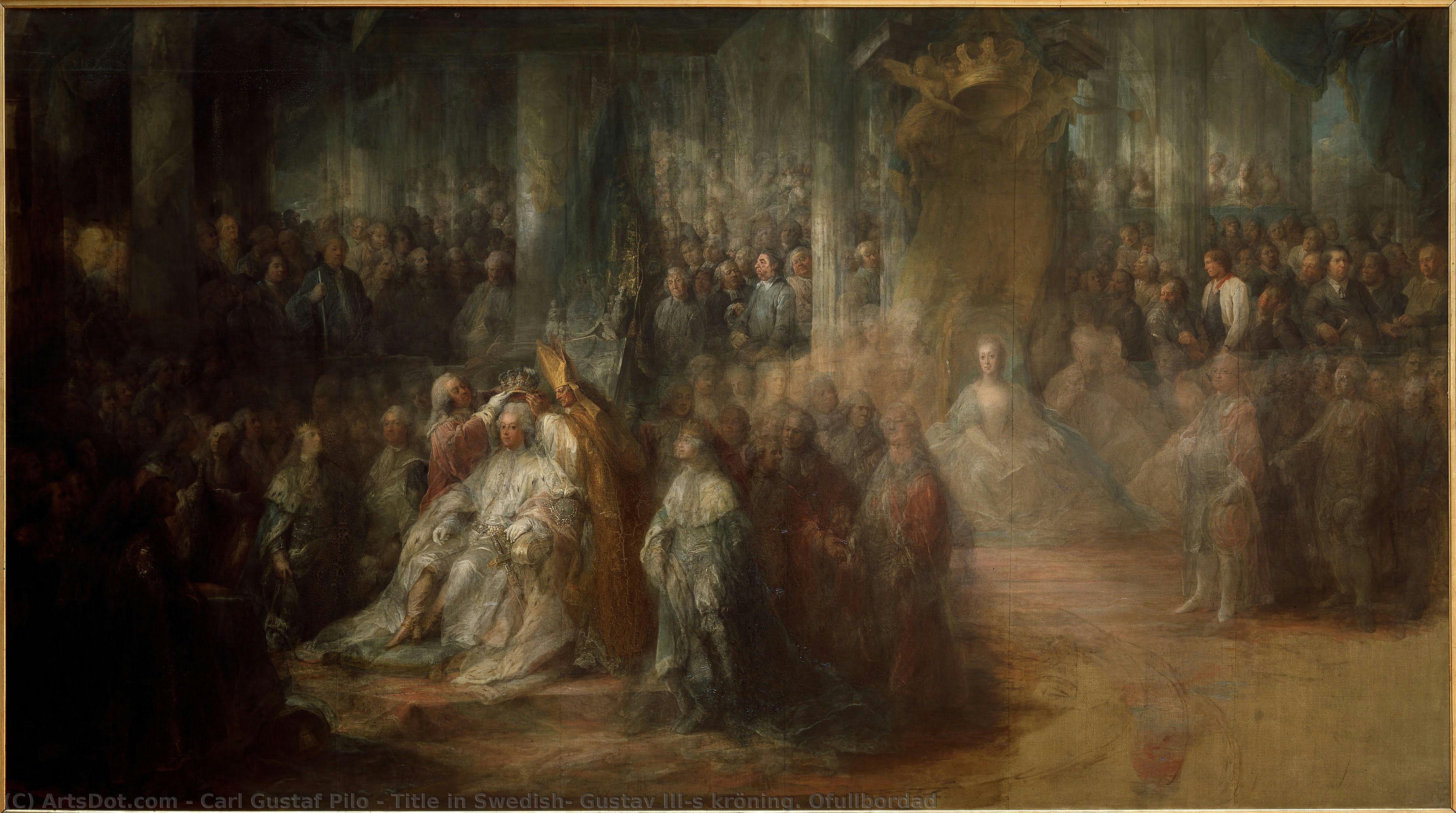
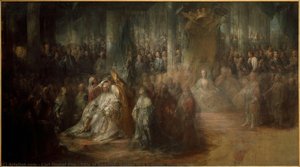
Title in Swedish: Gustav III:s kröning. Ofullbordad
 1793
1793 5310.0 x 2930.0 cm
 Nationalmuseum
 Read More
Purchase a high-resolution, enhanced digital image, far superior to the online preview.
Each file is meticulously prepared by our in-house specialists using advanced tools and expert manual retouching. We ensure every image has exceptional clarity, precise color accuracy, and fine detail.
The final file is delivered via email within 72 hours, optimized for immediate use in professional, editorial, and print environments. This is the same quality trusted by top-tier design studios, publishers, and galleries.
Digital Image
Download a high-resolution file for personal display, printing, and creative projects. ( Buy Print Buy Hand Made Painting)
Included in Every Digital Image Order
Expert Digital Delivery, Guaranteed
When you choose ArtsDot.com, you're not just getting an image - you're receiving a professionally enhanced digital artwork, crafted with precision and backed by a satisfaction guarantee. Here's everything that comes with your order, automatically:

Fast Email Delivery
Your high-resolution digital image file will be emailed to you within 72 hours of ordering - ready for immediate use.

AI-Enhanced Digital File
Your artwork is professionally optimized using advanced AI tools and manual editing, ensuring maximum detail, clarity, and color accuracy.

Free Lifetime Re-Delivery
Accidentally deleted or lost your file? No worries - we'll resend it to you anytime, free of charge.

No Import Fees - Ever
Enjoy your artwork instantly with zero customs, duties, or delivery fees - digital downloads are always tax-free.

Color Accuracy Guarantee
We ensure your digital image reflects the original colors as closely as possible using professional tools and color management.

60-Day Satisfaction Guarantee
If you're not satisfied with your digital image, we'll revise it or refund 100% within 60 days - no questions asked.

100% Money-Back Guarantee
Not satisfied? Get a full refund within 60 days of receiving your digital file - no questions asked.

Bulk Order Discounts
Buy 3 images, save 10% - Buy 5, save 15% - Buy 10+, save 20%. Great for creative projects, galleries, and agencies.
Collectible Description
Related Artworks






Artist Biography
Carl Gustaf Pilo (1711 – 1793): A Painter Caught Between Tradition and Enlightenment
Carl Gustaf Pilo stands as a fascinating figure in Swedish art history—a painter whose career unfolded amidst the turbulent currents of the eighteenth century, marked by shifting artistic styles and personal journeys driven by circumstance. Born on the farm Göksäter near Nyköping, södermanland, to olof (oluff) pilo, a skilled decorative painter himself, and beata jönsdotter sahlstedt, his early life remains shrouded in some degree of uncertainty due to discrepancies between contemporary accounts. Despite his father’s reservations about pursuing artistic education—a path deemed less practical than securing a secure livelihood—Pilo resolutely chose to dedicate himself to painting, receiving training primarily from crisman in stockholm, sweden. This formative period established him as a craftsman and honed his foundational skills before he embarked on a more ambitious trajectory.- Early Training & Craftsmanship: Pilo’s initial apprenticeship began in 1731, demonstrating the importance of practical experience alongside theoretical knowledge within the artistic milieu of his time. His work as a craft painter spanned from 1733 to 1738, primarily focusing on decorative commissions for prominent noble families in Scania—a period that yielded pastoral drawings indicative of his engagement with landscape painting and reflecting the prevailing aesthetic sensibilities of the era.
- Service to the Danish Court & Academic Pursuits: Moving to Copenhagen around 1740, Pilo secured a position within the Danish court, where he produced portraits and contributed to monumental paintings like “Gustav III’s Coronation,” cementing his reputation as a master of historical genre painting. Simultaneously, he served as professor and director at the Royal Danish Academy of Art (danish: det kongelige danske kunstakademi), shaping the artistic education of future generations and upholding the traditions of academic art.
- Influences & Artistic Style: Pilo's artistic style was deeply rooted in the Rococo movement, which flourished across Europe during his lifetime. However, he skillfully navigated the evolving tastes of the Enlightenment, incorporating elements of realism and psychological observation into his compositions—a subtle yet significant departure from purely decorative conventions.
- Legacy & Historical Significance: Pilo’s contribution to Swedish art is considerable. He helped establish the Royal Danish Academy of Art as a center for artistic excellence and produced numerous portraits that offer invaluable insights into the social and cultural landscape of his era. His work continues to be studied by scholars and admired for its technical virtuosity and expressive power, securing his place among the most important artists of the eighteenth century.
Carl Gustaf Pilo
1711 - 1793
Quick Facts
- Artistic Movement Or Style: Rococo
- Artists Or Movements Influenced By This Artist: ['Swedish Painting']
- Artists Who Influenced This Artist: ['Crisman']
- Date Of Birth: 1711
- Date Of Death: 1793
- Full Name: Carl Gustaf Pilo
- Nationality: Swedish
- Notable Artworks:
- Gustav III:s kröning.
- The First Envoy from Tripoli Who Came to Copenhagen in 1757
- Frederik V in his Anointing Robes
- Place Of Birth: Runtuna, Sweden

