 Preview
 Send
Send Share
Share
 Details

 Download
 Similars
 X-Ray
X-Ray Diaporama
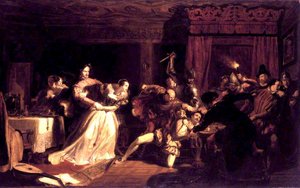
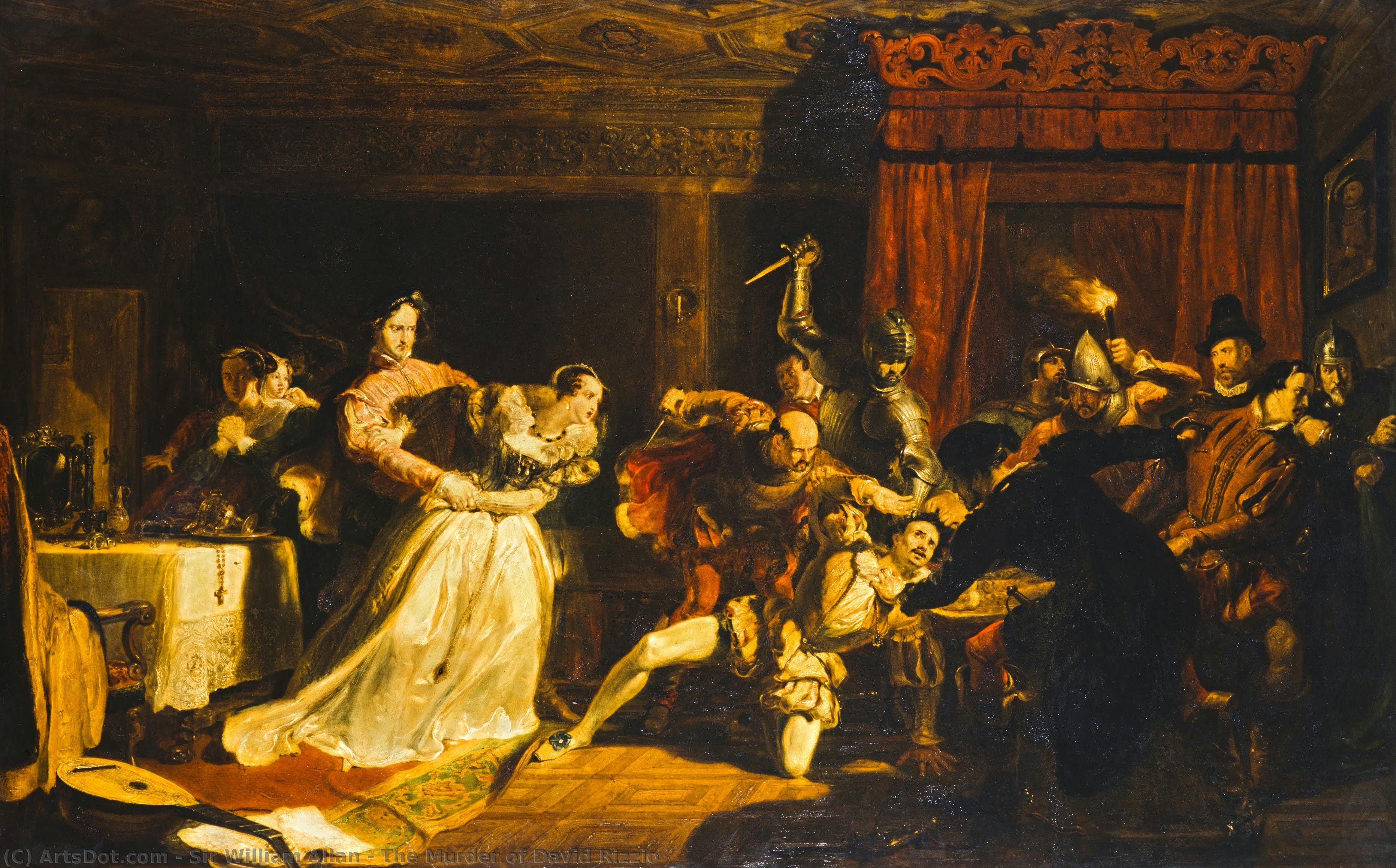
The Murder of David Rizzio
 Oil On Canvas
- WallArt
- Romanticism
 1833
1833- 19th Century
 102.0 x 163.0 cm
 Scottish National Gallery
 Read More
Hand Made Oil Reproduction
Hand-painted oil on canvas in your size and frame, made to order by our artists. ( Buy Print Buy Image)




P118B $10

P118H $10

P118W $10

P438Z $10

P508JH $12

P508YH $12

P805H $10

P805Z $10

P919BZ $10

P919G $10

P919XJ $10

P959ZH $10

P968JZ $12

W106C $8

W218G $10

W218JH $8

W218Y $10

W307PJ $10

W316G $10

W316PJ $8

W316Y $10

W398PJ $8

W4111J $10

W500HY $15

W500JH $15

W692G $12

W849H $8

W940BG $15

W953PJ $8




Pick from our preset sizes that match the artwork's original proportions.

You may enter your own dimensions to fit a specific frame or space. If your selected size does not match the original image's proportions, we will either crop the artwork or extend the painting with additional hand-painted elements. A digital mockup will be sent for your approval before production begins.
Please note that the on-screen preview does not reflect the actual cropping or extension. Only the mockup will accurately show the final composition.
While custom sizes are available, we recommend selecting a dimension from the predefined list to preserve the original proportions.
After order, ArtsDot.com team will email client for instructions and provide a mockup preview
Worldwide Delivery () in 3/4 weeks instead of standard 5 weeks. (17 August). No compromise on quality.

Free Worldwide Express Shipping

High-Quality Linen Canvas

Full Shipping Insurance

Customs Tax Refund Guarantee

True Color Matching Guarantee

60-Day Return Policy (Defects Only)

100% Money-Back Guarantee

Bulk Discount Offer
 Glass option is only available in size under 110 CM

The Murder of David Rizzio
Reproduction Medium
Reproduction Size
-


Total Price
$ 263
Artwork Description
A Moment Frozen in Treachery
In the grand, sweeping tradition of nineteenth-century historical painting, Sir William Allan’s The Murder of David Rizzio stands as a breathtaking masterclass in tension and theatricality. The canvas captures one of the most harrowing moments in Scottish royal history: the violent assassination of Mary, Queen of Scots' private secretary, David Rizzio. As the eye wanders through the dimly lit dining chamber, it is immediately struck by the sheer kinetic energy of the scene. Allan does not merely depict a historical event; he invites the viewer into the very heart of a conspiracy. The composition is dense and claustrophobic, populated by at least thirteen figures whose movements create a swirling vortex of chaos around the central victim. Through his masterful use of light and shadow, Allan directs our gaze toward the pivotal moment where royal command meets lethal intent, transforming a private meal into a public execution.
The technique employed by Allan reflects the height of Romanticism, characterized by a profound emotional depth and a meticulous attention to historical texture. The artist utilizes a rich, oil-on-canvas medium to render the heavy fabrics of period attire, the glint of steel, and the somber atmosphere of the room with remarkable precision. There is a palpable sense of weight in the brushwork, particularly in the way light catches the edges of the dining table and the delicate curve of a single wine glass—a quiet, domestic detail that stands in chilling contrast to the impending bloodshed. This juxtaposition between the mundane setting of a meal and the extraordinary violence of the act serves to heighten the psychological impact of the piece, making the betrayal feel all the more intimate and devastating.
Symbolism and Historical Resonance
Beyond the surface-level drama, the painting is steeped in layers of symbolic meaning that would have resonated deeply with a nineteenth-century audience. The presence of Mary, Queen of Scots, amidst her attackers, serves as a powerful meditation on power, vulnerability, and the loss of agency. The figures surrounding Rizzio represent the fractured political landscape of Scotland, where loyalty was often secondary to survival. Every element, from the positioning of the kneeling figures to the shadows stretching across the floor, contributes to an atmosphere of inescapable fate. For the collector or enthusiast, this work offers more than just a window into the past; it provides a profound exploration of human nature under extreme duress.
For those looking to integrate such a commanding piece into a curated interior, The Murder of David Rizzio offers an unparalleled focal point. Its large scale and dramatic tonal range make it an ideal centerpiece for a sophisticated study, a formal library, or a gallery-style hallway. A high-quality reproduction of this masterpiece allows the enduring legacy of Sir William Allan to breathe new life into a contemporary space, providing a conversation piece that bridges the gap between historical tragedy and modern aesthetic elegance. It is an investment in storytelling, bringing the weight of history and the sublime beauty of Romantic art into the sanctuary of the home.
Related Artworks


Artist Biography
Sir William Allan: Bridging Scotland and Russia Through the Brush
Sir William Allan (1782-1850) stands as a pivotal figure in 19th-century Scottish art, a master of historical painting who skillfully blended meticulous realism with an evocative sense of drama. Born into a prominent merchant family in Edinburgh, his artistic journey was largely self-directed, nurtured by early exposure to the burgeoning art scene and later guided by the mentorship of Sir Henry Raeburn, a leading figure of the Scottish Enlightenment. Allan’s work transcends mere portraiture; it's a vibrant tapestry woven with threads of Scottish culture, Russian intrigue, and the romantic spirit of his era. His legacy extends far beyond individual paintings, shaping the identity of the National Gallery of Scotland and influencing generations of artists who followed.
Allan’s formative years were steeped in the traditions of Edinburgh's artistic circles. While formal training was limited, he absorbed influences from John Graham at the Trustees’ Academy, alongside the techniques of David Wilkie and Alexander George Fraser. This early exposure instilled a deep appreciation for detail and composition – hallmarks that would define his distinctive style. Crucially, Raeburn recognized Allan’s talent and offered guidance, fostering an understanding of capturing not just likeness but also character and emotion. This connection to the Scottish Enlightenment profoundly shaped Allan's artistic vision, emphasizing observation, intellectual curiosity, and a desire to represent the world with accuracy and nuance.
A Journey East: Capturing Russian Life
A defining moment in Allan’s career was his decision to travel to Russia in 1805. Driven by a fascination with Eastern cultures and a desire for artistic inspiration, he embarked on an extended sojourn that would profoundly impact his work. Allan immersed himself in the daily life of Cossacks, Circassians, and Tartars, meticulously documenting their customs, clothing, and social interactions. He wasn’t merely sketching; he was actively engaging with these communities, earning their trust and gaining access to scenes rarely seen by Western artists. This immersive experience resulted in a series of paintings that offered unprecedented insights into Russian society – a subject largely unexplored by European art at the time.
His most celebrated works from this period include “The Circassian Captives,” a poignant depiction of a group of women awaiting their fate, and “Russian Peasants Keeping Their Holiday,” which captures the vibrant energy of a rural celebration. These paintings are notable not only for their technical skill but also for their empathetic portrayal of marginalized communities. Allan’s approach was revolutionary; he sought to represent these cultures with respect and understanding, moving beyond stereotypical depictions often found in earlier works.
Notable Works & Artistic Style
Allan's artistic style is characterized by a remarkable blend of realism and romanticism. He possessed an exceptional ability to render textures – from the rough wool of Cossack clothing to the shimmering surface of Circassian jewelry – with astonishing detail. His compositions are often dynamic, employing dramatic lighting and carefully arranged figures to create a sense of movement and narrative. Color plays a crucial role in his work, used not merely for decorative effect but to convey mood and atmosphere.
Key works such as “Portrait of John Renny” exemplify his skill in capturing the likeness and personality of his subjects. The self-portrait, painted later in life, reveals a contemplative gaze and a subtle awareness of his own aging. “The Ballad of Old Robin Gray,” a haunting depiction of an elderly man recalling his past, showcases Allan’s ability to evoke emotion through gesture and expression. These paintings, alongside others housed at the Scottish National Gallery, demonstrate a remarkable evolution in his artistic style – from the early influences of John Opie to a more mature and nuanced approach.
Legacy & Influence
Sir William Allan's impact on Scottish art extends far beyond his individual achievements. He played a vital role in establishing the Scottish National Portrait Gallery, contributing significantly to its collection and shaping its identity as a repository of Scottish artistic heritage. His work helped elevate the status of Scottish painting within the broader European art world, challenging prevailing notions of what constituted “serious” art.
Allan’s legacy is also reflected in the works of subsequent generations of Scottish artists. He demonstrated the importance of studying local culture and traditions, encouraging a more nuanced and authentic representation of Scotland on canvas. His commitment to detail, his ability to capture emotion, and his willingness to explore unconventional subjects continue to inspire artists today. The enduring appeal of Allan’s paintings lies not only in their technical brilliance but also in their profound insights into the human condition and the rich tapestry of Scottish and Russian life.
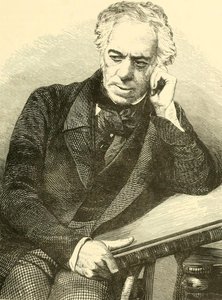
sir william allan
1782 - 1850
Quick Facts
- Artistic Movement Or Style: Historical painting
- Artists Who Influenced This Artist: ['Henry Raeburn']
- Date Of Birth: 1782
- Date Of Death: 1850
- Full Name: Sir William Allan
- Nationality: Scottish
- Notable Artworks:
- Portrait of John Rennie
- Self Portrait
- The Ballad of Old Robin Gray
- Place Of Birth: Edinburgh, Scotland
Related Articles
Sir Joshua Reynolds' Masterpieces: 25 Portraits of Power & Refinement | ArtsDot
Explore 25 captivating portraits by Sir Joshua Reynolds, a master of British art. Discover stories behind his iconic paintings, elegant style & historical influence. Find museum-quality reproductions and elevate your home decor on ArtsDot.com.

Sir Alfred Munnings' Masterpieces: 25 Paintings That Define Equine Art | ArtsDot
Explore 25 iconic Sir Alfred Munnings paintings! Discover the beauty of British Impressionism, equine art & rural England. Find museum-quality reproductions and elevate your home decor with ArtsDot. Explore the full collection online.
Jacob Henricus Maris: A Master of Dutch Atmospheric Realism & the Intimate Landscape
Explore the captivating world of Jacob Henricus Maris, a leading figure of the Dutch Hague School. Discover his atmospheric landscapes, signature brushstrokes & lasting influence on 19th-century art. Learn more at ArtsDot.

Mary Vaux Walcott: Botanical Precision & Artistic Vision in American Conservation
Discover the exquisite botanical watercolors of Mary Vaux Walcott, celebrated as the 'Audubon of Botany.' Explore her life, art, and lasting impact on American conservation through detailed illustrations & Smithsonian contributions.
Sir Francis Grant: Portraiture, Patronage & Victorian Society
Explore the life & work of Sir Francis Grant, a leading Victorian portraitist. Discover his aristocratic clientele, role at the Royal Academy, and enduring artistic legacy. Learn about art patronage in 19th-century Britain.