

 Preview
 Send
Send Share
Share
 Details

 Download
 Similars
 X-Ray
X-Ray Diaporama
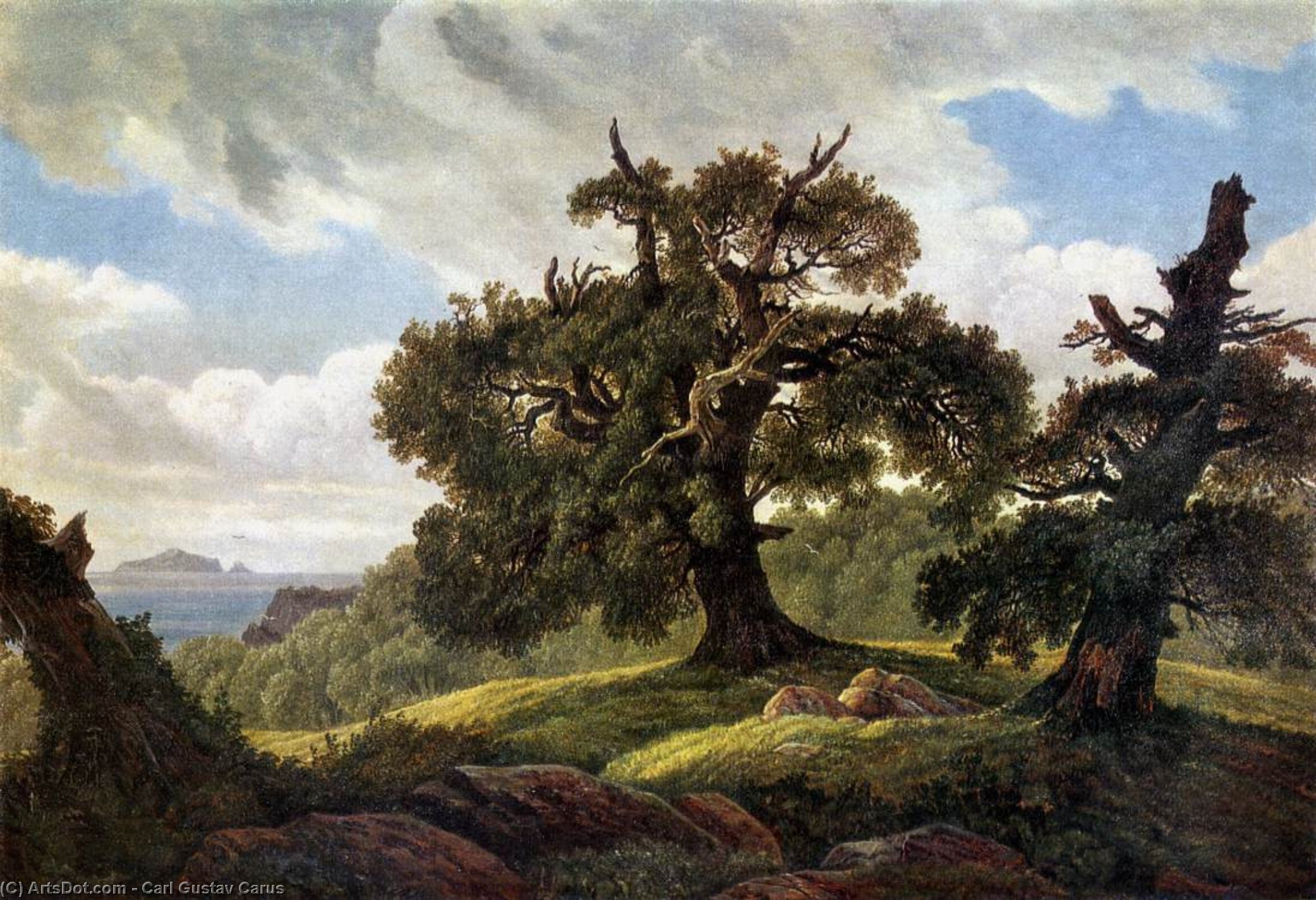
Oaks at the Sea Shore
 Oil On Canvas
- WallArt
- Romantic Landscape Painting
 1835
1835- 19th Century
 118.0 x 163.0 cm
 Gemäldegalerie
 Read More
Purchase a high-resolution, enhanced digital image, far superior to the online preview.
Each file is meticulously prepared by our in-house specialists using advanced tools and expert manual retouching. We ensure every image has exceptional clarity, precise color accuracy, and fine detail.
The final file is delivered via email within 72 hours, optimized for immediate use in professional, editorial, and print environments. This is the same quality trusted by top-tier design studios, publishers, and galleries.
Digital Image
Download a high-resolution file for personal display, printing, and creative projects. ( Buy Print Buy Hand Made Painting)
Included in Every Digital Image Order
Expert Digital Delivery, Guaranteed
When you choose ArtsDot.com, you're not just getting an image - you're receiving a professionally enhanced digital artwork, crafted with precision and backed by a satisfaction guarantee. Here's everything that comes with your order, automatically:

Fast Email Delivery
Your high-resolution digital image file will be emailed to you within 72 hours of ordering - ready for immediate use.

AI-Enhanced Digital File
Your artwork is professionally optimized using advanced AI tools and manual editing, ensuring maximum detail, clarity, and color accuracy.

Free Lifetime Re-Delivery
Accidentally deleted or lost your file? No worries - we'll resend it to you anytime, free of charge.

No Import Fees - Ever
Enjoy your artwork instantly with zero customs, duties, or delivery fees - digital downloads are always tax-free.

Color Accuracy Guarantee
We ensure your digital image reflects the original colors as closely as possible using professional tools and color management.

60-Day Satisfaction Guarantee
If you're not satisfied with your digital image, we'll revise it or refund 100% within 60 days - no questions asked.

100% Money-Back Guarantee
Not satisfied? Get a full refund within 60 days of receiving your digital file - no questions asked.

Bulk Order Discounts
Buy 3 images, save 10% - Buy 5, save 15% - Buy 10+, save 20%. Great for creative projects, galleries, and agencies.
Collectible Description
Oaks at the Sea Shore by Carl Gustav Carus: A Symphony of Tranquility
The painting “Oaks at the Sea Shore” by Carl Gustav Carus stands as an emblem of Romantic landscape art—a testament to its preoccupation with sublime beauty and the profound connection between humanity and nature. Created in 1835, this oil on canvas masterpiece resides within the Gemäldegalerie Dresden, Germany, offering viewers a glimpse into a pivotal moment in German artistic history. Carus’s vision wasn't merely to depict a picturesque scene; he sought to convey an emotional resonance that captured the spirit of his time—a yearning for contemplation and awe before the grandeur of the natural world.Composition and Style: Embracing Atmospheric Depth
Carus meticulously crafted the composition, prioritizing visual depth and conveying a sense of serene stillness. Dominating the canvas are several mature oaks with gnarled trunks and dense foliage, positioned on a gently sloping hillside that descends towards the viewer’s gaze. This deliberate perspective creates an illusion of space—drawing the eye upwards into the treetops while simultaneously anchoring it to the textured earth below. Scattered rocks punctuate the foreground, adding tactile detail and reinforcing the landscape's rugged character. The backdrop is occupied by a tranquil expanse of water—likely the Baltic Sea—dotted with islands under a sky partially veiled by clouds. These elements coalesce into an immersive experience for the observer, mirroring the Romantic ideal of confronting overwhelming beauty without fear or intrusion.Technique: Impressionistic Brushstrokes and Luminosity
Carus’s artistic approach exemplifies the burgeoning influence of Impressionism within Romantic painting. He employed loose, expressive brushstrokes—a hallmark of the movement—to capture the fleeting effects of light and shadow across the landscape. Unlike earlier Baroque or Neoclassical styles that prioritized precise detail, Carus prioritized capturing the atmosphere—the subtle nuances of color and texture that define a particular moment in time. The artist skillfully blended pigments to achieve luminous washes of color, particularly in the foliage and sky, creating an ethereal quality that imbues the painting with palpable emotion. This technique wasn’t merely about accurate representation; it was about conveying feeling—a desire to evoke the viewer's imagination and transport them into the contemplative realm of Romantic art.Historical Context: Goethe’s Influence and the Spirit of Dresden
“Oaks at the Sea Shore” emerged during a period profoundly shaped by the literary genius of Johann Wolfgang von Goethe and the intellectual dynamism of Dresden—Carus’s home city. Goethe's exploration of nature as a source of spiritual insight served as an inspiration for artists like Carus, who sought to express similar sentiments through their canvases. The painting reflects the Romantic preoccupation with sublime beauty—the awe-inspiring grandeur of nature that transcends rational understanding and elevates the human spirit. It embodies Dresden’s artistic ambition during this era—a commitment to portraying landscapes with sensitivity and capturing the emotional impact of natural vistas on the human psyche.Symbolism: Oak Trees as Symbols of Resilience and Wisdom
The oak tree itself holds significant symbolic weight within Romantic art, representing strength, endurance, and wisdom—qualities valued by artists and intellectuals alike. Carus’s depiction of these venerable oaks underscores their enduring presence in the landscape—a visual reminder of nature's resilience against time and adversity. The sea, too, symbolizes vastness, mystery, and the sublime—challenging viewers to contemplate the immensity of creation and their own place within it. Together, these elements contribute to a deeper narrative—one that speaks to the Romantic yearning for spiritual contemplation and connection with the natural world.Emotional Impact: A Moment Frozen in Tranquility
Ultimately, “Oaks at the Sea Shore” succeeds in conveying an unparalleled sense of tranquility—a stillness that invites reflection and fosters appreciation for the beauty of the natural environment. The painting’s muted palette—dominated by greens and blues—creates a harmonious visual experience that aligns perfectly with the Romantic ethos of contemplation. It captures a fleeting moment—the dappled sunlight filtering through the oak leaves—transforming it into an emblem of serenity and timelessness. Viewing this artwork evokes feelings of peace, wonder, and reverence for the sublime—a testament to Carus’s artistic vision and its enduring power to inspire viewers across generations.Related Artworks
Artist Biography
The Polymath of the Romantic Soul
Carl Gustav Carus stands as a singular, luminous figure in the tapestry of German history, a man whose intellect refused to be confined by the boundaries of a single discipline. Born in Leipzig in 1789, Carus was far more than a mere painter; he was a true polymath, navigating the intricate intersections of medicine, botany, geology, and psychology with equal mastery. His life unfolded during an era of profound intellectual ferment, a time when the scientific rigor of the Enlightenment began to dance with the emotional depth of Romanticism. To look upon a Carus landscape is to witness more than just scenery; it is to see the world through the eyes of a scientist who found the divine in the anatomical precision of a leaf and the spiritual sublime in the shifting mists of a riverbank.
His early education in Leipzig provided him with a formidable foundation in mathematics and the natural sciences, disciplines that would forever inform his artistic eye. This scientific grounding allowed him to approach the canvas with a unique clarity, observing the physical world not just as a subject for beauty, but as a complex, living organism. As he moved toward Jena University, he found himself immersed in the philosophical currents of his time, studying alongside the legendary Goethe. This connection was pivotal, as it placed Carus at the very heart of the German Romantic movement, where the contemplation of nature served as a gateway to understanding the human psyche and the infinite mysteries of the universe.
A Symbiosis of Science and Artistry
While his brush captured the ethereal, his hands practiced the healing arts. Carus established a distinguished medical career in Dresden, serving as a Professor of Obstetrics and the Director of the Maternity Clinic. This dual identity—physician and artist—created a fascinating tension in his work. His deep understanding of human anatomy and physiology lent an unparalleled realism to his depictions of the natural world; he understood the structural integrity of a tree trunk and the delicate translucency of light through fog as intimately as he understood the pulse of a living patient. This meticulous observation allowed him to bridge the gap between the tangible, physical reality of nature and its intangible, emotional resonance.
The trajectory of his artistic development was profoundly shaped by his close friendship and collaboration with Caspar David Friedrich. Together, these two masters of German Romanticism explored the concept of the sublime—that overwhelming sense of awe and terror inspired by the vastness of nature. While Friedrich often focused on the spiritual isolation of the individual, Carus brought a unique atmospheric precision to the movement. His works, such as the hauntingly beautiful Gothic Windows in the Ruins of the Monastery at Oybin, utilize light and shadow to evoke a sense of historical weight and melancholic beauty, capturing the way ruins become part of the organic landscape over time.
Legacy of Light and Thought
The enduring significance of Carl Gustav Carus lies in his ability to synthesize seemingly disparate worlds. His paintings are not merely static images but are imbued with a psychological depth that foreshadowed much of modern thought. His explorations into the relationship between the external environment and internal perception have drawn comparisons to the later psychological insights of figures like Carl Jung, and his scientific observations contributed to the broader intellectual climate that influenced Charles Darwin. He saw no conflict between the empirical study of the earth and the poetic interpretation of its beauty.
Even in his more tranquil compositions, such as Morning Fog or A Gondola on the Elbe near Dresden, one can sense this profound harmony. In these works, the subtle gradations of color and the soft, ethereal light evoke a sense of peace and cosmic connection. Carus leaves behind a legacy that challenges us to view the world with both a keen, analytical eye and an open, feeling heart. He remains a testament to the idea that true understanding comes from the marriage of observation and imagination, making him one of the most intellectually complete artists to ever grace the Romantic era.
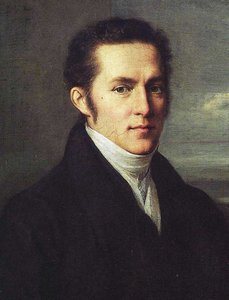
Carl Gustav Carus
1789 - 1869 , Germany
Quick Facts
- Artistic Movement Or Style: Romanticism
- Artists Or Movements Influenced By This Artist: ['Jung']
- Artists Who Influenced This Artist: ['Caspar David Friedrich']
- Date Of Birth: January 3, 1789
- Date Of Death: July 28, 1869
- Full Name: Carl Gustav Carus
- Nationality: German
- Notable Artworks:
- Morning Fog
- Gothic Windows in the Ruins of the Monastery at Oybin
- Oaks at the Sea Shore
- Place Of Birth: Leipzig, Germany

