 Preview
 Send
Send Share
Share
 Details

 Download
 Similars
 X-Ray
X-Ray Diaporama
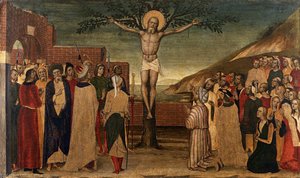
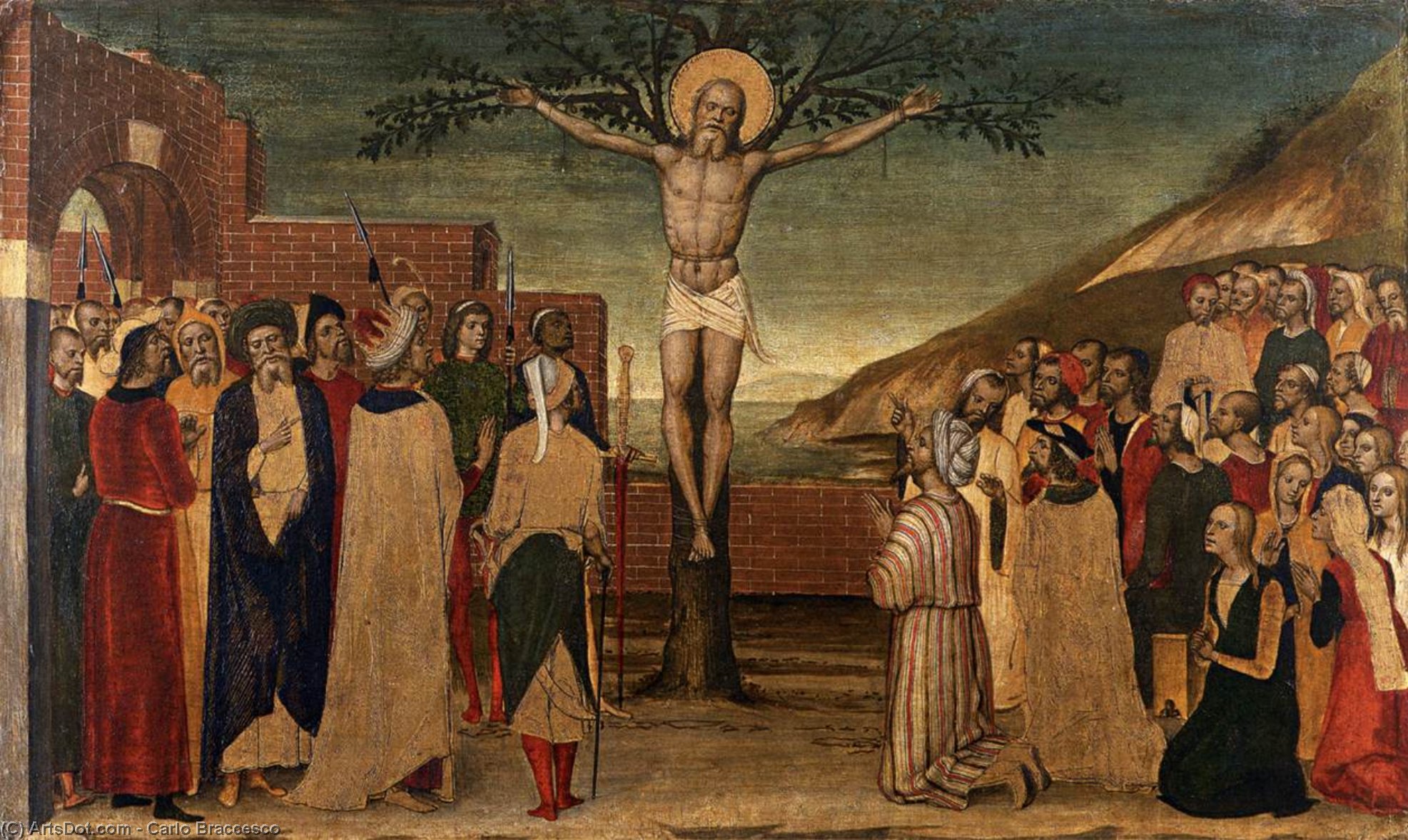
Crucifixion of St Andrew
 1495
1495 42.0 x 68.0 cm
 Read More
Hand Made Oil Reproduction
Hand-painted oil on canvas in your size and frame, made to order by our artists. ( Buy Print Buy Image)




































Pick from our preset sizes that match the artwork's original proportions.

You may enter your own dimensions to fit a specific frame or space. If your selected size does not match the original image's proportions, we will either crop the artwork or extend the painting with additional hand-painted elements. A digital mockup will be sent for your approval before production begins.
Please note that the on-screen preview does not reflect the actual cropping or extension. Only the mockup will accurately show the final composition.
While custom sizes are available, we recommend selecting a dimension from the predefined list to preserve the original proportions.
After order, ArtsDot.com team will email client for instructions and provide a mockup preview
Worldwide Delivery () in 3/4 weeks instead of standard 5 weeks. (24 August). No compromise on quality.

Free Worldwide Express Shipping

High-Quality Linen Canvas

Full Shipping Insurance

Customs Tax Refund Guarantee

True Color Matching Guarantee

60-Day Return Policy (Defects Only)

100% Money-Back Guarantee

Bulk Discount Offer
 Glass option is only available in size under 110 CM

Crucifixion of St Andrew
Reproduction Medium
Reproduction Size
-


Total Price
$ 263
Artwork Description
The Artist and His Style
Carlo Braccesco was an Italian painter who was active during the 15th century. His style is characterized by the use of earth tones and subdued colors, which creates a somber atmosphere in his paintings. The Crucifixion of St Andrew is no exception, with its dominant use of browns, grays, and blues.The Painting's Composition
The painting's composition is notable for its use of perspective and depth. The X-shaped cross on which St Andrew is crucified is placed in the center of the painting, with the surrounding figures and landscape radiating outwards from it. This creates a sense of balance and harmony in the painting.- The painting is available for purchase as a handmade oil painting reproduction on ArtsDot.com.
- More information about the painting can be found on Wikipedia.
- The original painting is housed in a museum, specifically the Web Gallery of Art, which features a collection of European paintings from the 13th to the 19th centuries.
The painting's themes of martyrdom and sacrifice are also noteworthy, as they reflect the artistic and cultural values of the time period in which it was created. Overall, the Crucifixion of St Andrew is a masterpiece that continues to inspire and educate art lovers to this day.
Related Artworks

Artist Biography
Carlo Braccesco: A Master of Ligurian Baroque
Carlo Braccesco (1501) stands as a pivotal figure in the late Italian Renaissance, particularly renowned for his dramatic religious sculptures and monumental triptychs that profoundly shaped the artistic landscape of Genoa and Rome. Born into a family with a legacy of artistic patronage, Braccesco’s career unfolded during a period of intense cultural exchange and stylistic experimentation, blending the traditions of the Lombard masters with emerging influences from Venice and Florence. His work is characterized by a potent emotionalism, meticulous detail, and a masterful command of materials – particularly marble and bronze – that imbue his creations with an enduring sense of vitality and spiritual depth.Early Life and Artistic Training
While precise details regarding Braccesco’s early life remain somewhat elusive, it is understood that he received his initial artistic training in Milan, the heartland of Lombard Renaissance art. The influence of artists like Giovanni Solari and Andrea Mantegna is readily apparent in his early works, evident in their refined draftsmanship, balanced compositions, and a subtle elegance of form. However, Braccesco quickly distinguished himself through an increasingly dramatic and expressive style, moving beyond mere imitation to forge a distinctly personal vision. His relocation to Genoa around 1480 marked a crucial turning point, exposing him to the vibrant artistic scene of the Ligurian port city and fostering his unique approach to religious sculpture.Key Works and Artistic Development
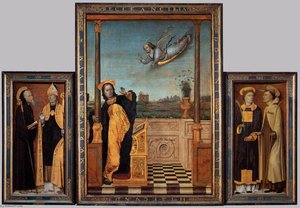
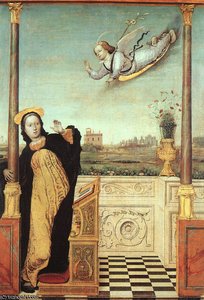
Braccesco’s oeuvre is remarkably diverse, encompassing altarpieces, monumental tombs, and numerous smaller devotional sculptures. His most celebrated works include the “Crucifixion of St. Andrew” for the church of San Giorgio Maggiore in Genoa – a powerfully emotive depiction of Christ's suffering that showcases his mastery of anatomical detail and dramatic lighting – and the magnificent “Triptych,” now housed in the Louvre, Paris. This complex work, depicting the Annunciation, is considered a cornerstone of Braccesco’s artistic achievement, demonstrating his ability to integrate multiple narratives within a single composition while maintaining a cohesive visual harmony. His frescoes in Genoa's Palazzo San Giorgio, though sadly lost, further exemplify his early development and experimentation with color and perspective.The Influence of Venetian Art
As Braccesco’s career progressed, he increasingly absorbed the stylistic innovations emanating from Venice. The influence of Titian, particularly his use of rich colors and dynamic compositions, is evident in Braccesco's later works, most notably in the “Triptych.” The incorporation of vibrant hues, dramatic lighting effects, and a heightened sense of theatricality reflect the Venetian tradition of creating emotionally charged religious scenes. This shift towards greater expressiveness marked a significant departure from the more restrained aesthetic of his early Milanese training.Legacy and Historical Significance
Carlo Braccesco’s legacy extends far beyond his individual works. He played a crucial role in shaping the artistic identity of Genoa and Rome, establishing a new standard for religious sculpture that combined technical virtuosity with profound emotional resonance. His influence can be traced through the work of subsequent generations of Italian sculptors, who continued to draw inspiration from his dramatic style and masterful use of materials. Today, Braccesco’s sculptures are treasured as masterpieces of the Italian Baroque, offering a compelling glimpse into the artistic spirit of a transformative era. His works continue to inspire awe and contemplation, reminding us of the power of art to convey profound spiritual truths.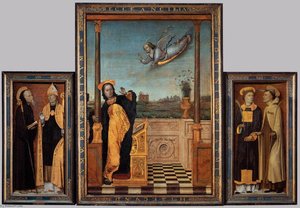
carlo braccesco
1501 , Italy
Quick Facts
- Artistic Movement Or Style: Baroque Sculptor
- Date Of Death: 1501
- Full Name: Carlo Braccesco
- Nationality: Italian
- Notable Artworks:
- St Andrew Crucifixion
- Triptych Artwork
- Religious Sculpture
- Place Of Birth: Italy