

 Preview
 Send
Send Share
Share
 Details

 Download
 Similars
 X-Ray
X-Ray Diaporama
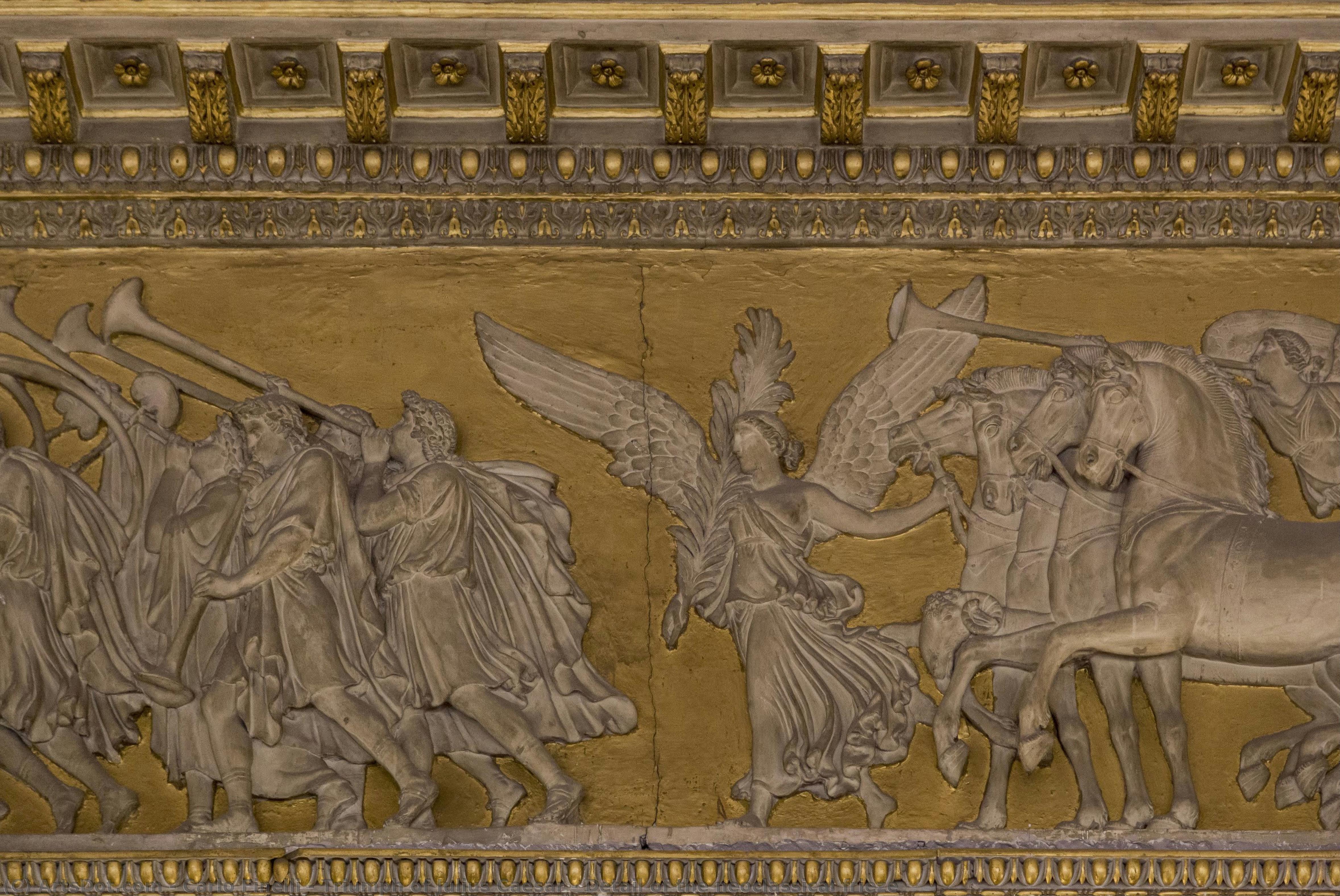
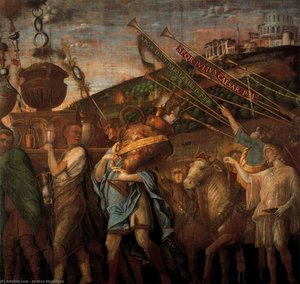
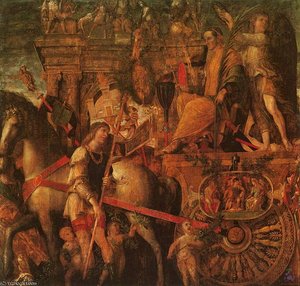
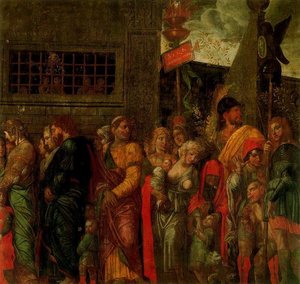
Triumph of Julius Caesar - Detail of the neoclassical frieze


 Read More
Purchase a high-resolution, enhanced digital image, far superior to the online preview.
Each file is meticulously prepared by our in-house specialists using advanced tools and expert manual retouching. We ensure every image has exceptional clarity, precise color accuracy, and fine detail.
The final file is delivered via email within 72 hours, optimized for immediate use in professional, editorial, and print environments. This is the same quality trusted by top-tier design studios, publishers, and galleries.
Digital Image
Download a high-resolution file for personal display, printing, and creative projects. ( Buy Print Buy Hand Made Painting)
Included in Every Digital Image Order
Expert Digital Delivery, Guaranteed
When you choose ArtsDot.com, you're not just getting an image - you're receiving a professionally enhanced digital artwork, crafted with precision and backed by a satisfaction guarantee. Here's everything that comes with your order, automatically:

Fast Email Delivery
Your high-resolution digital image file will be emailed to you within 72 hours of ordering - ready for immediate use.

AI-Enhanced Digital File
Your artwork is professionally optimized using advanced AI tools and manual editing, ensuring maximum detail, clarity, and color accuracy.

Free Lifetime Re-Delivery
Accidentally deleted or lost your file? No worries - we'll resend it to you anytime, free of charge.

No Import Fees - Ever
Enjoy your artwork instantly with zero customs, duties, or delivery fees - digital downloads are always tax-free.

Color Accuracy Guarantee
We ensure your digital image reflects the original colors as closely as possible using professional tools and color management.

60-Day Satisfaction Guarantee
If you're not satisfied with your digital image, we'll revise it or refund 100% within 60 days - no questions asked.

100% Money-Back Guarantee
Not satisfied? Get a full refund within 60 days of receiving your digital file - no questions asked.

Bulk Order Discounts
Buy 3 images, save 10% - Buy 5, save 15% - Buy 10+, save 20%. Great for creative projects, galleries, and agencies.
A Grand Spectacle of Neoclassical Splendor
In this breathtaking detail from Carlo Finelli’s 1813 masterpiece, the Triumph of Julius Caesar, we are transported to an era of epic proportions and classical grandeur. As a fragment of a larger neoclassical frieze, this work captures the very essence of Roman glory, presenting a choreographed chaos of victory and divine presence. The composition is a dense tapestry of human emotion and mythological scale, where the boundaries between the earthly triumph of a conqueror and the celestial realm begin to blur. Through Finelli’s masterful hand, the viewer is not merely an observer but a participant in the jubilant procession, feeling the rhythmic movement of horses and the collective breath of a celebrating populace.
The artistry of this piece lies in its ability to convey immense scale within a focused, intimate perspective. The figures, numbering well over a dozen, are arranged with a sophisticated sense of depth that draws the eye through layers of historical drama. From the prominent, powerful horses that anchor the mid-ground to the ethereal presence of angels drifting near the upper reaches of the frame, every element serves the narrative of triumph. A solitary bird caught in the periphery adds a touch of naturalistic grace, reminding us of the living, breathing world that surrounds this monumental historical event.
Technique and the Neoclassical Aesthetic
Finelli’s technique reflects the rigorous standards of the early 19th-century Neoclassical movement, characterized by a profound respect for line, form, and anatomical precision. The brushwork, while contributing to the atmospheric light of the scene, maintains a clarity that allows the musculature of the horses and the draped elegance of the figures to stand out with sculptural intensity. There is a palpable sense of chiaroscuro at play, as light dances across the faces of the crowd, highlighting moments of awe, pride, and reverence. This interplay of light and shadow creates a dynamic energy that prevents the historical subject matter from feeling static or frozen in time.
For the discerning collector or interior designer, this artwork offers more than just a window into the past; it provides a sophisticated focal point for any curated space. The painting’s ability to evoke a sense of timelessness makes it an ideal centerpiece for grand halls, libraries, or formal sitting rooms. A high-quality reproduction of this detail allows the dramatic tension and the rich, classical palette to breathe within a modern setting, bridging the gap between the ancient Roman spirit and contemporary luxury.
Symbolism and Emotional Resonance
Beyond its historical depiction, the work serves as a profound meditation on power, legacy, and the divine right of leaders. The inclusion of angelic figures suggests that Caesar’s victory was not merely a feat of military strategy, but one sanctioned by the heavens themselves. This layering of the human and the divine creates an emotional resonance that is both humbling and exhilarating. The viewer is struck by the sheer scale of human ambition captured in a single, frozen moment of glory.
To possess a reproduction of this work is to invite a sense of historical continuity and intellectual depth into one's environment. It is a piece that invites long periods of contemplation, prompting questions about the nature of greatness and the enduring impact of classical legends on our modern consciousness. Whether used to anchor a room with its commanding presence or to spark conversation through its intricate details, this work remains a testament to the eternal allure of the Neoclassical era.
Related Artworks
Artist Biography
John Sell Cotman: A Master of the Norwich School
Born in Norwich, England, on May 16th, 1782, John Sell Cotman’s life was a testament to the enduring power of observation and a deep connection with the natural world. The son of a silk merchant and lace dealer, his early education at Norwich Grammar School laid the foundation for a career that would ultimately transcend the expectations of his family and establish him as a leading figure in the burgeoning Norwich School of landscape painting. Cotman’s artistic journey wasn't initially dictated by familial ambition; he harbored a fervent desire to pursue art, a path that led him to London in 1798 where he immersed himself in the vibrant sketching circles fostered by artists like J.M.W. Turner and Peter de Wint. These formative years exposed him to diverse artistic approaches and fueled his own developing style – a style deeply rooted in the subtle nuances of light, color, and atmosphere.
- Early Influences: Cotman’s early training and exposure to artists like Turner instilled in him a fascination with capturing fleeting moments of beauty and the ever-changing qualities of light.
- The Norwich School: He became a pivotal member of the Norwich School, a group known for its focus on depicting the landscapes of East Anglia – the rolling hills, marshes, and coastlines that defined his region.
A Life Dedicated to Landscape
Cotman’s artistic career unfolded over several decades, marked by both professional success and personal challenges. He began exhibiting at the Royal Academy in 1800, quickly gaining recognition for his evocative depictions of Welsh scenery – scenes imbued with a sense of wildness and romanticism. These early works established his reputation as a skilled landscape painter capable of capturing the essence of the British countryside. His travels throughout England, particularly during the summers of 1803-1805 when he resided with the Cholmeley family in Yorkshire, provided him with invaluable experience and inspiration, further refining his technique and deepening his understanding of regional character.
Despite achieving considerable acclaim, Cotman’s later years were shadowed by illness. He struggled with recurring health problems that ultimately limited his ability to paint prolifically, yet even during these periods of diminished physical capacity, his artistic vision remained remarkably sharp. His dedication to capturing the beauty of the natural world persisted, and he continued to produce significant works until his death on July 24th, 1842.
Technique and Style
Cotman’s style is characterized by a remarkable sensitivity to light and atmosphere – a hallmark of the Norwich School. He employed a loose, expressive brushstroke, prioritizing the suggestion of form over precise detail. His palette was often muted and subtle, favoring delicate washes of color that evoked the hazy quality of twilight or morning mist. Unlike some of his contemporaries who favored grand, heroic landscapes, Cotman’s paintings typically depicted smaller, more intimate scenes – glimpses of meadows, streams, and woodlands that invited quiet contemplation.
Key Characteristics:- Atmospheric Perspective: He masterfully utilized atmospheric perspective to create a sense of depth and distance.
- Subtle Color Palette: His use of muted colors and delicate washes contributed to the ethereal quality of his paintings.
- Loose Brushwork: A characteristic feature of his style, conveying movement and spontaneity.
Legacy and Significance
Despite a period of relative obscurity following his death, John Sell Cotman’s work has experienced a significant revival in recent decades. His paintings are now recognized as masterpieces of the Norwich School and are celebrated for their exquisite beauty and profound sense of place. His influence can be seen in the works of later generations of landscape painters, including J.M.W. Turner and John Constable, who admired his ability to capture the fleeting qualities of light and atmosphere. Cotman’s legacy extends beyond his individual achievements; he helped establish Norwich as a center for artistic innovation and played a crucial role in shaping the development of British landscape painting during the 19th century. His dedication to observing and portraying the natural world continues to inspire artists today, reminding us of the enduring power of art to connect us with the beauty and wonder of our environment.
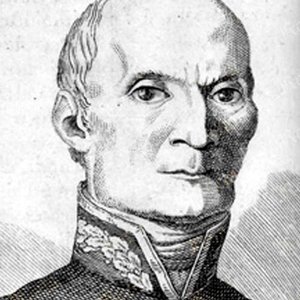
carlo finelli
1782 - 1853 , Italy
Quick Facts
- Artistic Movement Or Style: Norwich School
- Artists Or Movements Influenced By This Artist:
- Turner
- Constable
- Artists Who Influenced This Artist:
- J.M.W. Turner
- Peter de Wint
- Date Of Birth: 16 May 1782
- Date Of Death: 24 July 1842
- Full Name: John Sell Cotman
- Nationality: British
- Notable Artworks:
- A Study
- Norwich School
- Place Of Birth: Norwich, England

