 Preview
 Send
Send Share
Share
 Details

 Download
 Similars
 X-Ray
X-Ray Diaporama
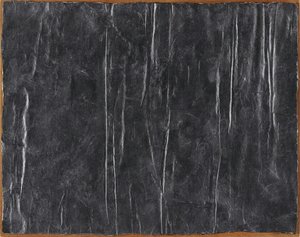
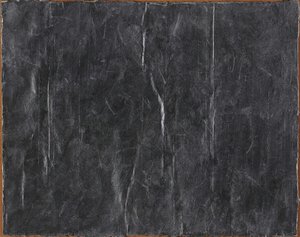
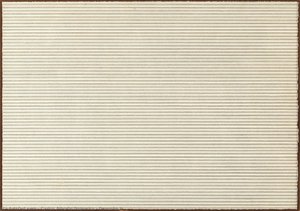
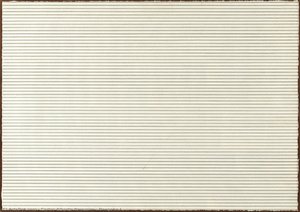
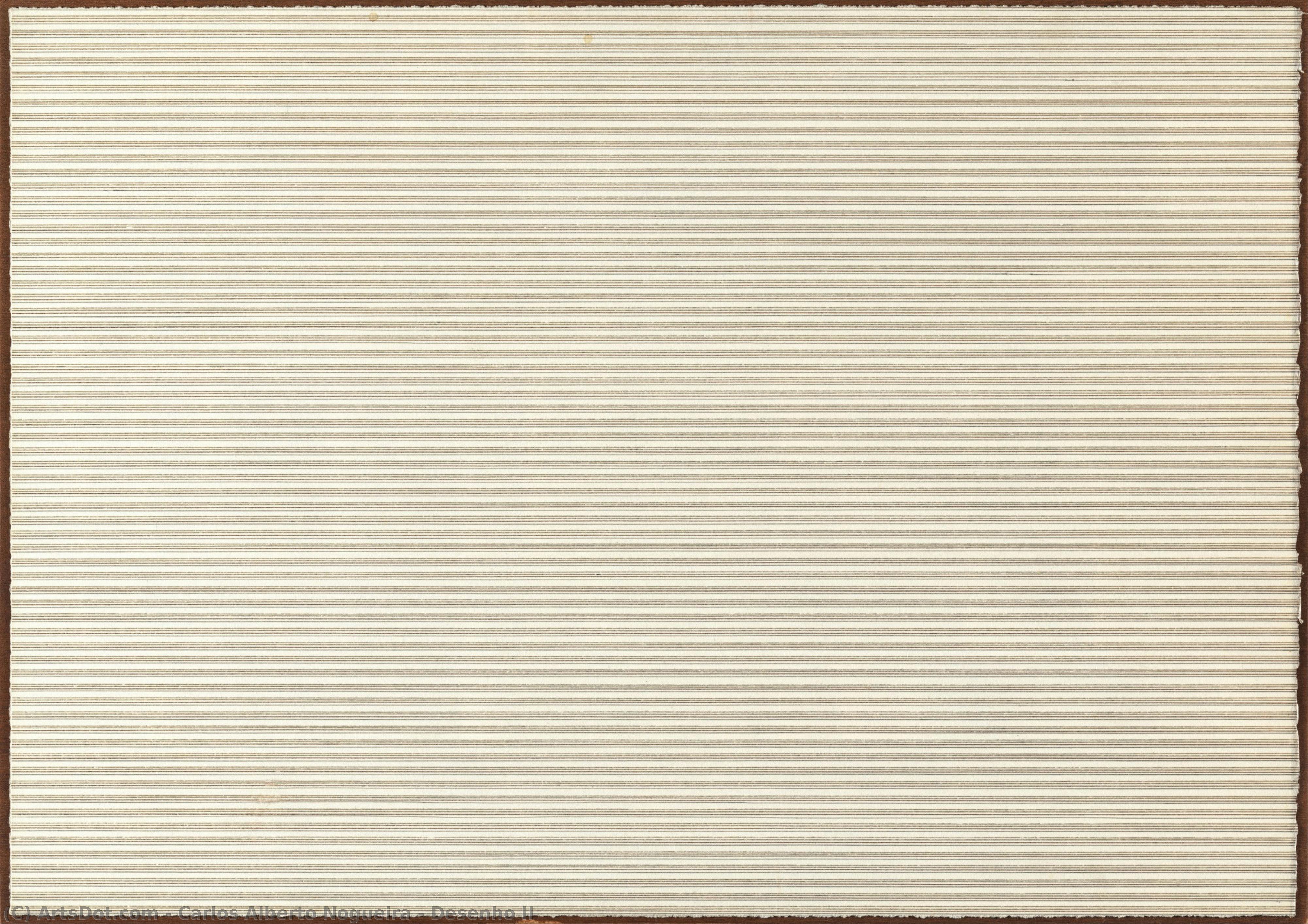
Desenho II
 Acrylic On Canvas
- WallArt
- Contemporary Minimalism
 1981
1981 36.0 x 51.0 cm
 Serralves Foundation
 Read More
Hand Made Oil Reproduction
Hand-painted oil on canvas in your size and frame, made to order by our artists. ( Buy Print Buy Image)




P118B $10

P118H $10

P118W $10

P438Z $10

P508JH $12

P508YH $12

P805H $10

P805Z $10

P919BZ $10

P919G $10

P919XJ $10

P959ZH $10

P968JZ $12

W106C $8

W218G $10

W218JH $8

W218Y $10

W307PJ $10

W316G $10

W316PJ $8

W316Y $10

W398PJ $8

W4111J $10

W500HY $15

W500JH $15

W692G $12

W849H $8

W940BG $15

W953PJ $8




Pick from our preset sizes that match the artwork's original proportions.

You may enter your own dimensions to fit a specific frame or space. If your selected size does not match the original image's proportions, we will either crop the artwork or extend the painting with additional hand-painted elements. A digital mockup will be sent for your approval before production begins.
Please note that the on-screen preview does not reflect the actual cropping or extension. Only the mockup will accurately show the final composition.
While custom sizes are available, we recommend selecting a dimension from the predefined list to preserve the original proportions.
After order, ArtsDot.com team will email client for instructions and provide a mockup preview
Worldwide Delivery () in 3/4 weeks instead of standard 5 weeks. (21 August). No compromise on quality.

Free Worldwide Express Shipping

High-Quality Linen Canvas

Full Shipping Insurance

Customs Tax Refund Guarantee

True Color Matching Guarantee

60-Day Return Policy (Defects Only)

100% Money-Back Guarantee

Bulk Discount Offer
 Glass option is only available in size under 110 CM

Desenho II
Reproduction Medium
Reproduction Size
-


Total Price
$ 263
Artwork Description
A Quiet Reflection: Examining Carlos Alberto Nogueira’s “Desenho II”
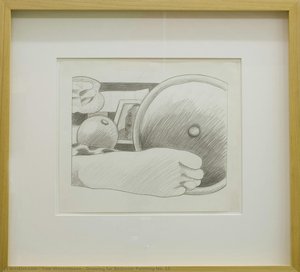
“Desenho II,” created in 1981 by Carlos Alberto Nogueira, is more than just a depiction of a simple rug; it's an invitation to contemplate the essence of stillness and understated beauty. This pencil drawing captures a meticulously rendered textile—a rectangular rug adorned with a subtle geometric pattern—that speaks volumes about Nogueira’s artistic vision and his exploration of fundamental visual elements. The artwork resides within the broader context of Portuguese Conceptual Art, where artists sought to challenge conventional notions of representation and delve into deeper psychological and philosophical inquiries.Style and Technique: Embracing Minimalism
Nogueira's approach exemplifies the tenets of minimalism prevalent during the early 1980s. Rejecting elaborate ornamentation or expressive brushstrokes, he opted for a deliberate reduction of visual information—a technique that prioritizes clarity and precision. The artist’s masterful use of pencil allows for nuanced tonal gradations, subtly conveying texture and depth without resorting to color. This careful consideration of materiality is central to Nogueira's oeuvre, mirroring his fascination with exploring the relationship between form and surface. He skillfully captures the interplay of light and shadow on the rug’s woven fibers, creating an illusionistic effect that transcends mere visual observation.Historical Context: Grupo Ronda and Conceptual Art
“Desenho II” emerged from the influential Grupo Ronda collective—a group of Portuguese artists who championed experimental approaches to artmaking during a period marked by significant social and political upheaval. Grupo Ronda actively questioned established artistic conventions, advocating for a shift away from representational painting towards conceptual ideas expressed through various mediums. Nogueira’s work aligns perfectly with this movement's ethos, demonstrating a commitment to intellectual rigor alongside aesthetic sensitivity. The drawing serves as a testament to the enduring power of simplicity and contemplation within the realm of art history.Symbolism: Texture as Memory
Beyond its formal qualities, “Desenho II” carries symbolic resonance. The rug itself—a commonplace object imbued with cultural significance—becomes a vehicle for exploring themes of domesticity, comfort, and perhaps even memory. The repetitive geometric pattern suggests an ordered universe, yet simultaneously hints at the underlying rhythms of daily life. Nogueira’s deliberate focus on texture invites viewers to consider how tactile experience contributes to our understanding of visual perception. It's a quiet meditation on surfaces—on what we perceive with our senses—and how these perceptions shape our recollections and emotions.Emotional Impact: Serenity and Observation
Ultimately, “Desenho II” evokes a profound sense of serenity. The drawing’s understated elegance encourages viewers to slow down, observe closely, and appreciate the beauty found in seemingly unremarkable details. Like many works produced during Grupo Ronda's formative years, it embodies a spirit of intellectual curiosity and artistic courage—a desire to push boundaries while maintaining an unwavering commitment to aesthetic excellence. Reproductions of this artwork offer collectors and interior designers alike the opportunity to bring a touch of contemplative minimalism into their spaces.Related Artworks
![Abstract Composition [triptych] — Vaclav Vytlacil, Abstract Expressionism](/media/artworks/images/thumbnails/e5/3d/e53db42ea02644b9a8e722f9d4dd3742.jpg)

Artist Biography
Carlos Alberto Nogueira: A Portuguese Pioneer of Abstract and Conceptual Art
Born in Porto, Portugal, in 1943, Carlos Alberto Nogueira emerged as a significant figure within the Portuguese art scene during the latter half of the 20th century. His career spanned nearly five decades, marked by an exploration of unconventional materials, conceptual approaches, and a deep engagement with themes of memory, identity, and the passage of time. Nogueira’s work, often characterized by its layered complexity and subtle shifts in meaning, has been exhibited extensively throughout Portugal and internationally, solidifying his place as a pivotal voice in contemporary Portuguese art.
Early Life and Artistic Formation
Nogueira's artistic journey began with studies in sculpture at the Escola Superior de Belas Artes in Oporto, followed by painting at the Escola Superior de Belas Artes in Lisbon. These formative years exposed him to both traditional techniques and emerging avant-garde ideas. Crucially, he became a member of the influential Grupo Ronda (1968–1973), a collective dedicated to challenging established artistic conventions and pushing the boundaries of creative expression. This association proved instrumental in shaping his approach, encouraging experimentation with materials and a willingness to question traditional notions of art’s purpose. The group's ethos—a blend of intellectual rigor and radical innovation— profoundly influenced Nogueira’s subsequent work.
Materials, Techniques, and Conceptual Themes
Nogueira distinguished himself through his deliberate use of unconventional materials – paper, fabric, found objects, and even industrial elements – transforming them into evocative sculptural forms. His process was rarely straightforward; he often employed layering, collage, and assemblage to create works that demanded close observation and invited multiple interpretations. His work frequently explored the ephemeral nature of memory and identity, reflecting on personal experiences and broader societal concerns. The influence of conceptual art is evident in his approach, where the idea or concept behind the artwork often takes precedence over purely aesthetic considerations. He was particularly drawn to the ideas of the Staatsgalerie moderner Kunst in Munich, Germany, which championed a forward-looking perspective on modern and contemporary art.
Key Works and Exhibitions
Nogueira’s artistic output is diverse, encompassing paintings, drawings, sculptures, installations, and performance pieces. Notable works include “Pintura I” and “Pintura II,” which demonstrate his early exploration of abstract forms and layered textures. His 2012 exhibition at the Centro de Arte Moderna – Calouste Gulbenkian Foundation, titled "O lugar das coisas" (The Place of Things), showcased a significant body of work that reflected on the relationship between memory, time, and materiality. His work has been featured in major exhibitions across Portugal, including those held at the Serralves Foundation in Porto, and internationally, contributing to his growing recognition within the global art community. The ArtsDot website served as an important platform for showcasing his diverse body of work.
Legacy and Influence
Carlos Alberto Nogueira’s legacy extends beyond his individual creations. He played a vital role in nurturing subsequent generations of Portuguese artists, including Douglas Abdell, a prominent sculptor and conceptual artist. His commitment to experimentation, intellectual rigor, and engagement with contemporary themes continues to resonate within the Portuguese art scene. His work is characterized by a willingness to embrace ambiguity and challenge conventional artistic boundaries, solidifying his position as a significant contributor to the evolution of modern and contemporary art in Portugal. The exploration of memory and identity through unconventional materials remains a hallmark of his distinctive style, ensuring his continued relevance for years to come.

carlos alberto nogueira
1943 - 2011 , Portugal
Quick Facts
- Artistic Movement Or Style: Abstract & Conceptual
- Artists Or Movements Influenced By This Artist:
- Douglas Abdell
- Grupo Ronda
- Artists Who Influenced This Artist:
- Staatsgalerie Moderner Kunst
- Wassily Kandinsky
- Date Of Birth: 1943
- Date Of Death: 2011
- Full Name: Carlos Alberto Nogueira
- Nationality: Portuguese
- Notable Artworks:
- Pintura I
- Pintura II
- Desenho II
- Place Of Birth: Porto, Portugal
Related Articles
The Eloquent Line: Exploring the Artistic Significance of Sketches Across Movements and Media
Explore the profound artistic significance of sketches throughout history. From Renaissance masters to modern innovators like Van Gogh & Guston, discover how these foundational works reveal technique, emotion, and vision. Learn more at ArtsDot.
The Nuances of Graphite: Exploring Emotional Depth & Technical Mastery in Pencil Drawing
Explore the captivating world of graphite drawing! Discover its rich history, master essential techniques like chiaroscuro, and learn how artists evoke emotion through this timeless medium. Expert insights for art enthusiasts.
Abstract Expressionism's 10 Defining Masterpieces |
Explore 10 defining Abstract Expressionism masterpieces by Pollock, Rothko & de Kooning. Discover the stories behind these iconic paintings and find museum-quality art reproductions to elevate your home decor on .

Geometric Abstraction's 10 Defining Masterpieces | Art for Your Home - ArtsDot
Explore 10 defining masterpieces of Geometric Abstraction! Discover Kandinsky, Mondrian & Malevich’s iconic works. Find museum-quality art reproductions and curated decor ideas to elevate your home at ArtsDot.com.
Kandinsky's Masterpieces: 25 Paintings That Define Abstract Art | ArtsDot
Journey through Wassily Kandinsky's 25 most iconic abstract paintings. Explore his revolutionary use of color, form & spiritual expressionism. Find museum-quality Kandinsky reproductions and elevate your home decor with ArtsDot.com. Discover all masterpieces on ArtsDot.com!