 Preview
 Send
Send Share
Share
 Details

 Download
 Similars
 X-Ray
X-Ray Diaporama
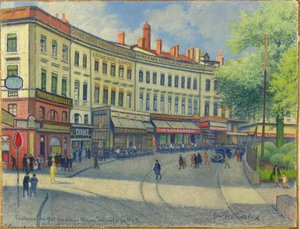
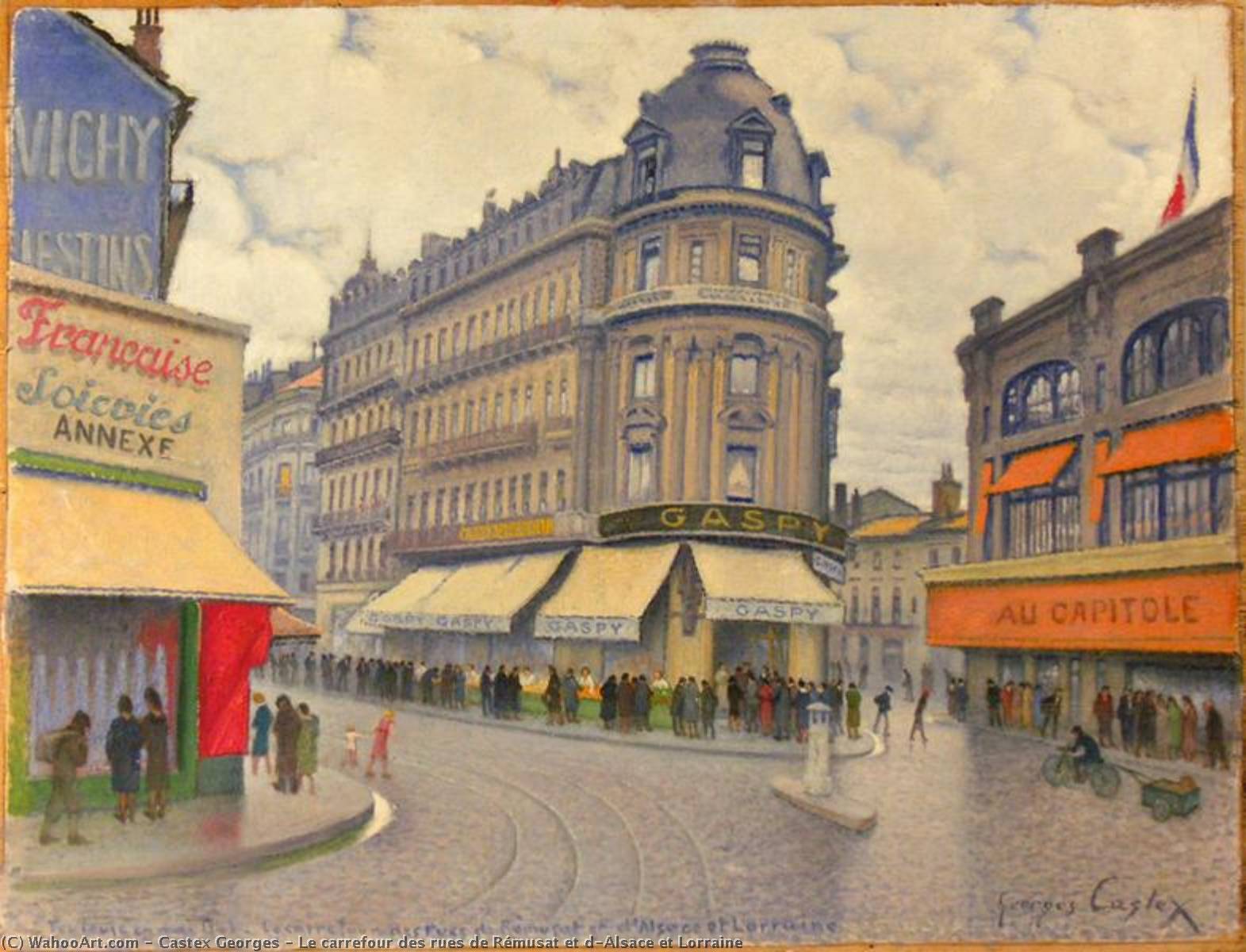
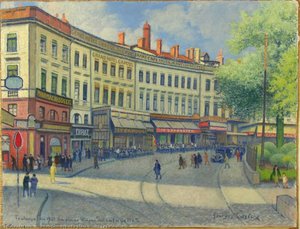
Le carrefour des rues de Rémusat et d'Alsace et Lorraine

 Read More
Giclée / Art Print
Museum-quality giclée or canvas print with fast production and flexible finish options. ( Buy Hand Made Painting Buy Image)




































Pick from our preset sizes that match the artwork's original proportions.

You may enter your own dimensions to fit a specific frame or space. If your selected size does not match the original image's proportions, we will either crop the artwork or extend the image with a mirrored or solid-fill edge. A digital mockup will be sent for your approval before production begins.
Please note that the on-screen preview does not reflect the actual cropping or extension. Only the mockup will accurately show the final composition.
While custom sizes are available, we recommend selecting a dimension from the predefined list to preserve the original proportions.
Worldwide Delivery () in 2 weeks instead of standard 4/5 weeks. (23 August)

Free Worldwide Express Shipping

High-Quality Linen Canvas

Full Shipping Insurance

Customs Tax Refund Guarantee

True Color Matching Guarantee

60-Day Return Policy (Defects Only)

100% Money-Back Guarantee

Bulk Discount Offer
 Glass option is only available in size under 110 CM

Le carrefour des rues de Rémusat et d'Alsace et Lorraine
Giclée / Art Print
Reproduction Size
-


Total Price
$ 63
Related Artworks

Artist Biography
Early Life and Artistic Beginnings in Toulouse
Castex Georges, a name perhaps less globally recognized than some of his contemporaries, nevertheless occupies a significant place within the tapestry of early 20th-century French painting. Born and largely remaining devoted to his native Toulouse, Castex’s artistic journey was deeply intertwined with the character and light of this southwestern city. While precise biographical details remain somewhat elusive – a common trait for artists who prioritized creation over self-promotion – it is understood that he received formal training in art, likely at the École des Beaux-Arts in Toulouse, though records are sparse. His early work demonstrates a clear fascination with capturing the everyday life of Toulouse, eschewing grand historical narratives in favor of intimate scenes of street life, bustling markets, and the architectural nuances of his hometown.
A Painter of Urban Life: Style and Technique
Castex’s style is often categorized as Impressionistic, though it possesses a distinct character that sets it apart from the more well-known figures of the movement. He wasn't driven by the same pursuit of fleeting light effects as Monet or Renoir; instead, his canvases are characterized by a robust application of paint and a keen observation of form. His brushwork is visible, energetic, and contributes to a sense of immediacy and vibrancy. The colors he employs are rich and earthy, reflecting the terracotta rooftops and sun-drenched stone facades of Toulouse. He masterfully captured the atmosphere of the city – the warmth of the afternoon sun, the shadows cast by ancient buildings, and the lively energy of its inhabitants. His paintings aren’t merely representations of places; they are evocations of a specific time and place, imbued with a palpable sense of life.
Thematic Focus: Toulouse as Muse
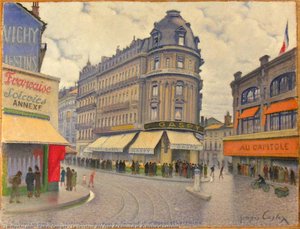
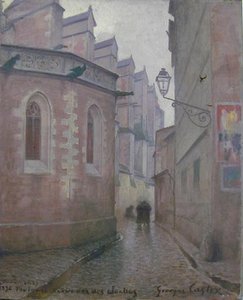
Unlike many artists who sought inspiration in exotic locales or idealized landscapes, Castex remained steadfastly committed to portraying the city he knew so well. Toulouse became his muse, and his work serves as a valuable visual record of the city during a period of significant change. He frequently depicted scenes around the Place du Capitole, the heart of Toulouse, capturing its bustling activity and architectural grandeur. His paintings often feature street corners, cafes, and markets, offering glimpses into the daily routines of ordinary people. La rue des cloches, for example, exemplifies his ability to transform a simple street scene into a captivating study of light, shadow, and human interaction. Le carrefour des rues de Rémusat et d'Alsace et Lorraine is another prime example, showcasing his skill in depicting the complex interplay of urban life.
Influences and Artistic Development
While Castex developed a unique style, it wasn’t formed in isolation. The influence of Post-Impressionism can be detected in his use of color and form, particularly the work of artists like Van Gogh and Gauguin. However, he resisted adopting their more expressive or symbolic approaches, preferring to maintain a grounded realism rooted in direct observation. His paintings also reveal an appreciation for the Barbizon school’s emphasis on landscape painting, though adapted to an urban setting. Over time, his technique became increasingly refined, with a greater focus on capturing the subtleties of light and atmosphere. He didn't radically alter his subject matter throughout his career, but rather deepened his exploration of Toulouse, revealing new facets of its character with each successive canvas.
Historical Significance and Legacy
Castex Georges’s historical significance lies in his dedication to portraying the everyday life of a specific city during a period of transition. His paintings offer a valuable glimpse into the social and architectural landscape of Toulouse in the early 20th century, providing a counterpoint to more grandiose or idealized depictions of French life. While he may not have achieved widespread fame during his lifetime, his work has gained increasing recognition in recent years as scholars and collectors appreciate his unique style and thematic focus. His paintings are now held in numerous private collections and museums, serving as a testament to his enduring artistic vision. He stands as a compelling example of an artist who found beauty and inspiration not in distant lands or lofty ideals, but in the familiar streets and vibrant life of his beloved Toulouse.
Quick Facts
- Artistic Movement Or Style: Impressionism
- Full Name: Castex Georges
- Nationality: French
- Notable Artworks:
- Le carrefour des rues de Rémusat
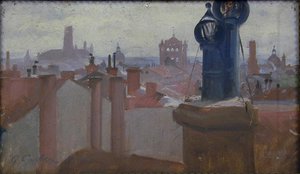
- Toulouse vue du toit
- La rue des cloches
- Thematic Focus: Urban scenes, Toulouse landscapes
Related Articles

Georges Braque's Masterpieces: 25 Paintings That Defined Cubism & Modern Art | ArtsDot
Explore 25 iconic Georges Braque paintings that revolutionized Cubism & modern art. Discover the stories behind his masterpieces, from Fauvism to Analytical Cubism. Find museum-quality reproductions & elevate your home decor with ArtsDot.com.

Georges Seurat's Masterpieces: 25 Paintings That Defined Pointillism | ArtsDot
Explore 25 iconic Georges Seurat paintings & discover the brilliance of Pointillism. From 'La Grande Jatte' to his harbor scenes, delve into art history with ArtsDot.com. Find museum-quality reproductions for your home decor. Explore the full collection online!
Beyond Graffiti: Exploring the Evolution & Cultural Impact of Street Art for Collectors
Explore the evolution of street art from rebellious origins to a respected fine art form. Discover key artists like Banksy & learn how to collect urban art with confidence. Expert insights for discerning investors.
George Breitner: Realism, Urban Life & the Poetics of Impermanence
Explore the life & art of George Breitner, a pivotal figure in Dutch realism. Discover his evocative paintings of Amsterdam street life, innovative techniques, and lasting influence on modern art. Learn more at ArtsDot.
Renoir's Masterpieces: Explore 25 Iconic Paintings & Bring Art Home | ArtsDot
Explore 25 iconic Pierre-Auguste Renoir paintings! Discover the stories behind Impressionist masterpieces like 'Dance at Le Moulin de la Galette' & 'Luncheon of the Boating Party'. Find museum-quality art reproductions and elevate your home decor with ArtsDot.com.