 Preview
 Send
Send Share
Share
 Details

 Download
 Similars
 X-Ray
X-Ray Diaporama
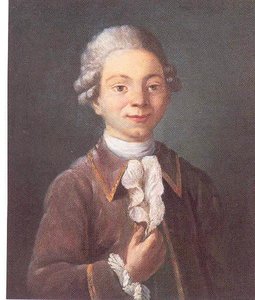
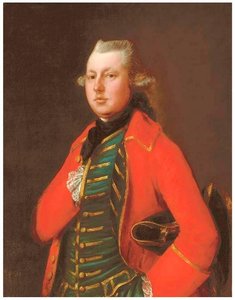
Portrait de Louis Sauveur Chénier (1761 1823)

 Read More
Hand Made Oil Reproduction
Hand-painted oil on canvas in your size and frame, made to order by our artists. ( Buy Print Buy Image)




P118B $10

P118H $10

P118W $10

P438Z $10

P508JH $12

P508YH $12

P805H $10

P805Z $10

P919BZ $10

P919G $10

P919XJ $10

P959ZH $10

P968JZ $12

W106C $8

W218G $10

W218JH $8

W218Y $10

W307PJ $10

W316G $10

W316PJ $8

W316Y $10

W398PJ $8

W4111J $10

W500HY $15

W500JH $15

W692G $12

W849H $8

W940BG $15

W953PJ $8




Pick from our preset sizes that match the artwork's original proportions.

You may enter your own dimensions to fit a specific frame or space. If your selected size does not match the original image's proportions, we will either crop the artwork or extend the painting with additional hand-painted elements. A digital mockup will be sent for your approval before production begins.
Please note that the on-screen preview does not reflect the actual cropping or extension. Only the mockup will accurately show the final composition.
While custom sizes are available, we recommend selecting a dimension from the predefined list to preserve the original proportions.
After order, ArtsDot.com team will email client for instructions and provide a mockup preview
Worldwide Delivery () in 3/4 weeks instead of standard 5 weeks. (24 August). No compromise on quality.

Free Worldwide Express Shipping

High-Quality Linen Canvas

Full Shipping Insurance

Customs Tax Refund Guarantee

True Color Matching Guarantee

60-Day Return Policy (Defects Only)

100% Money-Back Guarantee

Bulk Discount Offer
 Glass option is only available in size under 110 CM

Portrait de Louis Sauveur Chénier (1761 1823)
Reproduction Medium
Reproduction Size
-


Total Price
$ 263
Related Artworks
Artist Biography
Pierre-Jacques Cazes le Fils: A Portraitist of French Aristocracy
Born in Paris in 1676, Pierre-Jacques Cazes le Fils emerged as a significant figure within the vibrant artistic landscape of late 18th-century France. His life was inextricably linked to the patronage system that governed much of the art world at the time, and his career unfolded largely through commissions from wealthy families and influential figures. While not always commanding the same level of fame as some of his contemporaries – Boucher or Watteau, for example – Cazes le Fils carved a distinct niche for himself, primarily recognized for his exquisitely rendered neoclassical portraits, particularly those depicting members of prominent aristocratic households like the Chénier family.
His early artistic training began under the tutelage of Ferou, a concierge at the Académie Royale de Peinture et de Sculpture. From there, he honed his skills with more established masters such as René-Antoine Houasse and Bon Boullogne. This foundation provided him with a solid grounding in classical techniques and subject matter – essential elements for navigating the demands of royal commissions and aristocratic clientele. The competition for the Prix de Rome, an annual contest offering a scholarship to study in Rome, proved pivotal in his career; though he didn't win outright, he secured second place in 1698 with “Joseph’s Cup Found in Benjamin’s Belongings,” a work that demonstrated his burgeoning talent and established him as a promising artist.
The Chénier Portraits: A Defining Legacy
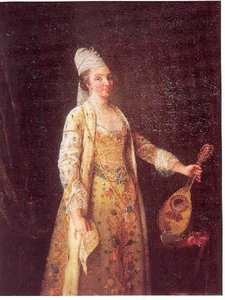
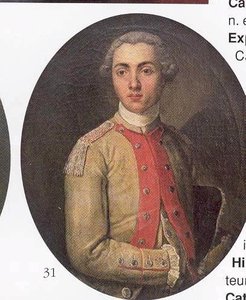
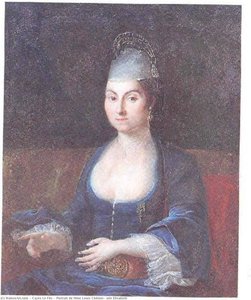
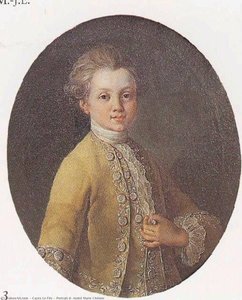
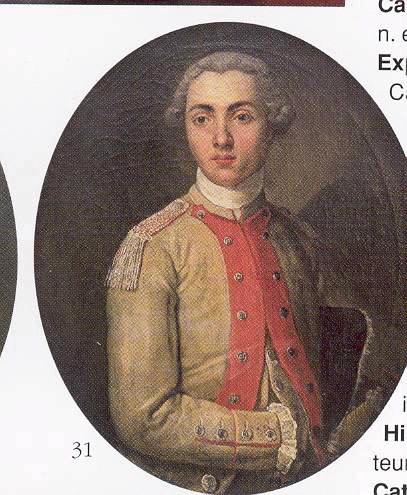
Cazes le Fils' reputation truly solidified through his series of portraits depicting the Chénier family – Louis Sauveur Chénier, Marie Joseph Blaise Chénier, and André Marie Chénier. These works are arguably his most enduring legacy, offering a captivating glimpse into the lives and personalities of these prominent figures within French intellectual and artistic circles. The 1773 portrait of Louis Sauveur Chénier, now housed in Carcassonne, exemplifies his mastery of capturing character and conveying subtle nuances of expression. The delicate rendering of clothing, the carefully observed details of facial features, and the overall sense of elegance all speak to Cazes le Fils’ meticulous approach and keen eye for detail.
Similarly, the portraits of Marie Joseph Blaise and André Marie Chénier are celebrated for their youthful vitality and emotional depth. These paintings aren't merely likenesses; they strive to capture the essence of these individuals – their intelligence, sensitivity, and perhaps even a hint of melancholy. The influence of Rococo aesthetics is evident in these works, particularly in the graceful poses and flowing draperies, yet Cazes le Fils skillfully integrates them with the emerging neoclassical style that would dominate the art world in subsequent decades.
Technique and Style: Neoclassicism Refined
Cazes le Fils’ artistic style can be characterized as a refined form of neoclassicism. He drew heavily on classical models, particularly those of ancient Greek and Roman sculpture and painting, but he tempered this influence with a distinctly French sensibility. His compositions are typically balanced and harmonious, reflecting the ideals of order and reason that were central to neoclassical thought. He employed a smooth, polished technique, utilizing subtle gradations of light and shadow to create a sense of depth and realism. The use of muted colors – predominantly creams, browns, and golds – further enhanced the elegance and sophistication of his portraits.
Furthermore, Cazes le Fils demonstrated a remarkable ability to capture the textures of fabrics and materials, adding a layer of tactile detail to his paintings. This attention to surface qualities contributed significantly to the illusionistic effect of his works, making them appear remarkably lifelike. His meticulous brushwork and careful observation of nature were hallmarks of his style, distinguishing him from more loosely painted contemporaries.
A Legacy in Patronage and Artistic Circles
Cazes le Fils’ career was inextricably linked to the patronage system that characterized much of 18th-century France. He served as a professor at the Académie Royale de Peinture et de Sculpture, a position that afforded him access to influential figures and provided opportunities for commissions. He collaborated with other prominent artists on large-scale projects, such as the decoration of the Hôtel du Grand Maître at Versailles, showcasing his versatility and ability to work within complex artistic teams. His appointment as Chancellor of the Académie Royale in 1746 marked a significant recognition of his standing within the French art world.
While Cazes le Fils may not be as widely celebrated as some of his contemporaries, his portraits of the Chénier family and other aristocratic subjects remain valuable examples of neoclassical portraiture. They offer a fascinating window into the lives and personalities of prominent figures during a pivotal period in French history, and they stand as testament to the skill and artistry of this often-overlooked painter.
cazes le fils
1705 -
Quick Facts
- Artistic Movement Or Style: Neoclassical Portraiture
- Artists Or Movements Influenced By This Artist:
- Boucher
- Le Brun
- Artists Who Influenced This Artist:
- Houasse
- Coypel
- Date Of Birth: 1676
- Date Of Death: 1754
- Full Name: Pierre-Jacques Cazes
- Nationality: French
- Notable Artworks:
- Vision of Jacob
- Triumph Hercules
- St Cecilia
- Bacchus & Ariadne
- Place Of Birth: Paris, France
Related Articles
Vigée Le Brun: Portraiture, Patronage & Feminine Identity in 18th-Century France
Explore the life & art of Louise Élisabeth Vigée Le Brun, Marie Antoinette’s renowned portraitist. Discover her Rococo style, self-portraits, and influence on 18th-century French painting. A deep dive into patronage & feminine identity.
Charles Le Brun: Master of French Baroque Classicism & His Enduring Legacy
Explore the life & art of Charles Le Brun, master of French Baroque Classicism. Discover his royal commissions, influence on Versailles, and enduring legacy through detailed analysis & stunning artworks.
18th Century Masters: 10 Artworks That Define an Era | ArtsDot
Journey through 18th century art! Explore 10 iconic paintings – from Rococo elegance to Neoclassical grandeur. Discover Fragonard, David & more. Find museum-quality reproductions and elevate your home decor on ArtsDot.com.
Neoclassical Art: 10 Masterpieces That Shaped History |
Explore 10 defining Neoclassical masterpieces by David, Ingres & Canova. Discover the history, symbolism & artistry behind these iconic paintings and sculptures. Find museum-quality art reproductions at – elevate your home with timeless beauty.
Reflecting Nobility & Nuance: 18th-Century Portraiture as a Window into Societal Values
Explore the world of 18th-century portraiture with ArtsDot. Discover symbolism, artistic innovation & societal values reflected in masterpieces by Reynolds, Hogarth & more. Expert insights for collectors.