 Preview
 Send
Send Share
Share
 Details

 Download
 Similars
 X-Ray
X-Ray Diaporama
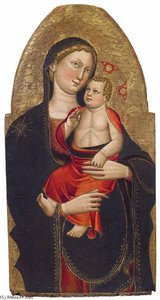
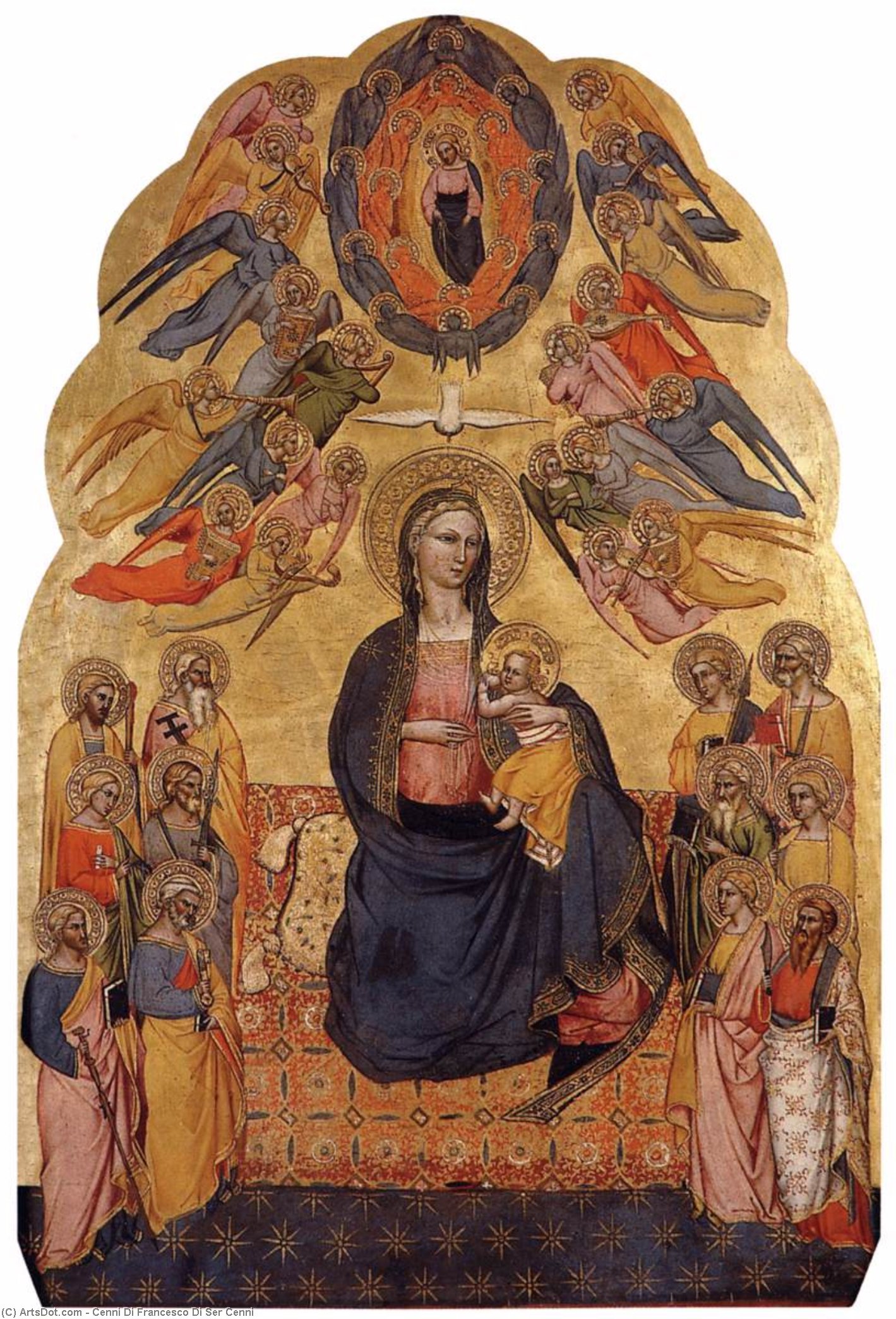
The Virgin of Humility
 Oil On Canvas
- WallArt
- Late Gothic / Early Renaissance
 1375
1375 77.0 x 51.0 cm
 Fundación Colección Thyssen-Bornemisza
 Read More
Hand Made Oil Reproduction
Hand-painted oil on canvas in your size and frame, made to order by our artists. ( Buy Print Buy Image)




P118B $10

P118H $10

P118W $10

P438Z $10

P508JH $12

P508YH $12

P805H $10

P805Z $10

P919BZ $10

P919G $10

P919XJ $10

P959ZH $10

P968JZ $12

W106C $8

W218G $10

W218JH $8

W218Y $10

W307PJ $10

W316G $10

W316PJ $8

W316Y $10

W398PJ $8

W4111J $10

W500HY $15

W500JH $15

W692G $12

W849H $8

W940BG $15

W953PJ $8




Pick from our preset sizes that match the artwork's original proportions.

You may enter your own dimensions to fit a specific frame or space. If your selected size does not match the original image's proportions, we will either crop the artwork or extend the painting with additional hand-painted elements. A digital mockup will be sent for your approval before production begins.
Please note that the on-screen preview does not reflect the actual cropping or extension. Only the mockup will accurately show the final composition.
While custom sizes are available, we recommend selecting a dimension from the predefined list to preserve the original proportions.
After order, ArtsDot.com team will email client for instructions and provide a mockup preview
Worldwide Delivery () in 3/4 weeks instead of standard 5 weeks. (28 August). No compromise on quality.

Free Worldwide Express Shipping

High-Quality Linen Canvas

Full Shipping Insurance

Customs Tax Refund Guarantee

True Color Matching Guarantee

60-Day Return Policy (Defects Only)

100% Money-Back Guarantee

Bulk Discount Offer
 Glass option is only available in size under 110 CM

The Virgin of Humility
Reproduction Medium
Reproduction Size
-


Total Price
$ 263
The Virgin of Humility: A Florentine Echo of Faith and Grace
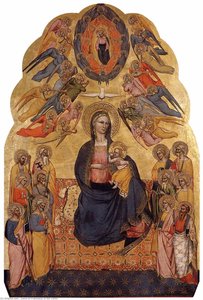
Cenni di Francesco di ser Cenni’s “The Virgin of Humility,” painted in 1375, is more than just a devotional image; it's a poignant window into the evolving artistic landscape of late Gothic Florence. Born amidst the vibrant energy of the city – a time when burgeoning humanist thought was beginning to challenge established medieval doctrines – Cenni’s work reflects this delicate transition, blending traditional iconography with subtle stylistic innovations. The painting, measuring 77 x 51 cm, immediately draws the eye with its rich palette and remarkably detailed depiction of Mary, Jesus, and the surrounding angelic host. It's a scene brimming with both serene piety and an underlying sense of earthly vulnerability, a testament to Cenni’s skill in capturing the emotional core of Christian belief.
A Study in Medieval Iconography
The composition adheres closely to established conventions of Marian iconography prevalent during the 14th century. Mary is presented as a youthful and idealized figure, embodying both maternal grace and spiritual purity. Her flowing robes, rendered with meticulous attention to texture and drapery, are typical of the period, while her gentle expression conveys a profound sense of humility – hence the painting’s title. The infant Jesus, nestled securely in her arms, is depicted with an innocence that resonates deeply with viewers. The surrounding angels, each distinct in their posture and gesture, contribute to the overall atmosphere of reverence and divine presence. Noticeably, Cenni doesn't shy away from depicting the physicality of the figures; they are not ethereal or distant but grounded within a defined space, suggesting a more immediate connection between the viewer and the sacred scene.
Technique and Artistic Innovation
Cenni’s mastery lies in his skillful execution. The painting is executed in tempera on panel, a technique favored for its luminosity and durability. He demonstrates a remarkable command of color, utilizing vibrant hues to bring the figures and their surroundings to life. However, what truly sets this work apart is Cenni's slightly unconventional approach to perspective and spatial representation – a hallmark of the transition from Gothic to Renaissance art. While adhering to the general layout of a medieval altarpiece, he introduces subtle distortions and overlaps that create a sense of depth and movement rarely seen in works of his time. This experimentation hints at a nascent awareness of three-dimensional space, foreshadowing the revolutionary developments that would characterize the High Renaissance.
Symbolism and Spiritual Resonance
The title, “The Virgin of Humility,” is profoundly significant. It refers to a specific theological concept – humility as a virtue essential for achieving salvation – which gained prominence in the 13th century. The scene itself embodies this principle: Mary’s posture, her gentle gaze, and the vulnerability she displays all underscore the importance of selflessness and service. The presence of thirteen angels is also laden with symbolism; the number thirteen often represents completeness and divine grace. Furthermore, the setting – a simple chamber bathed in soft light – evokes a sense of intimacy and contemplation, inviting viewers to connect with Mary on a deeply personal level.
A Timeless Masterpiece for Reflection and Display
“The Virgin of Humility” is more than just a beautiful painting; it’s a powerful meditation on faith, humility, and the enduring mystery of the divine. Reproductions offer an accessible way to bring this evocative work into any home or gallery space, allowing viewers to contemplate its rich symbolism and appreciate Cenni's artistic vision. Its timeless appeal lies in its ability to resonate with audiences across centuries, reminding us of the profound beauty and spiritual depth found within Christian iconography.
Related Artworks
Artist Biography
A Florentine Voice in the Gothic Twilight
Cenni di Francesco di ser Cenni, a name perhaps less resonant than those of his celebrated contemporaries, nevertheless occupies a vital position in the transition between the late Gothic period and the burgeoning Renaissance in Florence. Born around 1369, amidst a city already stirring with new artistic currents, Cenni’s career unfolded during a time of profound cultural shift. While details of his personal life remain elusive—historical records offer glimpses primarily through documented commissions rather than intimate biographical narratives—his artistic legacy speaks volumes about the enduring power of tradition and the subtle seeds of innovation. He was registered in Florence's Arte dei Medici e Speziali in 1369, marking a formal entry into the city’s vibrant guild system, and continued to work within its artistic circles until his death in 1415. Cenni wasn’t merely replicating established styles; he was actively shaping them, bridging the gap between the elegance of the Gothic era and the emerging naturalism that would define the Renaissance.Echoes of Masters and a Developing Style
Cenni di Francesco's artistic formation was deeply rooted in the International Gothic style—a refined aesthetic characterized by graceful figures, opulent colors, and intricate ornamentation. However, his work wasn’t simply derivative; it bore the distinct imprint of influential predecessors. The elegant linearity and compositional sophistication evident in Orcagna’s works clearly resonated with Cenni, informing his approach to form and design. Simultaneously, he absorbed the softer modeling and emotional expressiveness championed by Agnolo Gaddi, imbuing his figures with a gentle humanity that transcended mere stylistic imitation. This synthesis of influences is particularly noticeable in his early pieces, where one can discern a delicate balance between decorative refinement and nascent psychological depth. His style evolved over time, demonstrating an increasing sophistication in composition and detail. He skillfully blended Byzantine traditions with emerging Renaissance elements, hinting at the artistic revolution to come while remaining firmly grounded in the aesthetic sensibilities of his era.Significant Works and Lasting Impressions
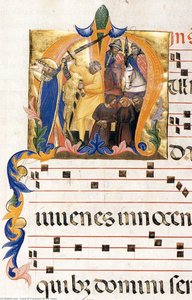
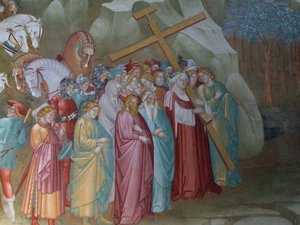
Though a substantial body of work is attributed to Cenni di Francesco, it’s the *Fresco of the True Cross* within the Cappella della Croce di Giorno at the Church of San Francesco in Volterra that stands as his most celebrated achievement—and uniquely, his only known signed work. Completed in 1410, this fresco is a testament to his narrative skill and mastery of technique. The composition unfolds with clarity and grace, depicting key episodes from the legend of the True Cross with meticulous detail and vibrant color. Beyond Volterra, his artistic footprint extends to Florence itself, notably through a fresco attributed to him at the entrance to the Basilica of Santa Maria Novella, likely painted around 1390. This large-scale devotional image showcases his ability to create compelling visual narratives for public consumption. The *Polyptych with Coronation of the Virgin and Saints*, now housed in the Getty Museum, further exemplifies Cenni’s command of complex compositions and rich color palettes—a quintessential example of altarpiece design during that period. Numerous other works, including illuminated manuscripts – notably Antiphonary folios – and panel paintings, continue to be attributed to him based on stylistic analysis, enriching our understanding of his prolific output.A Bridge Between Eras
Cenni di Francesco’s historical significance lies not in radical innovation but in his role as a crucial link between artistic traditions. He wasn't at the forefront of the revolutionary changes sweeping through Florence; rather, he embodied a refined continuation of the Gothic aesthetic while subtly incorporating elements that foreshadowed the Renaissance. This included a growing emphasis on naturalism and emotional expression—a departure from the more stylized conventions of earlier Gothic art. His work helped preserve and refine the International Gothic style, ensuring its continued influence on subsequent generations of artists even as new artistic paradigms emerged. He contributed significantly to the rich artistic heritage of Florence during a period of immense cultural change, offering valuable insights into the artistic landscape of 14th-century Italy. Though perhaps not as widely recognized as some of his contemporaries, Cenni di Francesco’s paintings remain compelling testaments to an artist who skillfully navigated the currents of his time, leaving behind a legacy that continues to resonate with beauty and grace.
cenni di francesco di ser cenni
1369 - 1415 , Italy
Quick Facts
- Artistic Movement Or Style: International Gothic
- Artists Or Movements Influenced By This Artist: Florentine Gothic tradition
- Artists Who Influenced This Artist:
- Orcagna
- Gaddi
- Date Of Birth: 1369
- Date Of Death: 1415
- Full Name: Cenni di Francesco di ser Cenni
- Nationality: Italian
- Notable Artworks:
- Fresco of the True Cross
- Santa Maria Novella Fresco
- Polyptych with Coronation…
- Place Of Birth: Florence, Italy
Related Articles
Giotto's Masterpieces: 25 Renaissance Artworks for Your Home | ArtsDot
Explore 25 breathtaking artworks by Giotto di Bondone, a Renaissance master. Discover the stories behind iconic frescoes & paintings like the Scrovegni Chapel cycle. Find museum-quality Giotto reproductions and elevate your home decor with ArtsDot.com.
Proto-Renaissance Masters: 10 Artworks That Changed History | ArtsDot
Journey back to the dawn of Renaissance art! Explore 10 iconic Proto-Renaissance masterpieces by Giotto, Cimabue & Duccio. Discover their stories, techniques & lasting impact. Find museum-quality reproductions for your home at ArtsDot.com
La Biennale's Masterpieces: 25 Artworks to Inspire Your Home | ArtsDot
Explore 25 iconic artworks from La Biennale di Venezia! Discover the stories behind masterpieces of Italian art, modernism & Renaissance paintings. Find museum-quality reproductions and elevate your home decor with ArtsDot.com. Explore the full collection online.
The Radiant Dusk of Medieval Vision: Exploring Late Gothic Art's Synthesis of Faith, Form & Emotionality (c. 1300-1500)
Explore the exquisite beauty & spiritual depth of Late Gothic art (c. 1300-1500). Discover key artists, symbolism, and its lasting influence on the Renaissance. Expert insights at ArtsDot.
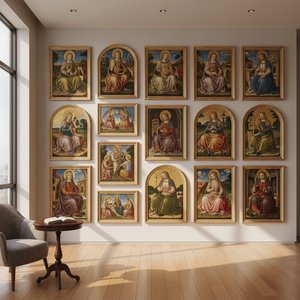
Fra Angelico's Masterpieces: 25 Renaissance Paintings for Your Home | ArtsDot
Explore 25 breathtaking masterpieces by Fra Angelico, a Renaissance master. Discover the stories behind his iconic frescoes, Annunciations & religious art. Find museum-quality reproductions and elevate your home decor with ArtsDot.com.