 Preview
 Send
Send Share
Share
 Details

 Download
 Similars
 X-Ray
X-Ray Diaporama
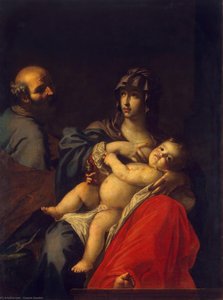
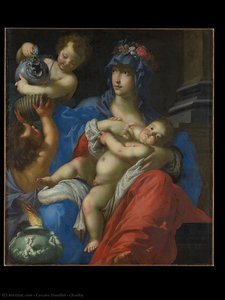
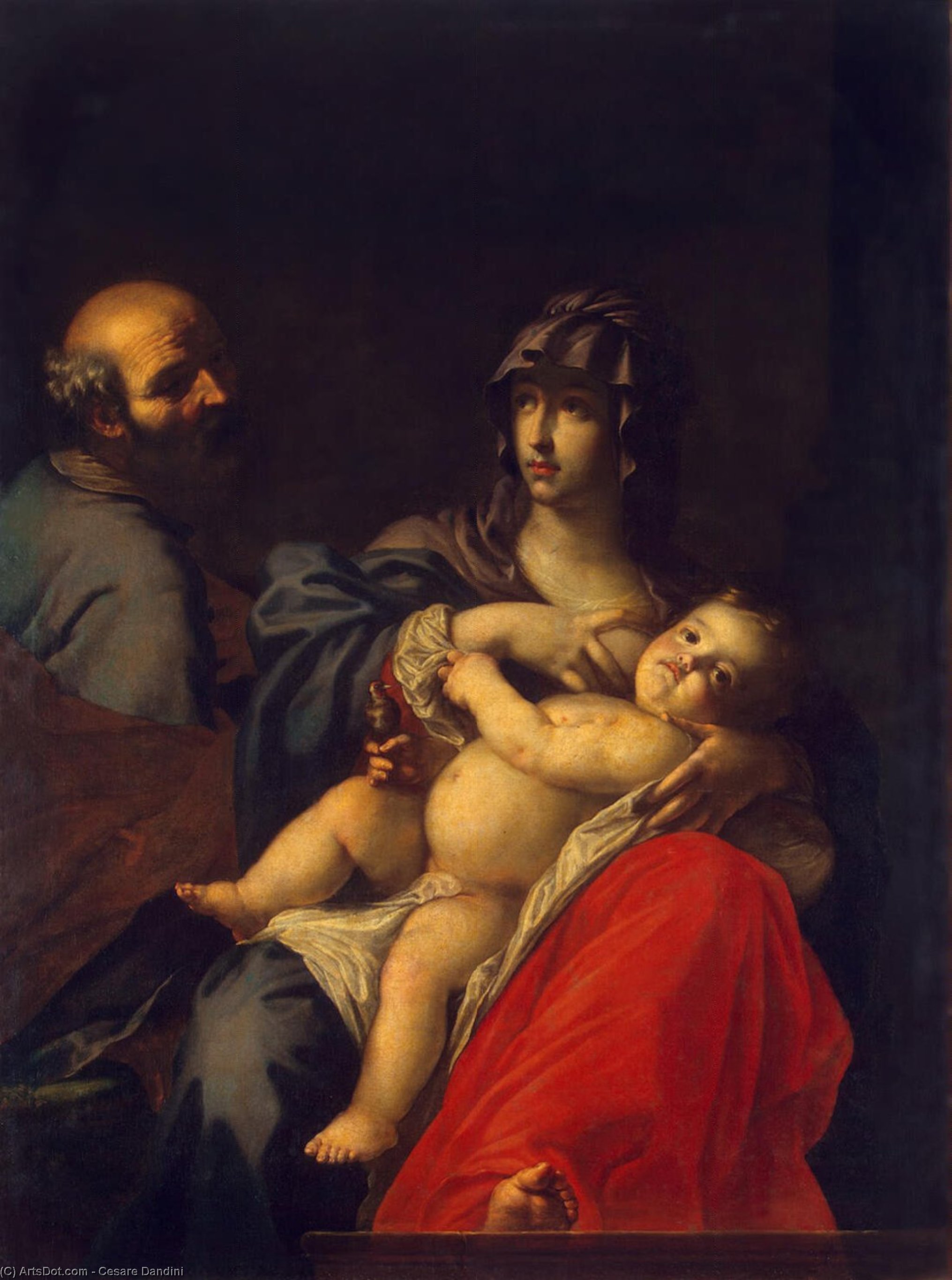
Holy Family
 Oil On Canvas
- WallArt
- Baroque
 1640
1640- Early Modern
 148.0 x 111.0 cm
 Hermitage Museum
 Read More
Hand Made Oil Reproduction
Hand-painted oil on canvas in your size and frame, made to order by our artists. ( Buy Print Buy Image)




P118B $10

P118H $10

P118W $10

P438Z $10

P508JH $12

P508YH $12

P805H $10

P805Z $10

P919BZ $10

P919G $10

P919XJ $10

P959ZH $10

P968JZ $12

W106C $8

W218G $10

W218JH $8

W218Y $10

W307PJ $10

W316G $10

W316PJ $8

W316Y $10

W398PJ $8

W4111J $10

W500HY $15

W500JH $15

W692G $12

W849H $8

W940BG $15

W953PJ $8




Pick from our preset sizes that match the artwork's original proportions.

You may enter your own dimensions to fit a specific frame or space. If your selected size does not match the original image's proportions, we will either crop the artwork or extend the painting with additional hand-painted elements. A digital mockup will be sent for your approval before production begins.
Please note that the on-screen preview does not reflect the actual cropping or extension. Only the mockup will accurately show the final composition.
While custom sizes are available, we recommend selecting a dimension from the predefined list to preserve the original proportions.
After order, ArtsDot.com team will email client for instructions and provide a mockup preview
Worldwide Delivery () in 3/4 weeks instead of standard 5 weeks. (17 August). No compromise on quality.

Free Worldwide Express Shipping

High-Quality Linen Canvas

Full Shipping Insurance

Customs Tax Refund Guarantee

True Color Matching Guarantee

60-Day Return Policy (Defects Only)

100% Money-Back Guarantee

Bulk Discount Offer
 Glass option is only available in size under 110 CM

Holy Family
Reproduction Medium
Reproduction Size
-


Total Price
$ 263
Artwork Description
A Florentine Reverie: Exploring Cesare Dandini’s Holy Family
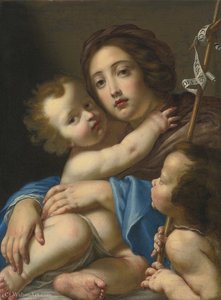
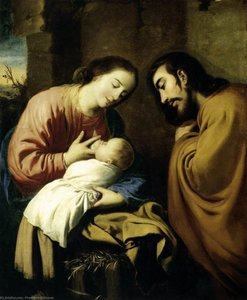
Cesare Dandini's “Holy Family,” painted around 1640, stands as a quintessential emblem of Baroque piety and artistic refinement—a testament to Florence’s enduring legacy within the European art landscape. More than just a depiction of biblical narrative, this canvas embodies a profound understanding of humanist ideals intertwined with spiritual contemplation, reflecting the cultural milieu of its time.
Composition & Technique: Mastering Light and Form
The painting's masterful composition immediately draws the eye inward, prioritizing clarity and emotional resonance. Dandini employs a pyramidal structure, anchoring Mary and Jesus centrally while Joseph occupies a supportive position on the left side. This deliberate arrangement lends stability to the scene and directs the viewer’s gaze towards the divine figures. Dandini’s technique is characterized by meticulous attention to detail—particularly in capturing the subtle nuances of human anatomy and drapery folds—demonstrating an exceptional command of oil paint on canvas. The artist skillfully utilizes chiaroscuro, employing dramatic contrasts between light and shadow to sculpt the forms of his subjects and imbue them with palpable depth.
Symbolism & Iconography: Layers of Meaning
Beyond its visual splendor, “Holy Family” is rich in symbolic iconography. Mary’s serene countenance—expressed through a veiled gaze and gentle posture—represents purity and humility – virtues deeply valued during the Baroque period. The infant Jesus, depicted with rosy cheeks and an expression of peaceful innocence, symbolizes divine grace and redemption. Joseph's attentive stance signifies paternal care and protection, reinforcing the familial bond at the heart of the composition. These figures are positioned within a dark background, emphasizing their luminosity and highlighting their spiritual significance—a deliberate stylistic choice that underscores the sanctity of the depicted scene.
Historical Context: Florence Under Papal Patronage
Painted during the reign of Pope Innocent X, “Holy Family” benefited from the considerable patronage afforded to artists by the Catholic Church. Florentine Baroque art flourished under papal influence, fostering a climate of creativity and innovation. Dandini’s work aligns seamlessly with broader artistic trends—characterized by grandeur, emotional intensity, and an aspiration to convey spiritual truths—reflecting the fervent religious fervor prevalent throughout Italy at the time. The painting's placement within St. Petersburg’s Hermitage Museum underscores its enduring importance as a masterpiece of Baroque art.
Emotional Impact: A Window into Divine Grace
“Holy Family” transcends mere representation; it aspires to evoke contemplation and reverence. Dandini’s masterful use of color—primarily earthy tones—creates an atmosphere of solemn tranquility, inviting viewers to immerse themselves in the beauty of faith. The painting's luminous drapery and expressive facial features convey a palpable sense of emotion—a testament to Dandini’s ability to capture not only visual accuracy but also the spiritual essence of his subject matter. It remains a powerful reminder of humanity’s yearning for divine grace and embodies the sublime ideals that defined the Baroque artistic tradition.
Related Artworks
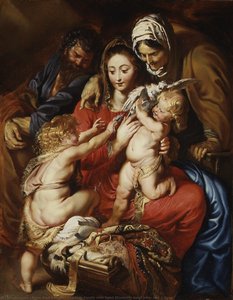
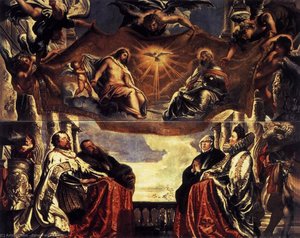
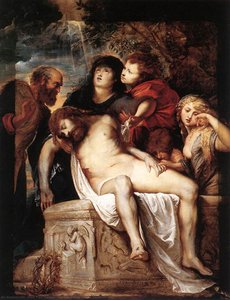
Artist Biography
A Florentine Legacy: The Life and Art of Cesare Dandini
Cesare Dandini, born in Florence in 1596, emerged during a period of dynamic artistic transition – the Baroque era was taking hold, yet the echoes of Renaissance mastery still resonated strongly within the city’s workshops. He wasn't merely a painter; he was a product of a deeply ingrained Florentine artistic lineage, a family whose dedication to craft spanned generations. His older brother, Vincenzo Dandini, also achieved recognition as a painter, and this creative spirit continued through their nephew Pietro, and even into his sons, Ottaviano and the Jesuit priest Vincenzo, ensuring the Dandini name remained synonymous with artistry in Florence for decades. Cesare’s formal training began under Francesco Curradi, where he likely honed foundational skills, before progressing to Cristofano Allori, a figure who would significantly influence his developing style. His apprenticeship culminated with Domenico Passignano, absorbing the lessons of each master and forging a path toward his own unique artistic voice. In 1621, Dandini’s commitment was formalized through enrollment in the prestigious Accademia del Disegno, solidifying his place within Florence's vibrant art community.The Flourishing of a Baroque Style
Dandini’s work is deeply rooted in the Florentine tradition, yet it embraces the burgeoning characteristics of the Baroque period. He became known for employing striking color contrasts – a hallmark of Florentine painting – and constructing elegant compositions that drew the viewer into the scene. However, his artistry wasn't simply about dramatic effect; it was underpinned by a refined attention to draughtsmanship and design, qualities often associated with artists like Carlo Dolci. This meticulous approach is evident across his oeuvre, revealing a dedication to both technical skill and aesthetic harmony. The influence of his mentors – Curradi, Allori, and Passignano – are readily discernible in his paintings. From Curradi he likely absorbed an early understanding of form and composition; from Allori, a refined sense of color and detail; and from Passignano, a dramatic flair that would become characteristic of his mature style. Dandini didn’t merely imitate these influences; he synthesized them into something distinctly his own, resonating with the tastes and sensibilities of Florentine patrons.Themes and Masterpieces
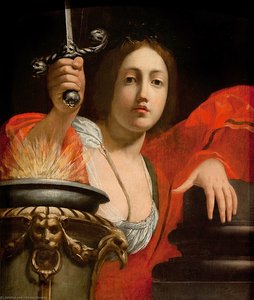
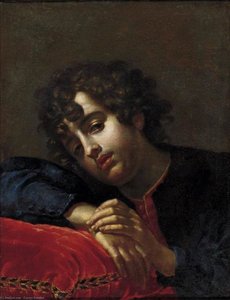
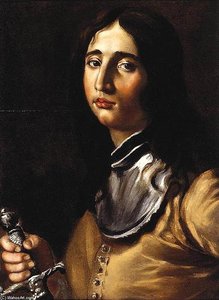
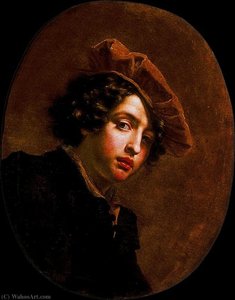
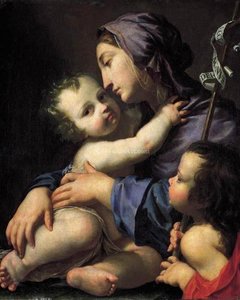
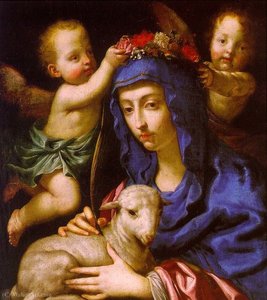
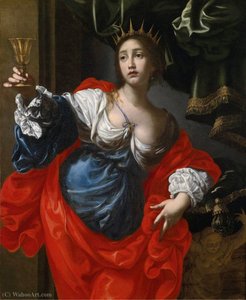
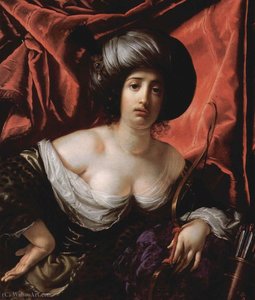
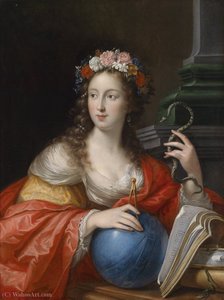
Dandini's artistic output encompassed a diverse range of subjects, but religious themes and mythological scenes formed the core of his work. Charity, for example, showcases his refined style and technical prowess, demonstrating his ability to imbue figures with both grace and emotional depth. His depictions of the Holy Family reveal a mastery of religious iconography, while portraits like Portrait of a Boy exemplify his skill in capturing character and detail. The timeless beauty of his Madonna and Child paintings speaks to a deep understanding of faith and artistic tradition. Beyond the purely devotional, Dandini also engaged with allegorical subjects, as seen in An Allegory of Intelligence, demonstrating an intellectual curiosity that extended beyond mere representation. These works weren’t simply exercises in technical skill; they were expressions of belief, philosophical inquiry, and a profound appreciation for beauty.A Legacy Passed Down Through Generations
Cesare Dandini was not only a gifted painter but also a dedicated educator, generously sharing his knowledge with the next generation of artists. Among his pupils were several notable figures, including Stefano della Bella, renowned for his etchings; Alessandro Rosi; Antonio Giusti, a skilled landscape painter; Giovanni Domenico Ferrucci; and Jacopo Giorgi. Through these students, Dandini’s artistic influence continued to shape the Florentine art world long after his death in 1657. He left behind not just a body of work but also a lineage of artists who carried forward his techniques, principles, and aesthetic sensibilities. While perhaps not as widely celebrated as some of his contemporaries, Cesare Dandini played a vital role in maintaining Florence’s artistic vitality during the Baroque period. His contribution lies in his dedication to preserving the traditions of Florentine painting while embracing the innovations of his time. The recent rediscovery of lost works, such as “Holy Family with the Infant St. John”, serves as a testament to his enduring importance and invites renewed appreciation for his contributions to art history.Historical Significance
Dandini’s place in art history is one of quiet significance. He wasn't a revolutionary figure, but rather a skilled practitioner who upheld the standards of Florentine artistry during a period of change. His work represents a continuation of the city’s rich artistic heritage and demonstrates the enduring appeal of its painting techniques. He skillfully navigated the transition from late Mannerism to full-blown Baroque, creating works that are both elegant and emotionally resonant. Dandini's paintings offer valuable insights into the cultural and religious climate of 17th-century Florence, reflecting the values and beliefs of his patrons and contemporaries. His legacy is not merely one of artistic achievement but also of dedication to craft, mentorship, and the preservation of a cherished artistic tradition. He stands as a reminder that even within the shadow of more famous names, there are artists whose contributions deserve recognition and celebration.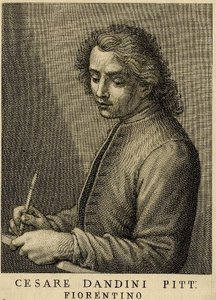
Cesare Dandini
1596 - 1657 , Italy
Quick Facts
- Artistic Movement Or Style: Baroque
- Artists Or Movements Influenced By This Artist:
- Della Bella
- Rosi
- Giusti
- Artists Who Influenced This Artist:
- Curradi
- Allori
- Passignano
- Date Of Birth: 1596
- Date Of Death: 1657
- Full Name: Cesare Dandini
- Nationality: Italian
- Notable Artworks:
- Charity
- Holy Family
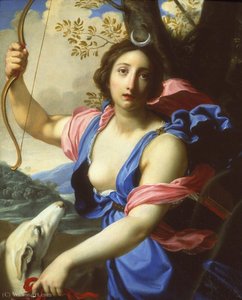
- Diana with a dog
- Madonna and Child
- Place Of Birth: Florence, Italy
Related Articles

Giclée Prints: Archival Quality & Aesthetic Nuances for the Discerning Collector
Explore the world of giclée prints with ArtsDot. Learn about archival quality, aesthetic nuances & investment potential. Expert guidance for discerning art collectors seeking museum-quality reproductions and lasting value.

The Dramatic Flourish: Exploring the Baroque Movement's Enduring Legacy in Art History
Explore the dramatic world of Baroque art! Discover iconic artists like Caravaggio & Rubens, defining techniques, and its lasting impact on art history. Expert insights for collectors & enthusiasts at ArtsDot.

The Enduring Legacy of Fine Art Prints: Technique, History & Aesthetic Impact
Explore the rich history & techniques of fine art prints. Discover investment potential, assess authenticity, and learn how to preserve your collection with expert guidance. Trusted insights for discerning collectors.

Baroque Masterpieces: 10 Paintings That Defined an Era |
Journey through the drama & grandeur of Baroque art! Explore 10 masterpieces by Caravaggio, Rembrandt, Rubens & more. Discover stunning oil paintings, rich colors & timeless stories. Find museum-quality reproductions at .

Baroque Drama: Bringing Opulence & Emotion into Contemporary Interiors
Explore the opulent world of Baroque interior design! Discover key elements, modern applications & how to bring dramatic elegance into your home with 's authentic reproductions.