 Preview
 Send
Send Share
Share
 Details

 Download
 Similars
 X-Ray
X-Ray Diaporama
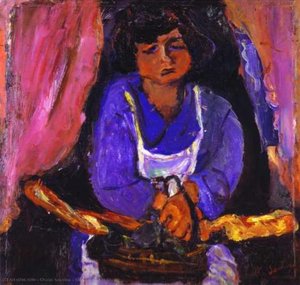
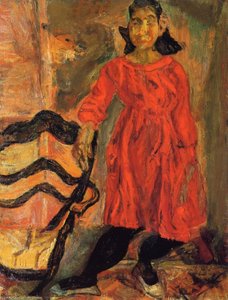
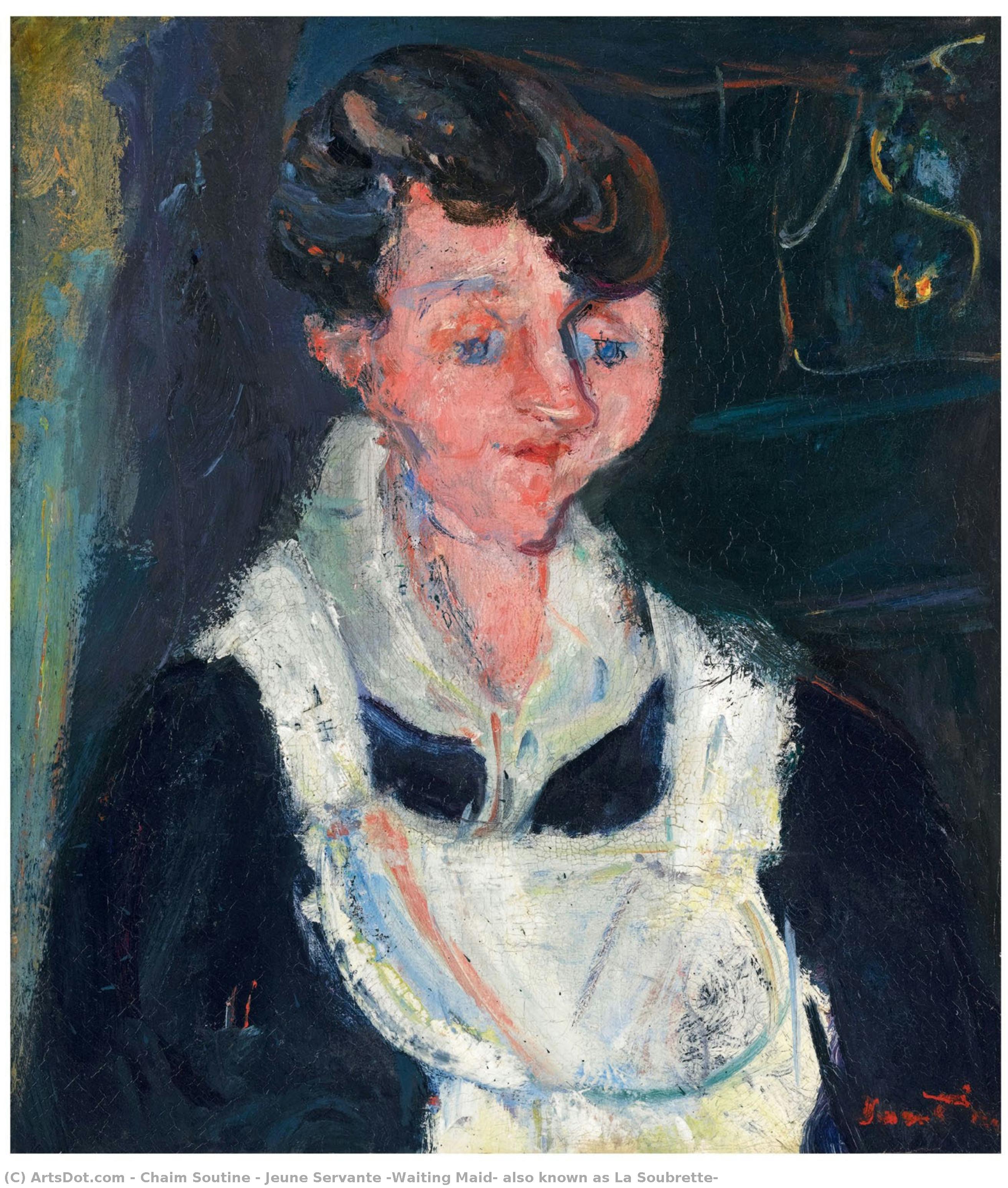
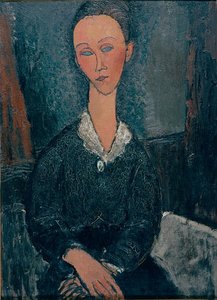
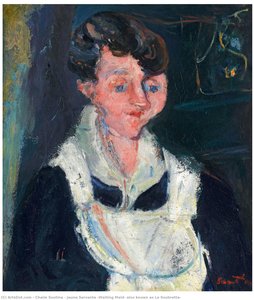
Jeune Servante (Waiting Maid, also known as La Soubrette)


 Read More
Hand Made Oil Reproduction
Hand-painted oil on canvas in your size and frame, made to order by our artists. ( Buy Print Buy Image)




P118B $10

P118H $10

P118W $10

P438Z $10

P508JH $12

P508YH $12

P805H $10

P805Z $10

P919BZ $10

P919G $10

P919XJ $10

P959ZH $10

P968JZ $12

W106C $8

W218G $10

W218JH $8

W218Y $10

W307PJ $10

W316G $10

W316PJ $8

W316Y $10

W398PJ $8

W4111J $10

W500HY $15

W500JH $15

W692G $12

W849H $8

W940BG $15

W953PJ $8




Pick from our preset sizes that match the artwork's original proportions.

You may enter your own dimensions to fit a specific frame or space. If your selected size does not match the original image's proportions, we will either crop the artwork or extend the painting with additional hand-painted elements. A digital mockup will be sent for your approval before production begins.
Please note that the on-screen preview does not reflect the actual cropping or extension. Only the mockup will accurately show the final composition.
While custom sizes are available, we recommend selecting a dimension from the predefined list to preserve the original proportions.
After order, ArtsDot.com team will email client for instructions and provide a mockup preview
Worldwide Delivery () in 3/4 weeks instead of standard 5 weeks. (17 August). No compromise on quality.

Free Worldwide Express Shipping

High-Quality Linen Canvas

Full Shipping Insurance

Customs Tax Refund Guarantee

True Color Matching Guarantee

60-Day Return Policy (Defects Only)

100% Money-Back Guarantee

Bulk Discount Offer
 Glass option is only available in size under 110 CM

Jeune Servante (Waiting Maid, also known as La Soubrette)
Reproduction Medium
Reproduction Size
-


Total Price
$ 263
Artwork Description
Chaim Soutine’s ‘Jeune Servante’: A Portrait of Quiet Intensity
Chaim Soutine's “Jeune Servante” (Waiting Maid, also known as La Soubrette) is a powerfully evocative work that encapsulates the artist’s singular approach to figuration. Painted in 1933, this seemingly simple depiction of a young servant girl reveals layers of psychological depth and technical mastery, hallmarks of Soutine's oeuvre. The painting immediately arrests the viewer with its raw emotionality – a direct gaze from the subject, coupled with an almost palpable sense of unease. This is not a portrait intended for polite society; it’s a glimpse into a private moment, pregnant with unspoken anxieties and perhaps even a hint of melancholy.
- Subject & Composition: The central figure, rendered in meticulous detail, dominates the canvas. Her posture, slightly turned towards the viewer, creates an immediate connection, while her averted gaze suggests introspection or perhaps a guarded vulnerability. The unadorned doorway behind her serves not as a mere backdrop but as a symbolic threshold – a transition, a waiting, a potential escape.
- Color & Texture: Soutine’s signature impasto technique is on full display here. Thick, almost sculptural brushstrokes build up the surface of the canvas, creating a tactile experience for the viewer and imbuing the figure with an unsettling physicality. The muted palette – dominated by browns, ochres, and blacks – contributes to the painting's somber mood, further emphasizing the subject’s isolation.
A Painter Forged in Turmoil
Understanding “Jeune Servante” requires acknowledging the context of Chaim Soutine’s life and artistic development. Born in 1894 in Smilovichi, Russia, Soutine's early years were marked by hardship and religious constraints – experiences that profoundly shaped his worldview and ultimately informed his art. His formal training in Vilna provided a foundation, but it was his move to Paris in 1913 that truly liberated him. Within the bustling artistic environment of the city, Soutine resisted prevailing trends, developing a highly personal style characterized by distorted forms, expressive brushwork, and an intense emotional charge. This painting exemplifies this approach perfectly – a deliberate departure from academic realism, prioritizing feeling over precise representation.
Historical Context: “Jeune Servante” was created during a period of significant artistic experimentation in Europe. While Cubism and Futurism dominated the art world, Soutine remained steadfastly committed to his own vision, anticipating later developments in Expressionism with his focus on subjective emotion and psychological intensity. The painting’s appearance at the 1938 “Tragic Painters” exhibition – a show designed to highlight the work of emotionally charged artists – further cemented its place within this artistic movement.Symbolic Layers & Emotional Resonance
Beyond its technical brilliance, "Jeune Servante" is rich in symbolic potential. The ‘servant girl’ archetype itself carries connotations of vulnerability, subservience, and perhaps even a yearning for freedom. The doorway represents not just a physical space but also the possibility of change or escape – a theme frequently explored by Soutine. The painting's emotional impact stems from its ability to evoke a sense of quiet desperation, inviting viewers to contemplate themes of isolation, longing, and the human condition. It’s a portrait that doesn’t offer easy answers; instead, it presents a complex and ambiguous image that lingers in the mind long after viewing.
- Symbolism: The waiting posture suggests anticipation, but also uncertainty and perhaps even dread.
- Emotional Impact: The painting's raw emotion and unsettling composition create a powerful and memorable experience for the viewer.
Related Artworks
Artist Biography
A Life Forged in Turmoil: The World of Chaim Soutine
Born into a large, impoverished Jewish family in Smilovichi, Russia (present-day Belarus) in 1893, Chaim Soutine’s early life was steeped in hardship. This formative experience—a childhood marked by both material scarcity and the restrictions imposed upon his Orthodox community—would profoundly shape his artistic vision. Though figural representation was discouraged within his religious upbringing, a nascent talent for drawing blossomed nonetheless, hinting at the passionate intensity that would come to define his work. He received formal training at an art academy in Vilna (now Vilnius, Lithuania) from 1910 to 1913, but it was his emigration to Paris in 1913 that proved truly pivotal. Enrolling at the École des Beaux-Arts under Fernand Cormon, Soutine found himself amidst a vibrant artistic community, yet he remained largely outside of prevailing trends, forging a path uniquely his own. His initial years in Paris were characterized by extreme poverty, a struggle that mirrored the emotional turbulence simmering beneath the surface of his canvases.An Expressionist Apart: Style and Influences
While often categorized as an Expressionist, to label Soutine solely within this framework feels limiting. His style was profoundly individual, a compelling synthesis of traditional European painting—particularly the Dutch Masters like Rembrandt and Chardin, and the Realism of Courbet—filtered through a lens of raw emotional intensity. He didn’t simply mimic these masters; he absorbed their techniques and compositional strategies, then violently reinterpreted them to convey his own inner world. Bold colors, applied with thick impasto – a textured application of paint that gives his surfaces a palpable physicality – and agitated brushwork are hallmarks of his style. Soutine wasn’t interested in precise representation; he sought to capture the emotional essence of his subjects, often imbuing them with a sense of unease or psychological tension. Landscapes, portraits, and still lifes became his preferred vehicles for this exploration, recurring themes like food and animals reflecting both personal experiences and his Jewish heritage. These weren’t merely depictions; they were visceral expressions of feeling, painted with an almost desperate energy.Development and Defining Works
Soutine's artistic development unfolded through distinct periods, each marked by unique stylistic explorations. The early Parisian years (1913-1917) saw him grappling with his voice amidst financial hardship. The period spent in Céret between 1919 and 1922 proved crucial. It was here, surrounded by the dramatic landscapes of southern France, that he produced many of his most celebrated works. These paintings are characterized by vibrant colors, distorted forms, and a sense of almost violent energy. Trees, cliffs, and fields become swirling masses of paint, reflecting not just what Soutine saw but how he *felt* in their presence. His portraits, too, stand apart for their psychological depth. He often depicted working-class individuals with a raw honesty that challenged conventional portraiture, revealing the dignity and vulnerability of his subjects. Similarly, his still lifes—arrangements of food and objects—convey a sense of vitality, but also an unsettling energy, as if even inanimate objects are imbued with life and emotion. Notable works from this period include studies related to “The Dance of Life,” alongside numerous landscapes capturing the essence of Céret, and poignant portraits of Russian émigrés in Paris.Recognition, Legacy, and Lasting Impact
Soutine was a key figure within the School of Paris, a diverse group of artists working in the city during the early 20th century. However, his path to recognition wasn’t straightforward. The art dealer Leopold Zborowski played an instrumental role in promoting Soutine's work and securing his financial stability, recognizing the unique power of his vision. Initial critical reception was mixed, but his reputation grew steadily over time. His expressive use of paint and emotional intensity profoundly influenced later artists, including Willem de Kooning and Francis Bacon, who saw in Soutine a kindred spirit—an artist willing to push the boundaries of representation in pursuit of authentic expression. Today, Chaim Soutine is rightfully recognized as a major figure in Expressionism and a significant contributor to 20th-century art. His works are held in prestigious museums worldwide, testaments to his enduring legacy. He represents a crucial bridge between traditional European painting techniques and the emerging forms of Abstract Expressionism, prioritizing emotional expression over objective representation and developing an artistic voice that transcended typical Expressionist concerns. His innovative style paved the way for future generations of artists seeking to explore the depths of human emotion through the power of paint.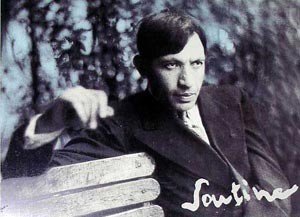
Chaim Soutine
1894 - 1943 , Russia
Quick Facts
- Artistic Movement Or Style: Expressionism
- Artists Or Movements Influenced By This Artist:
- Willem de Kooning
- Francis Bacon
- Abstract Expressionism
- Artists Who Influenced This Artist:
- Rembrandt
- Chardin
- Courbet
- Date Of Birth: January 13, 1893
- Date Of Death: 1943
- Full Name: Chaim Soutine
- Nationality: French
- Notable Artworks:
- Suburban Landscape...
- Untitled (2161)
- Study for the Dance...
- Place Of Birth: Smilovichi, Russia
Related Articles

Giclée Prints: Archival Quality & Aesthetic Nuances for the Discerning Collector
Explore the world of giclée prints with ArtsDot. Learn about archival quality, aesthetic nuances & investment potential. Expert guidance for discerning art collectors seeking museum-quality reproductions and lasting value.

The Enduring Legacy of Fine Art Prints: Technique, History & Aesthetic Impact
Explore the rich history & techniques of fine art prints. Discover investment potential, assess authenticity, and learn how to preserve your collection with expert guidance. Trusted insights for discerning collectors.

Echoes of Time: Exploring the Enduring Appeal & Historical Context of Vintage Art Prints
Explore the captivating world of vintage art prints! Discover their history, collecting tips & enduring appeal. Expert insights on chromolithography and building a legacy collection with ArtsDot.
The Enduring Legacy of Printmaking: Techniques, Themes & Artistic Innovation Across Centuries
Explore the rich history of printmaking with ArtsDot. Discover techniques from intaglio to lithography, learn about collecting valuable prints & find museum-quality reproductions. Expert insights for art enthusiasts and collectors.
Edward Wilkins Waite: A Victorian Vision of Surrey's Serene Landscapes & Artistic Legacy
Explore the serene landscapes of Edward Wilkins Waite (1854-1924), a prolific Victorian painter celebrated for his depictions of Surrey's countryside. Discover his artistic influences, career highlights & collecting guide.
![Farm Girl [La Fille de Ferme]](/media/artworks/images/thumbnails/f8/69/f869bccd11c34cf8b2493dffcd1d2528.jpg)
![Landscape at Céret [Paysage à Céret]](/media/artworks/images/thumbnails/89/81/8981771ea18d4ac9af211a74065175ed.jpg)
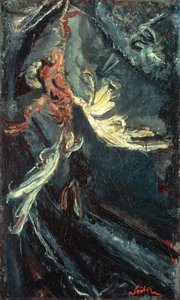
![Still Life with Fowl [Nature Morte à La Volaille]](/media/artworks/images/thumbnails/0f/76/0f7696c67df74cbbbc9bc7ec6af8323c.jpg)